

Road Classification Systems: Mobility and Access Guide
Learn about the functional hierarchy of roads, including arterial, collector, and local systems, and the trade-off between traffic mobility and property access.
Road Classification Systems
Functional Hierarchy, Mobility, and Access
Defining Road Classification
Road classification is the process of grouping streets and highways into classes according to the character of service they are intended to provide. This hierarchy is essential for urban planning, traffic management, and infrastructure funding.
Mobility vs. Access
The fundamental trade-off in transportation planning.
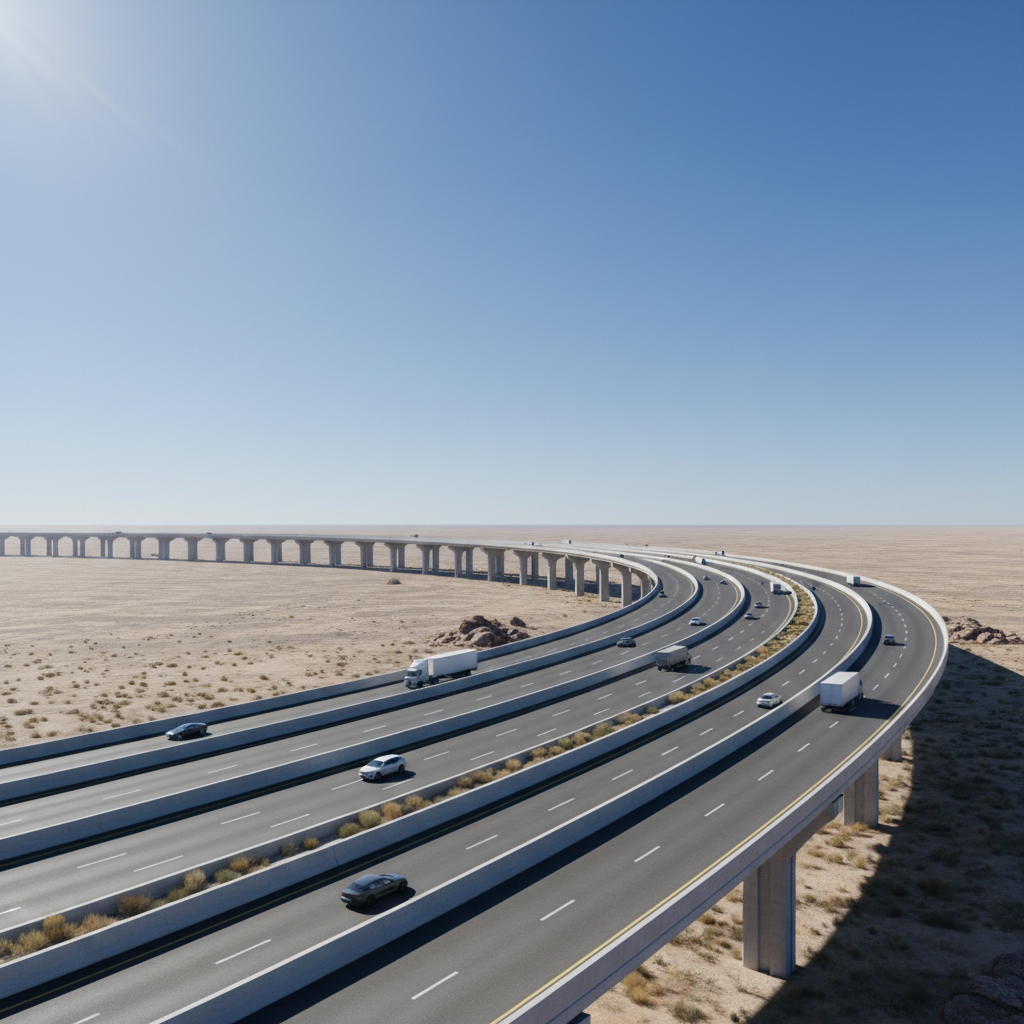
Mobility: High speed, uninterrupted flow, long distances (e.g., Freeways).
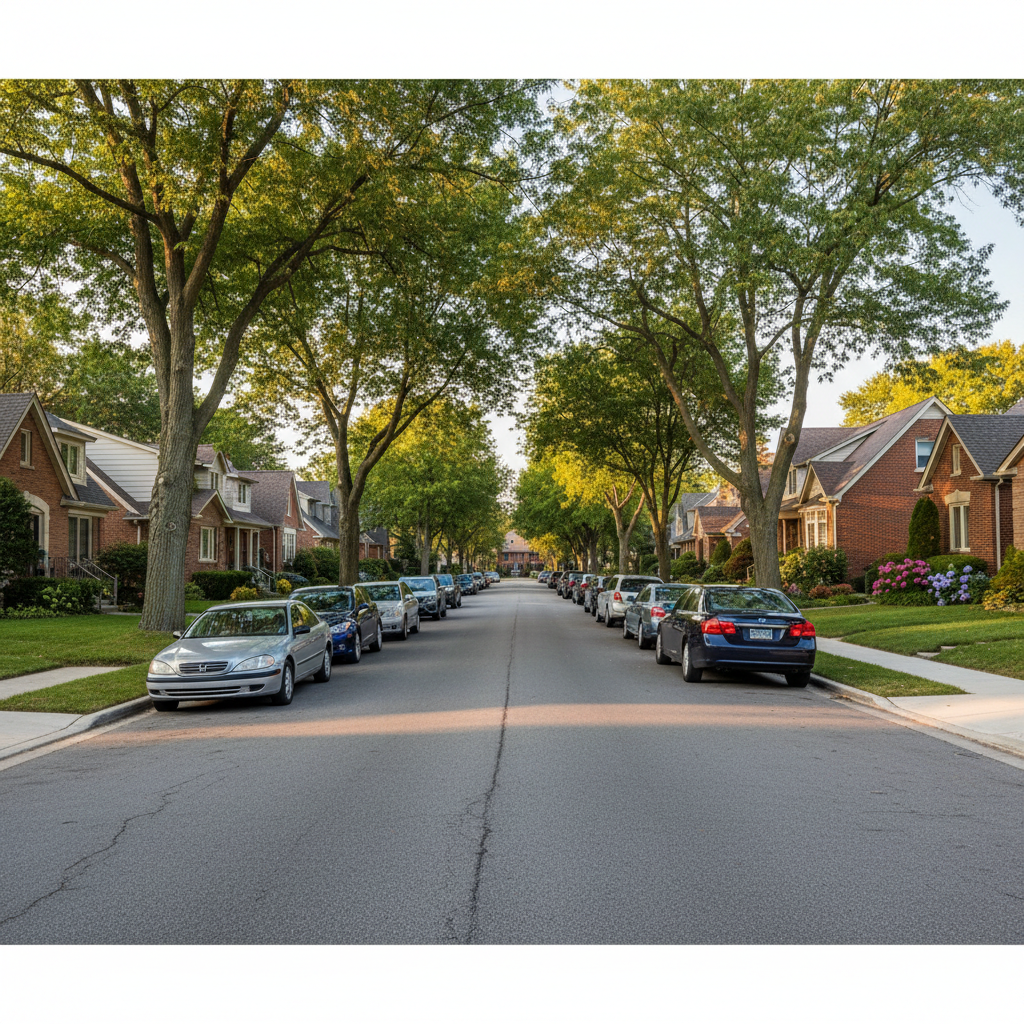
Access: Direct entry to properties, low speeds, frequent stops (e.g., Cul-de-sacs).
As one increases, the other generally decreases.
Arterial Roads
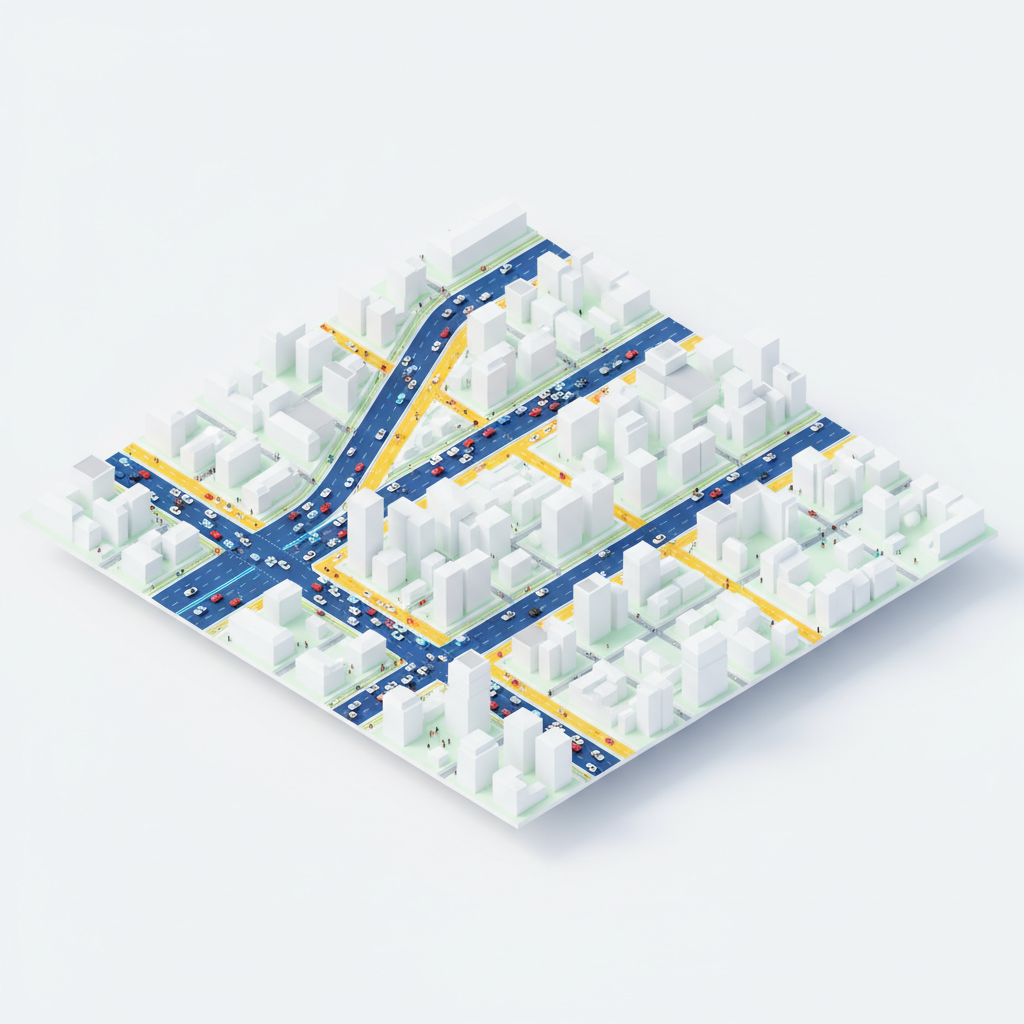
Arterials provide the highest level of mobility at the highest speeds for long, uninterrupted travel. They often have limited access points to reduce friction. Examples include interstates, freeways, and major state highways.
Collector Roads
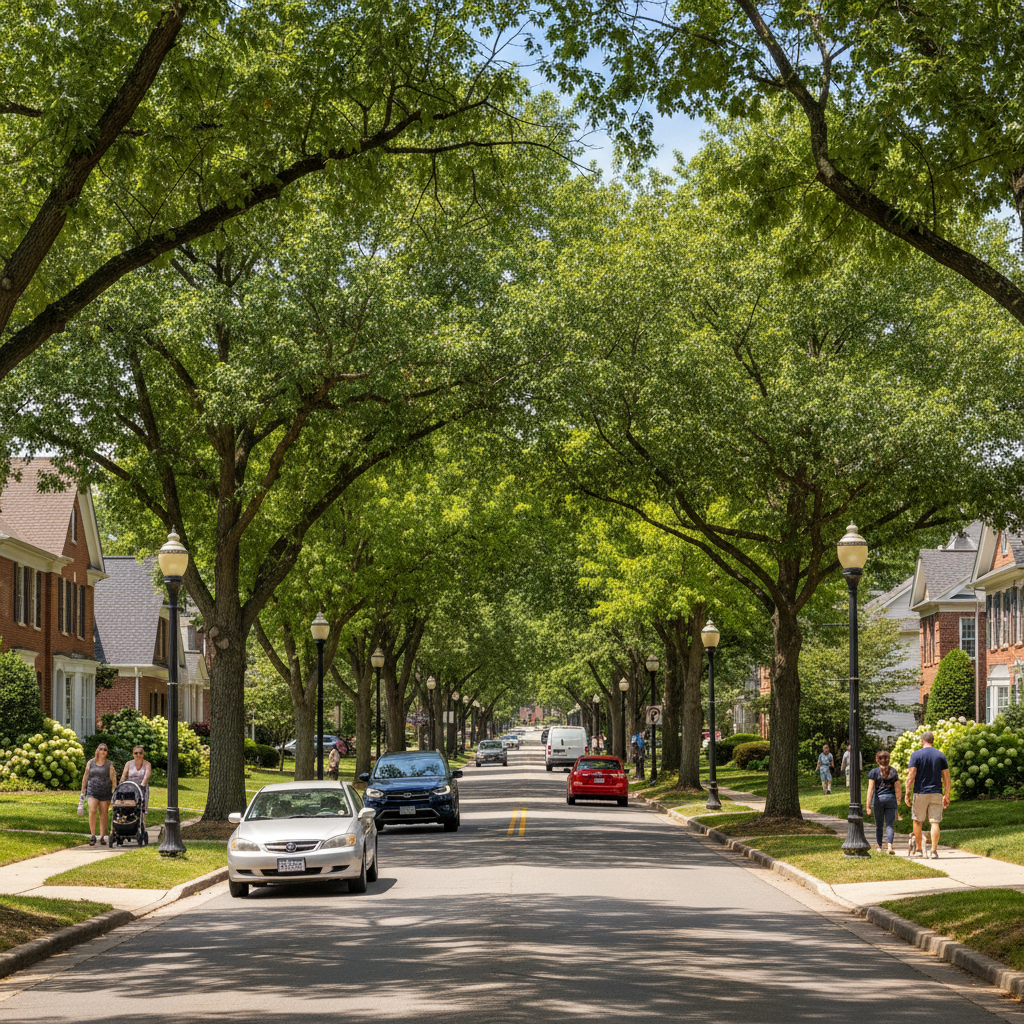
Collectors 'collect' traffic from local streets and distribute it to arterials. They provide a balance between access and mobility. Speeds are moderate, and they serve shorter trips within a region.
Local Roads
The base of the network. Local roads provide direct access to land and property. They are designed for low speeds and short distances. Through-traffic is generally discouraged on these routes.
The road itself is the physical facility which allows the vehicle to travel... its function determines its design.
AASHTO Green Book
Urban vs. Rural Context
Functional classes exist in both urban and rural settings, but design differs.
Rural Arterials: High speed, often two lanes, connects cities.
Urban Arterials: Multi-lane, managed signalization, connects business districts.
Population density dictates the necessary capacity for each class.
US Public Road Length Distribution
Local roads make up the vast majority of physical infrastructure mileage, while arterials constitute a small fraction of the total length.
Vehicle Miles Traveled (VMT)
Despite representing the smallest percentage of road mileage, arterial roads and interstates carry nearly half of all vehicle traffic. This inverse relationship highlights the efficiency of hierarchical networks.
Summary & Key Takeaways
Road classification balances the competing needs of mobility (speed) and access (entry).
The hierarchy moves from Locals (Access) → Collectors → Arterials (Mobility).
Proper classification ensures funding is directed to the right maintenance and expansion projects.
Understanding this system is critical for effective urban planning and traffic engineering.
- road-classification
- urban-planning
- traffic-engineering
- civil-engineering
- infrastructure
- transportation-planning