
Made byBobr AI

Blood and Immunity: The Human Defense System Explained

Explore how the immune system protects the body through blood components, innate vs. adaptive immunity, and the process of phagocytosis.

#immunology#human-biology#immune-system#leukocytes#innate-immunity#adaptive-immunity#blood-cells#science
Watch
Pitch

Human Biology: Blood Immune System

Understanding the Science of Immunity and Protection

Made byBobr AI

Introduction to Immunology

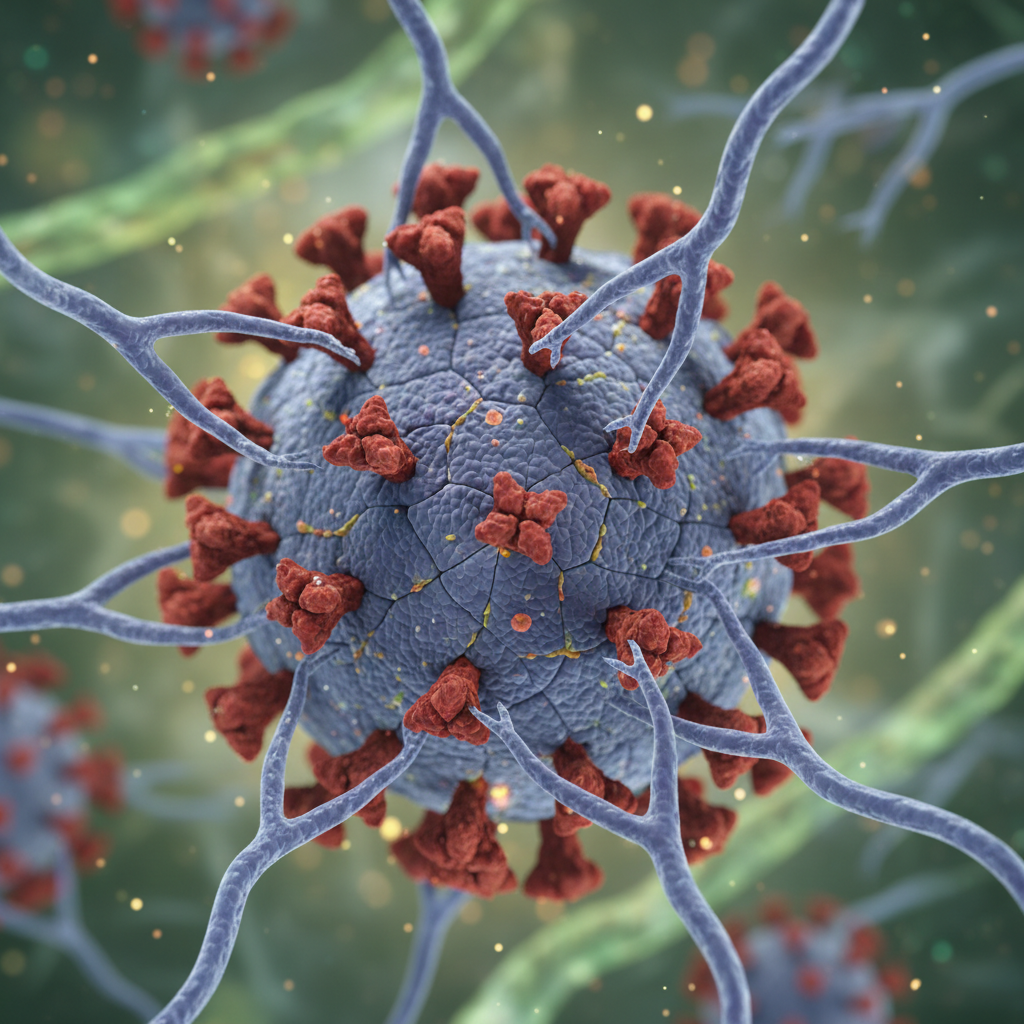
Immunology is the science of immunity, dealing with the physiological functioning of the immune system in states of both health and disease. As highlighted in the source material, it focus on 'How we are Protected' against external pathogens and internal threats through biological defense mechanisms.

Made byBobr AI

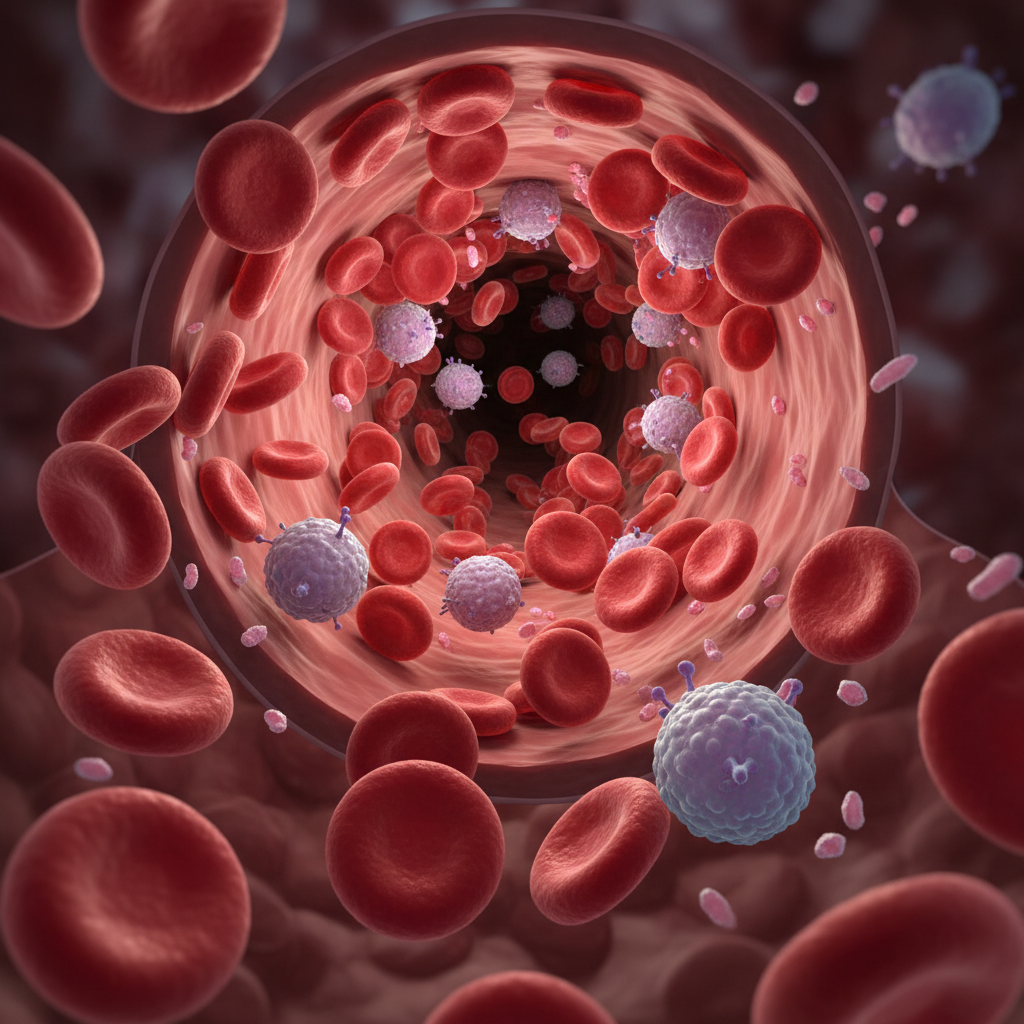
Components of Blood

  • Plasma: The liquid component comprising about 55% of blood volume.
  • Red Blood Cells (Erythrocytes): Responsible for carrying oxygen.
  • White Blood Cells (Leukocytes): The core of the immune system defense.
  • Platelets (Thrombocytes): Crucial for blood clotting and wound repair.
Made byBobr AI

White Blood Cell Differential Count

A healthy immune system relies on the balance of different Leukocytes. Neutrophils are the most abundant, acting as first responders, while Lymphocytes are key for adaptive immunity.

Chart
Made byBobr AI

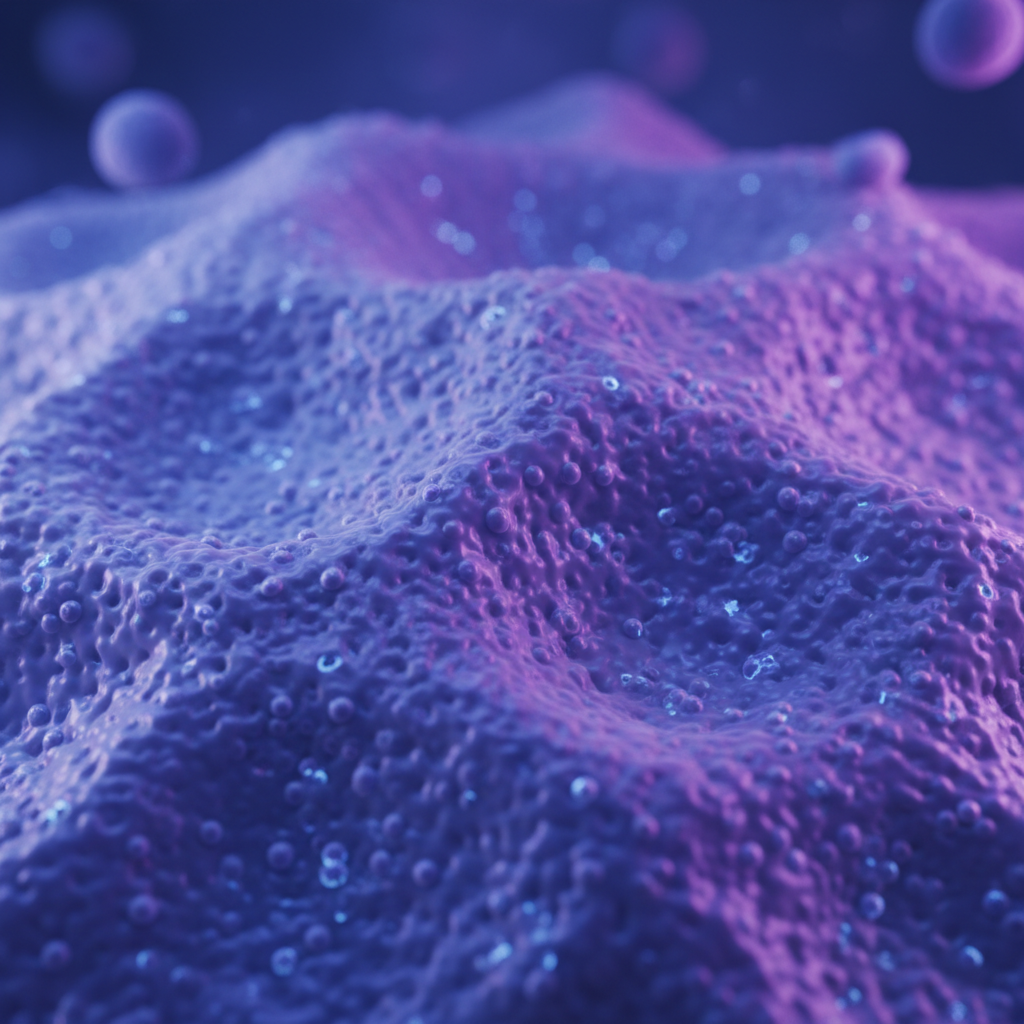
The Leukocyte: Guardian of the Bloodstream

Made byBobr AI

Innate Immunity

Innate immunity is the first line of defense. It acts non-specifically against all pathogens immediately upon exposure. This system includes physical barriers like skin and mucous membranes, as well as general immune cells that attack invaders indiscriminately.

Made byBobr AI

Adaptive Immunity

Adaptive immunity provides specific protection. It involves specialized B-cells and T-cells that identify specific antigens. This system creates 'Immunological Memory', allowing the body to respond faster and stronger to re-infection.

Made byBobr AI

Response Timing: Innate vs Adaptive

The innate system responds immediately (0-12 hours), while the adaptive system takes days to fully activate but produces high levels of specific antibodies.

Chart
Made byBobr AI

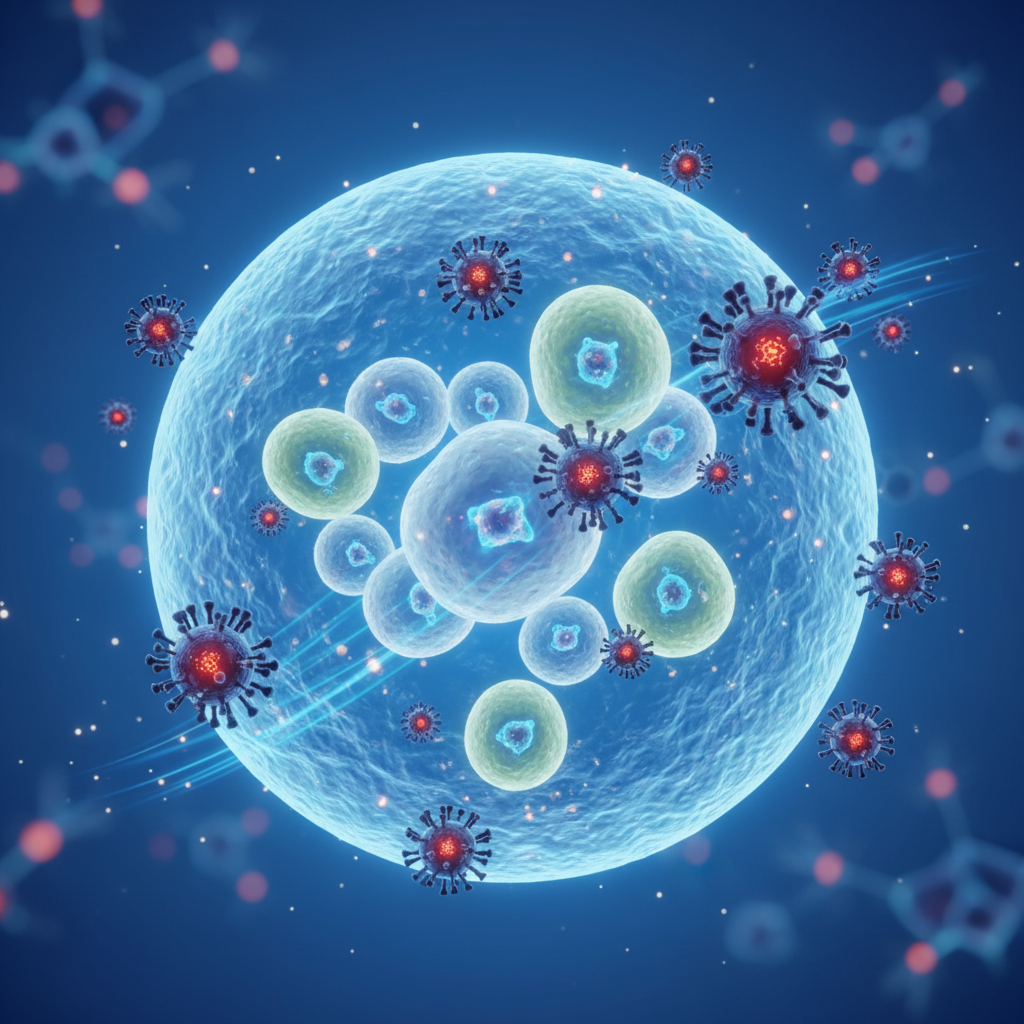
Phagocytosis

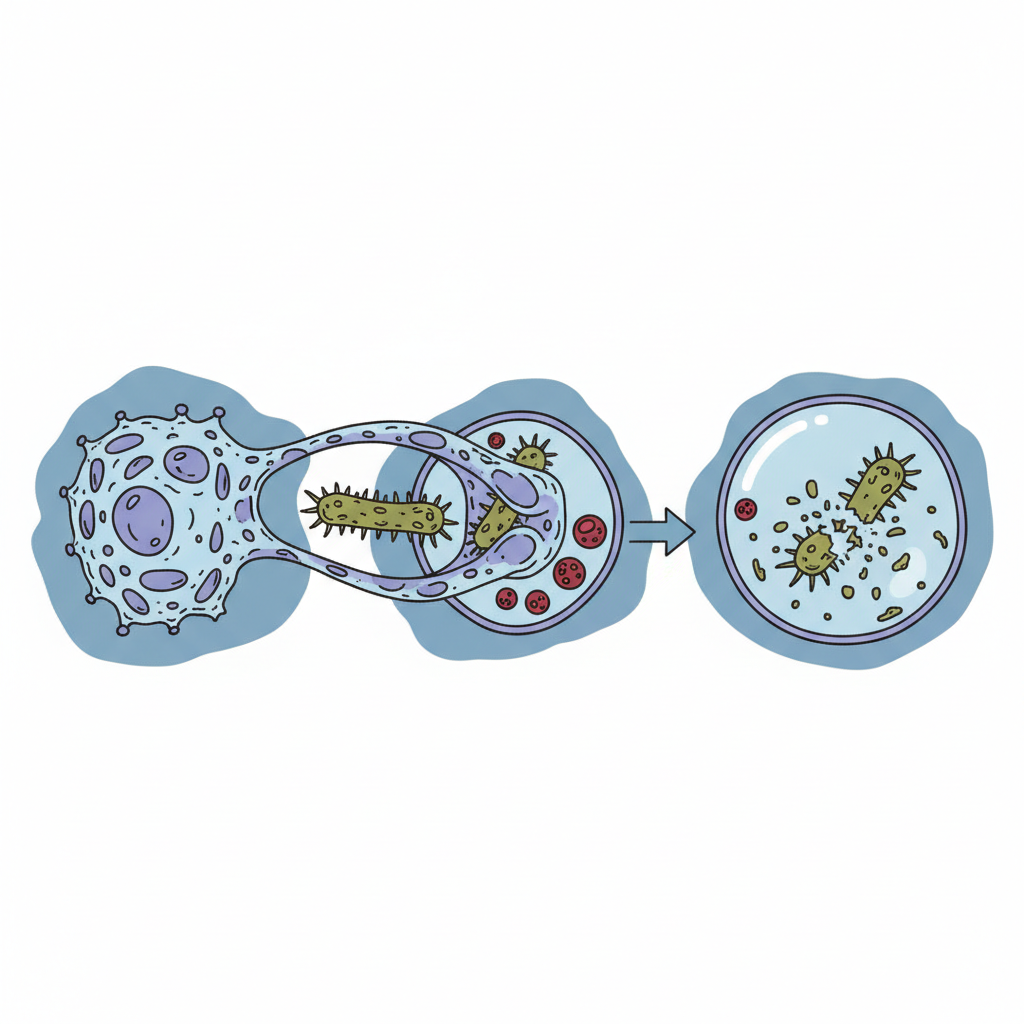
Phagocytosis is a critical process where cells like Macrophages and Neutrophils engulf and digest harmful pathogens. The phagocyte binds to the microbe, envelops it in a vesicle (phagosome), and fuses it with a lysosome to destroy it.

Made byBobr AI

"The immune system is a complex network of cells and proteins that defends the body against infection. It keeps a record of every germ it has ever defeated so it can recognize and destroy the microbe quickly if it enters the body again."

- Dr. T.V. Rao MD

Made byBobr AI
Bobr AI

DESIGNER-MADE
PRESENTATION,
GENERATED FROM
YOUR PROMPT

Create your own professional slide deck with real images, data charts, and unique design in under a minute.

Generate For Free

Blood and Immunity: The Human Defense System Explained

Explore how the immune system protects the body through blood components, innate vs. adaptive immunity, and the process of phagocytosis.

Human Biology: Blood Immune System

Understanding the Science of Immunity and Protection

Introduction to Immunology

Immunology is the science of immunity, dealing with the physiological functioning of the immune system in states of both health and disease. As highlighted in the source material, it focus on 'How we are Protected' against external pathogens and internal threats through biological defense mechanisms.

Components of Blood

Plasma: The liquid component comprising about 55% of blood volume.

Red Blood Cells (Erythrocytes): Responsible for carrying oxygen.

White Blood Cells (Leukocytes): The core of the immune system defense.

Platelets (Thrombocytes): Crucial for blood clotting and wound repair.

White Blood Cell Differential Count

A healthy immune system relies on the balance of different Leukocytes. Neutrophils are the most abundant, acting as first responders, while Lymphocytes are key for adaptive immunity.

The Leukocyte: Guardian of the Bloodstream

Innate Immunity

Innate immunity is the first line of defense. It acts non-specifically against all pathogens immediately upon exposure. This system includes physical barriers like skin and mucous membranes, as well as general immune cells that attack invaders indiscriminately.

Adaptive Immunity

Adaptive immunity provides specific protection. It involves specialized B-cells and T-cells that identify specific antigens. This system creates 'Immunological Memory', allowing the body to respond faster and stronger to re-infection.

Response Timing: Innate vs Adaptive

The innate system responds immediately (0-12 hours), while the adaptive system takes days to fully activate but produces high levels of specific antibodies.

Phagocytosis

Phagocytosis is a critical process where cells like Macrophages and Neutrophils engulf and digest harmful pathogens. The phagocyte binds to the microbe, envelops it in a vesicle (phagosome), and fuses it with a lysosome to destroy it.

The immune system is a complex network of cells and proteins that defends the body against infection. It keeps a record of every germ it has ever defeated so it can recognize and destroy the microbe quickly if it enters the body again.

Dr. T.V. Rao MD

  • immunology
  • human-biology
  • immune-system
  • leukocytes
  • innate-immunity
  • adaptive-immunity
  • blood-cells
  • science