
Human Blood and Immune System: Hematology & Immunology Guide
Explore the composition of whole blood, the role of red and white blood cells, and the mechanisms of innate vs. adaptive immunity in this educational guide.
Guardians Within: Blood & The Immune System
An exploration of human hematology and our biological defense mechanisms.
Composition of Whole Blood
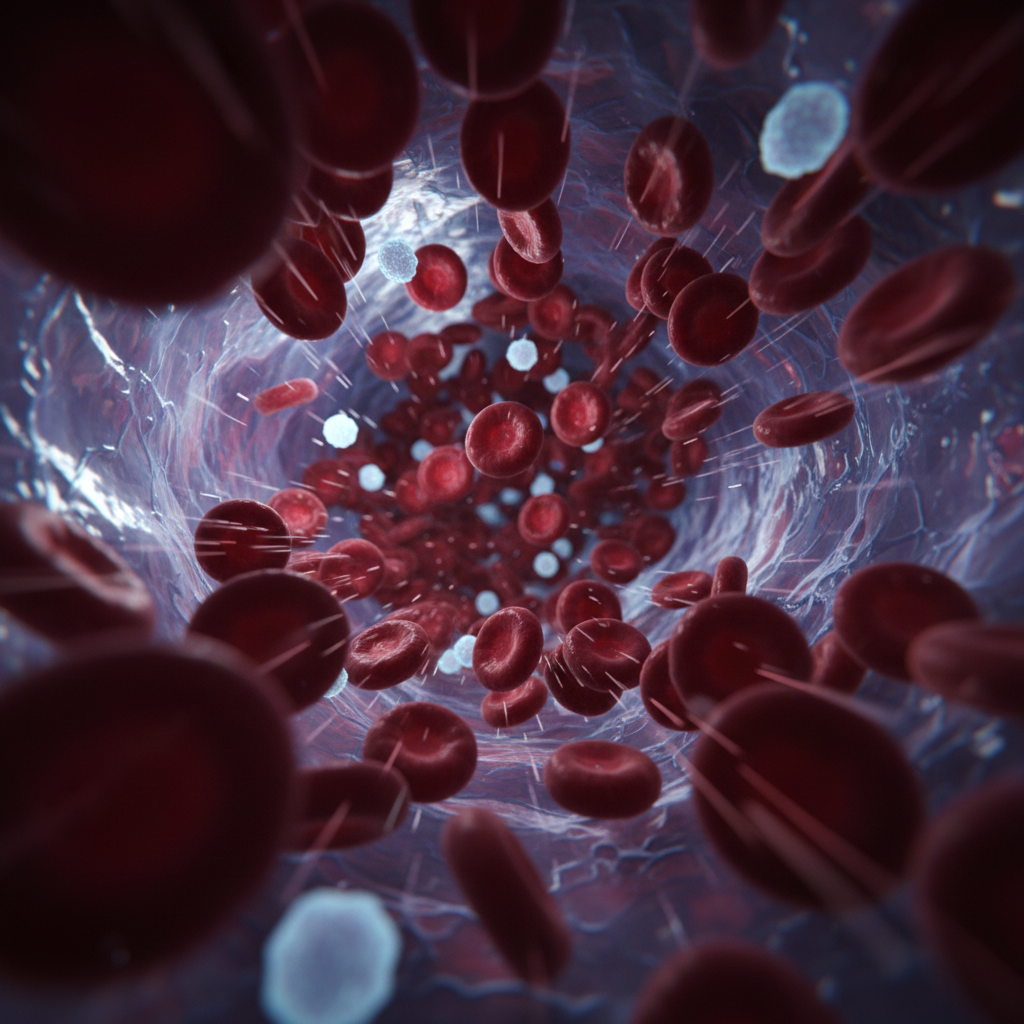
Plasma (55%): The liquid component containing water, proteins, and dissolved solutes.
Red Blood Cells / Erythrocytes (45%): Responsible for oxygen transport via hemoglobin.
Buffy Coat (<1%): Contains Leukocytes (White Blood Cells) and Platelets.
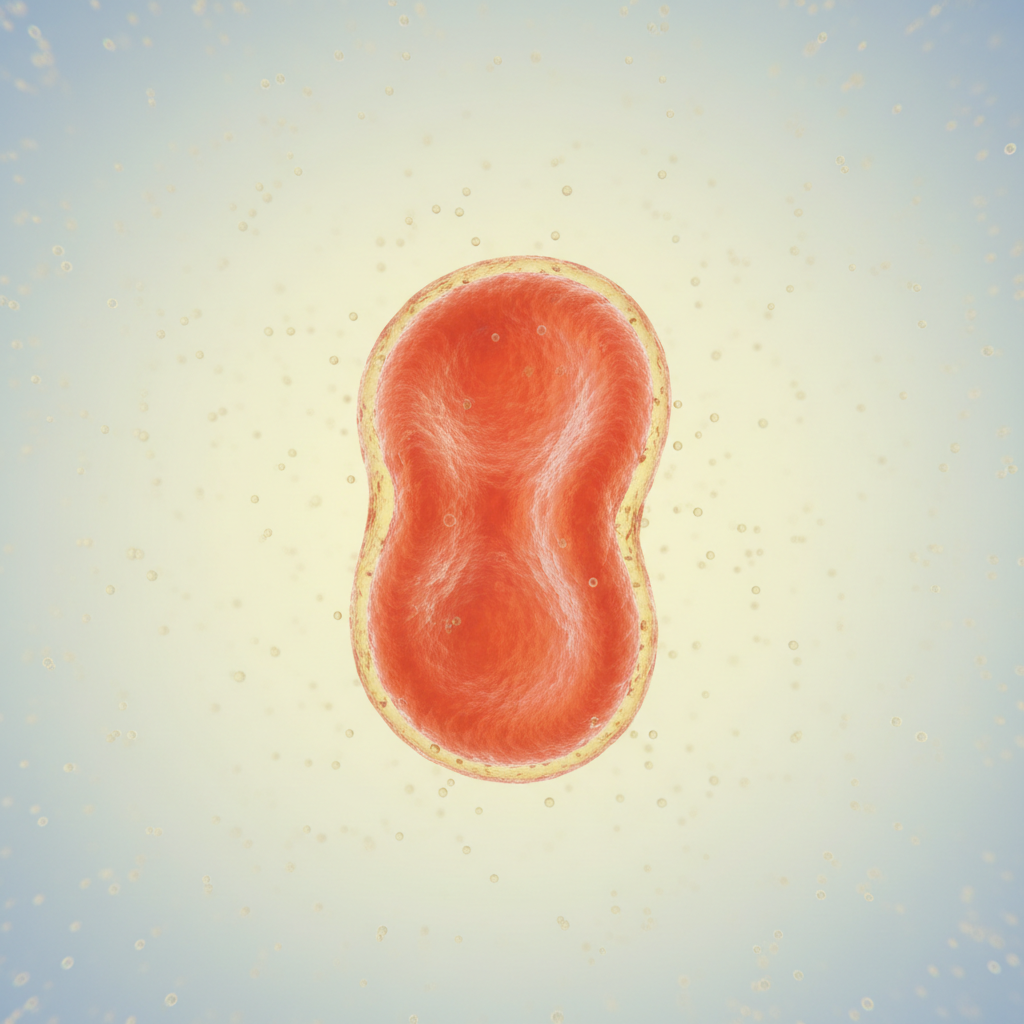
The Erythrocyte: Oxygen Courier
Red blood cells are unique biological engineering marvels. Lacking a nucleus to maximize space for hemoglobin, their biconcave shape increases surface area for efficient gas exchange. They live for approximately 120 days before being recycled by the spleen.
White Blood Cell Distribution
The differential count helps diagnose infections. Neutrophils act as the first line of defense against bacteria, while Lymphocytes are key to adaptive immunity.
Introduction to Immunology
The Science of Immunity: How We Are Protected
Immunology helps us understand how our bodies defend against invasion. It is the study of the immune system—network of cells, tissues, and organs that work together to protect the body from infection.
How The Immune System Functions
Recognition of Danger
The system must distinguish between 'self' (body's own cells) and 'non-self' (invaders like bacteria, viruses, and toxins).
Effector Response
Once a threat is identified, the immune system mobilizes cells and molecules to neutralize or destroy the pathogen.
Immune Regulation
Checks and balances prevent the system from overreacting and damaging healthy tissues (avoiding allergies and autoimmunity).
Immunological Memory
Adaptive immunity 'remembers' specific pathogens, allowing for a faster and stronger response upon re-exposure.
Innate Immunity: The First Line of Defense
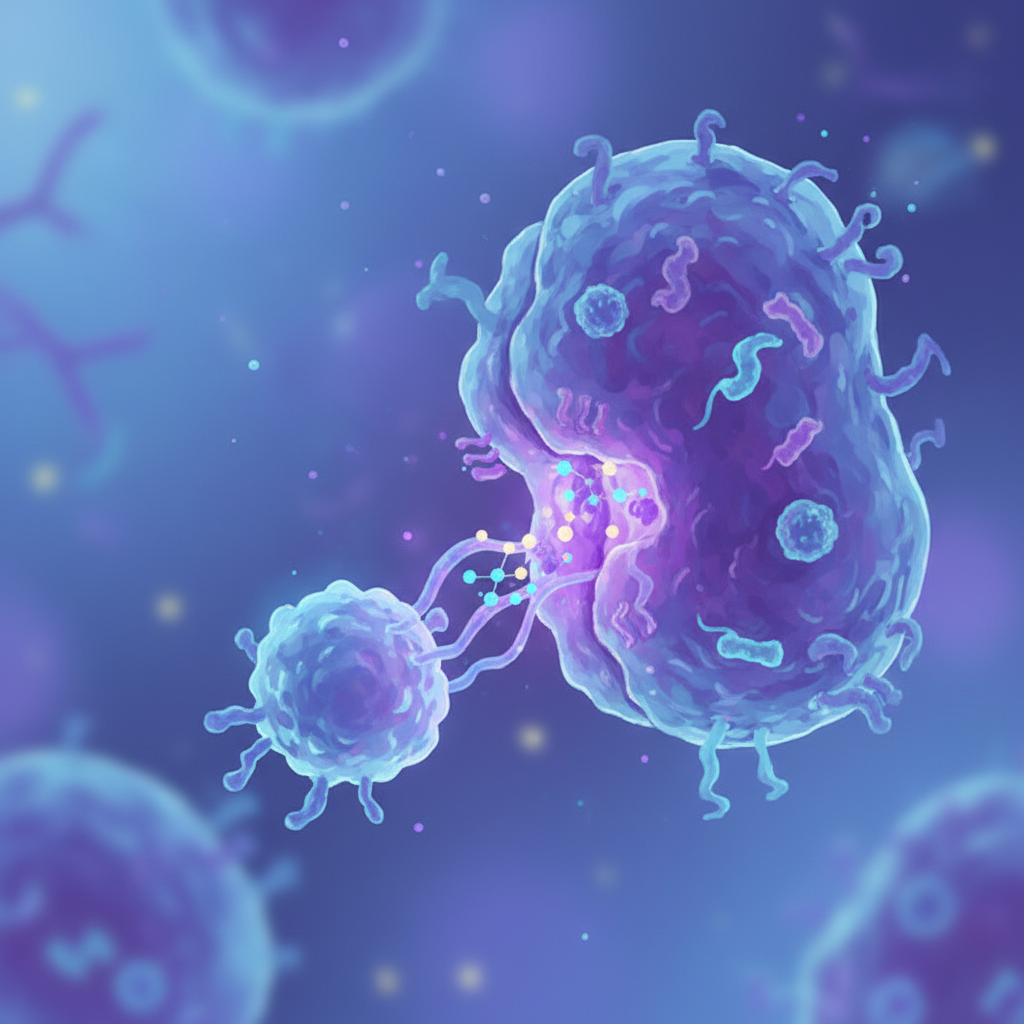
The innate immune system is non-specific and acts immediately. It includes physical barriers like skin, chemical barriers like stomach acid, and cellular responders such as phagocytes (macrophages and neutrophils) that engulf and destroy pathogens.
Adaptive Immunity: Specialized Forces
Unlike the innate system, adaptive immunity is specific. It relies on T-Cells and B-Cells to recognize unique antigens found on pathogens. This system creates immunological memory, allowing the body to respond faster to future infections.
Antibodies: The Molecular Tags
Produced by B-cells, antibodies are Y-shaped proteins that latch precisely onto specific antigens like a lock and key. They neutralize pathogens directly or 'tag' them for destruction by other immune cells.
Hemostasis is the unsung hero of survival—a complex cascade transforming liquid blood into a solid seal within moments of injury.
Mechanism of Platelets & Clotting Factors
Cellular Lifespan in the Blood
The turnover of blood cells is immense. While RBCs endure for four months due to their simple structure, immune cells like neutrophils burn out quickly in the harsh environment of active defense.
The Vital Network
Our blood and immune systems work tirelessly to transport life and fight death, every second of every day.
- hematology
- immunology
- white-blood-cells
- antibodies
- innate-immunity
- biology-education
- medical-science