

Made byBobr AI

Understanding Methemoglobinemia: Causes and Treatments

Learn about methemoglobinemia pathophysiology, diagnosis via the saturation gap, and treatments like methylene blue in this medical overview.

#methemoglobinemia#pathophysiology#methylene-blue#hematology#medical-education#cyanosis#blood-disorder
Watch
Pitch

Methemoglobinemia

Pathophysiology, Clinical Presentation, and Management

Medical Overview Series
Made byBobr AI

Definition & Overview

Methemoglobinemia is a blood disorder in which an abnormal amount of methemoglobin is produced. Hemoglobin is the protein in red blood cells that carries and distributes oxygen to the body.

In this condition, the hemoglobin can carry oxygen but is unable to release it effectively to body tissues.

Made byBobr AI

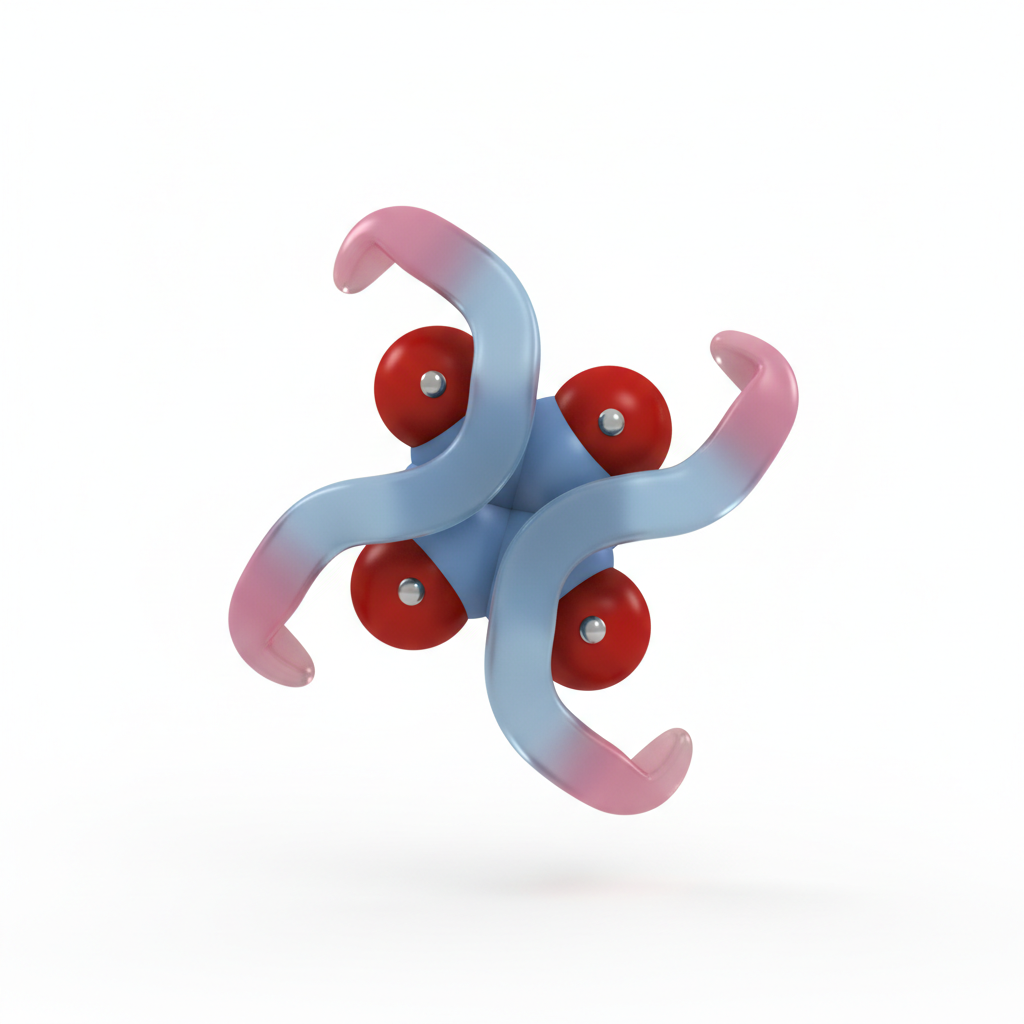
Pathophysiology: The Iron State

  • Normal Hemoglobin contains iron in the reduced Ferrous (Fe2+) state.
  • Methemoglobin contains iron in the oxidized Ferric (Fe3+) state.
  • Fe3+ creates a tight bind with oxygen, shifting the dissociation curve to the left.
  • Result: Tissue hypoxia despite adequate blood oxygen saturation.
Made byBobr AI

Acquired Causes

Acquired Methemoglobinemia is far more common than congenital forms. It is typically caused by exposure to oxidizing agents:

  • Medications: Benzocaine (local anesthetic sprays), Dapsone, Sulfonamides, Nitroglycerin.
  • Environmental: Nitrates (often found in contaminated well water), Anilin dyes, Naphthalene (mothballs).
Made byBobr AI

Clinical Correlation: MetHb Level vs Symptoms

Chart
Clinical presentation correlates directly with the percentage of Methemoglobin. At low levels (<15%), patients may be asymptomatic but appear cyanotic. As levels rise, tissue hypoxia causes dyspnea, confusion, seizures, and eventually death.
Made byBobr AI

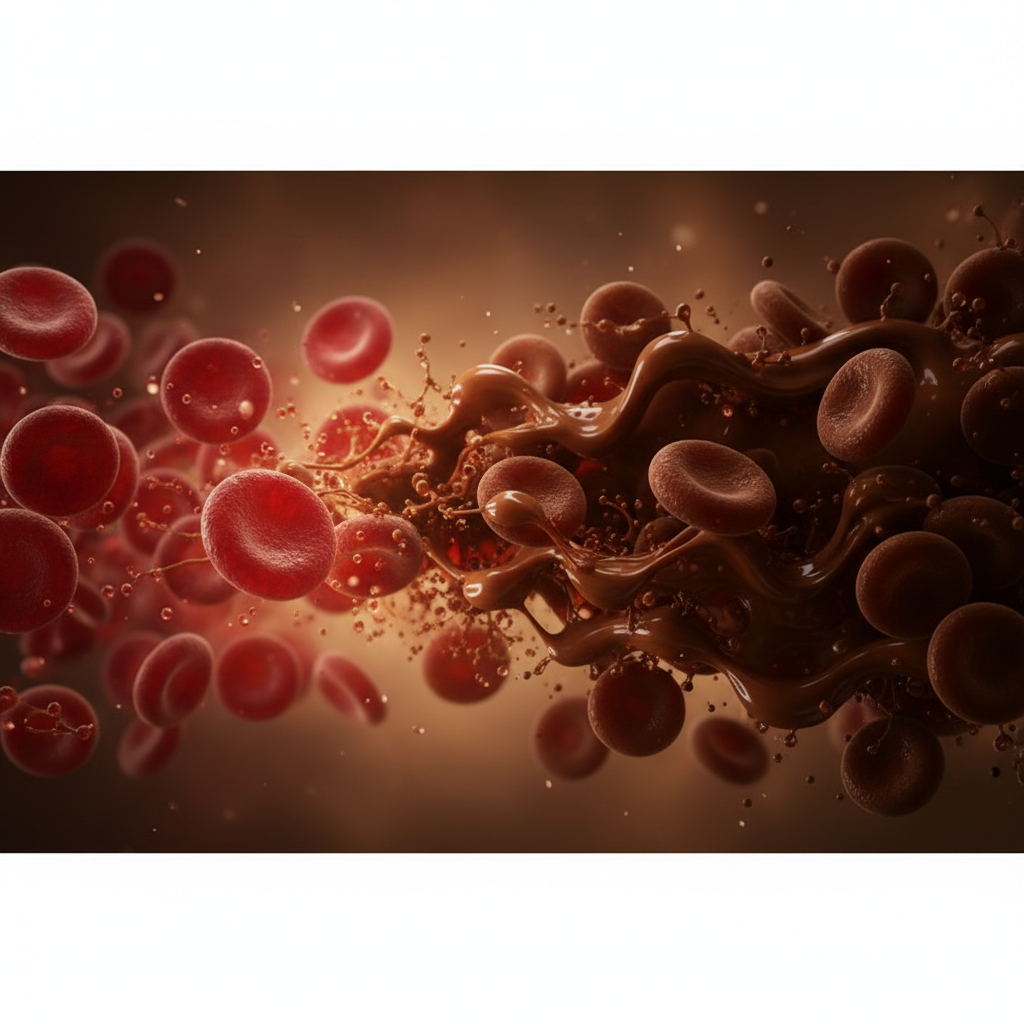
"Chocolate Cyanosis"

Classic Clinical Sign

Blood drawn from a patient with significant methemoglobinemia appears chocolate-brown and does not redden upon exposure to room air.

Made byBobr AI

Diagnosis: The Saturation Gap

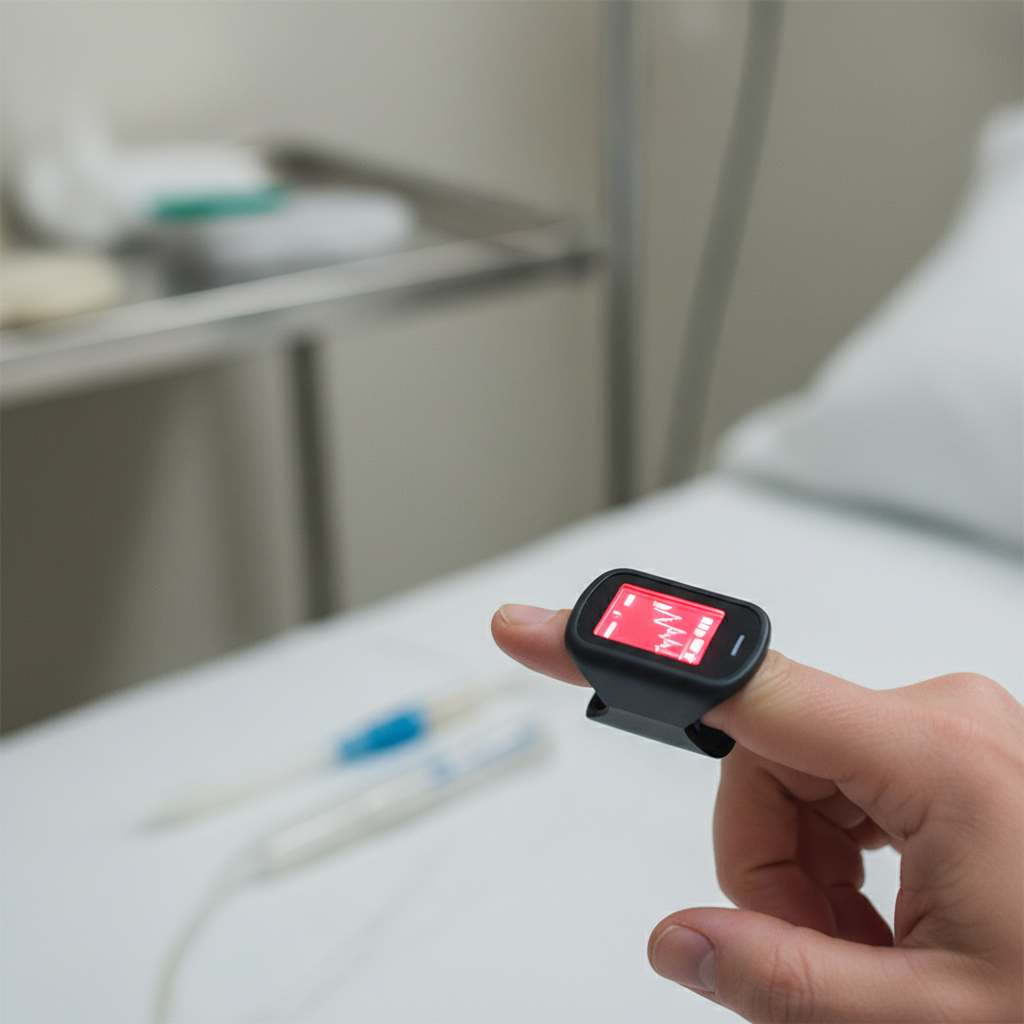
Standard Pulse Oximetry (SpO2) is unreliable. It only measures light absorption at two wavelengths (660nm and 940nm). Methemoglobin absorbs light equally at both.

The Result: SpO2 falsely plateaus around 85%, regardless of the true oxygen saturation.

The Solution: Co-oximetry is required to distinguish methemoglobin from oxyhemoglobin.

Made byBobr AI

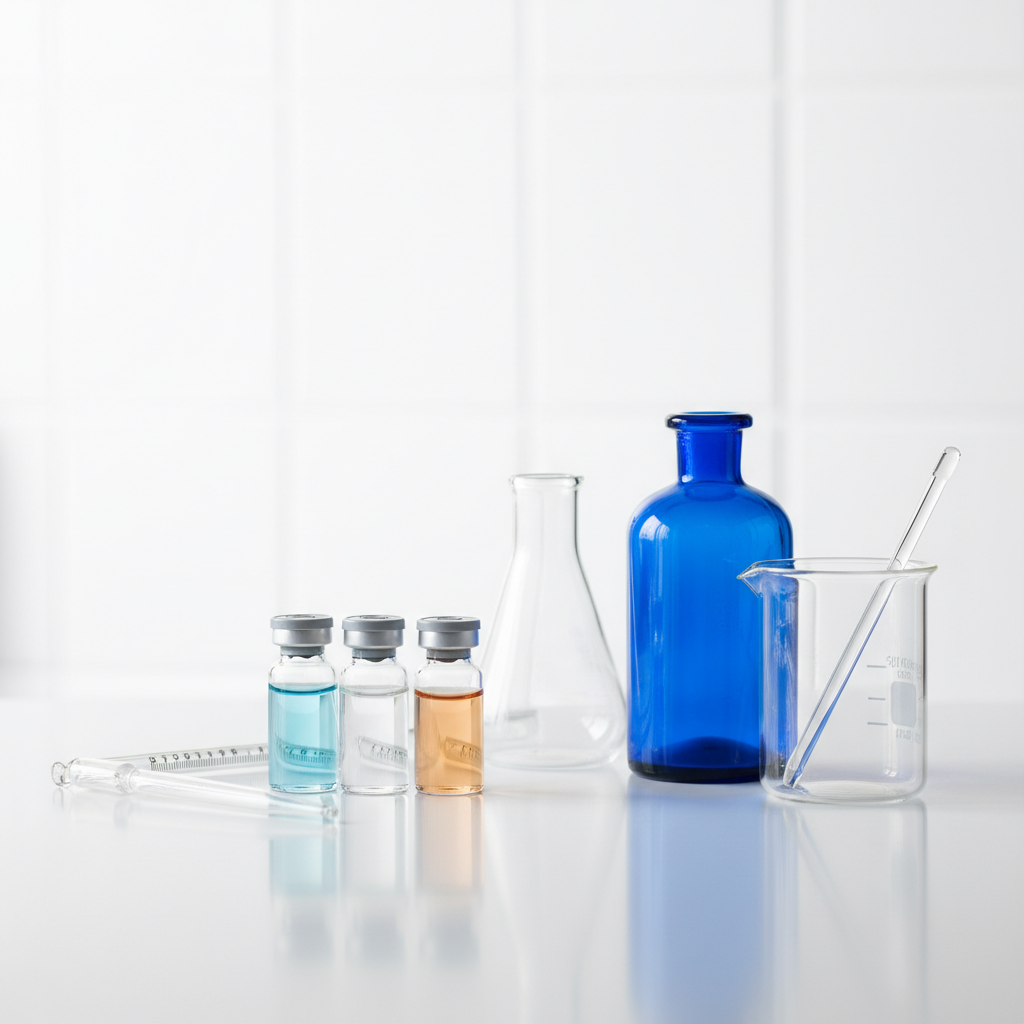
Primary Treatment: Methylene Blue

Dosage: 1-2 mg/kg IV over 5 minutes.

Mechanism of action: Methylene blue acts as a cofactor for the enzyme NADPH-MetHb reductase. It uses NADPH to reduce itself to leukomethylene blue, which in turn reduces methemoglobin (Fe3+) back to hemoglobin (Fe2+).

Response: Typically rapid response within 30-60 minutes.
Made byBobr AI

Contraindications & Alternatives

G6PD Deficiency: Methylene blue is ineffective and dangerous; it requires NADPH (produced by G6PD) and can induce severe hemolysis.
Alternative: Vitamin C (Ascorbic Acid): Used if Methylene Blue is contraindicated. Dose: 1.5-2g IV. Note: Much slower action.
Exchange Transfusion: Reserved for severe unresponsive cases or massive hemolysis.
Hyperbaric Oxygen: Increases dissolved oxygen in plasma to sustain life significantly.
Made byBobr AI

Summary & Prognosis

Methemoglobinemia is a potentially life-threatening but treatable condition. Recognition of the "Saturation Gap" (Low SpO2 on Pulse Ox vs Normal PaO2 on ABG) is the key diagnostic clue.

With prompt administration of Methylene Blue and removal of the offending agent, the prognosis is excellent for most acquired cases.

Made byBobr AI
Bobr AI

DESIGNER-MADE
PRESENTATION,
GENERATED FROM
YOUR PROMPT

Create your own professional slide deck with real images, data charts, and unique design in under a minute.

Generate For Free

Understanding Methemoglobinemia: Causes and Treatments

Learn about methemoglobinemia pathophysiology, diagnosis via the saturation gap, and treatments like methylene blue in this medical overview.

Methemoglobinemia

Pathophysiology, Clinical Presentation, and Management

Definition & Overview

Methemoglobinemia is a blood disorder in which an abnormal amount of methemoglobin is produced. Hemoglobin is the protein in red blood cells that carries and distributes oxygen to the body. <br><br>In this condition, the hemoglobin can carry oxygen but is <b>unable to release it effectively</b> to body tissues.

Pathophysiology: The Iron State

Normal Hemoglobin contains iron in the reduced <b>Ferrous (Fe2+)</b> state.

Methemoglobin contains iron in the oxidized <b>Ferric (Fe3+)</b> state.

Fe3+ creates a tight bind with oxygen, shifting the dissociation curve to the left.

Result: Tissue hypoxia despite adequate blood oxygen saturation.

Acquired Causes

Acquired Methemoglobinemia is far more common than congenital forms. It is typically caused by exposure to oxidizing agents:<br><br><ul><li><b>Medications:</b> Benzocaine (local anesthetic sprays), Dapsone, Sulfonamides, Nitroglycerin.</li><li><b>Environmental:</b> Nitrates (often found in contaminated well water), Anilin dyes, Naphthalene (mothballs).</li></ul>

Clinical Correlation: MetHb Level vs Symptoms

Clinical presentation correlates directly with the percentage of Methemoglobin. At low levels (<15%), patients may be asymptomatic but appear cyanotic. As levels rise, tissue hypoxia causes dyspnea, confusion, seizures, and eventually death.

"Chocolate Cyanosis"

Classic Clinical Sign

Blood drawn from a patient with significant methemoglobinemia appears chocolate-brown and does not redden upon exposure to room air.

Diagnosis: The Saturation Gap

Standard Pulse Oximetry (SpO2) is unreliable. It only measures light absorption at two wavelengths (660nm and 940nm). Methemoglobin absorbs light equally at both.<br><br><b>The Result:</b> SpO2 falsely plateaus around 85%, regardless of the true oxygen saturation.<br><br><b>The Solution:</b> Co-oximetry is required to distinguish methemoglobin from oxyhemoglobin.

Primary Treatment: Methylene Blue

<b>Dosage:</b> 1-2 mg/kg IV over 5 minutes.<br><br><b>Mechanism of action:</b> Methylene blue acts as a cofactor for the enzyme NADPH-MetHb reductase. It uses NADPH to reduce itself to leukomethylene blue, which in turn reduces methemoglobin (Fe3+) back to hemoglobin (Fe2+).<br><br><b>Response:</b> Typically rapid response within 30-60 minutes.

Contraindications & Alternatives

<b>G6PD Deficiency:</b> Methylene blue is ineffective and dangerous; it requires NADPH (produced by G6PD) and can induce severe hemolysis.

<b>Alternative: Vitamin C (Ascorbic Acid):</b> Used if Methylene Blue is contraindicated. Dose: 1.5-2g IV. Note: Much slower action.

<b>Exchange Transfusion:</b> Reserved for severe unresponsive cases or massive hemolysis.

<b>Hyperbaric Oxygen:</b> Increases dissolved oxygen in plasma to sustain life significantly.

Summary & Prognosis

Methemoglobinemia is a potentially life-threatening but treatable condition. Recognition of the "Saturation Gap" (Low SpO2 on Pulse Ox vs Normal PaO2 on ABG) is the key diagnostic clue.<br><br>With prompt administration of Methylene Blue and removal of the offending agent, the prognosis is excellent for most acquired cases.

  • methemoglobinemia
  • pathophysiology
  • methylene-blue
  • hematology
  • medical-education
  • cyanosis
  • blood-disorder