



Contraception Methods & Importance: Class 12 Biology Project
Explore a comprehensive guide on contraception methods, reproductive health, and family planning statistics in India for Class 12 students.
Contraception: Methods & Importance
Class 12 Biology Project | Reproductive Health | Session 2025 - 2026
Presented by: Bharat Giri Class: 12th B
Acknowledgement
I would like to express my special thanks of gratitude to my Biology teacher as well as our principal who gave me the golden opportunity to do this wonderful project on the topic 'Contraception'. Their guidance was indispensable for the successful completion of this assignment.<br><br>I am also highly indebted to my parents and friends for their constant encouragement and help in gathering the necessary information and resources. Their support enabled me to finalize this project within the limited time frame efficiently.
This is to certify that Bharat Giri, a student of Class 12th B, has successfully completed the Biology project on "Contraception" under the guidance of the Biology Faculty during the academic year 2025 - 2026. This project is a genuine work of his research and understanding of the Reproductive Health chapter.
Teacher's Signature ___________________ Principal's Signature ___________________
Index
Introduction: The Need for Reproductive Health
Natural & Barrier Methods of Contraception
Intrauterine Devices (IUDs) & Oral Contraceptives
Surgical Methods (Vasectomy & Tubectomy)
Effectiveness & Usage Statistics (India)
Government Initiatives & Family Planning Programs
Medical Termination of Pregnancy (MTP)
The Problem: Why Contraception?
Contraception (birth control) prevents pregnancy by interfering with the normal process of ovulation, fertilization, and implantation.<br><br><b>Key Issues addressed:</b><br>• <b>Population Explosion:</b> India has over 1.4 Billion people.<br>• <b>Maternal Health:</b> Prevents high-risk pregnancies.<br>• <b>Prevention of STIs:</b> Barrier methods protect against infections like HIV/AIDS.<br>• <b>Family Planning:</b> Empowers families to space children.
The Solution: Methods of Contraception
<b>Natural Methods:</b> Involves avoiding chances of ovum and sperms meeting. Includes Periodic Abstinence, Coitus Interruptus, and Lactational Amenorrhea.
<b>Barrier Methods:</b> Physical barriers that prevent sperm from reaching the ovum. Examples: Condoms, Diaphragms, and Vaults. (Condoms also prevent STIs).
<b>Intrauterine Devices (IUDs):</b> Devices inserted by doctors into the uterus (e.g., Copper-T, LNG-20). They increase phagocytosis of sperms.
<b>Oral Contraceptives:</b> Pills taken daily (e.g., Mala-D) or weekly (Saheli). They inhibit ovulation and implantation.
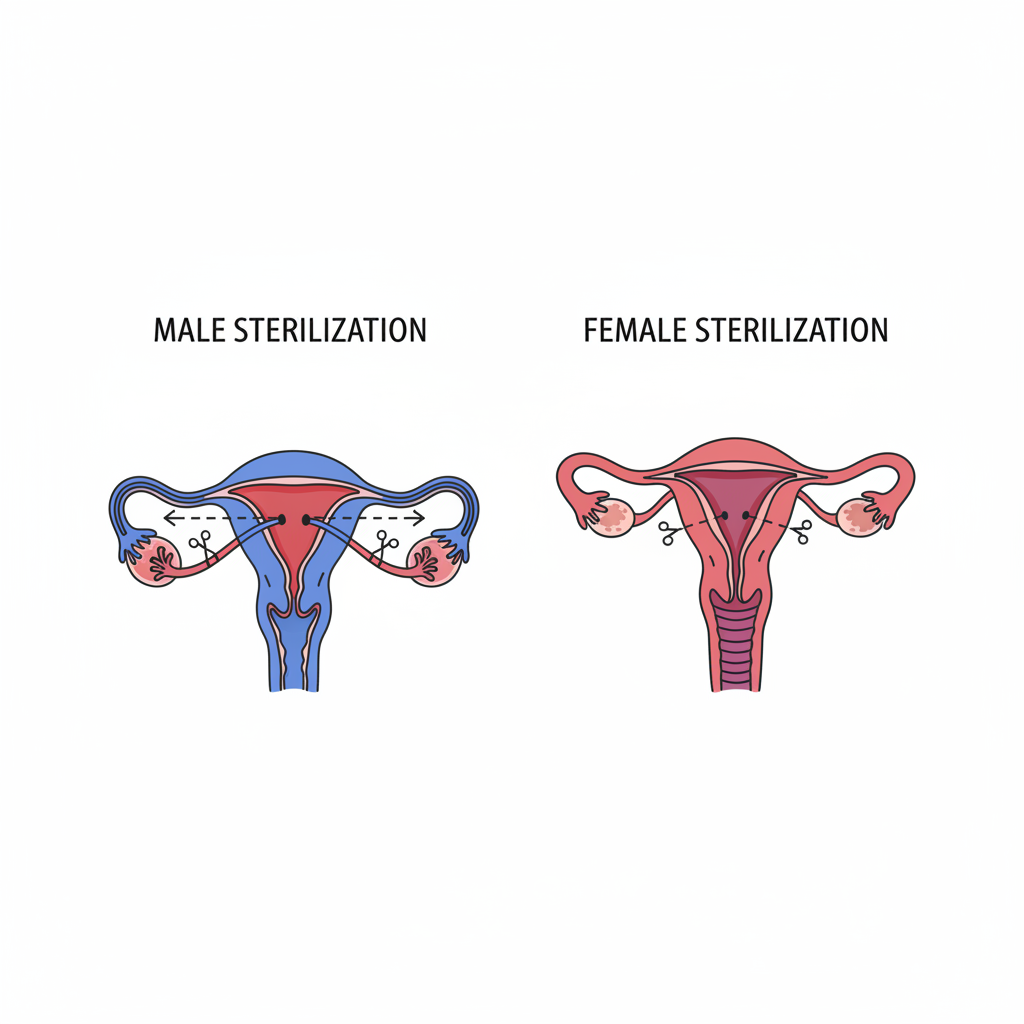
<b>Surgical Methods:</b> Terminal methods like Vasectomy (males) and Tubectomy (females) which block gamete transport.
Natural Methods
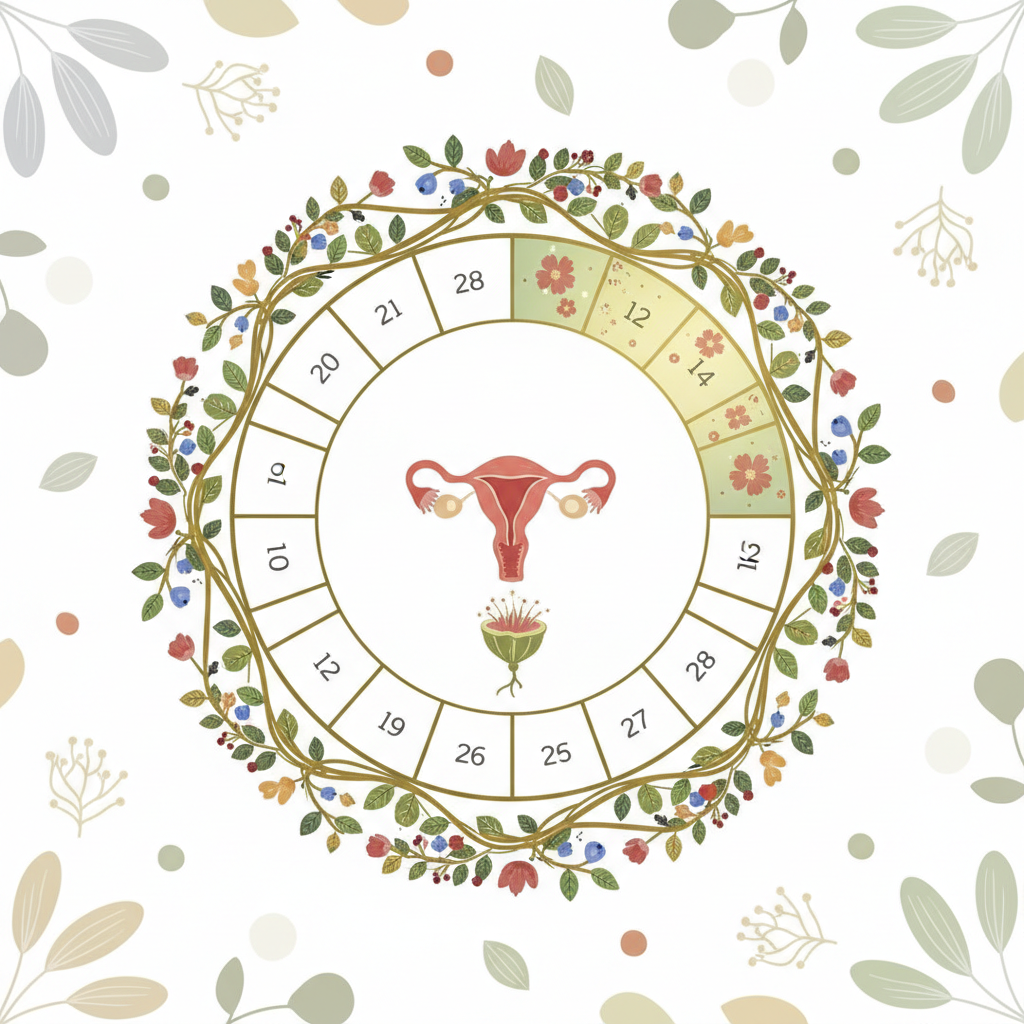
Natural methods work on the principle of avoiding chances of ovum and sperms meeting.<br><br><b>1. Periodic Abstinence:</b><br>Couples abstain from coitus from day 10 to 17 of the menstrual cycle when ovulation is expected (Fertile period).<br><br><b>2. Withdrawal (Coitus Interruptus):</b><br>Male partner withdraws his penis from the vagina just before ejaculation to insemination.<br><br><b>3. Lactational Amenorrhea:</b><br>Absence of menstruation during intense lactation following parturition. This method is effective only up to a maximum period of six months.
Barrier Methods
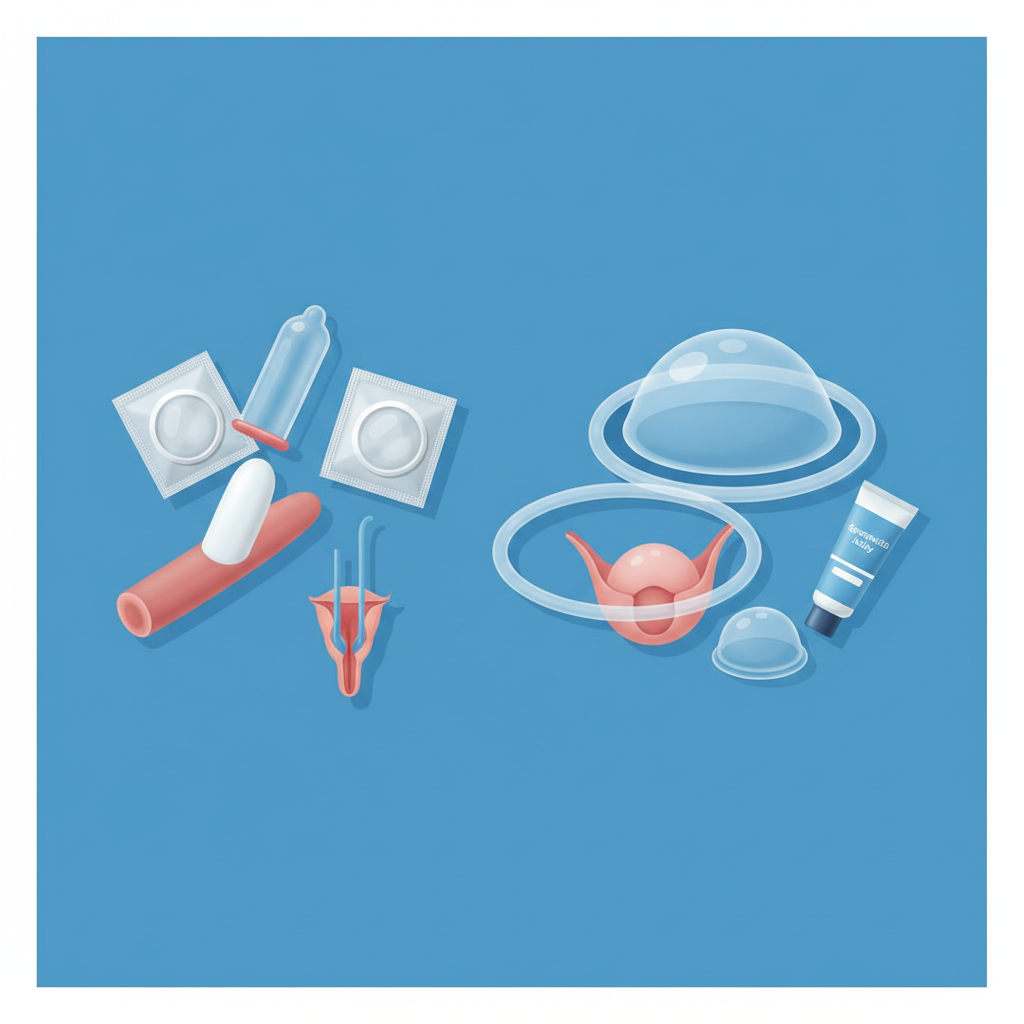
In barrier methods, ovum and sperms are prevented from physically meeting with the help of barriers.<br><br><b>1. Condoms (Male & Female):</b><br>Thin rubber/latex sheaths. They also protect the user from contracting STIs and AIDS. 'Nirodh' is a popular brand.<br><br><b>2. Diaphragms, Cervical Caps & Vaults:</b><br>Barriers made of rubber for the female reproductive tract to cover the cervix. They are reusable.<br><br><b>3. Spermicidal Creams:</b><br>Often used along with these barriers to increase their contraceptive efficiency.
Intrauterine Devices (IUDs)
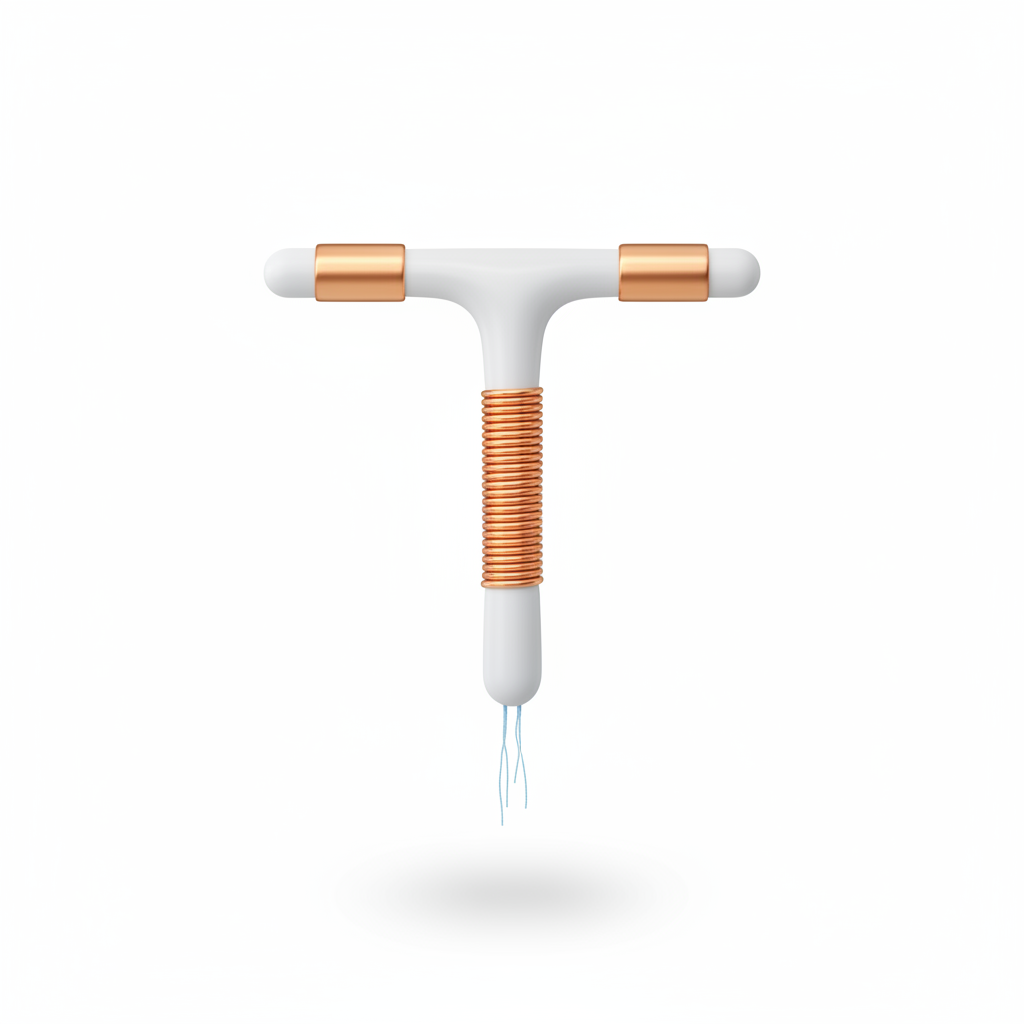
IUDs are one of the most effective methods of contraception available in India.<br><br><b>Mechanism:</b> Inserted into the uterus by doctors. They increase phagocytosis of sperm and suppress sperm motility.<br><b>Types:</b><br>- Non-medicated (Lippes Loop)<br>- Copper releasing (CuT, Multiload 375)<br>- Hormone releasing (Progestasert, LNG-20)<br><br><b>Effectiveness:</b> Over 99% effective for 3-10 years.
Oral Contraceptives (Pills)
Oral administration of small doses of either progestogens or progestogen-estrogen combinations is a contraceptive method used by females.<br><br><b>Mechanism:</b><br>• They inhibit ovulation and implantation.<br>• Alter the quality of cervical mucus to prevent sperm entry.<br><br><b>Types:</b><br>• <b>Daily Pills:</b> Taken daily for 21 days (e.g., Mala-D).<br>• <b>Weekly Pills:</b> 'Saheli' – a new oral contraceptive for females. It is a non-steroidal preparation with very few side effects and high contraceptive value.
Surgical Methods (Sterilization)
Surgical methods, also called sterilization, are generally advised for the male/female partner as a terminal method to prevent any more pregnancies.<br><br><b>1. Vasectomy (Males):</b><br>A small part of the vas deferens is removed or tied up through a small incision on the scrotum. This blocks gamete transport.<br><br><b>2. Tubectomy (Females):</b><br>A small part of the fallopian tube is removed or tied up through a small incision in the abdomen or through vagina.<br><br><i>Note: These methods are highly effective but their reversibility is very poor.</i>
Effectiveness Rates (Success per 100 Women)
While sterilization and IUDs offer near-perfect protection, user-dependent methods like pills and condoms have lower 'typical use' effectiveness due to human error.<br><br>Source: WHO Guidelines.
Market Data: Contraception Usage in India
<b>Research Data (NFHS-5):</b><br>• Female sterilization remains the most dominant method (38%).<br>• Modern reversible methods like Pills and IUDs have lower uptake compared to permanent methods.<br>• Significance: High statistic indicates need for better awareness of reversible options.
Government Initiatives & Awareness
Addressed the 'unmet need' for contraception requires a strategic multidimensional approach by the government:<br><br><b>1. National Family Welfare Program:</b><br>Launched in 1951, India was the first country to initiate a national program for family planning. The program focuses on maternal health, child survival, and population stabilization.<br><br><b>2. RCH Program:</b><br>The Reproductive and Child Health (RCH) program creates awareness about reproduction-related aspects and provides facilities for building a reproductively healthy society.<br><br><b>3. Promotional Campaigns:</b><br>Using media (Audio-visual & Print) to create awareness. Slogans like 'Hum Do Humare Do' have been effective in encouraging smaller families.
Medical Termination of Pregnancy (MTP)
Medical Termination of Pregnancy (MTP) constitutes the intentional or voluntary termination of pregnancy before full term.<br><br><b>Significance & Conditions:</b><br>• It is utilized to get rid of unwanted pregnancies due to casual unprotected intercourse or failure of contraceptive used.<br>• Essential in cases where continuation of pregnancy is harmful or fatal to the mother or fetus.<br><br><b>MTP Act (Amendment) 2017:</b><br>The Government of India legalized MTP in 1971. The 2017 amendment allows termination up to 24 weeks for certain categories of women, ensuring safe and legal abortion services to reduce maternal mortality.
"Reproductive health is not just about the absence of disease, but the ability to have a responsible and safe family life. Contraception is the key to that freedom."
Conclusion & Final Thought
Bibliography
NCERT Class 12 Biology Textbook - Chapter 4 (Reproductive Health).
World Health Organization (WHO) - Family Planning Facts 2023.
NFHS-5 (National Family Health Survey) Data Sheets.
Planned Parenthood Official Website.
Images courtesy: Canva Education Library.
- biology-project
- reproductive-health
- contraception-methods
- class-12
- family-planning
- iud
- health-education