

Made byBobr AI

Java's Forest Transformation: Land Use & History

Explore the history of Java's deforestation, from colonial teak extraction to modern social forestry. Analysis of ecology, population, and land use.

#deforestation#java#environmental-history#land-use#ecology#indonesia#sustainability#conservation
Watch
Pitch

Forest Transformations in Java

Impacts of Land Use, Agriculture, and Industrialization

Made byBobr AI

The Problem: Ecological Collapse

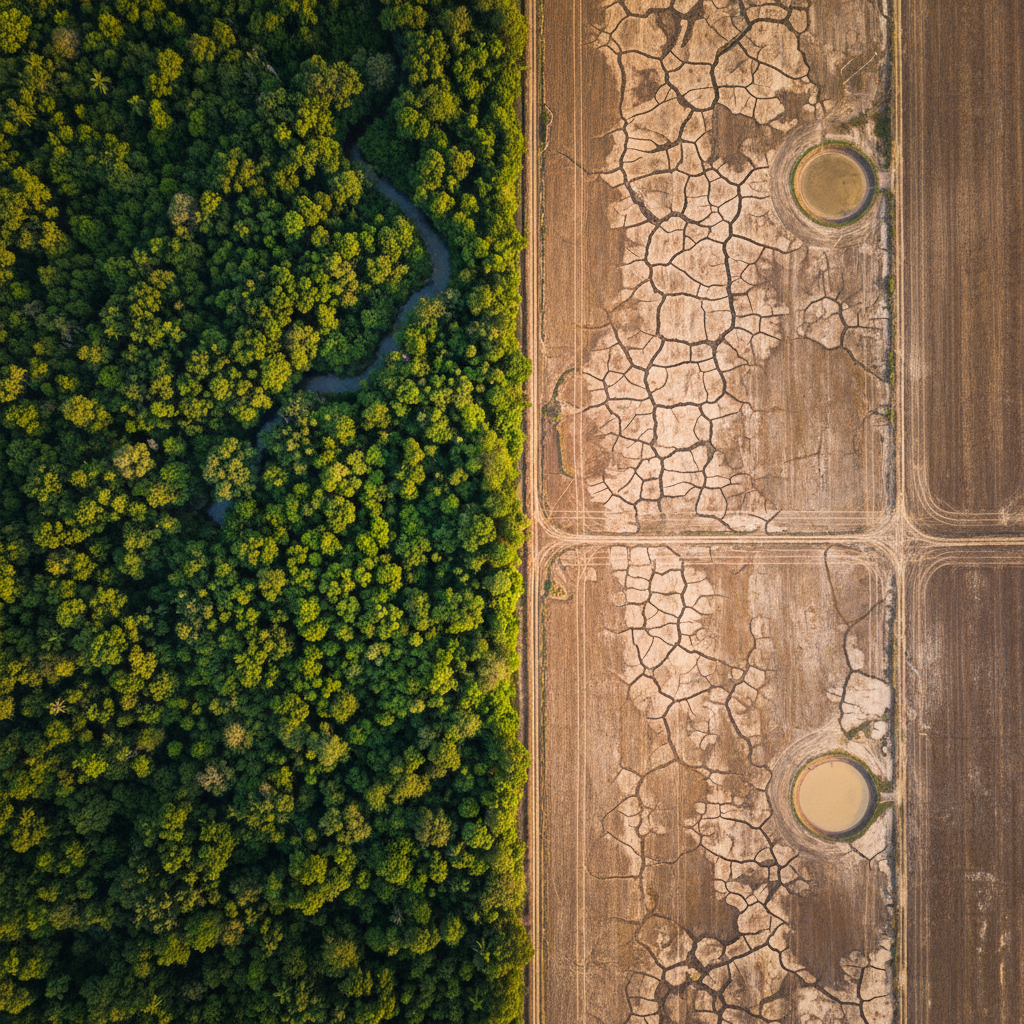
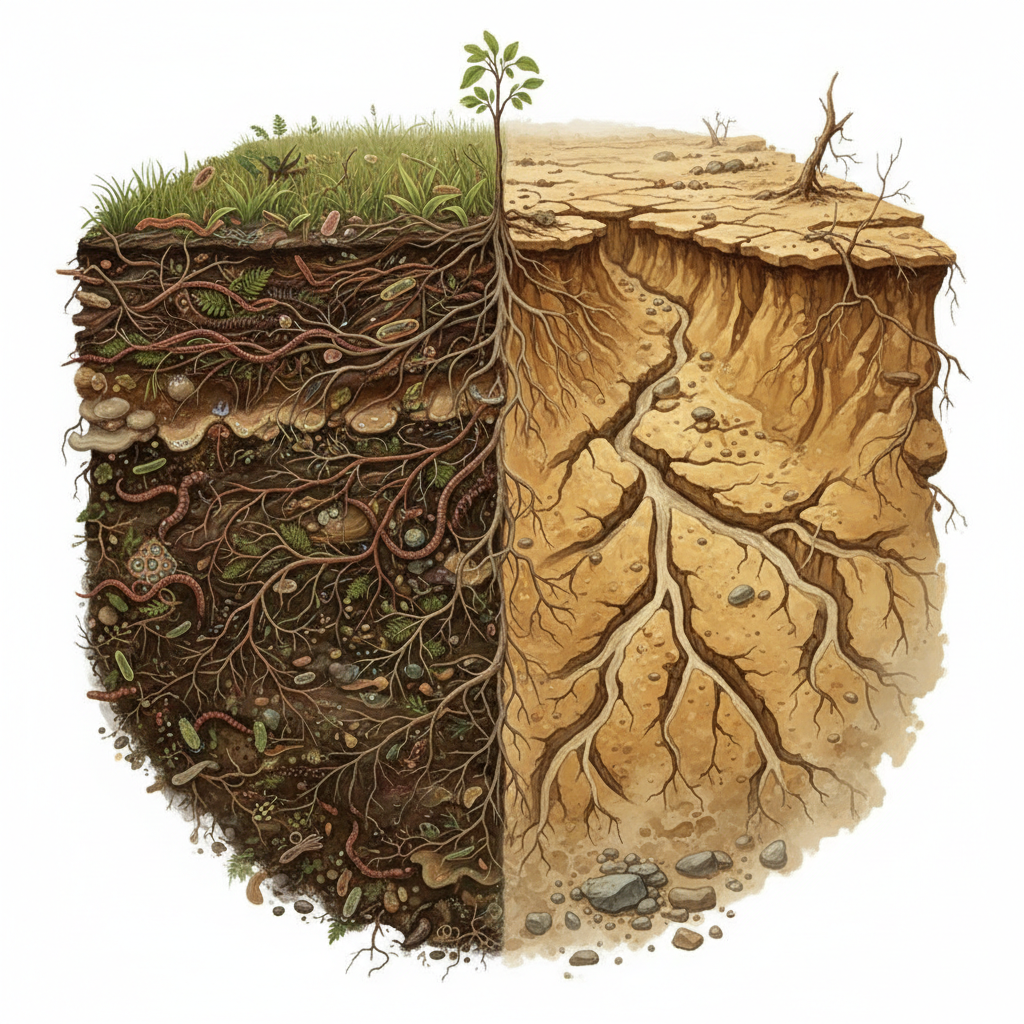
Java's forests have reached a critical tipping point due to centuries of exploitation. Once a dense tropical haven, the island has seen its forest cover reduced to a mere 16% of its original extent, with only 2% classified as pristine. This profound transformation drives biodiversity loss, soil erosion, and severe water scarcity.

Made byBobr AI

Historical Drivers of Change

  • Colonial Exploitation: Dutch rule prioritized teak extraction for shipbuilding, restricting local access and altering traditional subsistence economies.
  • Wartime Destruction: WWII saw 'scorched earth' policies burning teak stocks and Japanese occupation doubling timber output via forced labor.
  • Post-Colonial Unrest: Political instability resulted in damage to over 220,000 hectares of state forest land.
Made byBobr AI

Population Pressure vs. Forest Cover

As Java's population surged to over 140 million, the demand for agricultural land and urban expansion created an inverse relationship with forest density.

Chart
Made byBobr AI

Comparative Deforestation Scale

While both India and Java suffered under similar colonial pressures, Java's forest loss has been significantly more acute. Current data indicates a staggering loss of pristine forest compared to India's recorded decline.

Chart
Made byBobr AI

Economic Shift: Assets to Liabilities

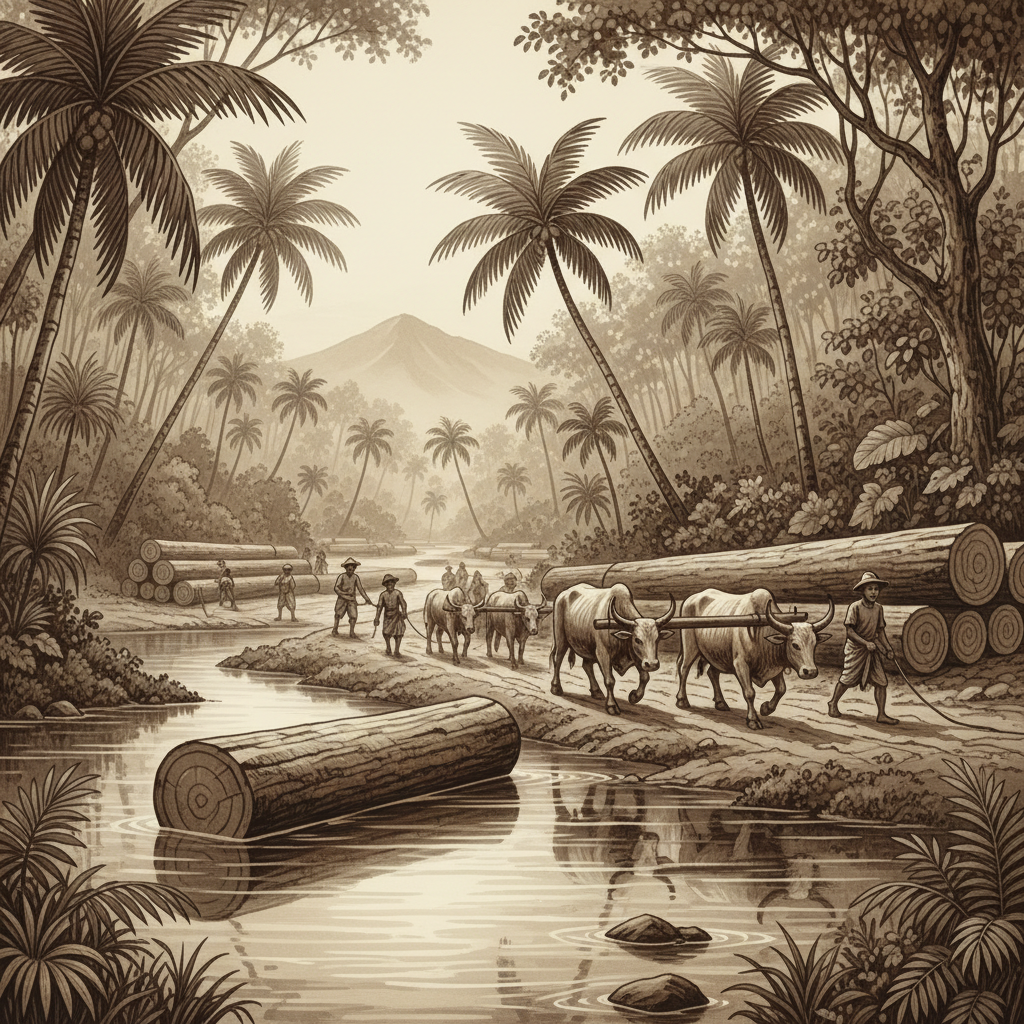
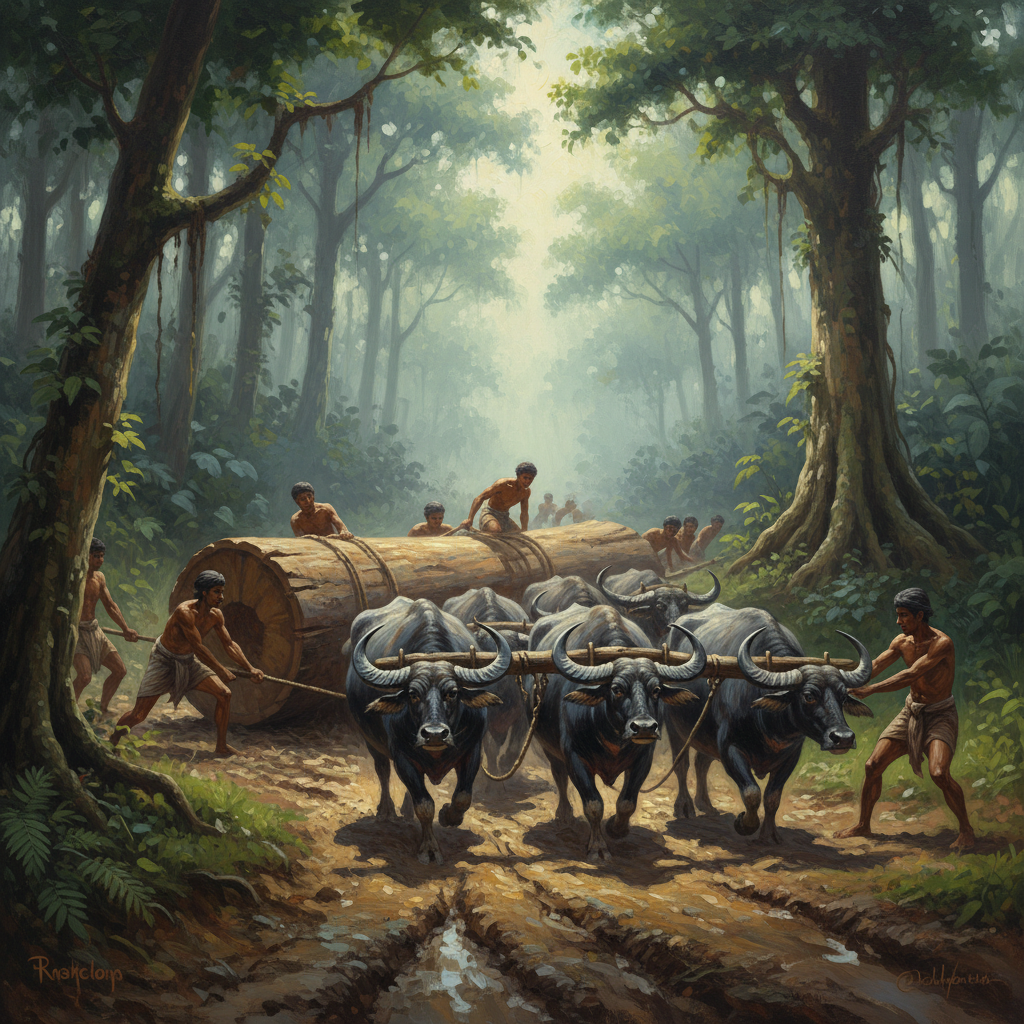
The transition from subsistence agriculture to industrial wage labor fundamentally altered the economic landscape. Villagers lost access to forest resources, and livestock populations plummeted. Historical records note that log extraction sometimes required 80 buffaloes per log, leading to severe livestock attrition and reduced food security.

Made byBobr AI

Environmental ROI: The Cost of Progress

Biodiversity Collapse: Habitat destruction has led to endangered species and severe ecological imbalances.

Ecosystem Services Failure: Soil erosion and impaired water catchment regulation affect agricultural viability.

Reduced Water Availability: Removal of forest cover has directly impacted water tables and local climate regulation.

Made byBobr AI

"The state owns the land, but who owns the wind that blows across it? ... Villagers challenged state claims by refusing taxes and surveys."

— The Samin Movement (c. 1890)

Made byBobr AI

Go-to-Market: Sustainable Restoration

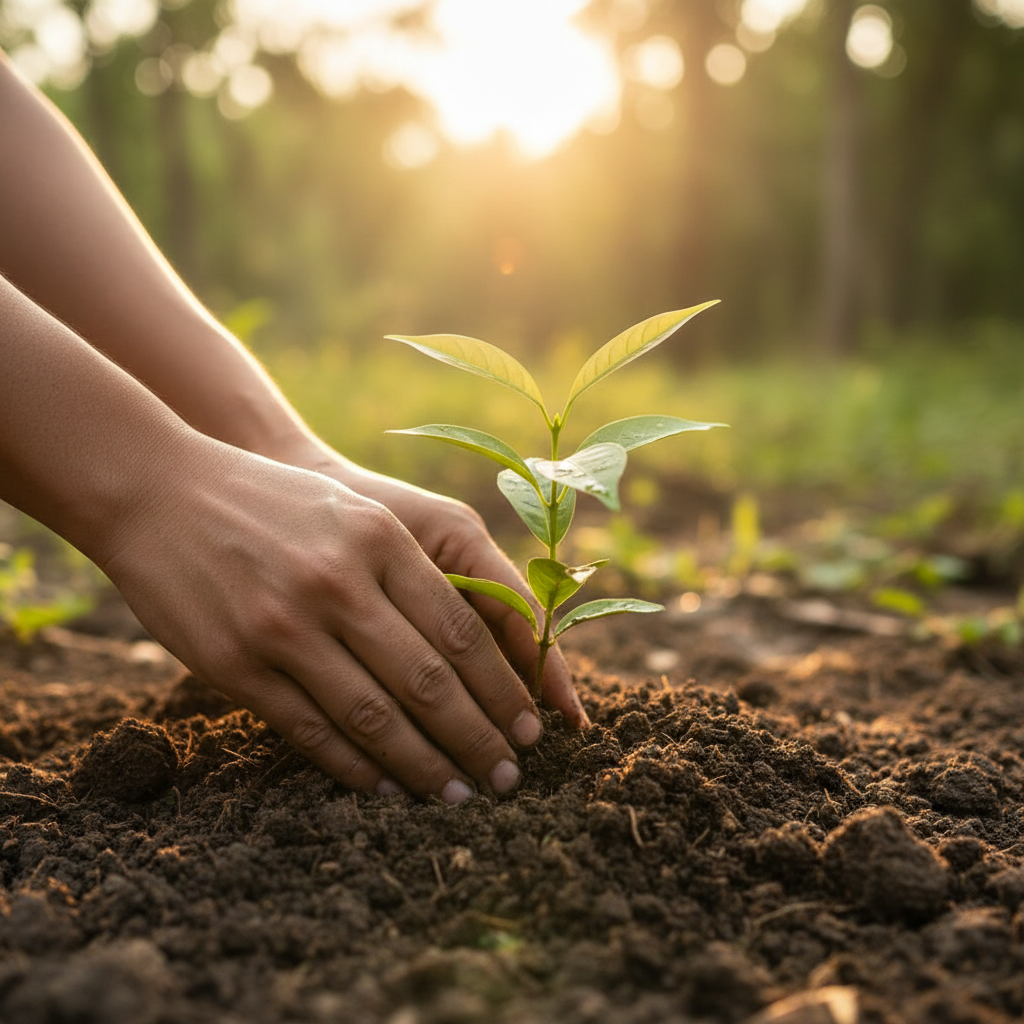
Future efforts must bridge the gap between state policy and local needs. Modern conservation strategies focus on 'Social Forestry'—restoring degraded landscapes while ensuring community participation. This reverses colonial exclusion and aligns economic incentives with ecological health.

Made byBobr AI

Current Land Use Analysis

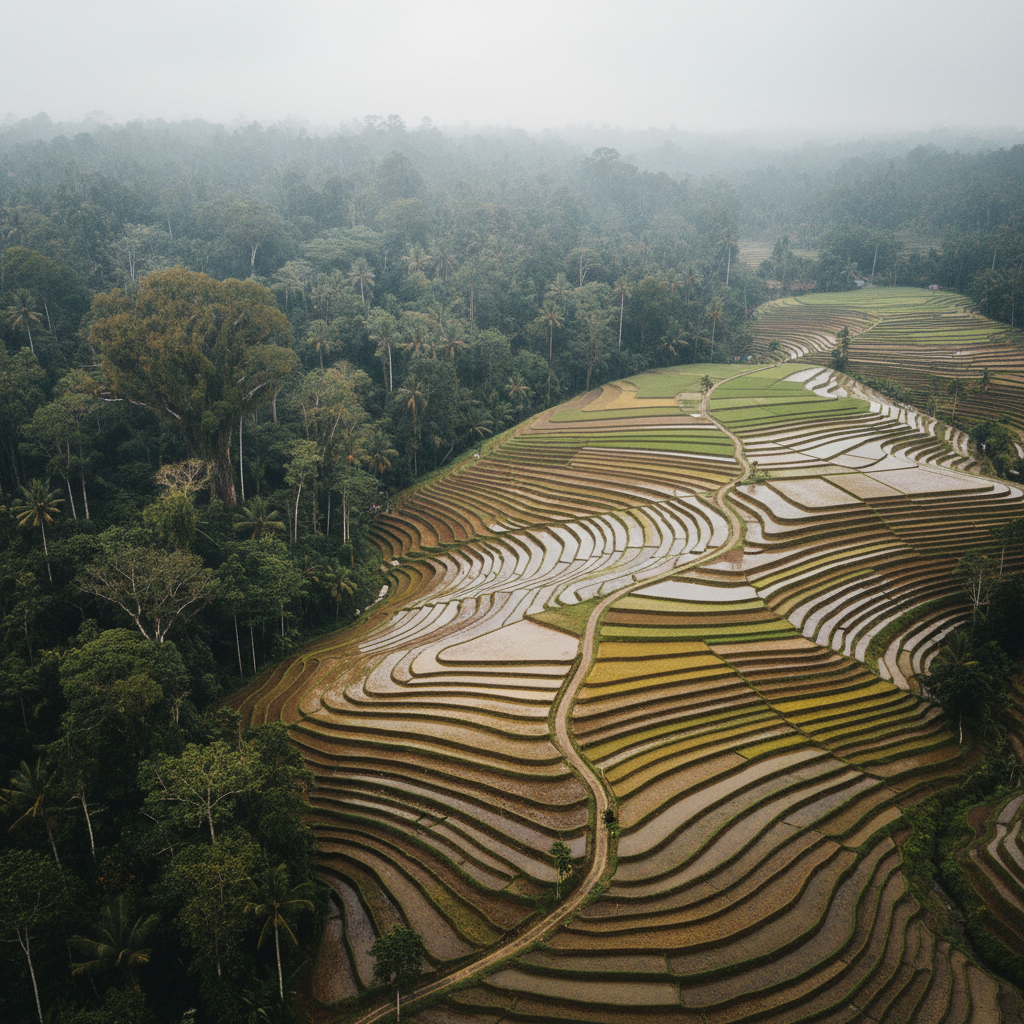
Understanding the current allocation of land is crucial for future policy. With only 16% remaining forest cover, the vast majority of Java's landscape is now dominated by agriculture and human habitation, leaving a fragile margin for biodiversity.

Chart
Made byBobr AI
Bobr AI

DESIGNER-MADE
PRESENTATION,
GENERATED FROM
YOUR PROMPT

Create your own professional slide deck with real images, data charts, and unique design in under a minute.

Generate For Free

Java's Forest Transformation: Land Use & History

Explore the history of Java's deforestation, from colonial teak extraction to modern social forestry. Analysis of ecology, population, and land use.

Forest Transformations in Java

Impacts of Land Use, Agriculture, and Industrialization

The Problem: Ecological Collapse

Java's forests have reached a critical tipping point due to centuries of exploitation. Once a dense tropical haven, the island has seen its forest cover reduced to a mere 16% of its original extent, with only 2% classified as pristine. This profound transformation drives biodiversity loss, soil erosion, and severe water scarcity.

Historical Drivers of Change

Colonial Exploitation: Dutch rule prioritized teak extraction for shipbuilding, restricting local access and altering traditional subsistence economies.

Wartime Destruction: WWII saw 'scorched earth' policies burning teak stocks and Japanese occupation doubling timber output via forced labor.

Post-Colonial Unrest: Political instability resulted in damage to over 220,000 hectares of state forest land.

Population Pressure vs. Forest Cover

As Java's population surged to over 140 million, the demand for agricultural land and urban expansion created an inverse relationship with forest density.

Comparative Deforestation Scale

While both India and Java suffered under similar colonial pressures, Java's forest loss has been significantly more acute. Current data indicates a staggering loss of pristine forest compared to India's recorded decline.

Economic Shift: Assets to Liabilities

The transition from subsistence agriculture to industrial wage labor fundamentally altered the economic landscape. Villagers lost access to forest resources, and livestock populations plummeted. Historical records note that log extraction sometimes required 80 buffaloes per log, leading to severe livestock attrition and reduced food security.

Environmental ROI: The Cost of Progress

Biodiversity Collapse: Habitat destruction has led to endangered species and severe ecological imbalances.

Ecosystem Services Failure: Soil erosion and impaired water catchment regulation affect agricultural viability.

Reduced Water Availability: Removal of forest cover has directly impacted water tables and local climate regulation.

The state owns the land, but who owns the wind that blows across it? ... Villagers challenged state claims by refusing taxes and surveys.

The Samin Movement (c. 1890)

Go-to-Market: Sustainable Restoration

Future efforts must bridge the gap between state policy and local needs. Modern conservation strategies focus on 'Social Forestry'—restoring degraded landscapes while ensuring community participation. This reverses colonial exclusion and aligns economic incentives with ecological health.

Current Land Use Analysis

Understanding the current allocation of land is crucial for future policy. With only 16% remaining forest cover, the vast majority of Java's landscape is now dominated by agriculture and human habitation, leaving a fragile margin for biodiversity.

  • deforestation
  • java
  • environmental-history
  • land-use
  • ecology
  • indonesia
  • sustainability
  • conservation