

How Everyday Technology Works: QR, Biometrics, and GPS
Explore the invisible mechanics behind QR codes, Face ID, GPS trilateration, IoT growth, and solar power in this concise technological guide.
The Invisible Mechanics of Everyday Tech
Exploring how QR Codes, Biometrics, and GPS power our world
Demystifying the 'magic' inside our devices
We rely on seamless technologies like instant payments and satellite navigation daily. However, for most users, these systems are 'black boxes'. Understanding the core mechanics—how data is encoded, transmitted, and verified—reveals the complex infrastructure that makes modern life possible.
How QR Codes Store Data
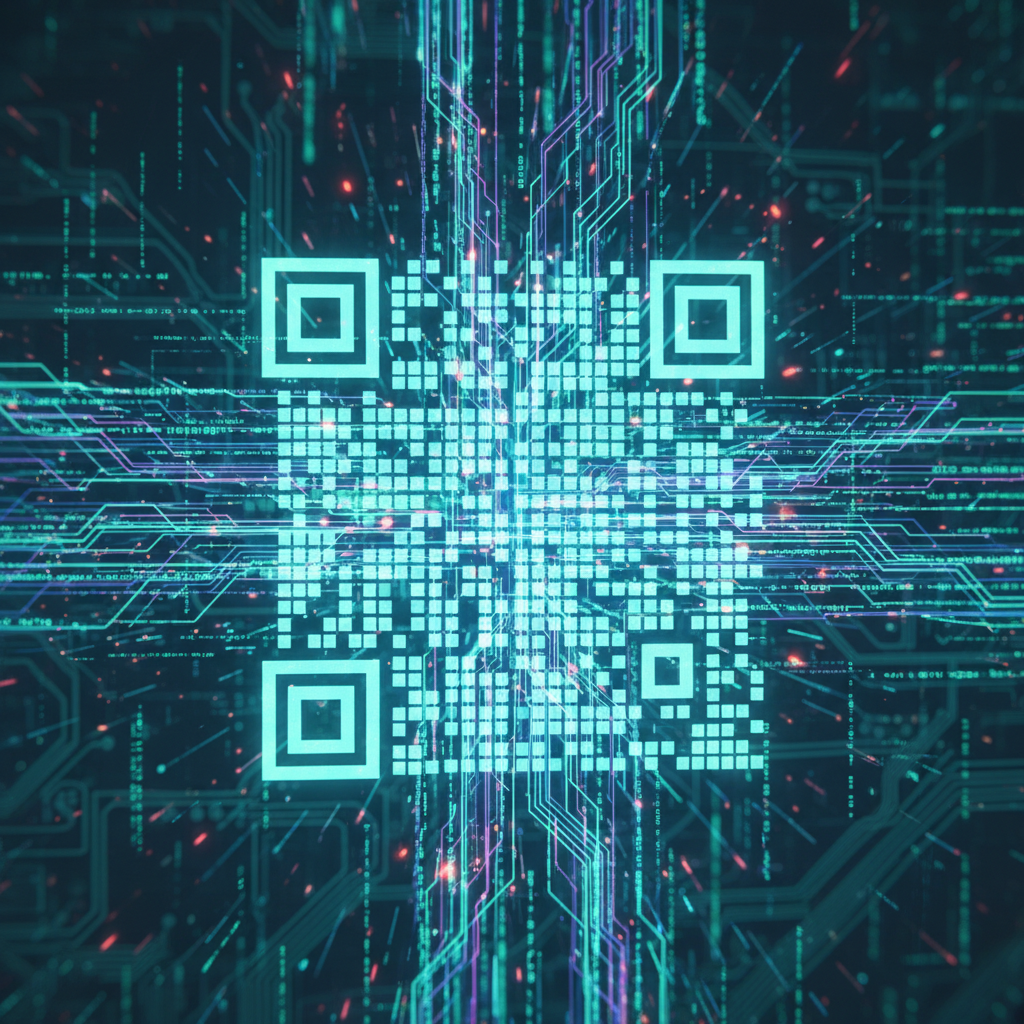
A QR code is a 2D matrix barcode. The three large squares in the corners are 'finder patterns' that help the scanner orient the image. The smaller scattered dots contain binary data, which includes the URL or payment token, along with error correction redundancy that allows the code to be read even if partially damaged.
The QR Payment Transaction Flow
Scanning: The camera captures the pattern and the app decodes the binary matrix into a merchant ID string.
Tokenization: Your payment app sends this ID along with an encrypted token of your credentials to the cloud server.
Verification: The payment processor verifies funds and authenticates the user via biometrics or PIN.
Settlement: Funds are digitally transferred, and a confirmation signal is sent back to both the user and merchant instantly.
Face ID: 3D Depth Mapping
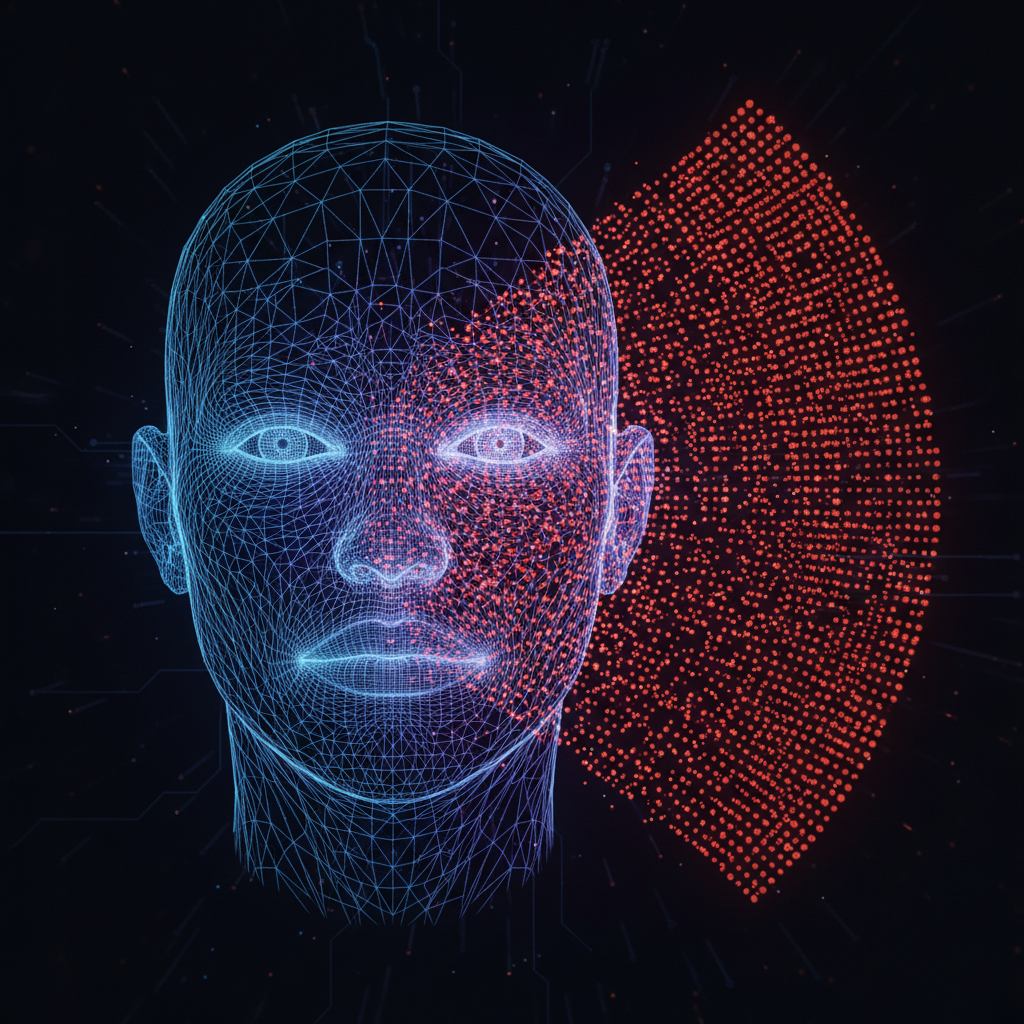
Unlike simple photos, Face ID scans geometry. It projects 30,000 invisible infrared dots onto the face. An infrared camera reads the pattern of these dots. If the dots are distorted exactly as the registered 3D face model predicts, the phone unlocks. This prevents spoofing with 2D photographs.
Biometric authentication transforms the user into the password, merging identity with utility.
Cybersecurity Insight
GPS: Trilateration in Space
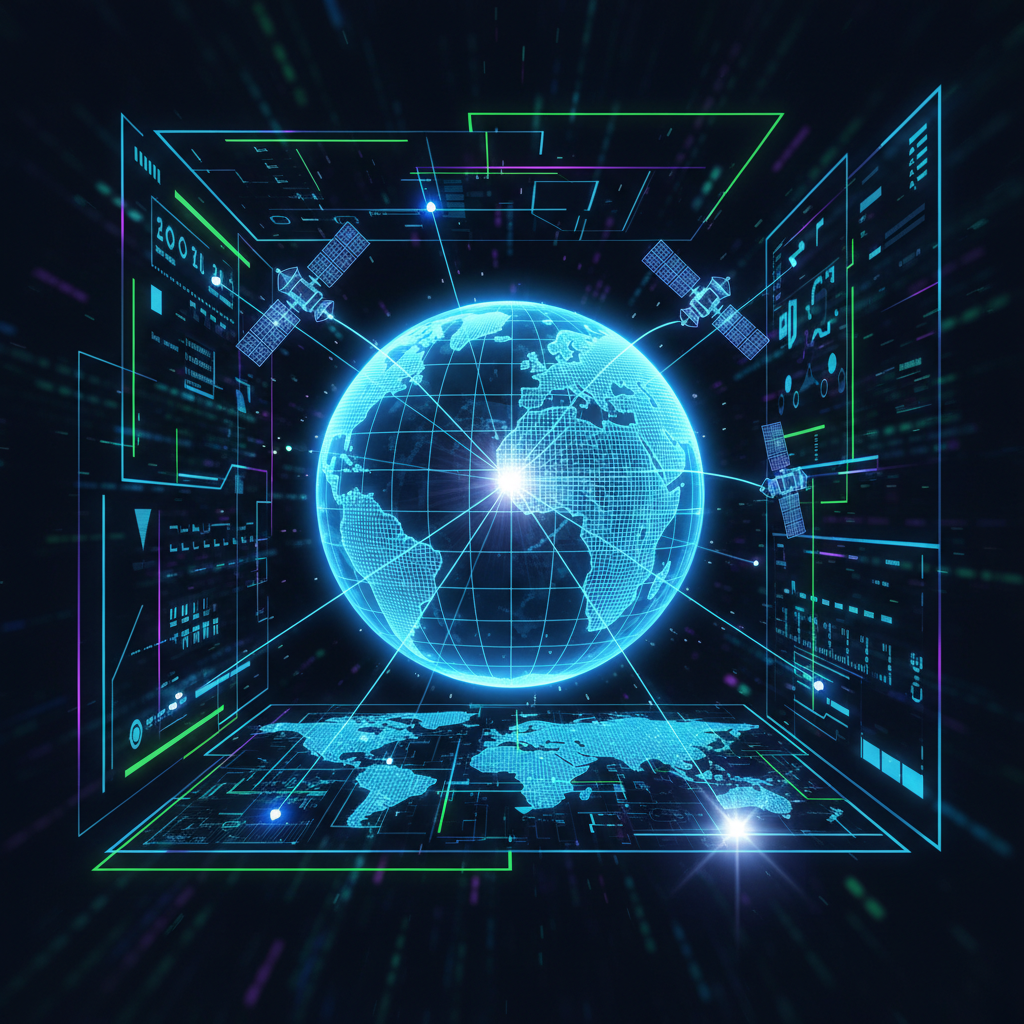
GPS receivers don't transmit; they listen. They calculate distance by measuring the time delay of signals from multiple satellites. By intersecting spheres of distance from at least four satellites (trilateration), the receiver pinpoints its exact latitude, longitude, and altitude on Earth's surface.
Rise of Connected IoT Devices
The proliferation of technologies like Wi-Fi, NFC, and GPS has led to an explosion in connected devices. We have moved from 8.6 billion devices in 2019 to over 15 billion in 2023, creating a dense mesh of inter-device communication.
Solar Panels: Photovoltaic Conversion
Absorption: Sunlight (photons) hits the semiconductor silicon layers.
Excitation: Energy from photons knocks electrons loose from their atoms, creating electron flow.
Current: This flow is Direct Current (DC) electricity.
Inversion: An inverter converts DC to Alternating Current (AC) for household use.
The Future Infrastructure
- technology
- biometrics
- gps-navigation
- qr-codes
- internet-of-things
- solar-energy
- engineering