






Project REAB: Empowering Persons with Disabilities
Explore Project REAB's mission to improve inclusivity for persons with disabilities through IoT assistive tech, inclusive cafes, and digital platforms.
Project REAB
There is an Ability in every Disability.
Everyone is Good at Something
The Problem Statement
Persons with Disabilities (PwD) face significant disconnection from society due to a lack of inclusivity. Essential supporting aids are often prohibitively expensive, and employability remains a major hurdle to self-sustainability.
Government Accessibility Milestones
Recent audits and infrastructure upgrades indicate a growing focus on accessibility in the built environment and digital spaces. Data reflects completed audits and live accessible websites.
Disability Demographics
A statistical breakdown of disability types reveals that locomotor and hearing impairments constitute the largest segments. Understanding this distribution is key to targeting accessibility solutions effectively.
Market Financial Trends
The assistive technology market has shown consistent year-over-year growth. Rising investment reflects both increased demand and greater recognition of the economic potential in inclusive design.
Unseen Focus Areas
Ease of buying assistive equipment
Full access to employability
Addressing the 'Invisible Majority' inaccessible to the mainstream
Framework for old-age disability services
Our Solutions
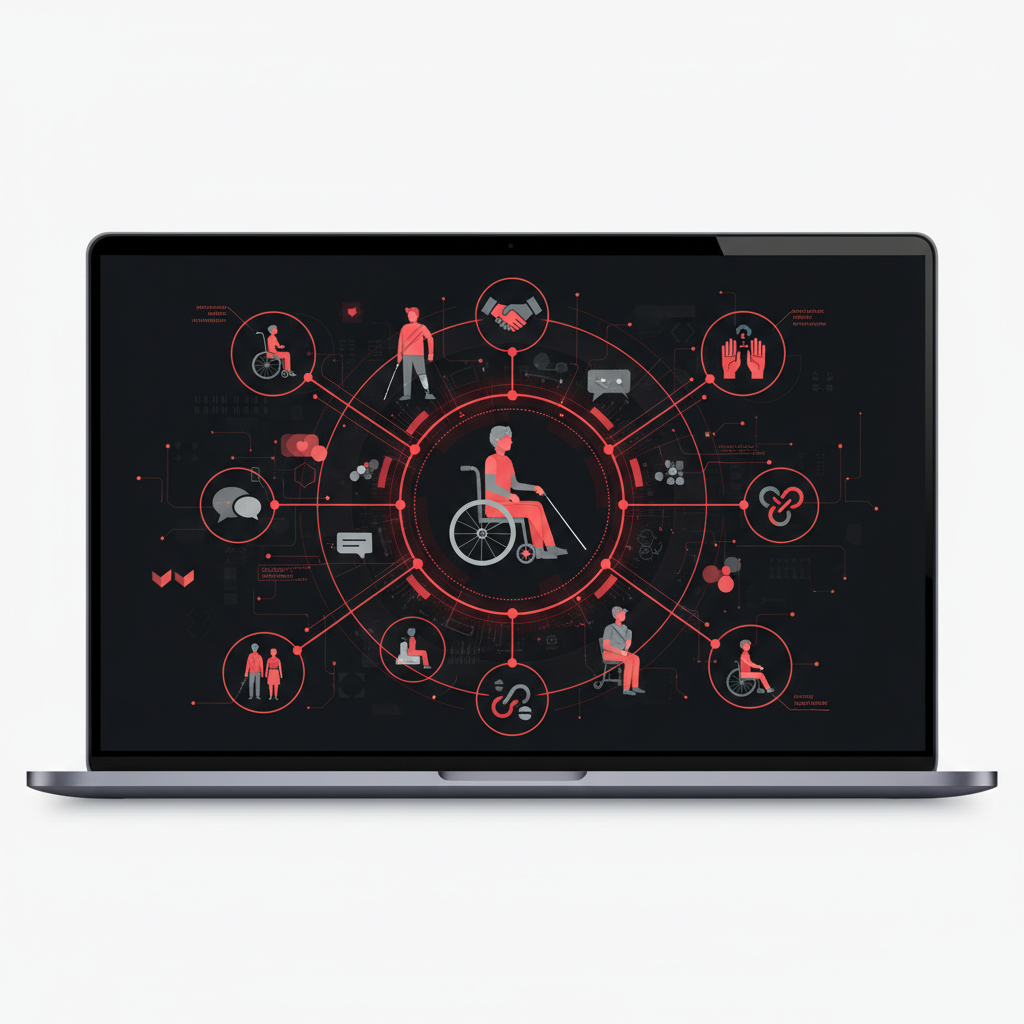
We propose a comprehensive 'Service Chain' bridging digital and ground levels. This includes IoT-based assistive systems and dedicated elderly care hospitality, aiming to provide at least 20% employability to invisible majorities.
Inclusive Social Platform
We are developing a specialized social media platform to connect people with disabilities. This accessible digital space creates opportunities for community building, peer support, and sharing valuable resources globally.
Inclusive Café Initiative
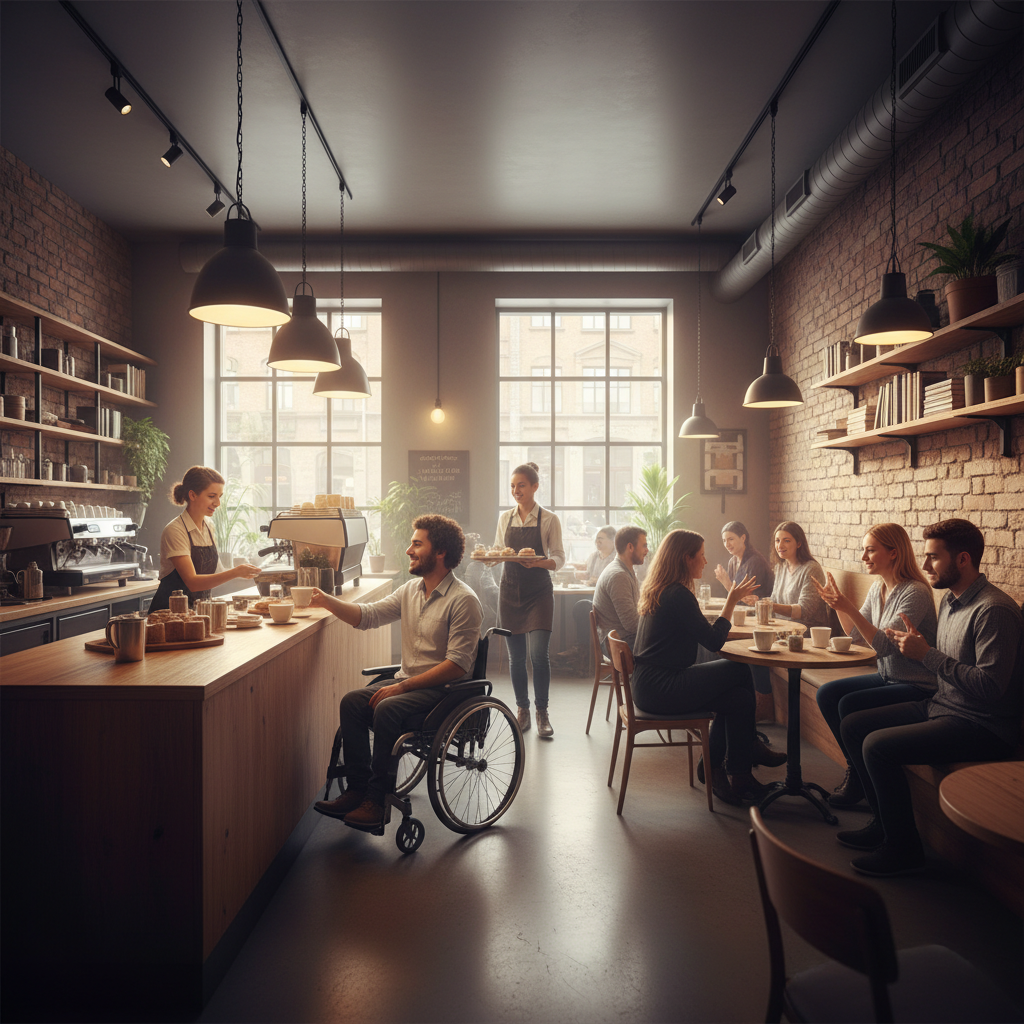
A pioneering cafeteria model fully managed by Persons with Disabilities. This initiative not only creates direct employment but serves as a powerful social hub, breaking down barriers and demonstrating the potential of an inclusive workforce.
Financial Plan: Elderly Care
The 'SROUT' model leases homes and appoints care personnel. It operates on a refundable deposit model (~25 Lakhs) and minimal user charges, while health accessories are supported through article donations, reducing reliance on external operational funding.
Fundraising: Publishing
Book publication serves as a key revenue stream. 'Rural Life' by Soma Das will be self-published and sold online (Kindle) and in book houses. Profits are directly credited to the REAB account to support disability innovation.
The 10-Min Ambulance App
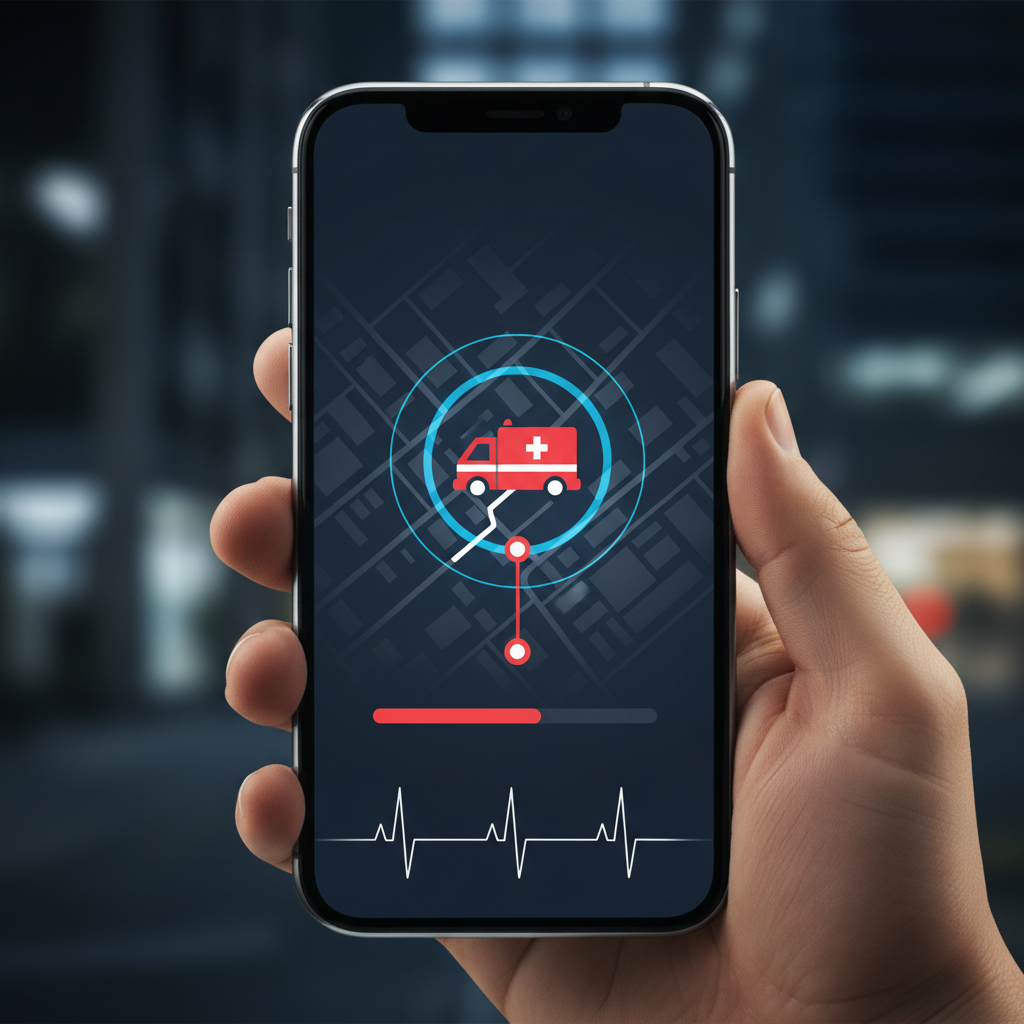
A strategic partnership with BellSofts to implement a Lifecare Service App in India. The app connects ground networks to digital users, with service profits channeled to sustain REAB's support initiatives.
Crowdfunding & CSR
Influence existing CSR funding through SROUT support.
Partnership with BellSofts to leverage corporate social responsibility.
Online crowdfunding campaigns to engage the public.
Collection of offline and article donations.
Leveraging corporate partnerships and public engagement to drive sustainable growth. Focus on CSR funding, online campaigns, and offline donations.
Summary & Conclusion
Developing inclusive digital platforms to connect people with disabilities.
Strategic funding through CSR partnerships like BellSofts and crowdfunding.
Driving sustainable growth with community-driven online and offline initiatives.
Commitment to accessibility, empowerment, and social impact.
Thank You
Together, we turn disability into ability.
- disability-inclusion
- assistive-technology
- social-entrepreneurship
- accessibility
- inclusive-design
- csr-initiatives
- non-profit-strategy