





Made byBobr AI

Rapido Case Study: Revolutionizing Urban Mobility in India

Discover how Rapido's bike-taxi platform tackles urban congestion and high fares with its innovative aggregator model, gig economy impact, and EV roadmap.

#rapido#bike-taxi#urban-mobility#business-case-study#gig-economy#indian-startup#smart-transportation
Watch
Pitch

Rapido: Revolutionizing Urban Mobility

India's Leading Bike-Taxi Platform & Last-Mile Connectivity Solution

Made byBobr AI

Introduction & Founders

Founded in 2015 by Pavan Guntupalli, Aravind Sanka, and SR Rishikesh, Rapido was established to tackle urban commuting challenges like congestion and high fares. As an aggregator, it connects passengers with massive networks of 'Captains' (riders) for fast, affordable transportation.

Made byBobr AI

The Problem Statement

Heavy traffic congestion in major cities causes significant delays.
Traditional taxis and cabs are expensive for daily commuting.
Poor last-mile connectivity from public transport hubs.
Underutilization of personal two-wheelers for income generation.
Made byBobr AI

The Rapido Solution

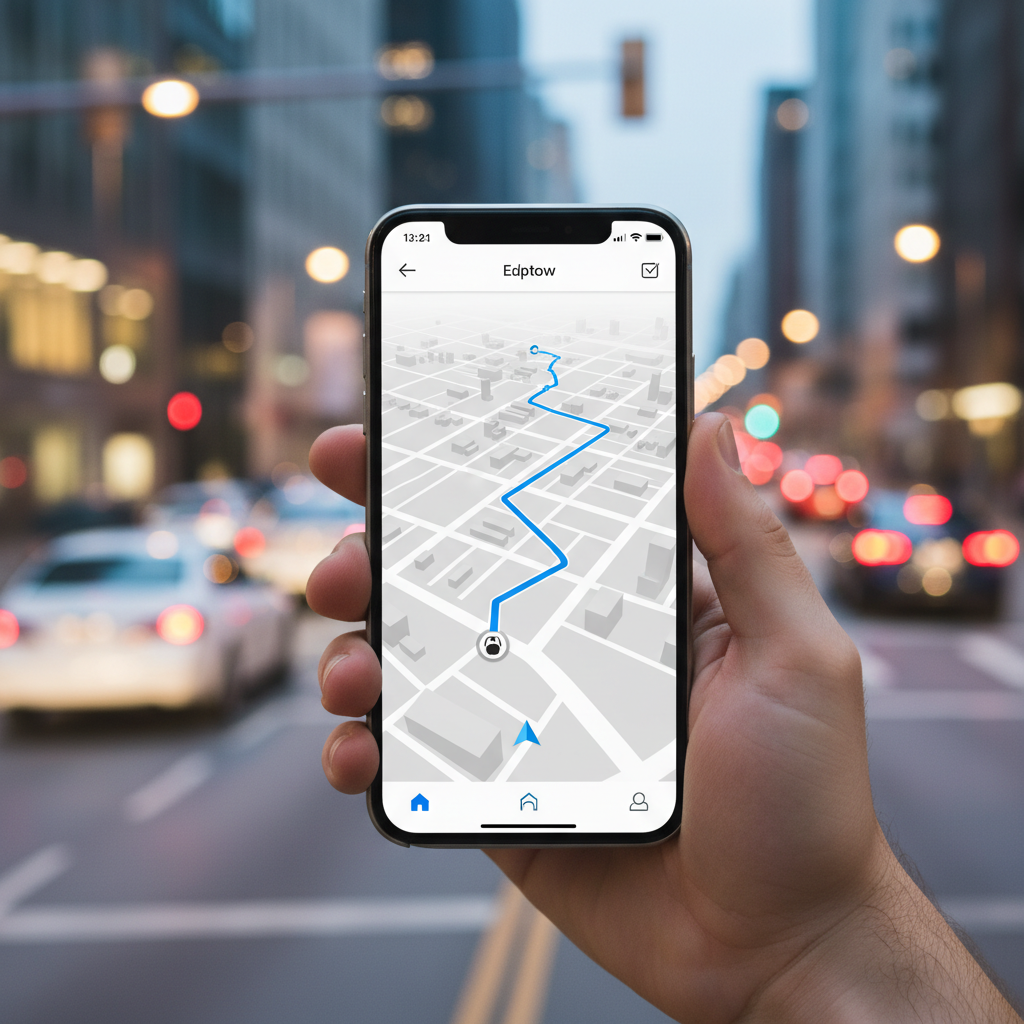
Rapido offers a technology-driven bike taxi platform connecting passengers with nearby riders. It ensures real-time tracking, cashless payments, and fare transparency. The solution effectively reduces travel time, lowers costs for commuters, and provides a scalable, eco-friendly alternative to cars.

Made byBobr AI

How It Works

1

Book: Passengers enter pickup/drop locations in the mobile app.

2

Match: GPS matches the passenger with the nearest available Captain.

3

Ride: Captain picks up the passenger; app offers real-time tracking.

4

Pay: Ride completes with digital payment or cash options.

Made byBobr AI

Business Model

Rapido utilizes an asset-light aggregator model (no vehicle ownership). Revenue is primarily driven by subscription fees from Captains rather than per-ride commissions, fostering rider loyalty. Additional revenue streams include B2B logistics services, delivery, and in-app advertising partnerships.

Made byBobr AI

Employment & Social Impact

Rapido strengthens the gig economy by allowing thousands of bike owners to monetize their assets, driving financial inclusion. Beyond employment, the service mitigates traffic congestion and lowers carbon footprints by utilizing two-wheelers which are more fuel-efficient and space-saving than cars.

Made byBobr AI

Innovation & Technology

Advanced GPS Tracking: Optimized routing to avoid traffic.

User Safety: Emergency alerts, SOS buttons, and Verified Captains.

Data Analytics: Used to monitor demand and improve service quality.

Fintech Integration: Seamless cashless and digital transactions.

Made byBobr AI

Expansion & Growth

From Bengaluru and Hyderabad, Rapido has aggressively expanded into Tier-2 and Tier-3 cities. The service portfolio has diversified beyond bike taxis to include auto-rickshaws and cabs, catering to a wider demographic. Strategic funding has fueled technology upgrades and marketing reach across India.

Made byBobr AI

Key Challenges

  • Regulatory Hurdles: Navigating varying state laws regarding bike taxis.
  • Fierce Competition: Competing with giants like Ola and Uber.
  • Operational Complexity: Managing a vast, decentralized network of Captains.
  • Scalability Issues: Ensuring service quality while expanding to smaller towns.
Made byBobr AI

Future Roadmap: Sustainability

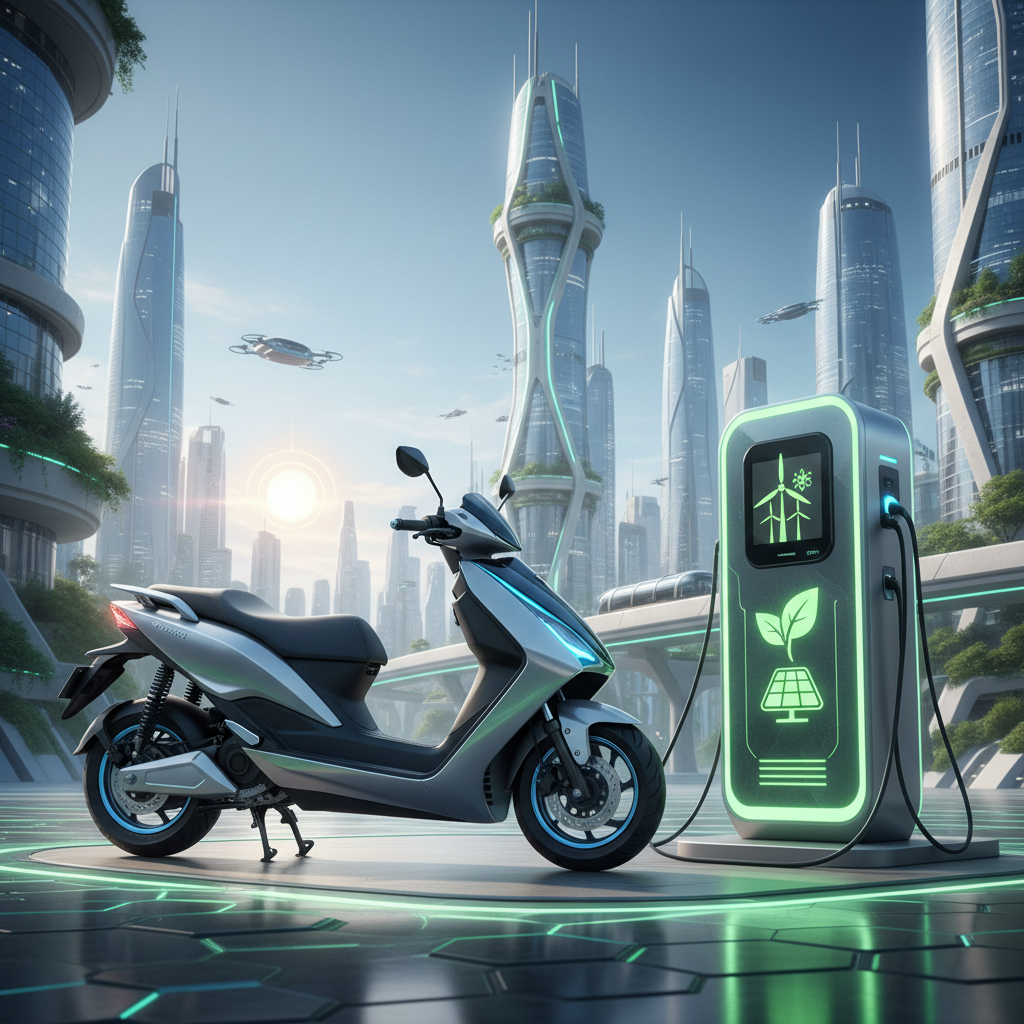
Looking ahead, Rapido is prioritizing eco-friendly mobility solutions, including the integration of Electric Vehicles (EVs) into their fleet. This shift aims to further reduce pollution while maintaining low operational costs, ensuring the platform remains sustainable and adaptable for the future.

Made byBobr AI

Conclusion

Rapido has successfully redefined Indian urban transport. By combining innovation, affordability, and social impact, it creates meaningful employment while solving critical traffic problems. Rapido stands as a prime example of how technology can make urban life more accessible and sustainable.

Made byBobr AI
Bobr AI

DESIGNER-MADE
PRESENTATION,
GENERATED FROM
YOUR PROMPT

Create your own professional slide deck with real images, data charts, and unique design in under a minute.

Generate For Free

Rapido Case Study: Revolutionizing Urban Mobility in India

Discover how Rapido's bike-taxi platform tackles urban congestion and high fares with its innovative aggregator model, gig economy impact, and EV roadmap.

Rapido: Revolutionizing Urban Mobility

India's Leading Bike-Taxi Platform & Last-Mile Connectivity Solution

Introduction & Founders

Founded in 2015 by Pavan Guntupalli, Aravind Sanka, and SR Rishikesh, Rapido was established to tackle urban commuting challenges like congestion and high fares. As an aggregator, it connects passengers with massive networks of 'Captains' (riders) for fast, affordable transportation.

The Problem Statement

Heavy traffic congestion in major cities causes significant delays.

Traditional taxis and cabs are expensive for daily commuting.

Poor last-mile connectivity from public transport hubs.

Underutilization of personal two-wheelers for income generation.

The Rapido Solution

Rapido offers a technology-driven bike taxi platform connecting passengers with nearby riders. It ensures real-time tracking, cashless payments, and fare transparency. The solution effectively reduces travel time, lowers costs for commuters, and provides a scalable, eco-friendly alternative to cars.

How It Works

Book: Passengers enter pickup/drop locations in the mobile app.

Match: GPS matches the passenger with the nearest available Captain.

Ride: Captain picks up the passenger; app offers real-time tracking.

Pay: Ride completes with digital payment or cash options.

Business Model

Rapido utilizes an asset-light aggregator model (no vehicle ownership). Revenue is primarily driven by subscription fees from Captains rather than per-ride commissions, fostering rider loyalty. Additional revenue streams include B2B logistics services, delivery, and in-app advertising partnerships.

Employment & Social Impact

Rapido strengthens the gig economy by allowing thousands of bike owners to monetize their assets, driving financial inclusion. Beyond employment, the service mitigates traffic congestion and lowers carbon footprints by utilizing two-wheelers which are more fuel-efficient and space-saving than cars.

Innovation & Technology

Advanced GPS Tracking: Optimized routing to avoid traffic.

User Safety: Emergency alerts, SOS buttons, and Verified Captains.

Data Analytics: Used to monitor demand and improve service quality.

Fintech Integration: Seamless cashless and digital transactions.

Expansion & Growth

From Bengaluru and Hyderabad, Rapido has aggressively expanded into Tier-2 and Tier-3 cities. The service portfolio has diversified beyond bike taxis to include auto-rickshaws and cabs, catering to a wider demographic. Strategic funding has fueled technology upgrades and marketing reach across India.

Key Challenges

Regulatory Hurdles: Navigating varying state laws regarding bike taxis.

Fierce Competition: Competing with giants like Ola and Uber.

Operational Complexity: Managing a vast, decentralized network of Captains.

Scalability Issues: Ensuring service quality while expanding to smaller towns.

Future Roadmap: Sustainability

Looking ahead, Rapido is prioritizing eco-friendly mobility solutions, including the integration of Electric Vehicles (EVs) into their fleet. This shift aims to further reduce pollution while maintaining low operational costs, ensuring the platform remains sustainable and adaptable for the future.

Conclusion

Rapido has successfully redefined Indian urban transport. By combining innovation, affordability, and social impact, it creates meaningful employment while solving critical traffic problems. Rapido stands as a prime example of how technology can make urban life more accessible and sustainable.

  • rapido
  • bike-taxi
  • urban-mobility
  • business-case-study
  • gig-economy
  • indian-startup
  • smart-transportation