



Made byBobr AI

Rapido Case Study: Revolutionizing Urban Mobility in India

Explore Rapido's business model, technology, and social impact as India's leading bike-taxi aggregator solving urban congestion and last-mile connectivity.

#rapido#urban-mobility#bike-taxi#startup-case-study#india-transport#gig-economy#business-model
Watch
Pitch
Cinematic wide shot of a yellow motorcycle weaving through vibrant Indian city traffic at sunset, motion blur, modern skyline in background, urban energy, high quality, photorealistic, 8k

RAPIDO

India's Revolution in Bike-Taxi & Urban Mobility

Made byBobr AI

Overview: What is Rapido?

Founded in 2015 by Pavan Guntupalli, Aravind Sanka, and SR Rishikesh, Rapido is an Indian mobility startup designed to tackle urban commuting challenges. It operates as an aggregator platform connecting passengers with nearby riders (Captains) for fast, affordable, and convenient travel. While starting with bike taxis, Rapido has evolved into a comprehensive urban mobility solution offering auto-rickshaws, cabs, and delivery services. The company focuses on solving last-mile connectivity issues in congested cities and providing flexible income opportunities for two-wheeler owners.
Made byBobr AI

The Problem Statement

  • • Heavy traffic congestion in major cities causes significant delays.
  • • High fares for traditional cabs make daily commuting expensive.
  • • Public transport routes often lack last-mile connectivity.
  • • Two-wheeler owners lacked organized opportunities to monetize their vehicles.
Made byBobr AI
Close up view of a smartphone screen displaying a map with a route and a motorcycle icon, held by a person in an urban outdoor setting, soft focus city background, high tech vibe

How Rapido Works

Rapido operates as a user-friendly technology platform. Passengers enter their pickup and drop-off locations in the mobile app, which uses GPS tracking to match them with the nearest available 'Captain'. The app provides real-time tracking, fare transparency, and digital payment options. Captains pick up the passenger and navigate through traffic efficiently using two-wheelers, significantly reducing travel time compared to cars.

Made byBobr AI

Business Model

Rapido follows an asset-light aggregator model. It does not own the vehicles but connects existing bike owners with passengers. Revenue Streams: 1. Subscription Fees: Captains pay a fixed daily or weekly fee to access the platform. 2. B2B Logistics: Delivery services for businesses. 3. Advertising: Brand partnerships within the app. This scalable model minimizes infrastructure costs while maximizing reach.

Isometric 3D illustration of a digital network connecting yellow scooter icons and user pins on a map, minimal style on white background, business logistics concept
Made byBobr AI

Employment & Social Impact

Creates flexible income opportunities for thousands of Captains.

Promotes financial inclusion and self-employment in the gig economy.

Reduces urban congestion by utilizing smaller, more efficient vehicles.

Provides affordable transport options for students and daily wage workers.

Made byBobr AI

Innovation and Technology

Rapido leverages advanced data analytics to monitor demand, optimize routes, and ensure service quality. The platform's tech stack supports reliable GPS tracking, cashless transactions, and seamless rider-passenger matching. Key innovations include a unique subscription model for Captains to increase loyalty, and robust safety features like emergency alerts and ride-sharing info, setting a benchmark in the bike-taxi segment.

Made byBobr AI
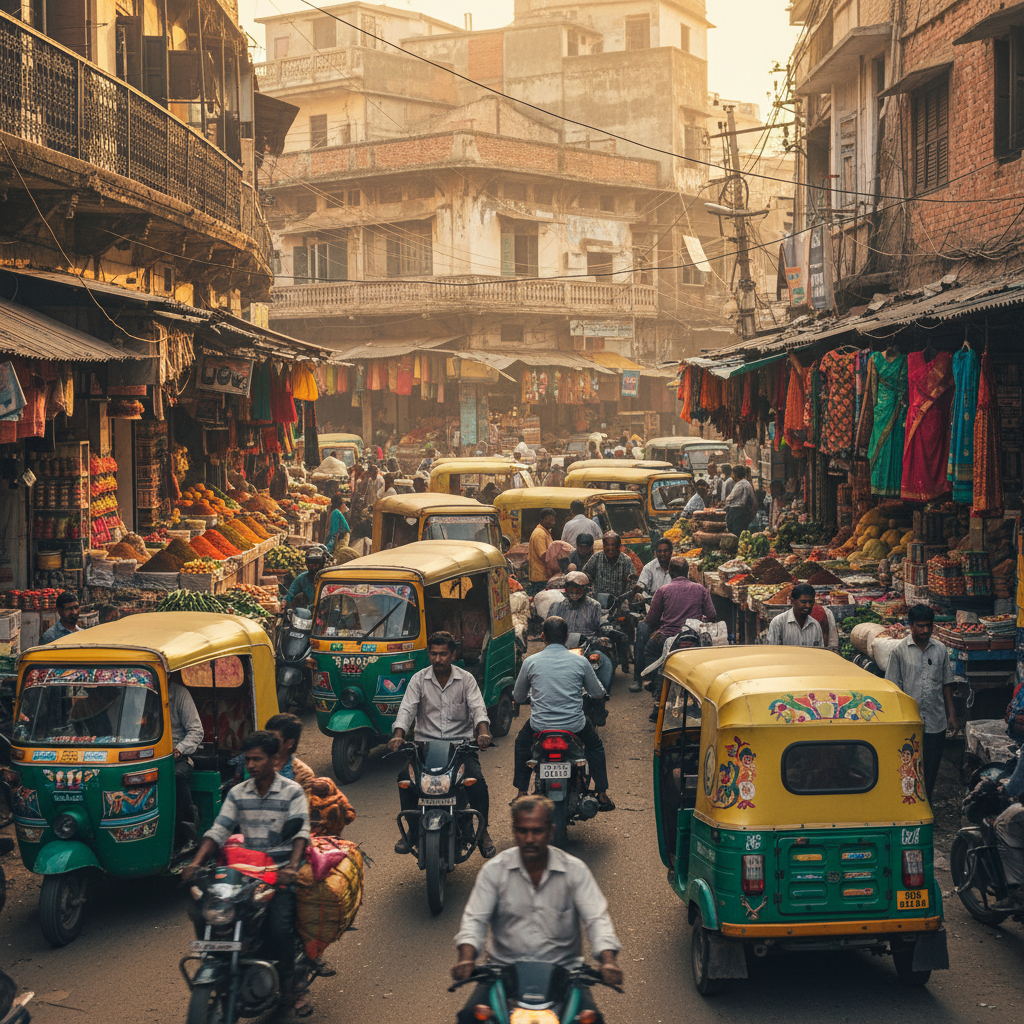
A bustling street scene in a Tier-2 Indian city, featuring yellow auto rickshaws and motorbikes, vibrant colors, authentic market background, realistic photography style

Expansion & Growth

From its initial launch in Bengaluru, Rapido has aggressively expanded into Tier-2 and Tier-3 cities where public transport is often scarce. The company has diversified beyond just bike taxis, now integrating auto-rickshaws and cabs into its app. Backed by strategic investors, Rapido continues to scale its operations and explore eco-friendly electric vehicle solutions.

Made byBobr AI

Challenges Faced

01. Regulatory

Regulatory Hurdles: Navigating complex state laws regarding bike taxis.

02. Competition

Competition: Heavy rivalry from giants like Uber and Ola.

03. Operations

Operational Management: Coordinating a vast network of Captains.

04. Safety

Safety & Trust: Ensuring consistent passenger safety and service quality.

Made byBobr AI

Rapido exemplifies how innovation, entrepreneurship, and technology can solve real-world problems, making urban transport more accessible, sustainable, and inclusive.

Conclusion

Made byBobr AI
Bobr AI

DESIGNER-MADE
PRESENTATION,
GENERATED FROM
YOUR PROMPT

Create your own professional slide deck with real images, data charts, and unique design in under a minute.

Generate For Free

Rapido Case Study: Revolutionizing Urban Mobility in India

Explore Rapido's business model, technology, and social impact as India's leading bike-taxi aggregator solving urban congestion and last-mile connectivity.

RAPIDO

India's Revolution in Bike-Taxi & Urban Mobility

Overview: What is Rapido?

Founded in 2015 by Pavan Guntupalli, Aravind Sanka, and SR Rishikesh, Rapido is an Indian mobility startup designed to tackle urban commuting challenges. It operates as an aggregator platform connecting passengers with nearby riders (Captains) for fast, affordable, and convenient travel. While starting with bike taxis, Rapido has evolved into a comprehensive urban mobility solution offering auto-rickshaws, cabs, and delivery services. The company focuses on solving last-mile connectivity issues in congested cities and providing flexible income opportunities for two-wheeler owners.

The Problem Statement

Heavy traffic congestion in major cities causes significant delays.

High fares for traditional cabs make daily commuting expensive.

Public transport routes often lack last-mile connectivity.

Two-wheeler owners lacked organized opportunities to monetize their vehicles.

How Rapido Works

Rapido operates as a user-friendly technology platform. Passengers enter their pickup and drop-off locations in the mobile app, which uses GPS tracking to match them with the nearest available 'Captain'. The app provides real-time tracking, fare transparency, and digital payment options. Captains pick up the passenger and navigate through traffic efficiently using two-wheelers, significantly reducing travel time compared to cars.

Business Model

Rapido follows an asset-light aggregator model. It does not own the vehicles but connects existing bike owners with passengers. Revenue Streams: 1. Subscription Fees: Captains pay a fixed daily or weekly fee to access the platform. 2. B2B Logistics: Delivery services for businesses. 3. Advertising: Brand partnerships within the app. This scalable model minimizes infrastructure costs while maximizing reach.

Employment & Social Impact

Creates flexible income opportunities for thousands of Captains.

Promotes financial inclusion and self-employment in the gig economy.

Reduces urban congestion by utilizing smaller, more efficient vehicles.

Provides affordable transport options for students and daily wage workers.

Innovation and Technology

Rapido leverages advanced data analytics to monitor demand, optimize routes, and ensure service quality. The platform's tech stack supports reliable GPS tracking, cashless transactions, and seamless rider-passenger matching. Key innovations include a unique subscription model for Captains to increase loyalty, and robust safety features like emergency alerts and ride-sharing info, setting a benchmark in the bike-taxi segment.

Expansion & Growth

From its initial launch in Bengaluru, Rapido has aggressively expanded into Tier-2 and Tier-3 cities where public transport is often scarce. The company has diversified beyond just bike taxis, now integrating auto-rickshaws and cabs into its app. Backed by strategic investors, Rapido continues to scale its operations and explore eco-friendly electric vehicle solutions.

Challenges Faced

Regulatory Hurdles: Navigating complex state laws regarding bike taxis.

Competition: Heavy rivalry from giants like Uber and Ola.

Operational Management: Coordinating a vast network of Captains.

Safety & Trust: Ensuring consistent passenger safety and service quality.

Rapido exemplifies how innovation, entrepreneurship, and technology can solve real-world problems, making urban transport more accessible, sustainable, and inclusive.

Conclusion

  • rapido
  • urban-mobility
  • bike-taxi
  • startup-case-study
  • india-transport
  • gig-economy
  • business-model