
Elon Musk Success Story: Visionary to Business Icon
Explore the life and career of Elon Musk. Learn about SpaceX, Tesla, PayPal, and the leadership principles behind his multi-industry success.
Elon Musk
Success Story
Visionary to Icon
Introduction
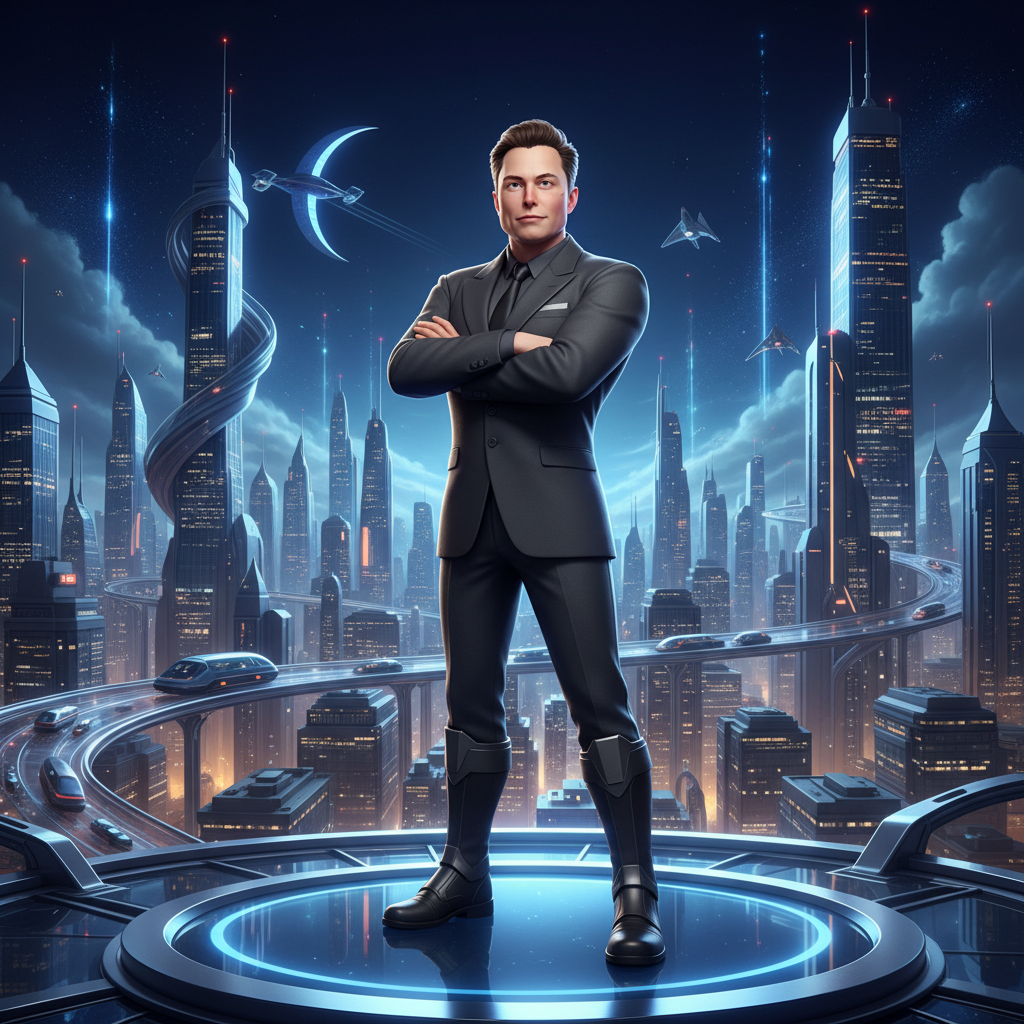
Elon Musk is one of the most influential entrepreneurs of the 21st century. He is the CEO of SpaceX and Tesla, driving innovation in space travel and sustainable energy. Known for his ambitious goals, he is currently the richest person in the world.
Elon Musk is a visionary entrepreneur known for disrupting multiple industries. He currently leads SpaceX, Tesla, Neuralink, and The Boring Company. His goal is to reduce global warming and enable human life on Mars.
Early Life
Elon Musk was born on June 28, 1971, in Pretoria, South Africa. He showed an early talent for computers and entrepreneurship. He holds South African, Canadian, and U.S. citizenship.
Childhood Interests
Avid Reader: Consumed science fiction and encyclopedias for hours daily.
Computing: Learned to code at a very young age using a Commodore VIC-20.
First Sale: Created a video game called 'Blastar' at age 12 and sold it for $500.
Visionary: Always interested in space, energy, and the future of humanity.
Avid reader of encyclopedias and science fiction novels
Taught himself computer programming at age 10
Created and sold a video game called Blastar for $500
Education
Queen's University: Started his undergraduate studies in Kingston, Ontario, Canada.
UPenn: Transferred to the University of Pennsylvania in the USA.
Dual Degrees: Graduated with a B.S. in Physics and a B.A. in Economics (Wharton).
Stanford Dropout: Enrolled in a PhD in energy physics but dropped out after just two days to launch his first company.
Attended Queen's University in Kingston, Ontario
Transferred to UPenn; earned degrees in Physics and Economics
Accepted to Stanford PhD program but dropped out after 2 days
First Business Ideas
Musk saw the future in the Internet, sustainable energy, and space exploration. He moved to Silicon Valley in 1995 to be part of the internet boom.
Zip2: The First Startup
Founding: Co-founded with his brother Kimbal in 1995.
Function: Provided online city guides and maps to newspapers (like The New York Times).
Hard Work: Musk lived in the office and coded through the night to keep the server running.
Exit: Sold to Compaq in 1999 for over $300 million. Musk made $22 million.
Founded in 1995 to provide online city guides for newspapers
Started with $28,000; Musk lived in the office to save money
Sold to Compaq in 1999 for $307 million; Musk walked away with $22 million
The PayPal Journey
Musk used his Zip2 millions to co-found X.com, which became PayPal. It revolutionized online payments. eBay acquired PayPal for $1.5 billion in 2002.
SpaceX: Looking to the Stars
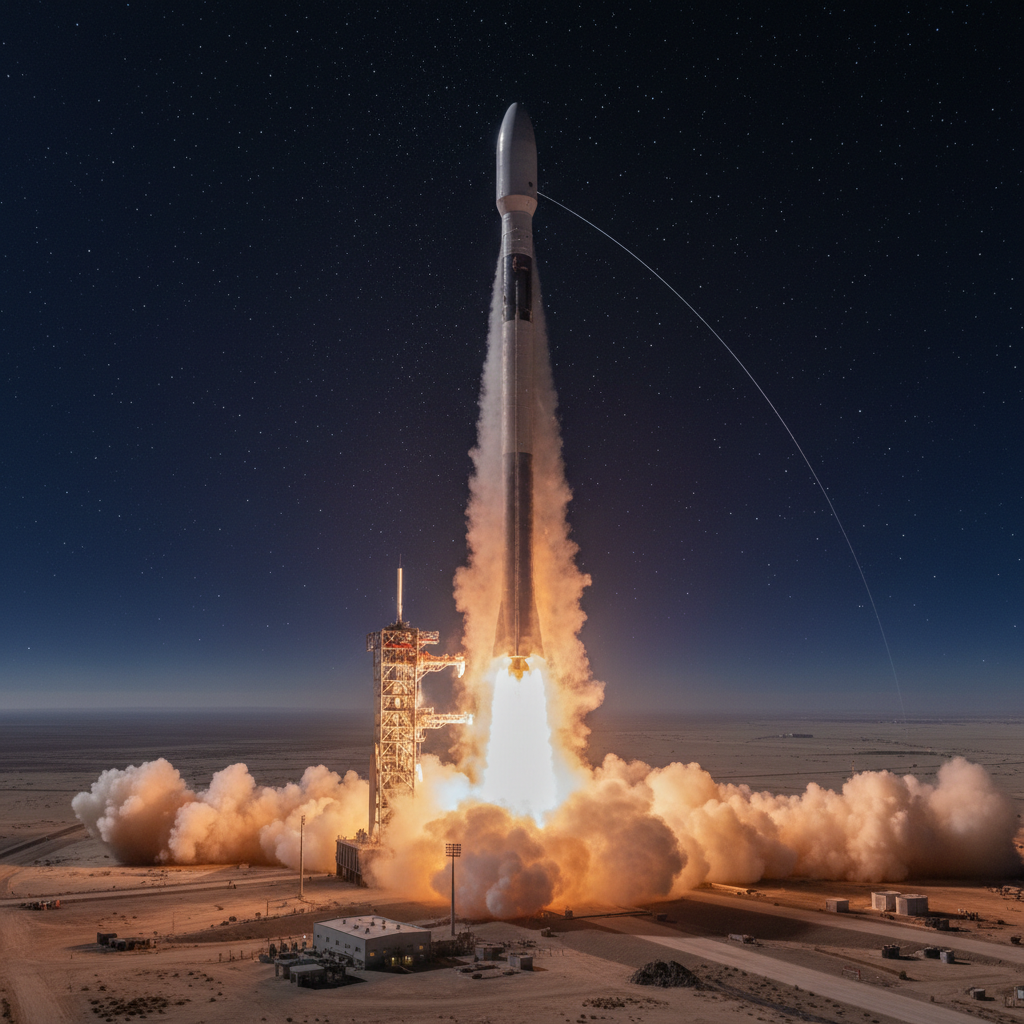
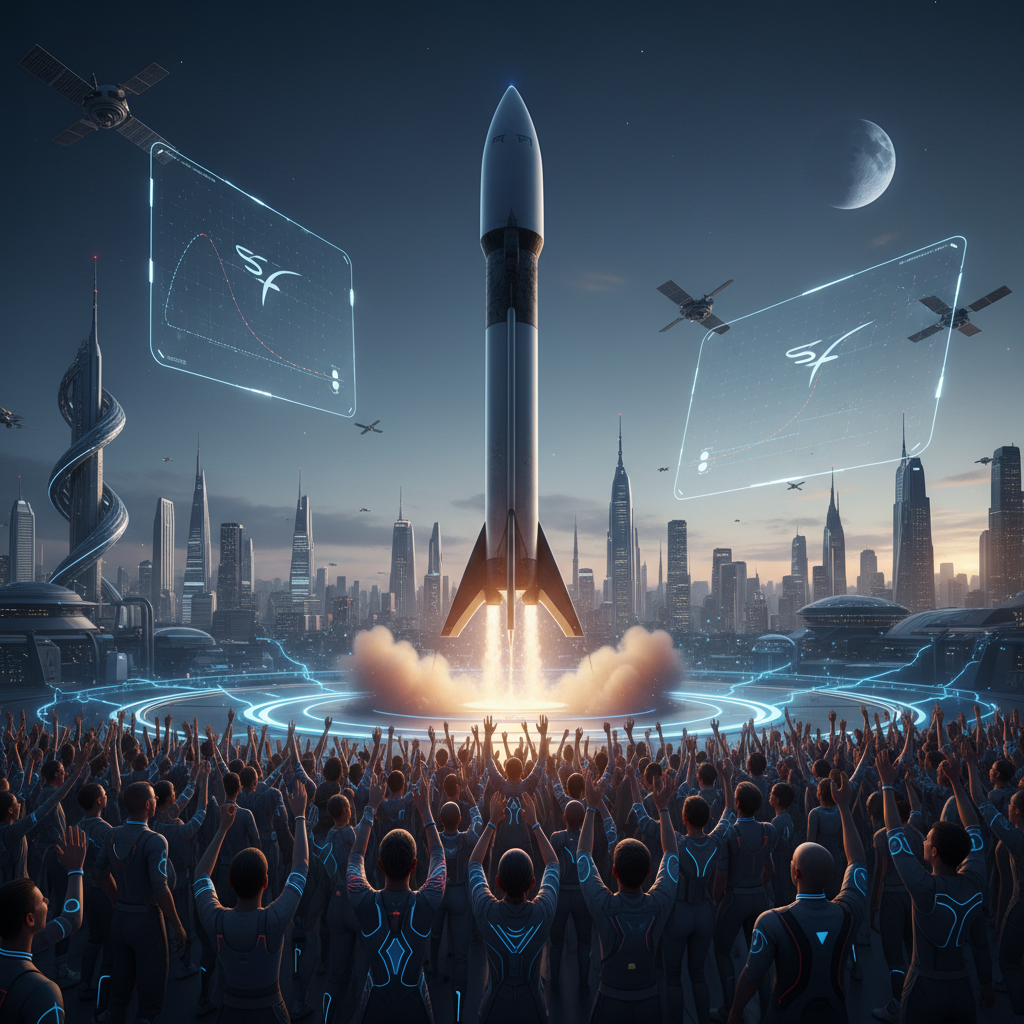
Founded in 2002, SpaceX (Space Exploration Technologies Corp.) was born from Musk's dream to make humanity a multi-planetary species. The goal was simple but incredibly hard: reduce space transportation costs to enable the colonization of Mars.
Revolutionizing Space Technology
Founded in 2002 with the goal of reducing space transportation costs and enabling the colonization of Mars.
SpaceX Achievements
SpaceX shattered records by becoming the first private company to launch a spacecraft to the International Space Station (ISS). Their most iconic achievement is the reusable rocket technology—landing rocket boosters back on Earth to be flown again, drastically cutting costs.
First private liquid-fuel rocket to reach orbit (2008)
First private spacecraft to dock with the ISS (2012)
World's first orbital class reusable rocket
Developing the largest rocket ever for Mars colonization
Tesla, Inc.
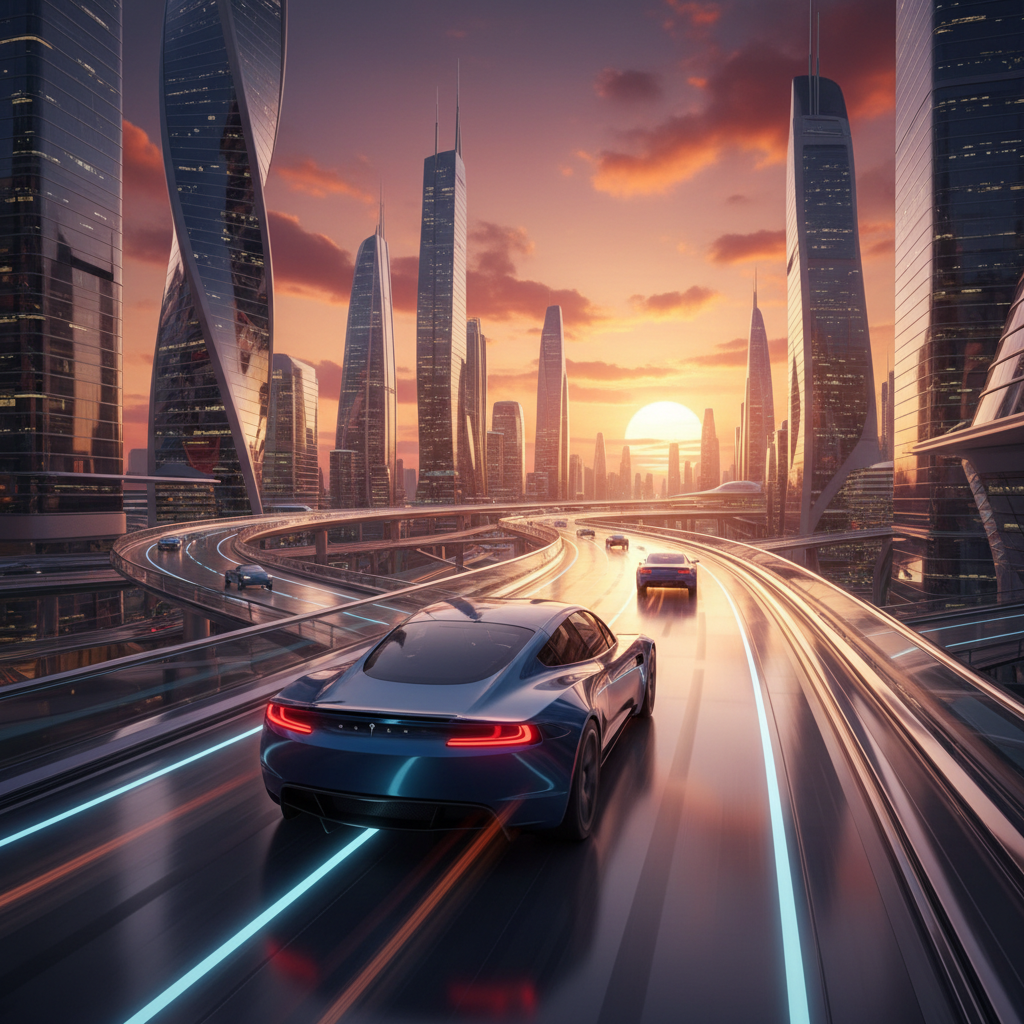
Musk joined Tesla motors in 2004 as an investor and chairman, later becoming CEO. The mission extended beyond just making cars: it was to accelerate the world's transition to sustainable energy through electric vehicles (EVs) and solar products.
Accelerating Sustainable Energy
Musk joined in 2004 and became CEO in 2008. Tesla produces electric vehicles, battery energy storage, and solar products.
Starting with the luxury Model S, Tesla proved electric cars could be cool and fast. The launch of Model 3 and Model Y brought EVs to the mass market. As shown in the chart, production has grown exponentially, making Tesla the most valuable car company in the world.
Revolutionized electric cars with high performance and range
Became the best-selling electric car in history
Constructed massive factories to scale battery production
Leading development in self-driving technology
Beyond Cars and Rockets
Neuralink: Developing brain-machine interfaces to help solve neurological problems.
The Boring Company: Digging tunnels to alleviate urban traffic congestion.
SolarCity: Acquired by Tesla to integrate solar panels and battery storage (Powerwall).
X (Twitter): Acquired the social media platform to influence global communication.
Developing implantable brain-machine interfaces
Infrastructure and tunnel construction services to solve traffic
Acquired the social media platform in 2022
Challenges Faced
In 2008, both Tesla and SpaceX were near bankruptcy. Musk invested his last millions to save them. He also faced 'Production Hell' during the Model 3 ramp-up.
Failures
SpaceX Launch Failures: The first three Falcon 1 rockets exploded, nearly bankrupting the company.
Ousted as CEO: He was fired as CEO from both Zip2 and PayPal by the board of directors.
Product Delays: Frequent criticism for missing aggressive deadlines (Cybertruck, Full Self-Driving).
Public Scrutiny: Faced lawsuits and fines from the SEC affecting stock prices.
The Comeback
Falcon 1's fourth launch succeeded, saving SpaceX. Tesla went public in 2010. By 2021, Elon Musk became the richest person in the world.
Musk's success is reflected in his financial growth. Through stock ownership in Tesla and SpaceX, he skyrocketed to become the world's richest person. This chart shows the massive growth in his net worth, demonstrating the immense value his companies created.
Became the richest person in the world
Named TIME Person of the Year (2021)
Normalized electric vehicles globally
Returned human spaceflight to US soil
Leadership Qualities
First Principles Thinking: Breaking problems down to their fundamental truths rather than copying others.
Risk Tolerance: Willingness to invest his entire fortune into his ideas.
Hands-on Management: Deeply involved in engineering and design details.
Unwavering Vision: Focuses on long-term goals (Mars, sustainable energy) regardless of short-term noise.
Boil things down to the most fundamental truths and reason up from there
Deeply involved in engineering decisions and details
Focuses on long-term goals for humanity rather than short-term profits
Lessons from Musk
Dream Big: Don't be afraid to pursue 'impossible' goals.
Be Resilient: Failure is an option here. If things are not failing, you are not innovating enough.
Work Hard: Success requires extreme dedication and effort.
Ignore Critics: Believe in your logic and vision even when others doubt you.
When something is important enough, you do it even if the odds are not in your favor.
Conclusion
Elon Musk's story is one of intellect, grit, and audacity. From a book-loving child in South Africa to the man leading us to Mars, he illustrates that with enough determination, one person can indeed change the world.
- elon-musk
- spacex
- tesla
- entrepreneurship
- business-biography
- innovation
- startup