
Made byBobr AI

History of the British Empire: Expansion & Global Legacy

Explore the rise and fall of the British Empire, from its 16th-century origins to the modern Commonwealth, covering key milestones and economic impacts.

#british-empire#world-history#colonialism#commonwealth-of-nations#decolonization#historical-timeline
Watch
Pitch

The British Empire

Expansion, Administration, and Global Legacy

Made byBobr AI

What was the British Empire?

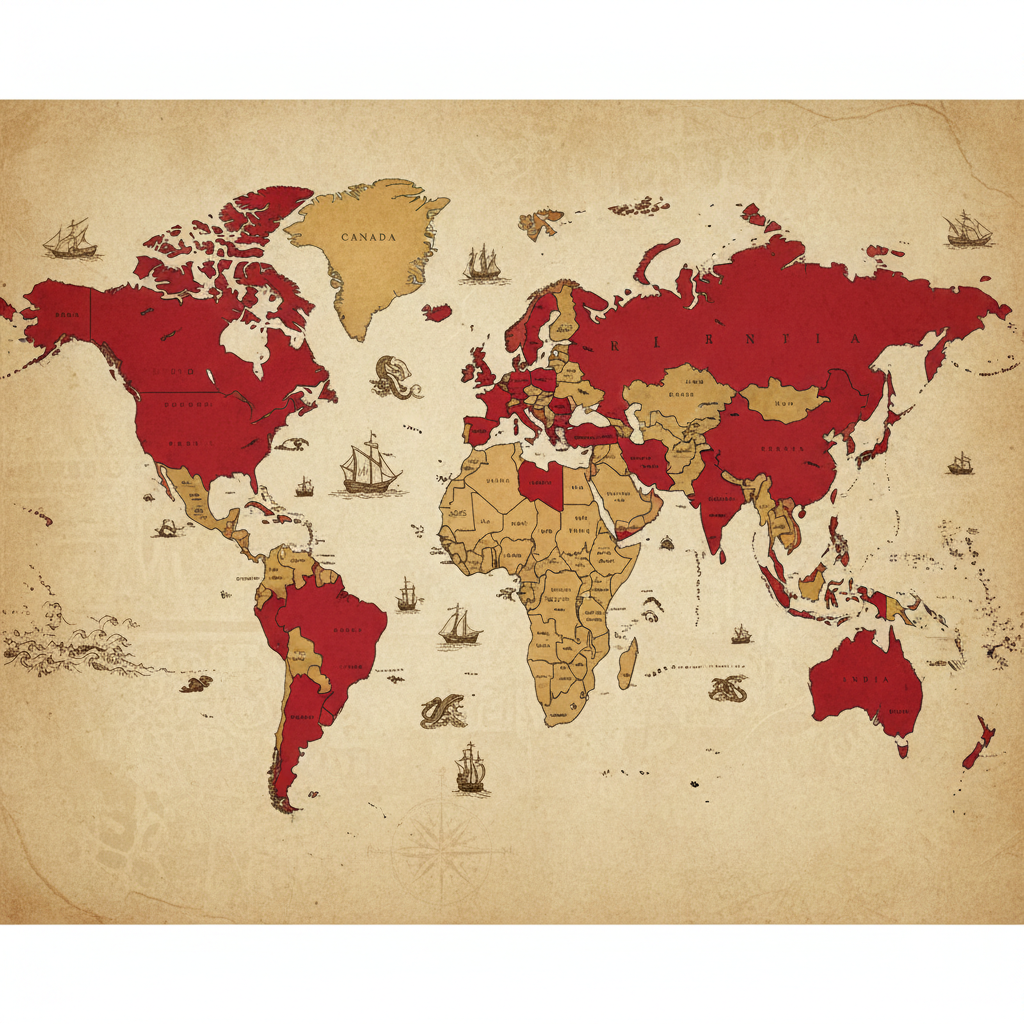
The British Empire was the largest empire in history, comprised of dominions, colonies, protectorates, mandates, and other territories ruled or administered by the United Kingdom. It originated with the overseas possessions and trading posts established by England between the late 16th and early 18th centuries.

Representation of Empire
Made byBobr AI

Global Dominance (c. 1920)

At its peak, the Empire covered approximately 25% of the world's land surface. The phrase 'the sun never sets on the British Empire' was used because its span across the globe ensured that the sun was always shining on at least one of its numerous territories.

Chart
Made byBobr AI

Timeline of Expansion

  • 1600–1783: The 'First Empire' focused on the Americas and the Caribbean. Ended with the loss of American colonies.
  • 1783–1914: The 'Second Empire' expanded rapidly into Asia, Africa, and the Pacific. Britain became the global industrial hegemon.
  • 1914–1945: Expansion peaked after WWI, but economic strain from two world wars weakened imperial control.
Made byBobr AI

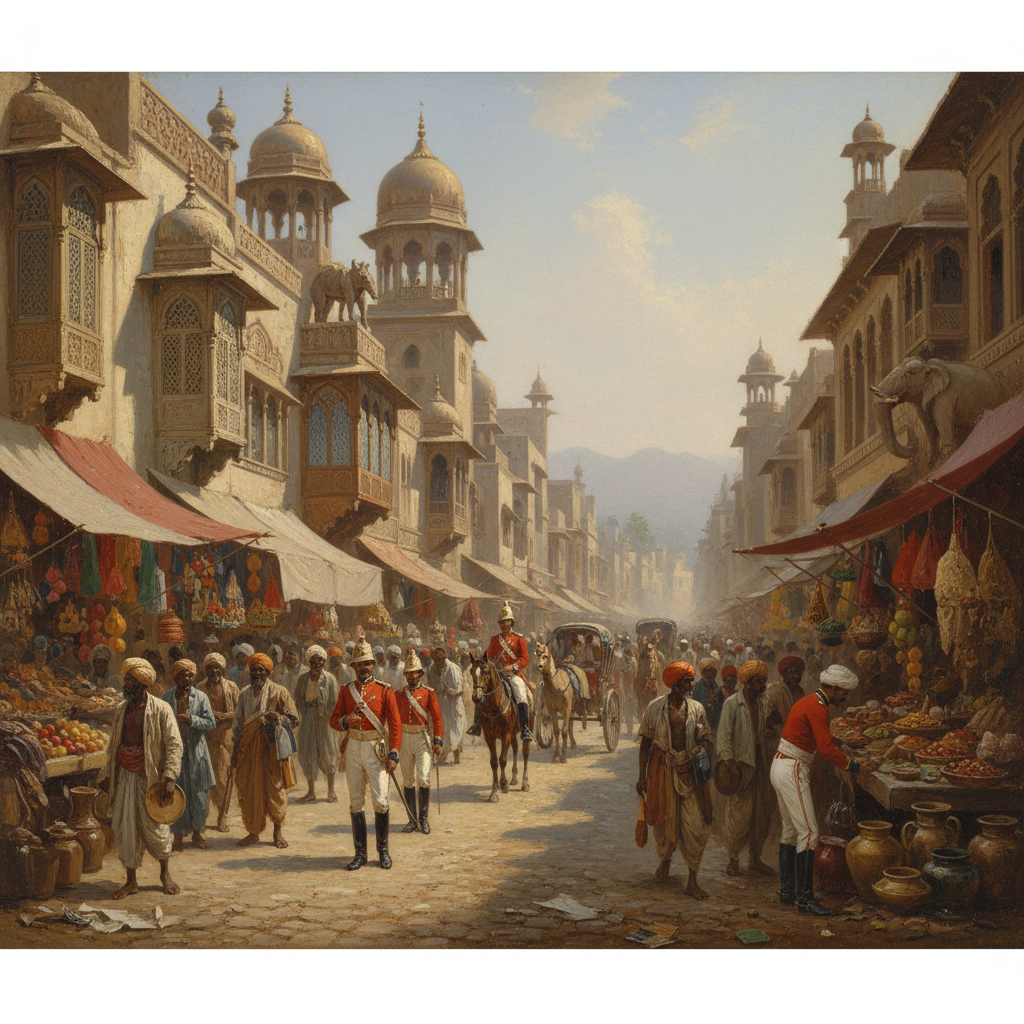
India: The Jewel in the Crown

India was the most valuable possession of the empire. Initially managed by the East India Company for trade (spices, cotton, tea), control was transferred directly to the British Crown in 1858 following the Indian Rebellion. It provided immense wealth and military manpower to Britain.

British India
Made byBobr AI

Population Disparity (1920)

A key characteristic of the empire was the massive disparity between the population of the ruling nation (UK) and its subjects. Less than 50 million people in Britain ruled over more than 400 million people globally.

Chart
Made byBobr AI

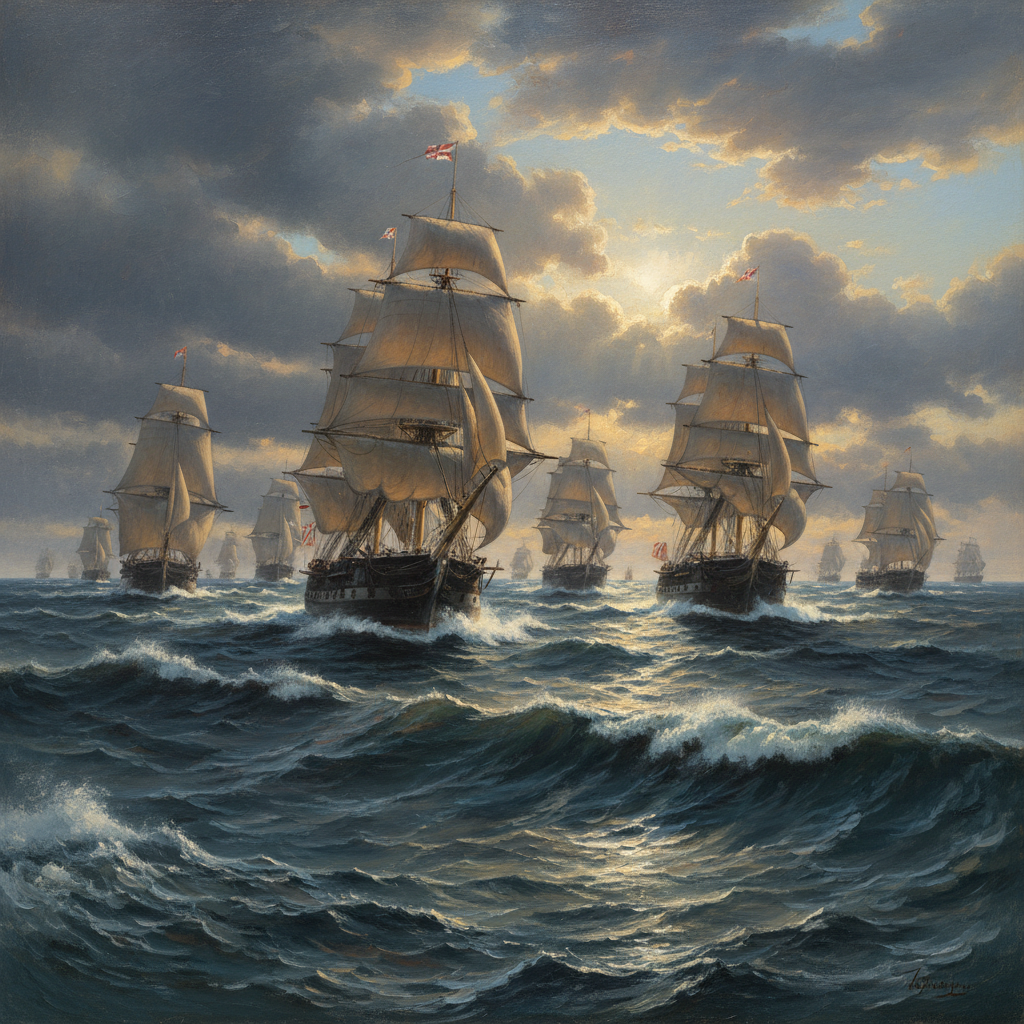
Rule Britannia: Naval Power

Made byBobr AI

Economic & Cultural Impact

Infrastructure: Construction of railways, roads, bridges, and ports to facilitate resource extraction and trade.

Language & Law: Spread of the English language and the Common Law legal system, which remain in use today.

Exploitation: Resource extraction, destruction of local industries (e.g., textiles), and historical famines sparked debate on the cost of empire.

Made byBobr AI

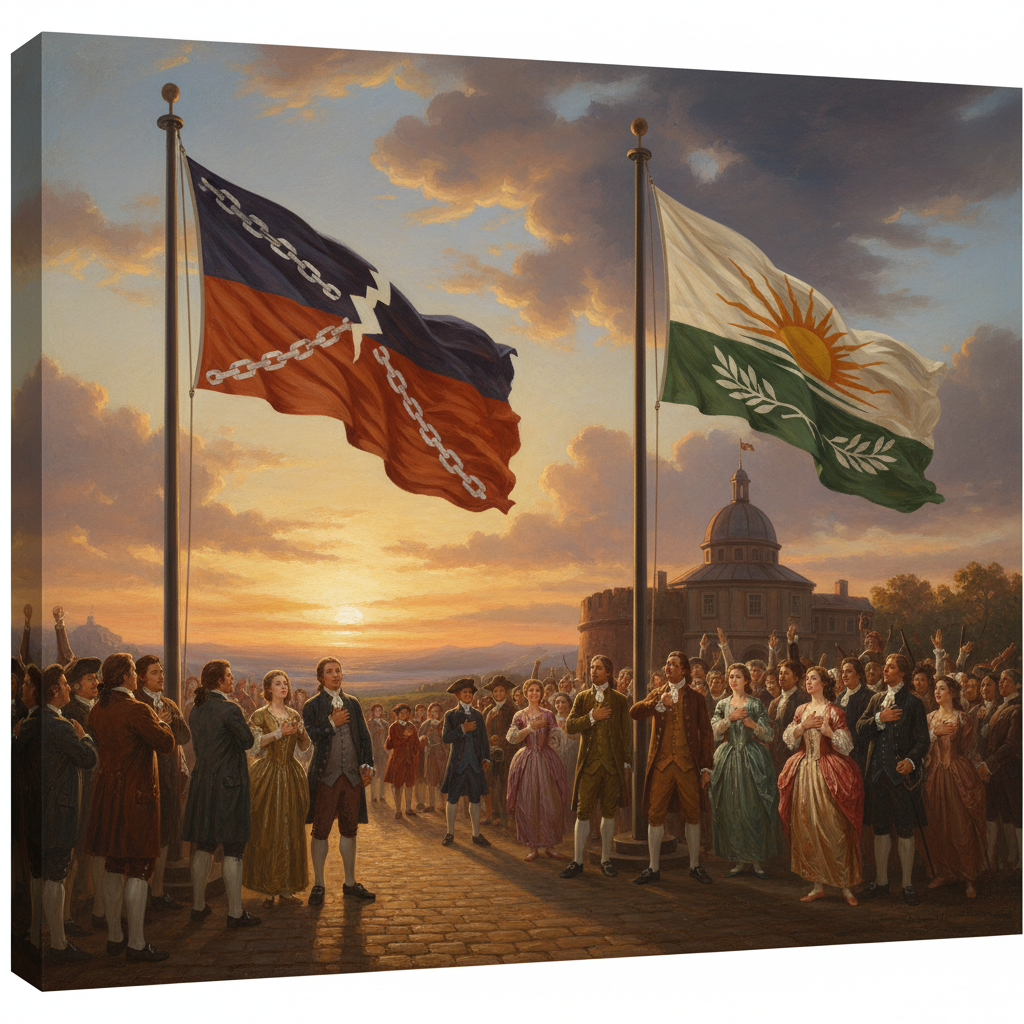
Decolonization (1945–1997)

World War II left Britain economically bankrupt and unable to maintain its vast empire. Independence movements gained momentum, leading to the partition of India (1947) and the 'Wind of Change' in Africa (1960s). The 1997 handover of Hong Kong is often marked as the empire's end.

Made byBobr AI

“The Empire is gone, but its legacy remains in the language, laws, and sports of 56 nations today.”

— The Modern Commonwealth

Made byBobr AI

British Empire Summary

  • Scale: Largest empire in history, 25% of land and population.
  • Economy: Built on global trade routes, naval supremacy, and colonial resources.
  • Legacy: While the political empire has dissolved, the Commonwealth of Nations maintains cultural and economic ties.
Made byBobr AI
Bobr AI

DESIGNER-MADE
PRESENTATION,
GENERATED FROM
YOUR PROMPT

Create your own professional slide deck with real images, data charts, and unique design in under a minute.

Generate For Free

History of the British Empire: Expansion & Global Legacy

Explore the rise and fall of the British Empire, from its 16th-century origins to the modern Commonwealth, covering key milestones and economic impacts.

The British Empire

Expansion, Administration, and Global Legacy

What was the British Empire?

The British Empire was the largest empire in history, comprised of dominions, colonies, protectorates, mandates, and other territories ruled or administered by the United Kingdom. It originated with the overseas possessions and trading posts established by England between the late 16th and early 18th centuries.

Global Dominance (c. 1920)

At its peak, the Empire covered approximately 25% of the world's land surface. The phrase 'the sun never sets on the British Empire' was used because its span across the globe ensured that the sun was always shining on at least one of its numerous territories.

Timeline of Expansion

1600–1783: The 'First Empire' focused on the Americas and the Caribbean. Ended with the loss of American colonies.

1783–1914: The 'Second Empire' expanded rapidly into Asia, Africa, and the Pacific. Britain became the global industrial hegemon.

1914–1945: Expansion peaked after WWI, but economic strain from two world wars weakened imperial control.

India: The Jewel in the Crown

India was the most valuable possession of the empire. Initially managed by the East India Company for trade (spices, cotton, tea), control was transferred directly to the British Crown in 1858 following the Indian Rebellion. It provided immense wealth and military manpower to Britain.

Population Disparity (1920)

A key characteristic of the empire was the massive disparity between the population of the ruling nation (UK) and its subjects. Less than 50 million people in Britain ruled over more than 400 million people globally.

Rule Britannia: Naval Power

Economic & Cultural Impact

Infrastructure: Construction of railways, roads, bridges, and ports to facilitate resource extraction and trade.

Language & Law: Spread of the English language and the Common Law legal system, which remain in use today.

Exploitation: Resource extraction, destruction of local industries (e.g., textiles), and historical famines sparked debate on the cost of empire.

Decolonization (1945–1997)

World War II left Britain economically bankrupt and unable to maintain its vast empire. Independence movements gained momentum, leading to the partition of India (1947) and the 'Wind of Change' in Africa (1960s). The 1997 handover of Hong Kong is often marked as the empire's end.

The Empire is gone, but its legacy remains in the language, laws, and sports of 56 nations today.

The Modern Commonwealth

British Empire Summary

Scale: Largest empire in history, 25% of land and population.

Economy: Built on global trade routes, naval supremacy, and colonial resources.

Legacy: While the political empire has dissolved, the Commonwealth of Nations maintains cultural and economic ties.

  • british-empire
  • world-history
  • colonialism
  • commonwealth-of-nations
  • decolonization
  • historical-timeline