
Made byBobr AI

Engine Valve Manufacturing: Processes, Materials & Design

Explore the precision engineering of engine valves, from metallurgical material selection and friction welding to forging and quality control metrics.

#engine-valve#automotive-engineering#metallurgy#manufacturing-process#friction-welding#mechanical-engineering#precision-engineering
Watch
Pitch

Engine Valve Manufacturing

Processes, Materials, and Precision Engineering

Made byBobr AI

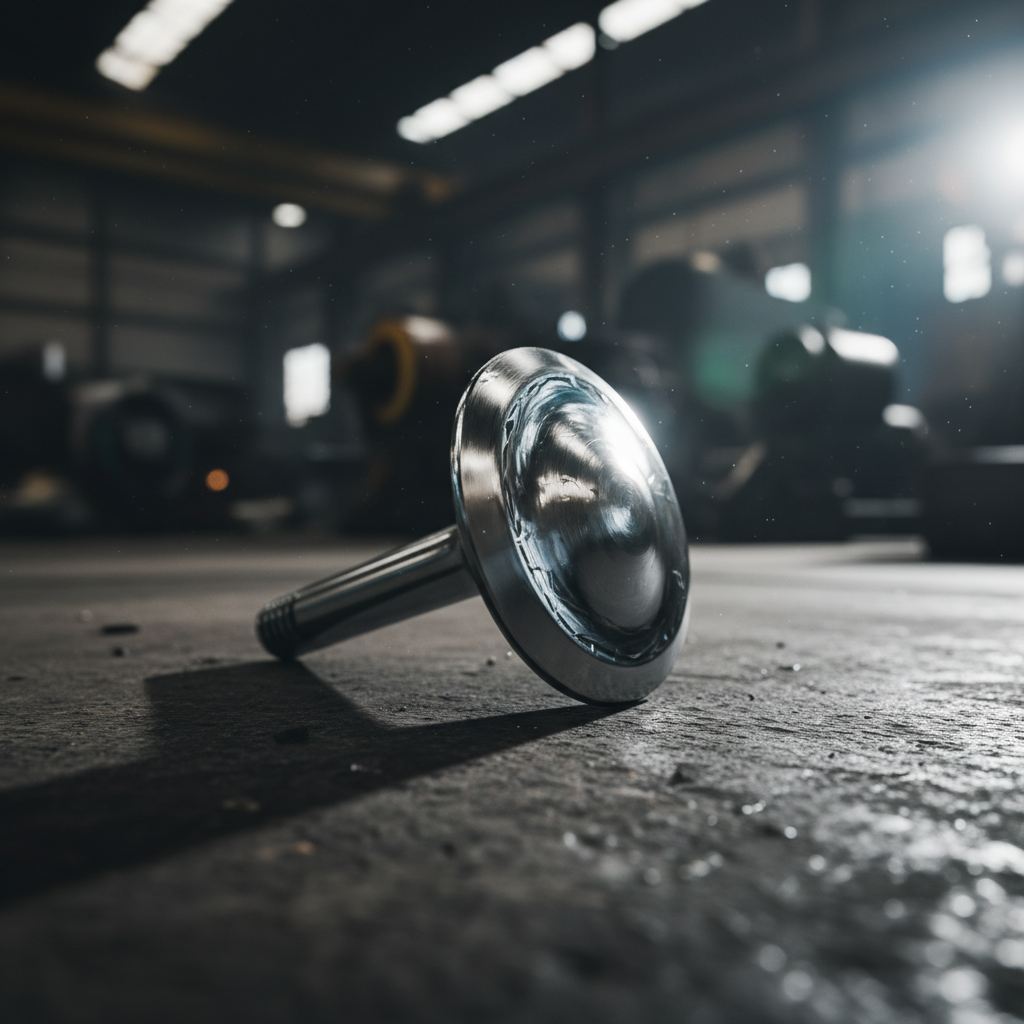
The Role of the Engine Valve

Engine valves are critical components responsible for controlling the airflow into and out of the cylinders. Intake valves allow the air-fuel mixture to enter, while exhaust valves permit burned gases to escape. Operating at rapid speeds and under immense pressure, they must maintain a perfect seal to ensure efficient combustion and engine performance.

Made byBobr AI

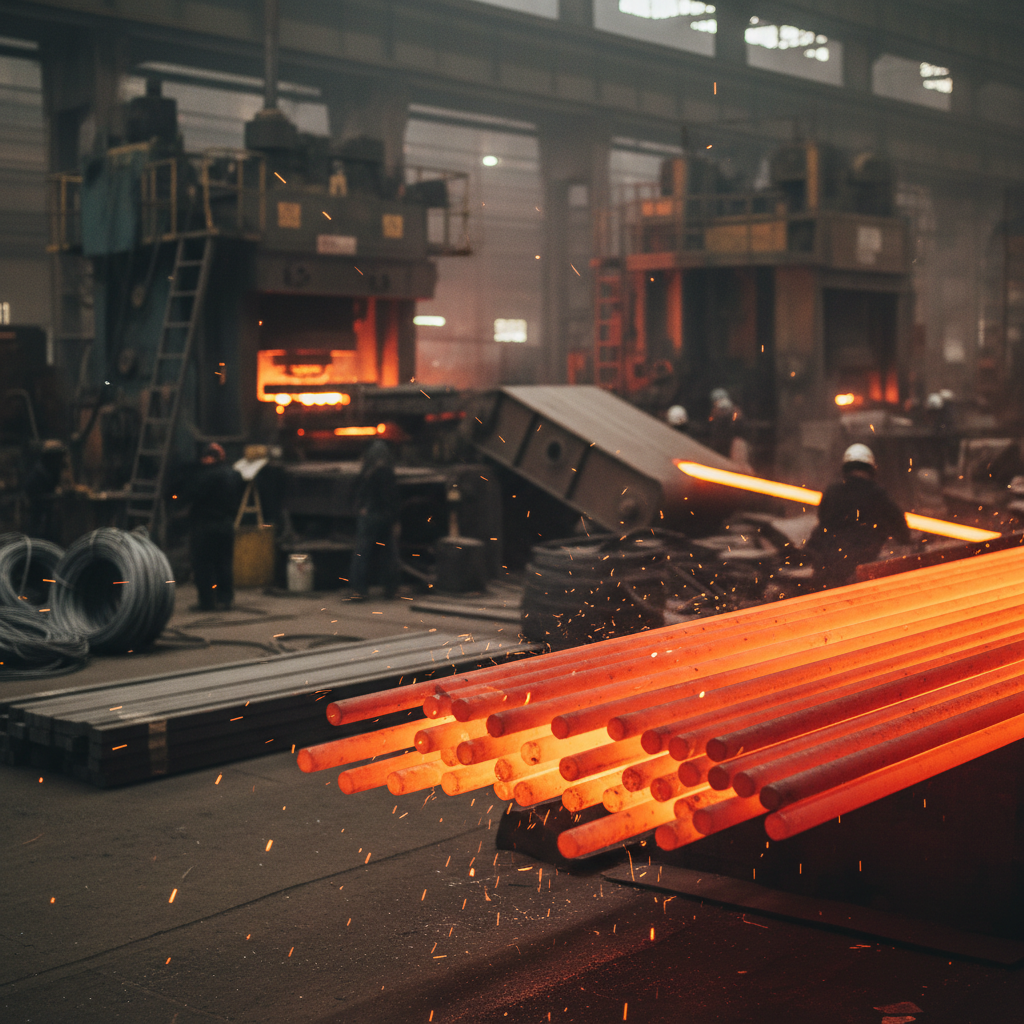
Material Selection: Steel & Alloys

Valves encounter extreme thermal and mechanical stress. Inlet valves are typically made from martensitic steel and silicon-chrome alloys. Exhaust valves, which face higher temperatures, often use austenitic stainless steels or nickel-based superalloys (like Nimonic) to resist corrosion and heat fatigue.

Made byBobr AI

Typical Alloy Composition (21-4N Steel)

21-4N is a standard super-alloy used for exhaust valves due to its high-temperature strength. The chromium content provides oxidation resistance, while manganese improves workability.

Chart
Made byBobr AI

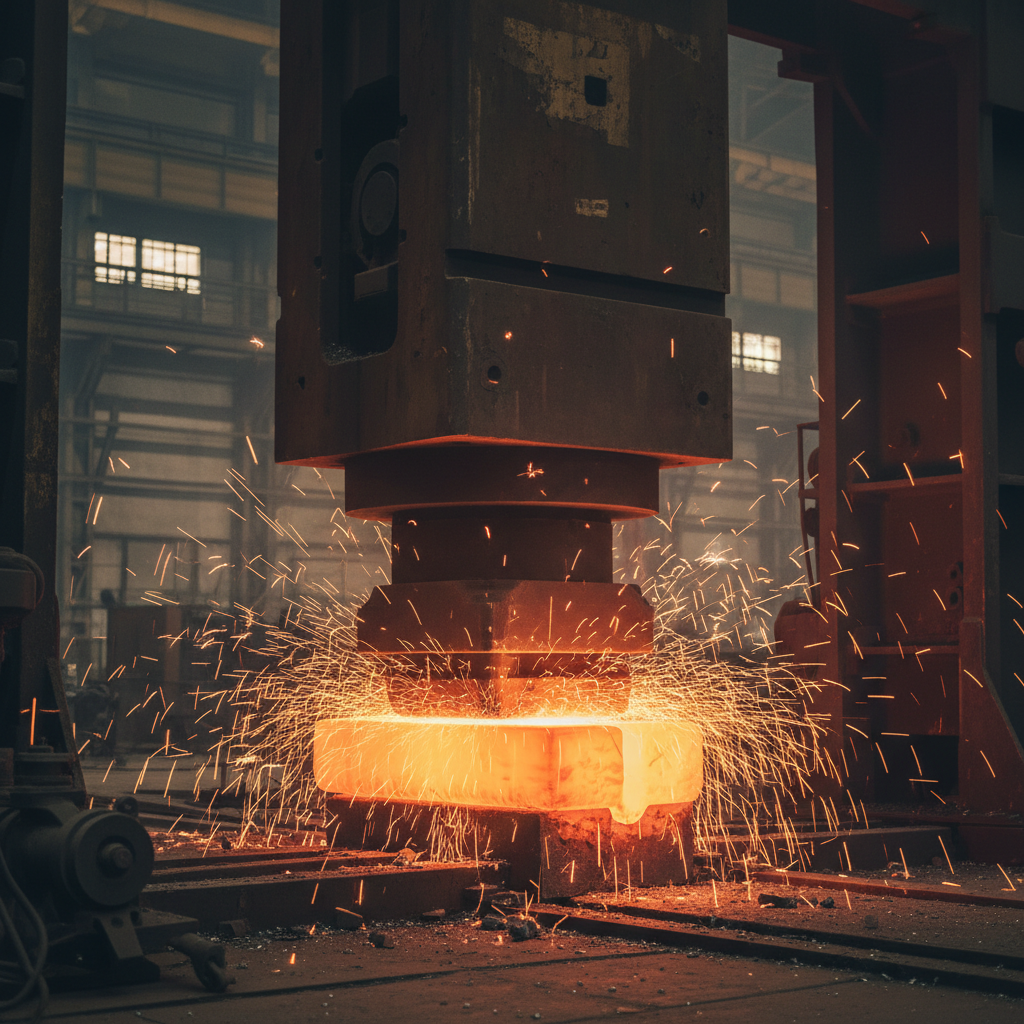
Forging and Upsetting

The manufacturing process often begins with 'upsetting,' where an electrical current heats the metal rod locally. The heated end is then forged into the valve head shape through a high-pressure die press. This aligns the grain structure of the metal, ensuring superior strength compared to machining from a solid block.

Made byBobr AI

Friction Welding: Bi-Metal Valves

  • Combines materials to optimize performance: a heat-resistant head with a wear-resistant stem.
  • Process involves spinning one component at high speed against the other until friction creates a bond.
  • Creates a joint as strong as the parent material without adding external filler metals.
  • Commonly used to join Nimonic heads to Martensitic steel stems.
Made byBobr AI

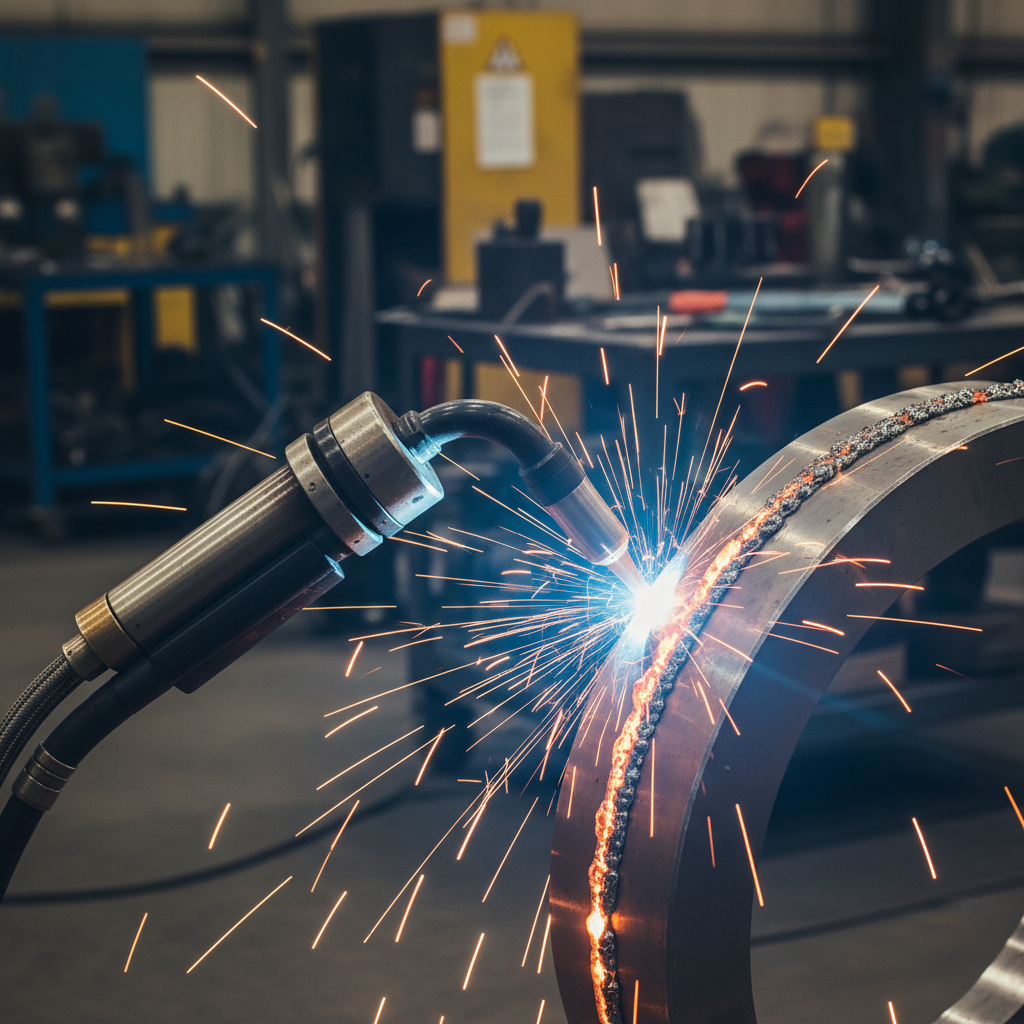
Stellite Hardfacing

To prevent wear at the valve seat contact area, a layer of Stellite (a cobalt-chromium alloy) is often applied. This is typically done using Plasma Transfer Arc (PTA) welding. The hardfacing ensures the valve can withstand millions of open-close cycles without pitting or losing its seal.

Made byBobr AI

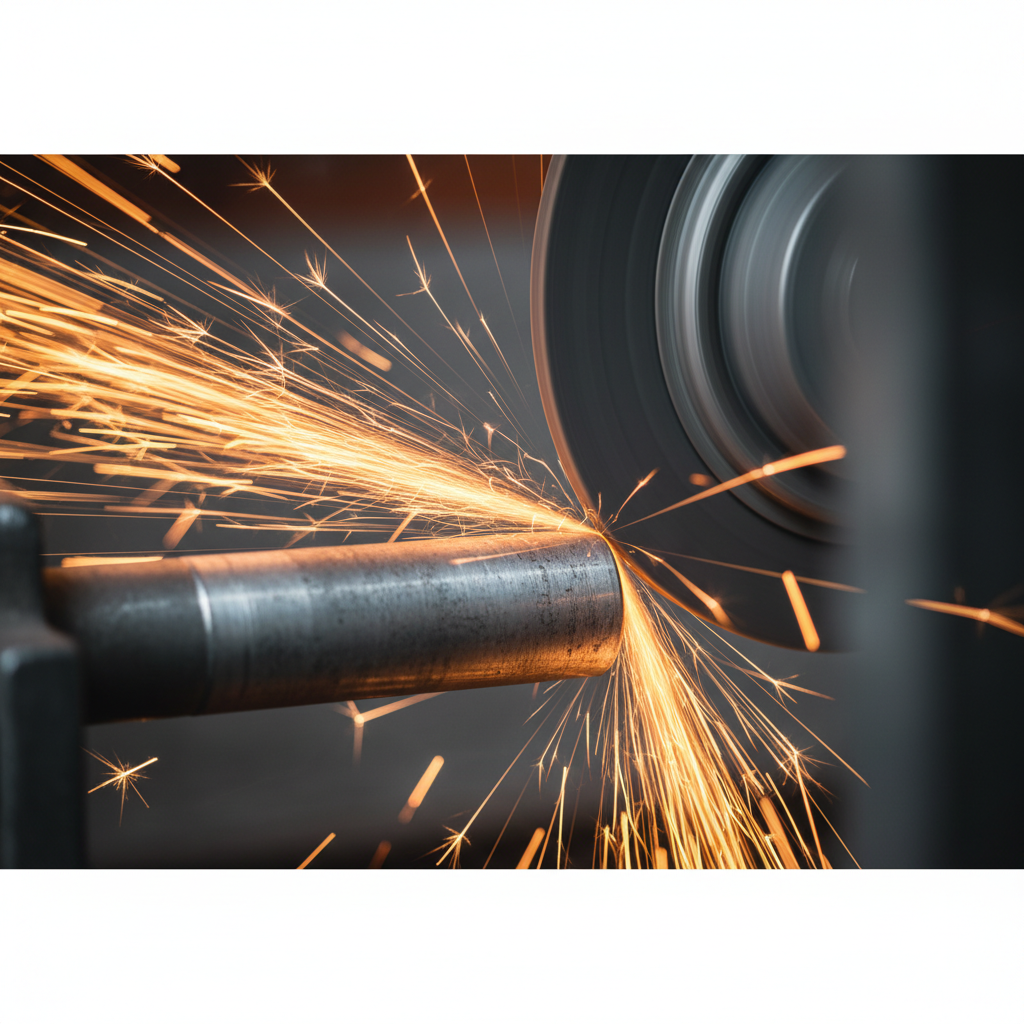
Precision Grinding & Finishing

Made byBobr AI

Quality Control Metrics

Dimensional Accuracy: Checked with laser gauges to micron tolerances.

Crack Detection: Magnetic particle or dye penetrant inspection.

Hardness Testing: Rockwell C scale verification for stems and tips.

Surface Finish: Smoothness testing (Ra value) for stem reduces friction.

Made byBobr AI

The modern engine valve is a marvel of metallurgy, designed to survive where few other components can—in the heart of the combustion chamber.

— Automotive Engineering Perspectives —

Made byBobr AI
Bobr AI

DESIGNER-MADE
PRESENTATION,
GENERATED FROM
YOUR PROMPT

Create your own professional slide deck with real images, data charts, and unique design in under a minute.

Generate For Free

Engine Valve Manufacturing: Processes, Materials & Design

Explore the precision engineering of engine valves, from metallurgical material selection and friction welding to forging and quality control metrics.

Engine Valve Manufacturing

Processes, Materials, and Precision Engineering

The Role of the Engine Valve

Engine valves are critical components responsible for controlling the airflow into and out of the cylinders. Intake valves allow the air-fuel mixture to enter, while exhaust valves permit burned gases to escape. Operating at rapid speeds and under immense pressure, they must maintain a perfect seal to ensure efficient combustion and engine performance.

Material Selection: Steel & Alloys

Valves encounter extreme thermal and mechanical stress. Inlet valves are typically made from martensitic steel and silicon-chrome alloys. Exhaust valves, which face higher temperatures, often use austenitic stainless steels or nickel-based superalloys (like Nimonic) to resist corrosion and heat fatigue.

Typical Alloy Composition (21-4N Steel)

21-4N is a standard super-alloy used for exhaust valves due to its high-temperature strength. The chromium content provides oxidation resistance, while manganese improves workability.

Forging and Upsetting

The manufacturing process often begins with 'upsetting,' where an electrical current heats the metal rod locally. The heated end is then forged into the valve head shape through a high-pressure die press. This aligns the grain structure of the metal, ensuring superior strength compared to machining from a solid block.

Friction Welding: Bi-Metal Valves

Combines materials to optimize performance: a heat-resistant head with a wear-resistant stem.

Process involves spinning one component at high speed against the other until friction creates a bond.

Creates a joint as strong as the parent material without adding external filler metals.

Commonly used to join Nimonic heads to Martensitic steel stems.

Stellite Hardfacing

To prevent wear at the valve seat contact area, a layer of Stellite (a cobalt-chromium alloy) is often applied. This is typically done using Plasma Transfer Arc (PTA) welding. The hardfacing ensures the valve can withstand millions of open-close cycles without pitting or losing its seal.

Precision Grinding & Finishing

Quality Control Metrics

Dimensional Accuracy: Checked with laser gauges to micron tolerances.

Crack Detection: Magnetic particle or dye penetrant inspection.

Hardness Testing: Rockwell C scale verification for stems and tips.

Surface Finish: Smoothness testing (Ra value) for stem reduces friction.

The modern engine valve is a marvel of metallurgy, designed to survive where few other components can—in the heart of the combustion chamber.

Automotive Engineering Perspectives

  • engine-valve
  • automotive-engineering
  • metallurgy
  • manufacturing-process
  • friction-welding
  • mechanical-engineering
  • precision-engineering