




Coca-Cola Energy Case Study: Pricing and Market Fit
Explore why Coca-Cola's energy drink launch faced challenges. A market analysis of price sensitivity, taste profiles, and packaging strategy.
Market Analysis: Coca-Cola Energy Drink Launch
A Case Study on Pricing, Product Fit, and Consumer Expectations
The Strategic Launch
Coca-Cola recently introduced a new energy drink to the global market, backed by a massive promotional campaign. The company invested significantly in advertising to position the product as a premium energy booster. Despite the strong brand heritage and marketing push, the initial market entry faced immediate challenges in consumer adoption.
Product Specifications & Positioning
Premium Pricing: Priced at ₹200 per unit.
Volume: Standard 300 ml serving size.
Packaging: Launched in plastic bottles rather than the category-standard aluminum cans.
Issue 1: Price Sensitivity
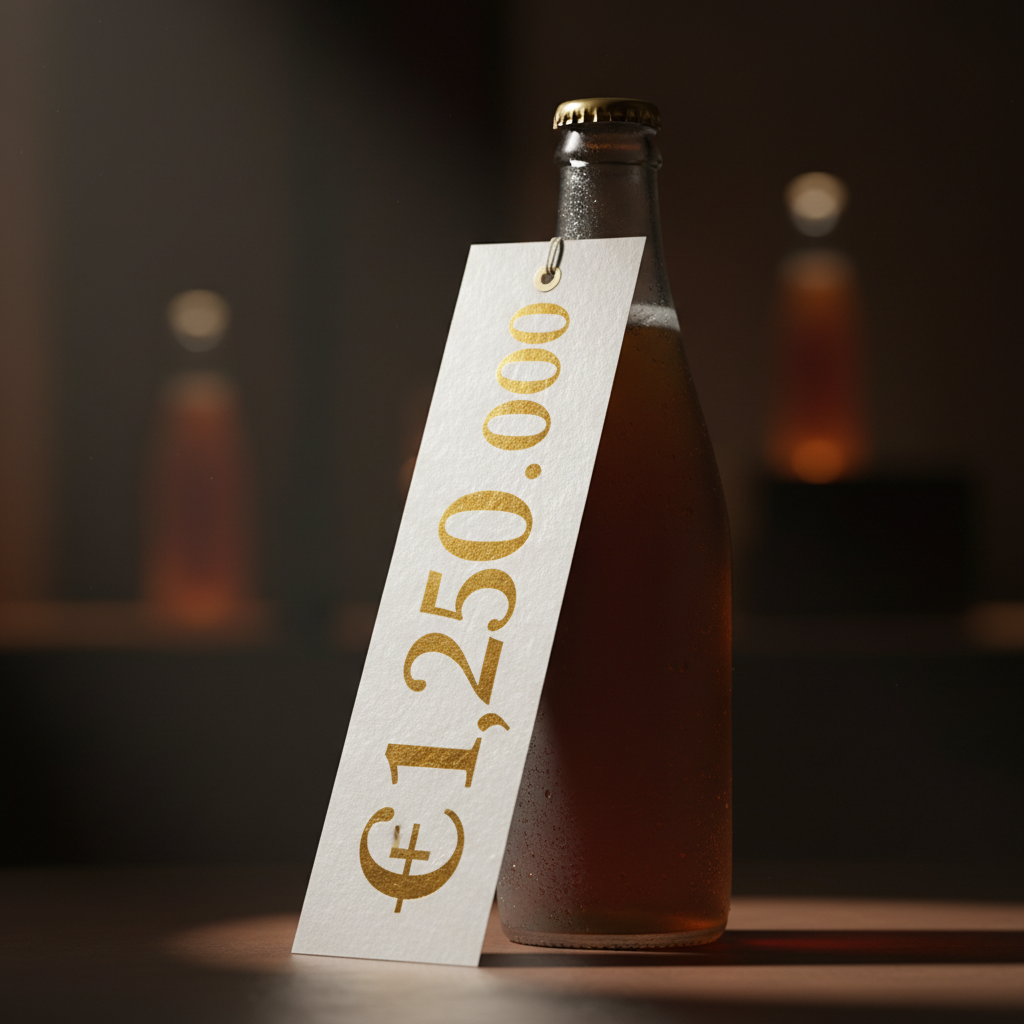
At ₹200 for 300 ml, the product was positioned at a premium price point. However, consumers found the cost prohibitive, especially when compared to established competitors offering similar or larger volumes at lower prices. The perceived value proposition did not align with the asking price.
Issue 2: Taste Profile
Taste is the primary driver of repeat purchases in the beverage sector. Feedback indicated that the flavor profile was unfavorable to many consumers. Without a compelling taste experience to justify the premium price, customer retention dropped significantly after the initial trial.
The choice of plastic packaging diluted the premium appeal, failing to match the expectations set by the high price point.
Industry Analysis On Packaging
Overall Market Response: Below Expectations
Conclusion A: The Mismatch
The fundamental failure stemmed from a clear mismatch between Price, Taste, and Consumer Expectations. The premium cost (₹200) promised a superior experience that the plastic packaging and polarizing taste failed to deliver. Consumers perceived a low value-to-cost ratio, stifling demand despite heavy advertising.
Conclusion B: Strategic Improvements Needed
Better Pricing Strategy: Realign cost to competitive market standards or justify premium status.
Taste Enhancement: Reformulate the distinct flavor profile to appeal to a broader audience.
Targeted Marketing & Packaging: Switch to premium materials (e.g., cans) to match the price perception.
Summary
Success in the competitive energy drink market requires synergy between product quality, presentation, and price. Without addressing these core pillars, even global giants can miss the mark.
- case-study
- market-analysis
- beverage-industry
- pricing-strategy
- product-launch
- business-strategy