

Box Pushing Technology in Urban Infrastructure & Construction
Explore Box Pushing Technology for trenchless underpass construction. Learn about methodologies, real-world case studies, and market growth in infrastructure.
BOX PUSHING TECHNOLOGY IN CONSTRUCTION
Live Case Study Report: Building Construction & Materials
Presented By: Omkar | Guided By: Shreedhar Sir
The Bottleneck: Urban Infrastructure
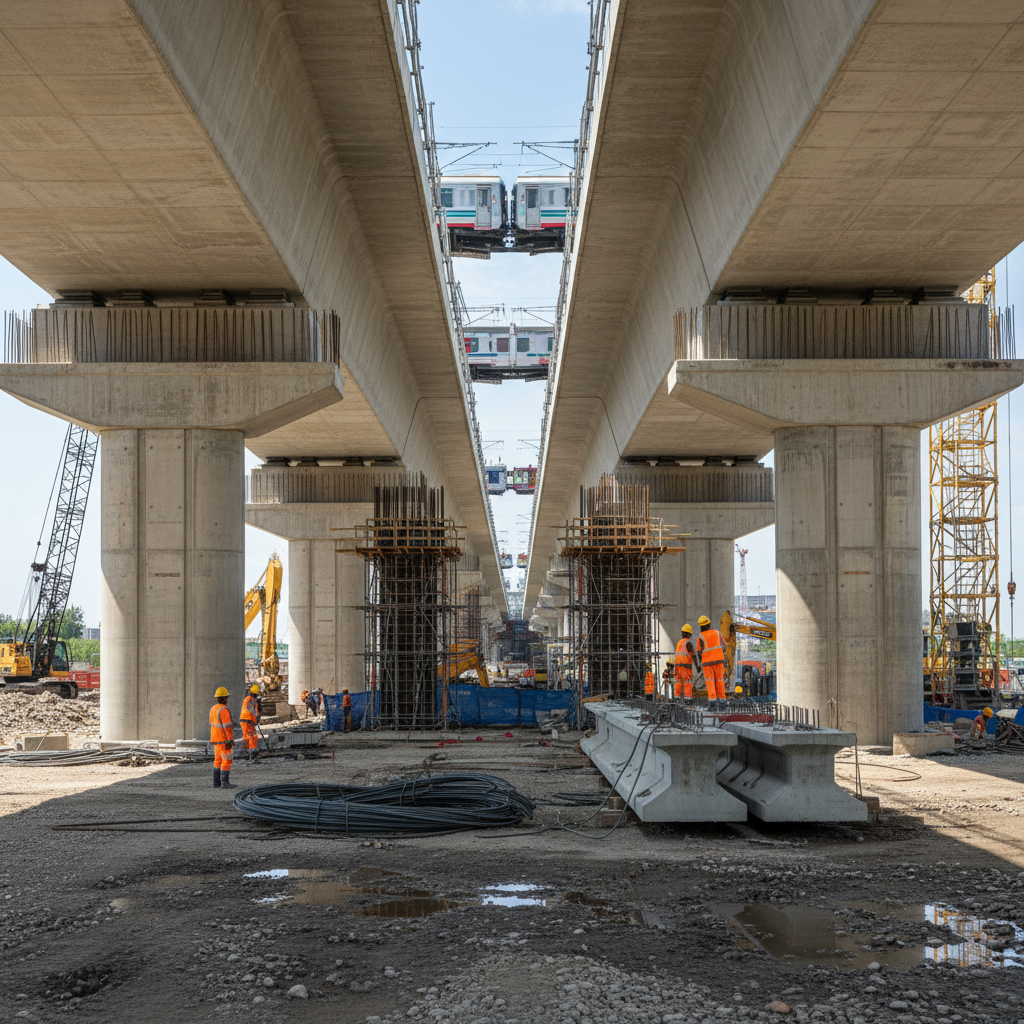
Traditional open-cut methods disrupt city life. 50% of urban underpass projects face massive delays because stopping traffic on live railways (50+ trains/day) or highways is impossible. The industry needs a trenchless solution that prioritizes safety and continuity.
Solution: Box Pushing Technology
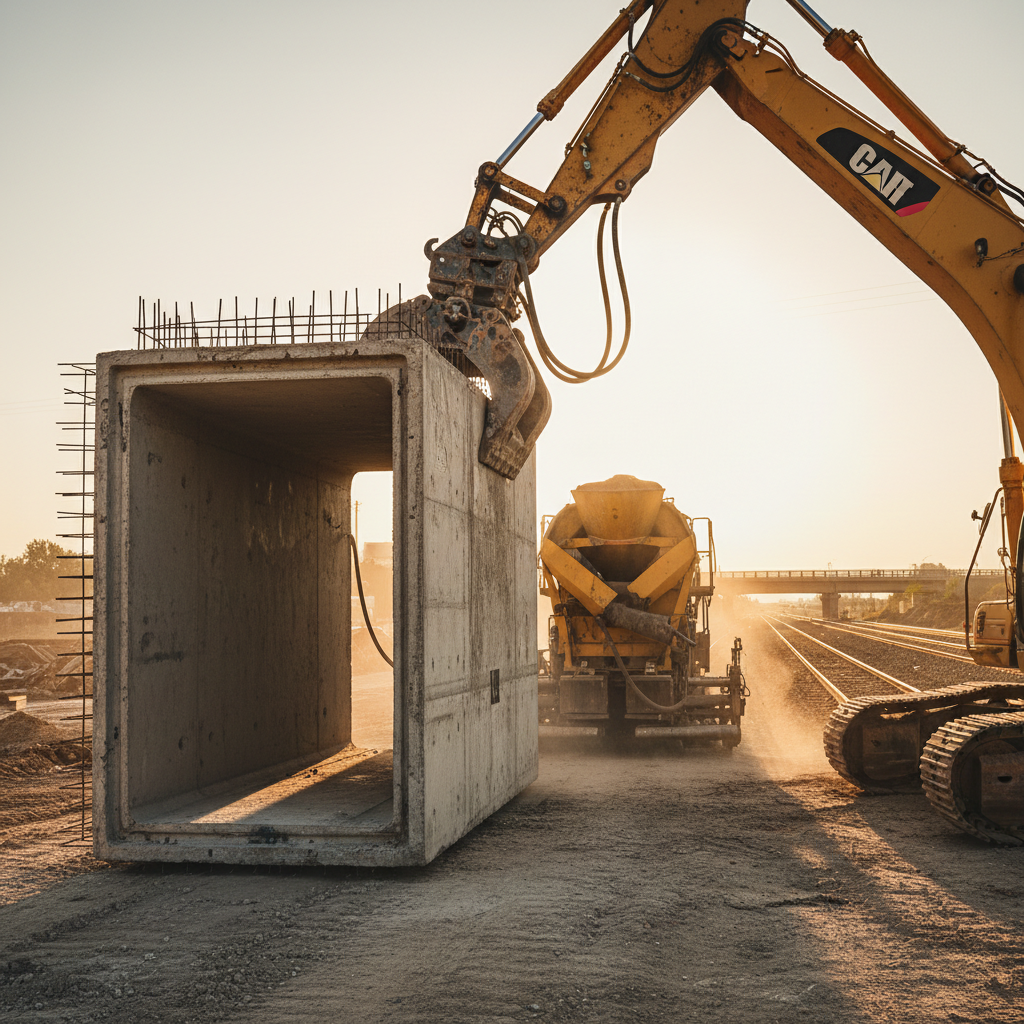
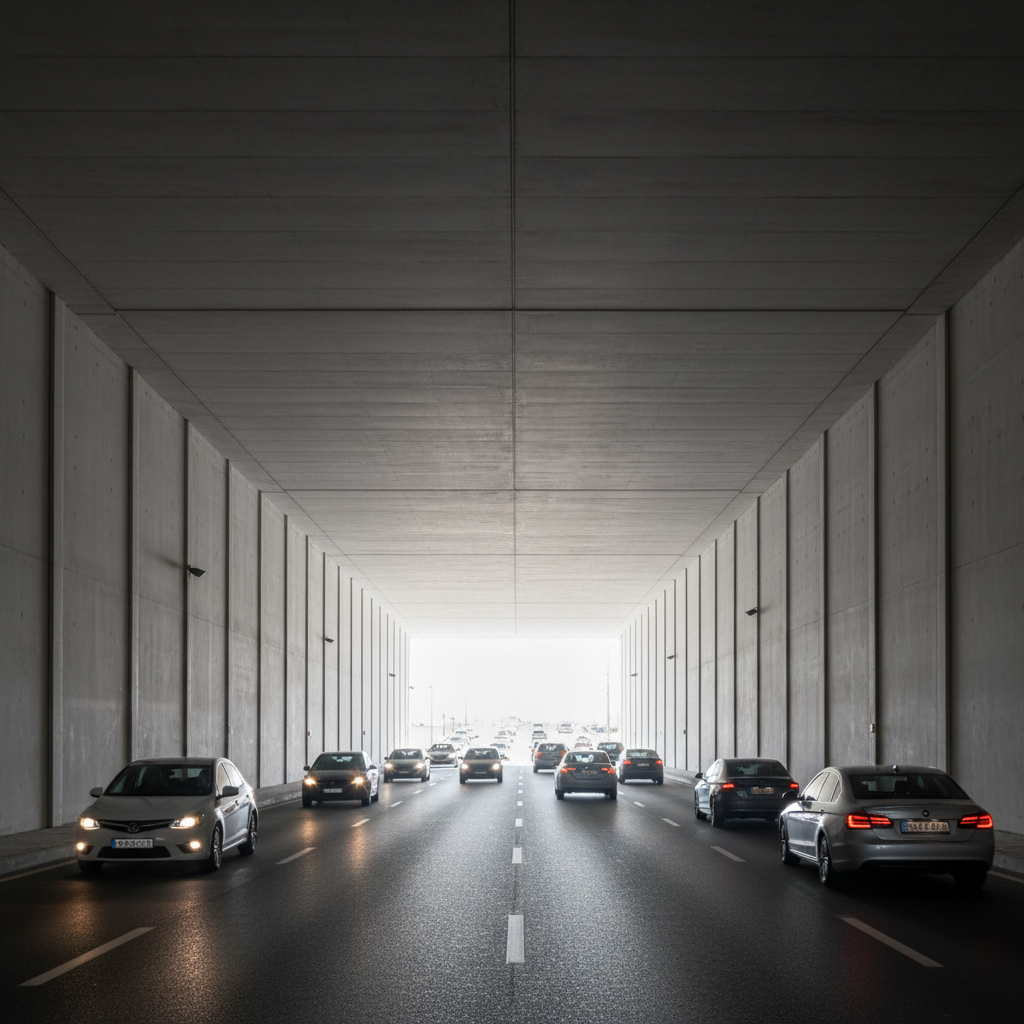
A trenchless method to construct underpasses beneath railways and highways without stopping traffic.
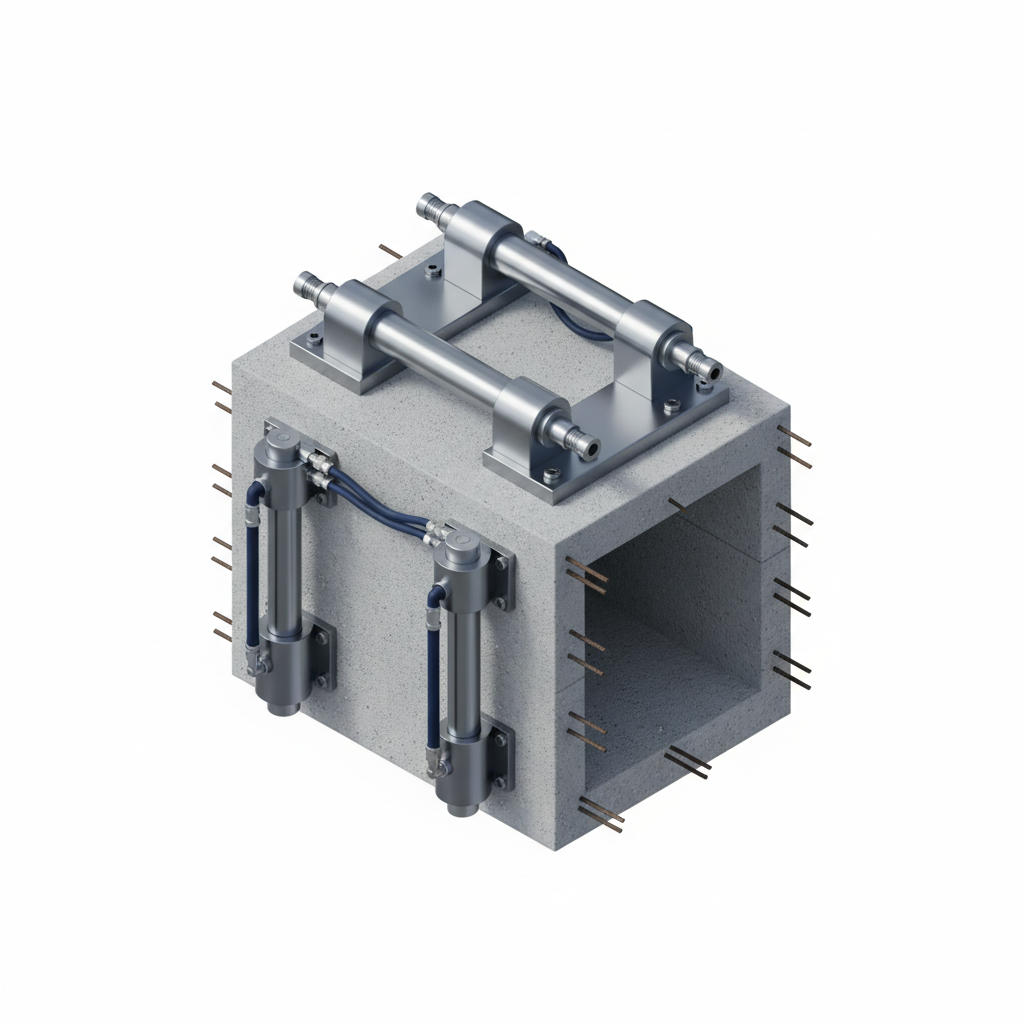
Utilizes high-power hydraulic jacks to push precast Reinforced Cement Concrete (RCC) boxes through the soil.
Primary Benefit: Zero traffic diversion required, ensuring 100% operational continuity for railways.
Market Size & Growth
The trenchless construction market is booming, driven by urbanization. By 2030, the global market is projected to exceed $40 Billion, with India and Asia representing a significant SAM (Serviceable Available Market) for railway infrastructure.
Methodology: Construction Steps
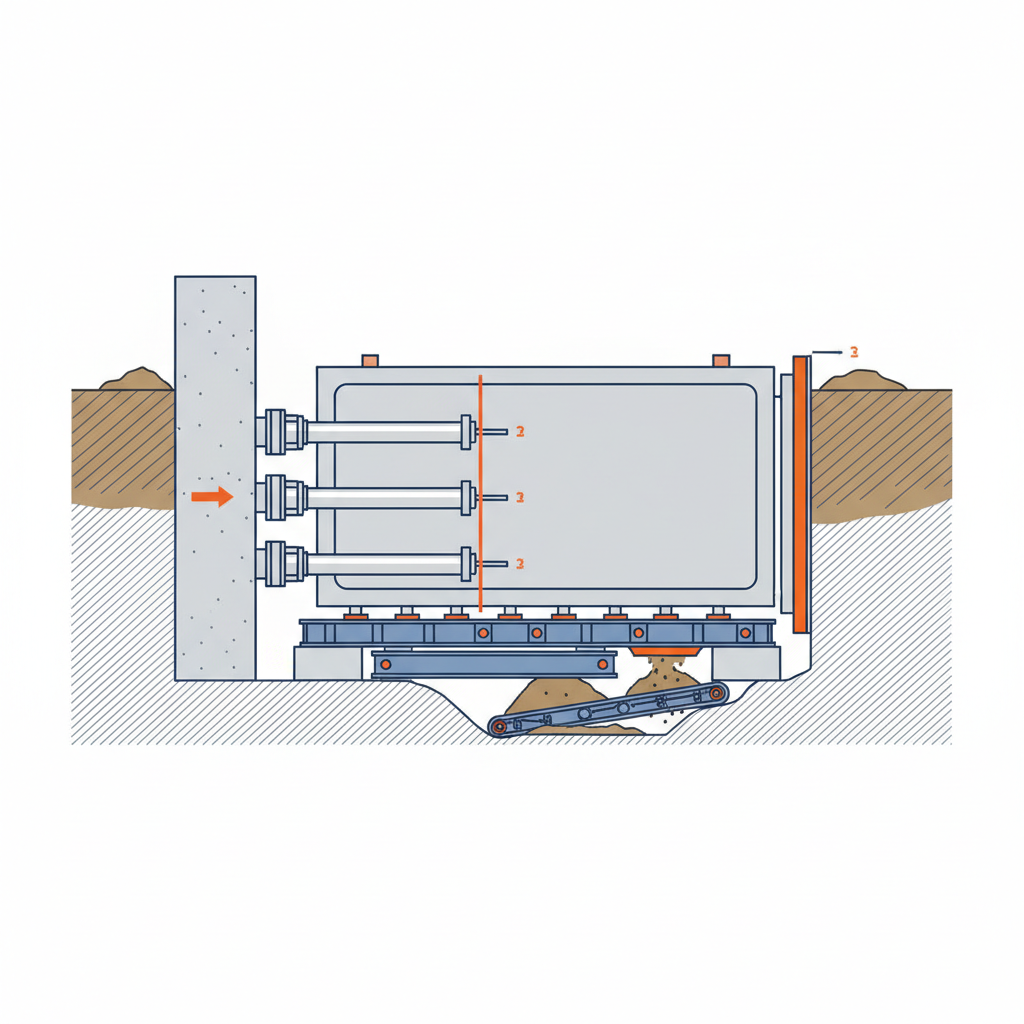
<strong style='color:#2980b9;'>Thrust Bed:</strong> Concrete launchpad constructed next to the site.<br><br><strong style='color:#2980b9;'>Casting:</strong> Box segments cast with a steel 'Cutting Edge'.<br><br><strong style='color:#2980b9;'>Jacking:</strong> Hydraulic jacks installed against a rear Reaction Wall.<br><br><strong style='color:#2980b9;'>Pushing:</strong> Jacks push the box; soil is excavated from inside.
Live Case Study: Urban Railway Under Bridge
Project: Road Under Bridge (RUB) beneath a live railway track.
Constraints: 50+ trains daily passing overhead. No traffic block or speed restriction allowed.
Soil Profile: Mixed soft soil and hard granite rock requiring hybrid excavation.
Execution: Box was cast parallel to tracks and side-slewed into position over 45 days.
Real-World Challenges & Solutions
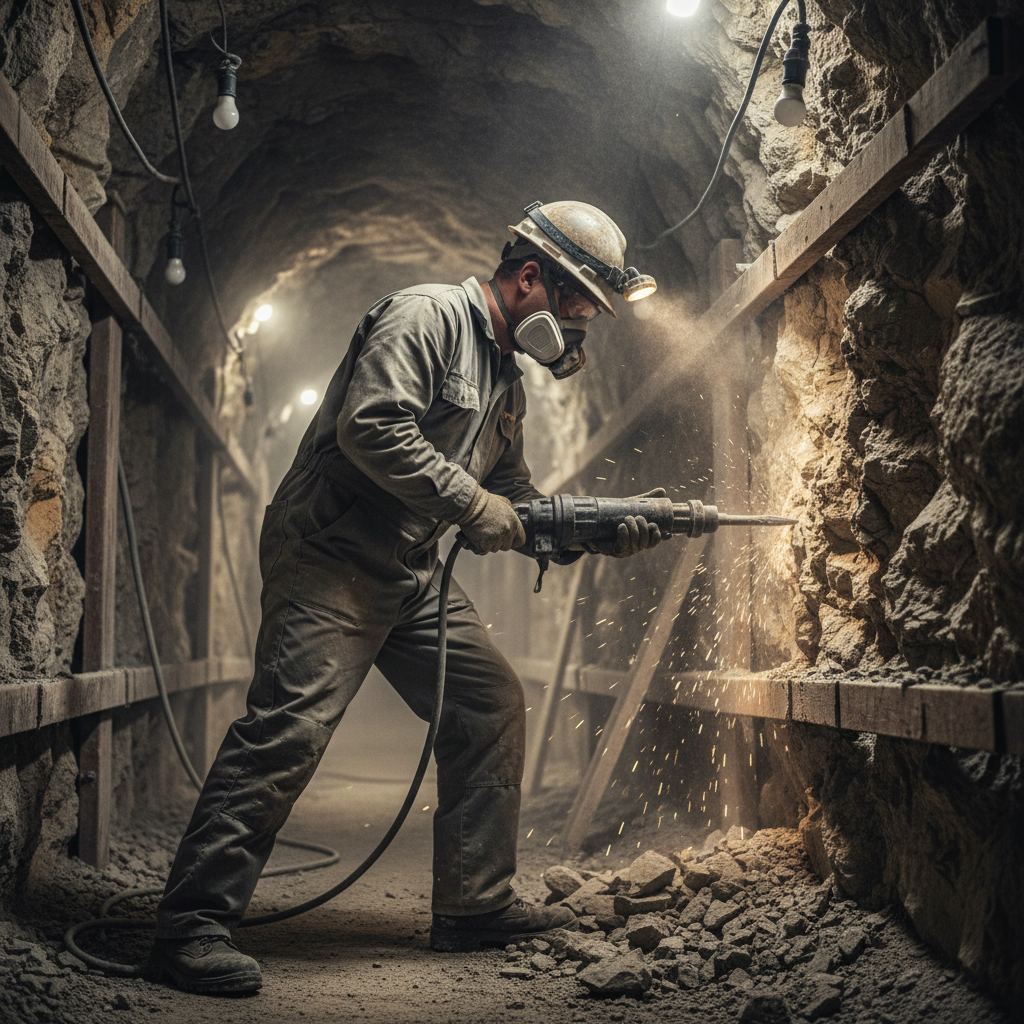
The project faced critical hurdles:<br>1. <b>Hard Granite Rock:</b> Hit unexpected rock strata. Solution: Manual chipping from inside under strict safety protocols.<br>2. <b>Alignment Tilt:</b> Box began to tilt. Solution: Corrected using drag sheets on the thrust bed.<br>3. <b>Water Seepage:</b> Groundwater entry. Solution: High-power dewatering pumps utilized continuously.
Business Model & Competitive Edge
Revenue Streams: 60% EPC Projects, 20% Equipment Leasing, 20% Specialized Consulting.
Advantages: Zero traffic disruption, 45-day completion speed vs 3 months for traditional methods, high concrete quality.
Mitigating Risks: High initial equipment cost is offset by speed-to-revenue. Skilled labor required is managed via internal training programs.
Financial Projections: Scaling to $50M
Our 5-year plan focuses on scaling from pilot projects to dominating the serviceable market in Asia. With margins optimizing at 30% by Year 3, we project exponential growth.
Conclusion & Team
Box Pushing is the best solution for city infrastructure crossing busy tracks, completing verified projects in 45 days. Proper soil investigation is crucial for success.<br><br><b>Team:</b><br>Omkar - Lead Presenter<br>Shreedhar Sir - Guidance & Advisory<br><br><b>Ask:</b> Seeking $2M Seed Funding for equipment expansion.
- trenchless-technology
- box-pushing
- civil-engineering
- construction-materials
- urban-infrastructure
- railway-engineering
- rcc-construction