


Made byBobr AI

Java Vending Machine Project: OOP Concepts & Simulation

Explore a Java mini project simulating a Smart Vending Machine. Learn about OOP principles, state management, and transaction logic in Java.

#java-project#vending-machine-simulation#object-oriented-programming#java-source-code#software-architecture#coding-tutorial
Watch
Pitch

Smt. Kamala & Sri Venkappa M. Agadi College of Engineering and Technology, Lakshmeshwar Department of Information Science & Engineering

Java Mini Project: Smart Vending Machine

Course: BCS306A - Object Oriented Programming with Java

Presented by: [Student Name] | USN: [Your USN] Semester: 3rd | Section: [A/B]

Guide: Mrs. Prathima Mahapurush (Course Coordinator)

Made byBobr AI

Introduction

The Vending Machine System is a simulation of an automated machine that dispenses items such as snacks and beverages to users after money is inserted and a selection is made.

Purpose of the Project:
To demonstrate core Object-Oriented Programming (OOP) concepts in Java, including encapsulation, state management, and exception handling, by modeling a real-world self-service kiosk.

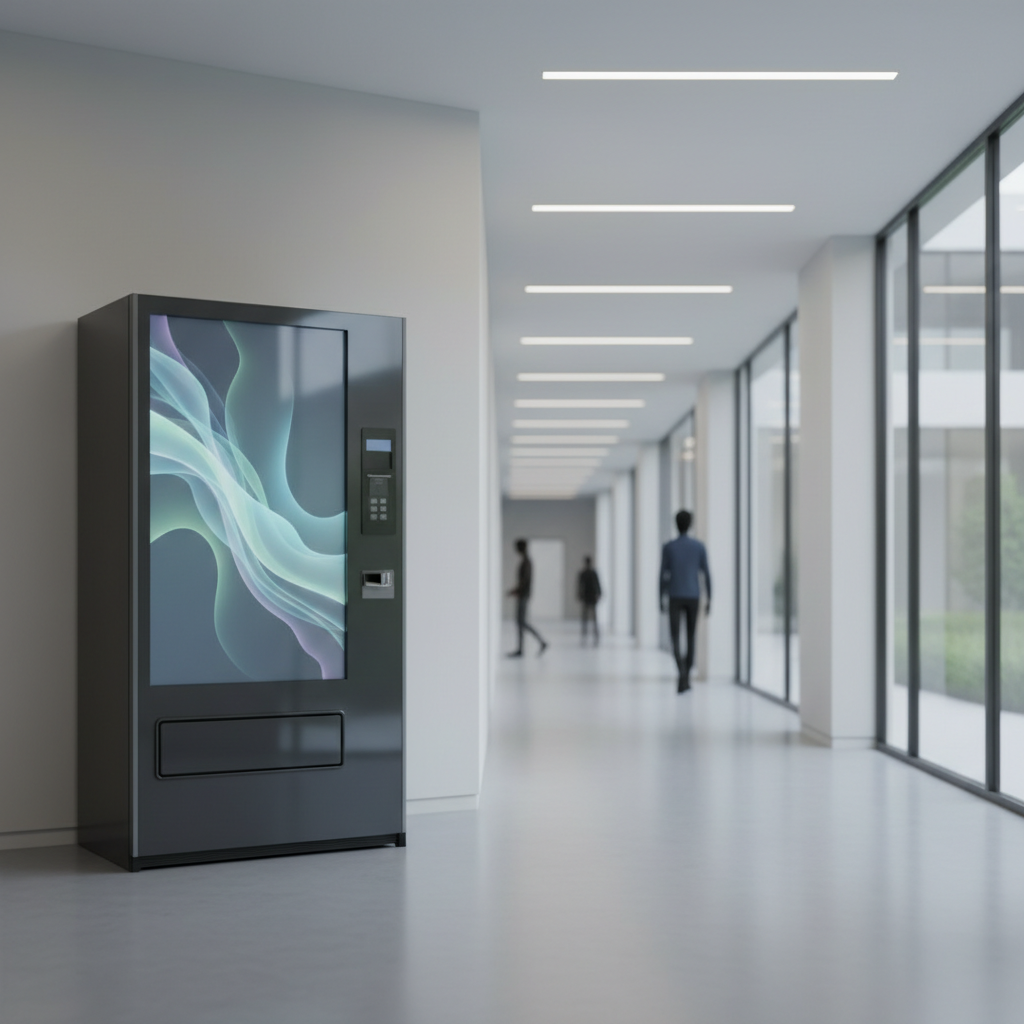
A modern, sleek digital vending machine standing in a clean university hallway, soft lighting, 3D render style
Made byBobr AI

Problem Statement

  • Manual retail counters require constant human presence, leading to high labor costs.
  • Human handling of small cash transactions is prone to calculation errors.
  • Traditional shops have limited operating hours, whereas users need 24/7 access to basic supplies.
  • This project solves these issues by automating the inquiry, payment, and dispensing process.
Made byBobr AI

Objectives

✓ To design a class structure that accurately models Products, Inventory, and Currency.
✓ To implement logical checks for stock availability and sufficient funds.
✓ To demonstrate the 'State Pattern' or switch-logic for machine states (Idle, Select, Pay, Dispense).
✓ To ensure robust error handling for user inputs (e.g., negative money, invalid codes).
Made byBobr AI
Diagram style illustration of a software boundary box interacting with a user and an administrator, minimal schematic style

Scope of the Project

System Covers:
- Inventory maintenance (add/remove items).
- Transaction processing (calculating total price vs. inserted cash).
- Change calculation logic.
- User Interface (Console based simulation).

Limitations:
- No physical hardware integration.
- Does not handle credit card processing APIs (simulation only).
Made byBobr AI

Technologies Used

🛠 Programming Language: Java (JDK 17 or higher)
💻 IDE: Eclipse / IntelliJ IDEA / NetBeans
📚 Concepts: OOP (Classes, Interfaces, Enums), Java Collections Framework (Map/List for Inventory)
Made byBobr AI

System Architecture

The architecture follows a sequential control flow:
1. Start: System initializes inventory.
2. Input: User inputs money and selects code.
3. Process: Validation Logic runs (Is code valid? Is balance > price?).
4. Action: Dispense Product & Return Balance OR Display Error.
5. Termination: Transaction completes; return to idle.
Flowchart diagram of a vending machine process logic on a whiteboard, clear lines, blue marker style
Made byBobr AI

Implementation (Core Logic)

public class VendingMachine { private Map prices = new HashMap<>(); private int balance = 0; public VendingMachine() { prices.put("A1", 25); // Set price for item A1 } public void insertMoney(int amount) { balance += amount; System.out.println("Balance: " + balance); } public String selectItem(String code) { if (!prices.containsKey(code)) return "Invalid Selection"; int cost = prices.get(code); if (balance < cost) return "Insufficient Funds"; balance -= cost; return "Dispensing Item... Change: " + balance; } }
Made byBobr AI

Output Screens

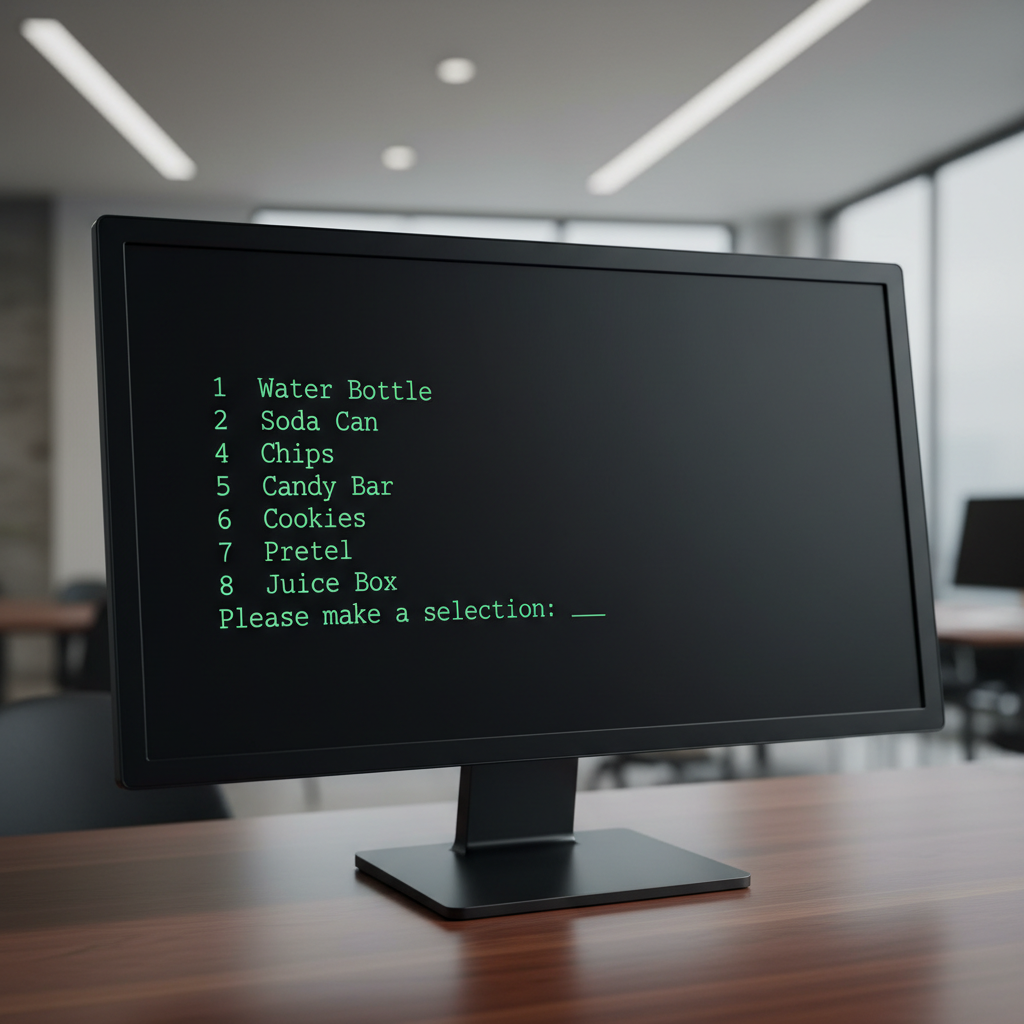
The console interface guides the user through the process.

Step 1: Menu Display.
Step 2: Money Insertion Confirmation.
Step 3: Successful Transaction message with change calculation.
Computer monitor displaying a command line interface black screen with green text showing vending machine options
Made byBobr AI

Results & Analysis

The system was tested with various scenarios to ensure reliability.

Achievements:
- 100% calculation accuracy for change dispensing.
- Robust handling of 'Out of Stock' events.
- Reduced transaction time compared to manual processing.
Chart
Made byBobr AI

Conclusion

"The Java Mini Project successfully implements a Vending Machine simulation. It validates the use of Object Oriented Programming to solve real-world automation problems, providing a scalable foundation that could later be connected to a physical database or hardware interface."

Made byBobr AI

References

[1] Herbert Schildt, 'Java: The Complete Reference', 11th Edition.
[2] Kathy Sierra & Bert Bates, 'Head First Java'.
[3] Oracle Java Documentation (docs.oracle.com).
[4] GeeksForGeeks - Java OOP Concepts.
Made byBobr AI

Thank You

Questions?

Made byBobr AI
Bobr AI

DESIGNER-MADE
PRESENTATION,
GENERATED FROM
YOUR PROMPT

Create your own professional slide deck with real images, data charts, and unique design in under a minute.

Generate For Free

Java Vending Machine Project: OOP Concepts & Simulation

Explore a Java mini project simulating a Smart Vending Machine. Learn about OOP principles, state management, and transaction logic in Java.

Java Mini Project: Smart Vending Machine

Course: BCS306A - Object Oriented Programming with Java

Presented by: [Student Name] | USN: [Your USN] Semester: 3rd | Section: [A/B]

Smt. Kamala & Sri Venkappa M. Agadi College of Engineering and Technology, Lakshmeshwar Department of Information Science & Engineering

Guide: Mrs. Prathima Mahapurush (Course Coordinator)

Introduction

The Vending Machine System is a simulation of an automated machine that dispenses items such as snacks and beverages to users after money is inserted and a selection is made.<br><br><b>Purpose of the Project:</b><br>To demonstrate core Object-Oriented Programming (OOP) concepts in Java, including encapsulation, state management, and exception handling, by modeling a real-world self-service kiosk.

Problem Statement

Manual retail counters require constant human presence, leading to high labor costs.

Human handling of small cash transactions is prone to calculation errors.

Traditional shops have limited operating hours, whereas users need 24/7 access to basic supplies.

This project solves these issues by automating the inquiry, payment, and dispensing process.

Objectives

To design a class structure that accurately models Products, Inventory, and Currency.

To implement logical checks for stock availability and sufficient funds.

To demonstrate the 'State Pattern' or switch-logic for machine states (Idle, Select, Pay, Dispense).

To ensure robust error handling for user inputs (e.g., negative money, invalid codes).

Scope of the Project

<b>System Covers:</b><br>- Inventory maintenance (add/remove items).<br>- Transaction processing (calculating total price vs. inserted cash).<br>- Change calculation logic.<br>- User Interface (Console based simulation).<br><br><b>Limitations:</b><br>- No physical hardware integration.<br>- Does not handle credit card processing APIs (simulation only).

Technologies Used

Programming Language: Java (JDK 17 or higher)

IDE: Eclipse / IntelliJ IDEA / NetBeans

Concepts: OOP (Classes, Interfaces, Enums), Java Collections Framework (Map/List for Inventory)

Tools: Git for version control (optional)

System Architecture

The architecture follows a sequential control flow:<br>1. <b>Start:</b> System initializes inventory.<br>2. <b>Input:</b> User inputs money and selects code.<br>3. <b>Process:</b> Validation Logic runs (Is code valid? Is balance > price?).<br>4. <b>Action:</b> Dispense Product & Return Balance OR Display Error.<br>5. <b>Termination:</b> Transaction completes; return to idle.

Implementation (Core Logic)

public class VendingMachine { private Map<String, Integer> prices = new HashMap<>(); private int balance = 0; public VendingMachine() { prices.put("A1", 25); // Set price for item A1 } public void insertMoney(int amount) { balance += amount; System.out.println("Balance: " + balance); } public String selectItem(String code) { if (!prices.containsKey(code)) return "Invalid Selection"; int cost = prices.get(code); if (balance < cost) return "Insufficient Funds"; balance -= cost; return "Dispensing Item... Change: " + balance; } }

Output Screens

The console interface guides the user through the process.<br><Br><b>Step 1:</b> Menu Display.<br><b>Step 2:</b> Money Insertion Confirmation.<br><b>Step 3:</b> Successful Transaction message with change calculation.

Results & Analysis

The system was tested with various scenarios to ensure reliability.<br><br><b>Achievements:</b><br>- 100% calculation accuracy for change dispensing.<br>- Robust handling of 'Out of Stock' events.<br>- Reduced transaction time compared to manual processing.

Conclusion

The Java Mini Project successfully implements a Vending Machine simulation. It validates the use of Object Oriented Programming to solve real-world automation problems, providing a scalable foundation that could later be connected to a physical database or hardware interface.

References

Herbert Schildt, 'Java: The Complete Reference', 11th Edition.

Kathy Sierra & Bert Bates, 'Head First Java'.

Oracle Java Documentation (docs.oracle.com).

GeeksForGeeks - Java OOP Concepts.

Thank You

Questions?

  • java-project
  • vending-machine-simulation
  • object-oriented-programming
  • java-source-code
  • software-architecture
  • coding-tutorial