

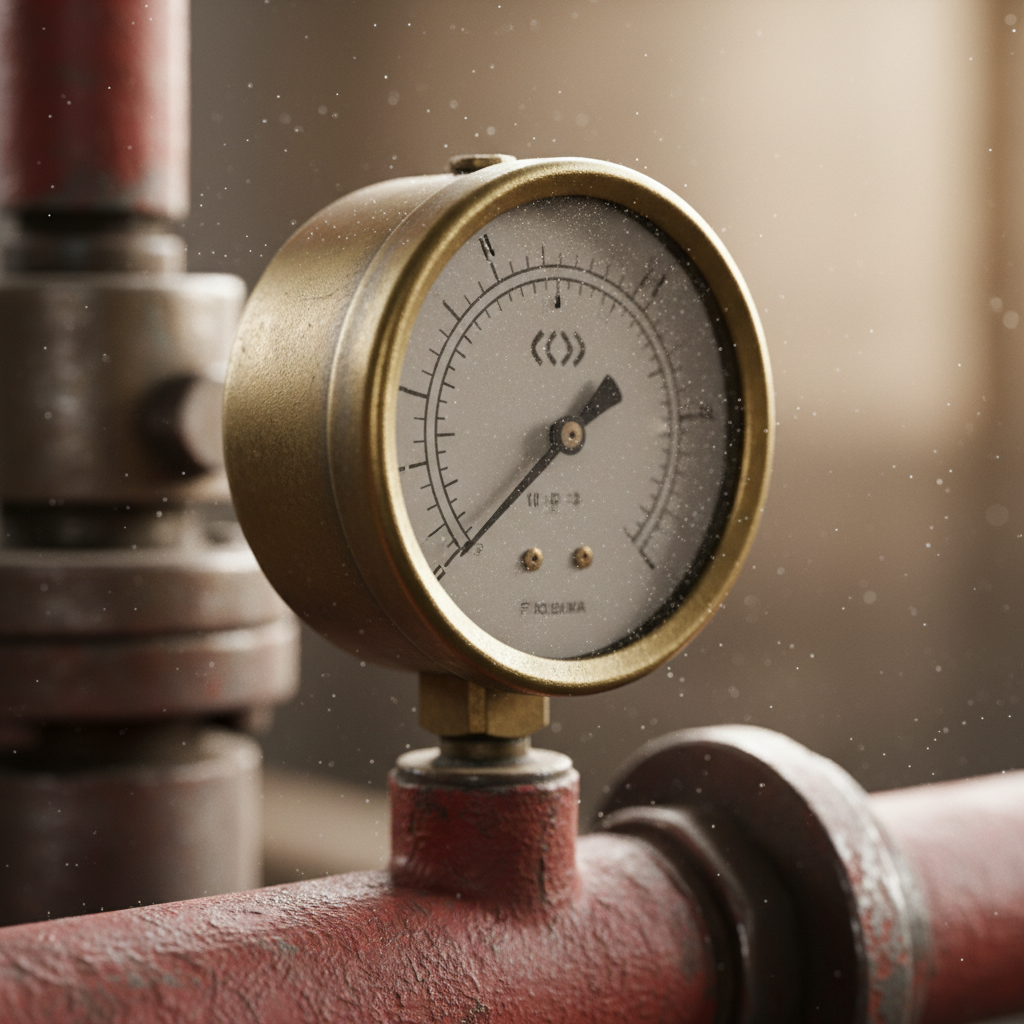



Optimizing Fire Safety: Economics of Condition Surveys
Learn how periodic fire safety condition surveys reduce costs, ensure compliance, and extend the lifecycle of fire protection systems.
Periodicity and Economics of Condition Surveys
Optimizing Fire Safety Asset Management and Lifecycle Costs
Defining the Condition Survey
A condition survey in fire safety is a systematic assessment of the physical state of active and passive fire protection systems. Unlike routine testing, which checks if a device works, a condition survey evaluates age, degradation, obsolescence, and environmental impact to predict future reliability.
Objectives of Regular Assessment
Ensure continued compliance with evolving fire codes and insurance requirements.
Identify 'silent' failures in passive protection (e.g., fire door warping, damper corrosion).
Establish accurate OPEX budgets for maintenance and CAPEX for replacement.
Extend the operational lifecycle of expensive suppression and detection assets.
The Cost of Reactivity vs. Proactivity
Analyzing a 10-year period for a standard commercial facility shows that reactive maintenance (fixing only upon failure) results in significantly higher total expenditure compared to a proactive approach driven by regular condition surveys.
Periodicity Factors
There is no 'one size fits all' for survey frequency. Periodicity should be determined by: • System Age: Aging infrastructure requires annual checks. • Environment: Corrosive or industrial atmospheres degrade components faster. • Occupancy Risk: High-risk facilities (hospitals, data centers) demand shorter intervals.
Economic efficiency in fire safety is not about spending less; it is about spending wisely to prevent catastrophic asset loss.
Facility Management Principle
Depreciation of System Reliability
Without periodic intervention and component replacement (CAPEX infusion), the reliability of fire safety systems degrades non-linearly. Regular surveys allow for targeted interventions that maintain reliability above the critical 95% safety threshold.
Budgeting: OPEX vs CAPEX
Surveys inform critical financial decisions: 1. Operational Expenditure (OPEX): Predictable annual costs for minor repairs and conditioning identified in annual surveys. 2. Capital Expenditure (CAPEX): Forecasting major replacements (e.g., pump overhaul, panel upgrade) 3-5 years in advance to avoid 'shock' costs.
Risk-Based Periodicity Strategy
Move away from arbitrary 'tick-box' schedules to data-driven intervals.
Increase frequency for systems showing early signs of degradation (e.g., increase pump tests from annual to quarterly).
Decrease frequency for robust, new passive systems to save costs without compromising safety.
Align survey timing with major facility renovations to capture holistic building changes.
Conclusion: The ROI of Safety
Optimizing the periodicity of condition surveys is not just a compliance activity—it is a financial strategy. By investing in regular diagnostics, organizations prevent costly emergency repairs, reduce insurance premiums, and ensure business continuity. A safe building is an economically viable building.
- fire-safety
- facility-management
- asset-management
- maintenance-strategy
- opex-capex
- fire-protection
- safety-compliance