


Made byBobr AI

Fire Safety Asset Management: Economics of Condition Surveys

Learn how fire safety condition surveys optimize lifecycle costs, reduce liability, and improve budget planning through proactive asset management.

#fire-safety#asset-management#condition-survey#risk-management#facility-management#preventive-maintenance#capital-expenditure
Watch
Pitch

Periodicity and Economics of Condition Surveys

Optimizing Fire Safety Asset Management & Budget Planning

Made byBobr AI

Defining the Condition Survey

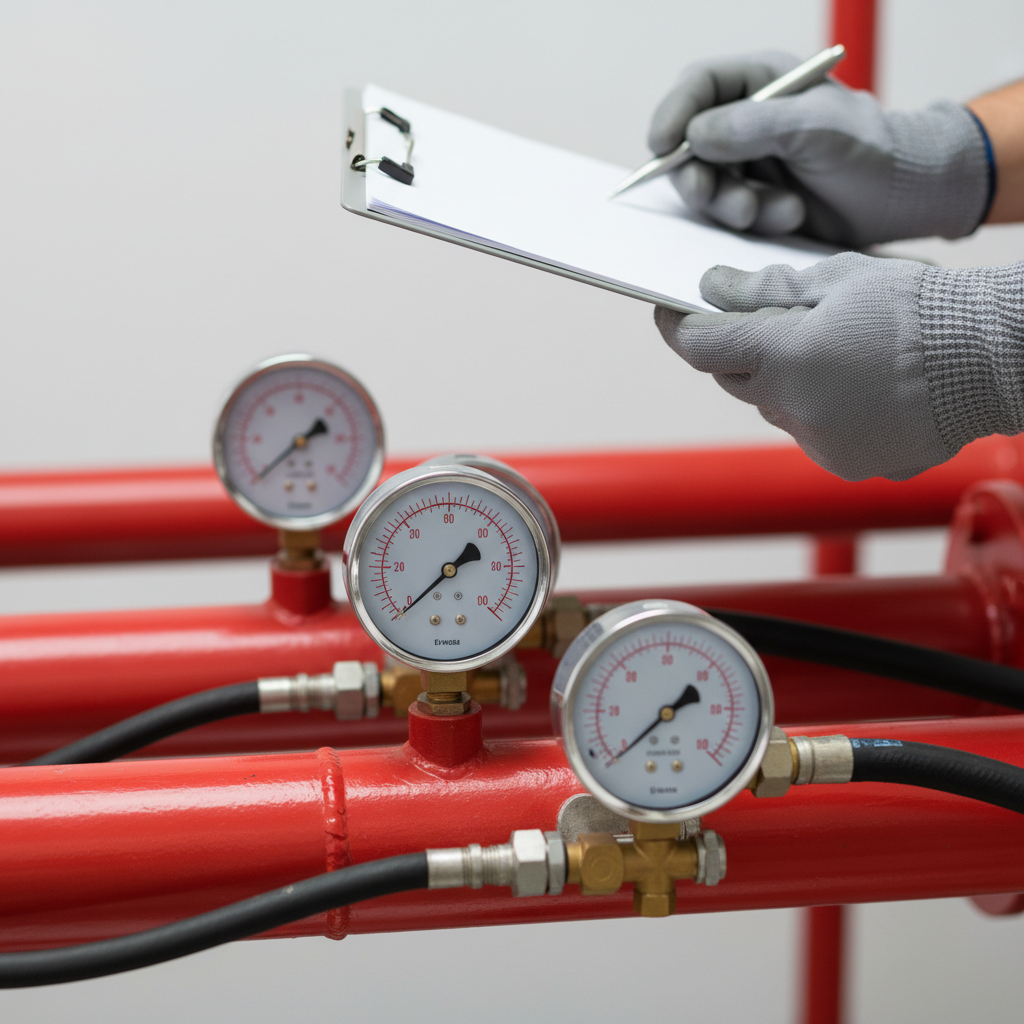
A fire safety condition survey is a non-destructive assessment of the physical state of fire protection assets. Unlike routine maintenance which fixes immediate issues, a condition survey analyzes the remaining useful life (RUL) and obsolescence risks to inform long-term economic planning.

Made byBobr AI

Factors Influencing Periodicity

  • Regulatory Compliance: Adherence to codes like NFPA, BS 9999, or local building regulations.
  • Asset Criticality: Higher frequency for critical life-safety systems (e.g., hospitals, high-rise).
  • Environmental Stress: Corrosive or industrial environments accelerate degradation rates.
  • Historical Performance: Previous failure rates dictate the need for intensified monitoring.
Made byBobr AI

Cost of Reactivity vs. Planning

Moving from a reactive maintenance model to a survey-based planned replacement model significantly reduces total lifecycle expenditures. Emergency repairs often carry a 3x premium over planned work.

Chart
Made byBobr AI

The Economics of Deterioration

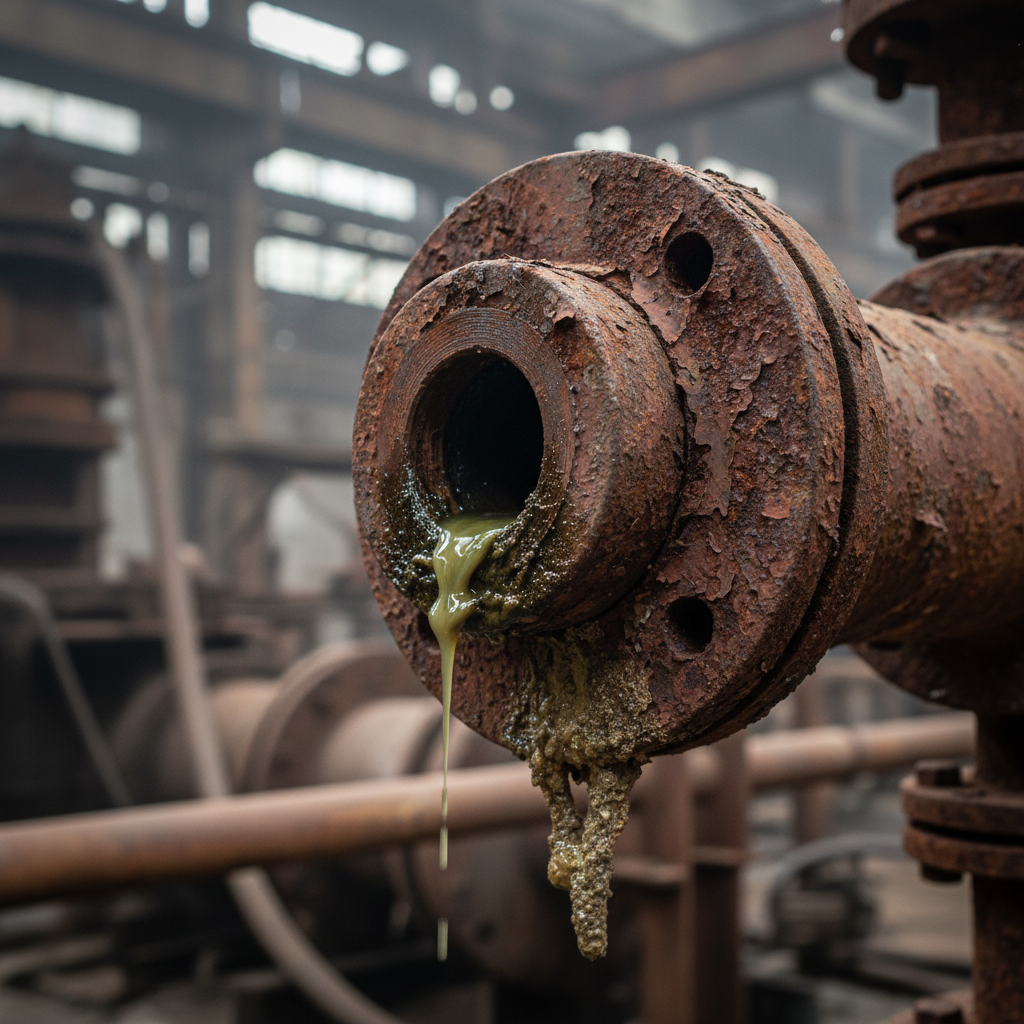
01. Hidden Defects Hidden Defects: Corrosion in sprinkler pipes often goes undetected without periodic ultrasound or internal surveys.
02. Liability Risks Liability Risks: Failure of a system during an incident results in legal liabilities far exceeding survey costs.
Made byBobr AI

Lifecycle Cost Analysis (LCCA)

Regular condition surveys allow for the smoothing of capital expenditure (CAPEX) peaks. By predicting end-of-life, organizations avoid massive, unexpected budget shocks.

Chart
Made byBobr AI

Recommended Survey Methodology

Visual Inspection

Visual Inspection: Assessing external corrosion, paint condition, and physical damage.

NDT & Testing

Non-Destructive Testing (NDT): Ultrasound thickness testing on pipework.

Functional Audits

Functional Audits: Verifying cause-and-effect matrix logic in alarm panels.

Obsolescence Review

Obsolescence Review: Checking availability of spare parts for aging smoke detectors.

Made byBobr AI

The cost of a condition survey is an investment in certainty. It transforms the unknown liability of aging infrastructure into a manageable financial plan.

Fire Protection Asset Management Strategy

Made byBobr AI

Risk-Based Frequency Model

Not all assets require the same survey periodicity. A risk-based approach allocates budget where it is needed most. High-risk assets like main fire pumps require frequent checks, while passive fire stops in low-traffic areas may allow for longer intervals.

Chart
Made byBobr AI

Summary: ROI of Surveys

  • 1. Safety
    Safety Assurance: Guarantees systems function during emergencies.
  • 2. Efficiency
    Economic Efficiency: Reduces Total Cost of Ownership (TCO) by 15-20%.
  • 3. Compliance
    Strategic Compliance: Provides documented evidence of due diligence.
Made byBobr AI
Bobr AI

DESIGNER-MADE
PRESENTATION,
GENERATED FROM
YOUR PROMPT

Create your own professional slide deck with real images, data charts, and unique design in under a minute.

Generate For Free

Fire Safety Asset Management: Economics of Condition Surveys

Learn how fire safety condition surveys optimize lifecycle costs, reduce liability, and improve budget planning through proactive asset management.

Periodicity and Economics of Condition Surveys

Optimizing Fire Safety Asset Management & Budget Planning

Defining the Condition Survey

A fire safety condition survey is a non-destructive assessment of the physical state of fire protection assets. Unlike routine maintenance which fixes immediate issues, a condition survey analyzes the remaining useful life (RUL) and obsolescence risks to inform long-term economic planning.

Factors Influencing Periodicity

Regulatory Compliance: Adherence to codes like NFPA, BS 9999, or local building regulations.

Asset Criticality: Higher frequency for critical life-safety systems (e.g., hospitals, high-rise).

Environmental Stress: Corrosive or industrial environments accelerate degradation rates.

Historical Performance: Previous failure rates dictate the need for intensified monitoring.

Cost of Reactivity vs. Planning

Moving from a reactive maintenance model to a survey-based planned replacement model significantly reduces total lifecycle expenditures. Emergency repairs often carry a 3x premium over planned work.

The Economics of Deterioration

Hidden Defects: Corrosion in sprinkler pipes often goes undetected without periodic ultrasound or internal surveys.

Liability Risks: Failure of a system during an incident results in legal liabilities far exceeding survey costs.

Lifecycle Cost Analysis (LCCA)

Regular condition surveys allow for the smoothing of capital expenditure (CAPEX) peaks. By predicting end-of-life, organizations avoid massive, unexpected budget shocks.

Recommended Survey Methodology

Visual Inspection: Assessing external corrosion, paint condition, and physical damage.

Non-Destructive Testing (NDT): Ultrasound thickness testing on pipework.

Functional Audits: Verifying cause-and-effect matrix logic in alarm panels.

Obsolescence Review: Checking availability of spare parts for aging smoke detectors.

The cost of a condition survey is an investment in certainty. It transforms the unknown liability of aging infrastructure into a manageable financial plan.

Fire Protection Asset Management Strategy

Risk-Based Frequency Model

Not all assets require the same survey periodicity. A risk-based approach allocates budget where it is needed most. High-risk assets like main fire pumps require frequent checks, while passive fire stops in low-traffic areas may allow for longer intervals.

Summary: ROI of Surveys

Safety Assurance: Guarantees systems function during emergencies.

Economic Efficiency: Reduces Total Cost of Ownership (TCO) by 15-20%.

Strategic Compliance: Provides documented evidence of due diligence.

  • fire-safety
  • asset-management
  • condition-survey
  • risk-management
  • facility-management
  • preventive-maintenance
  • capital-expenditure