

Phonics for Preschoolers: Strategies for Reading Success
Discover why phonics is essential for early literacy. Learn how systematic phonics builds reading paths in the brain and find fun teaching activities.
Learning to Read with Phonics
Why Phonics is Important for Preschoolers
What is Phonics?
Phonics teaches children how to read. It matches sounds to letters. This helps kids understand that letters stand for sounds they speak.
Main Parts of Phonics
Hearing sounds in words
Knowing letter shapes and names
Matching sounds to letters
Putting sounds together to make words
Reading Instead of Guessing
Without phonics, kids often guess words from pictures. Phonics helps them read new words by sounding them out. This helps them read better on their own.
How Phonics Helps Reading
Tests show that teaching phonics helps children read and spell much better.
Kids who learn to read early feel more confident in school.
Literacy Specialist
Growing the Brain
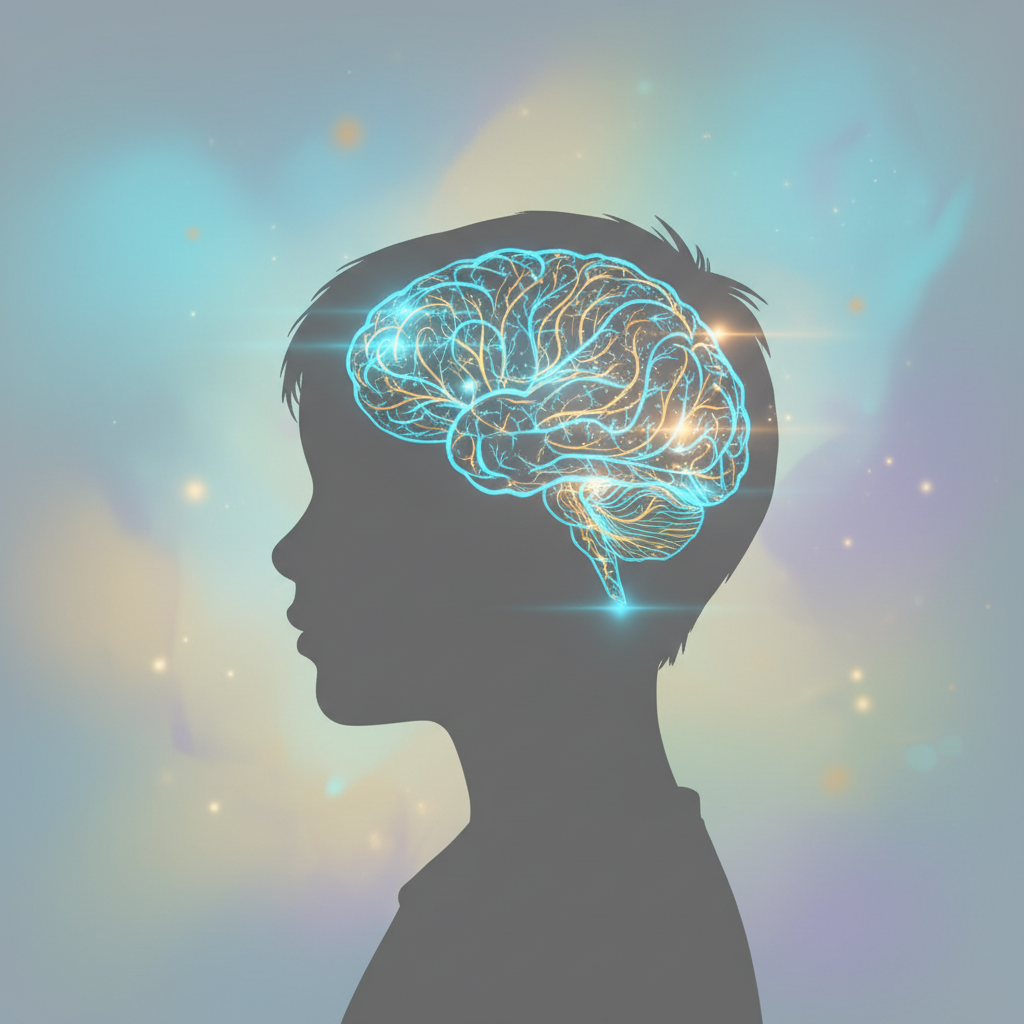
Learning phonics changes the brain. It connects the parts that see letters with the parts that hear sounds. This builds a 'reading path' in the brain.
Fun Ways to Teach Phonics
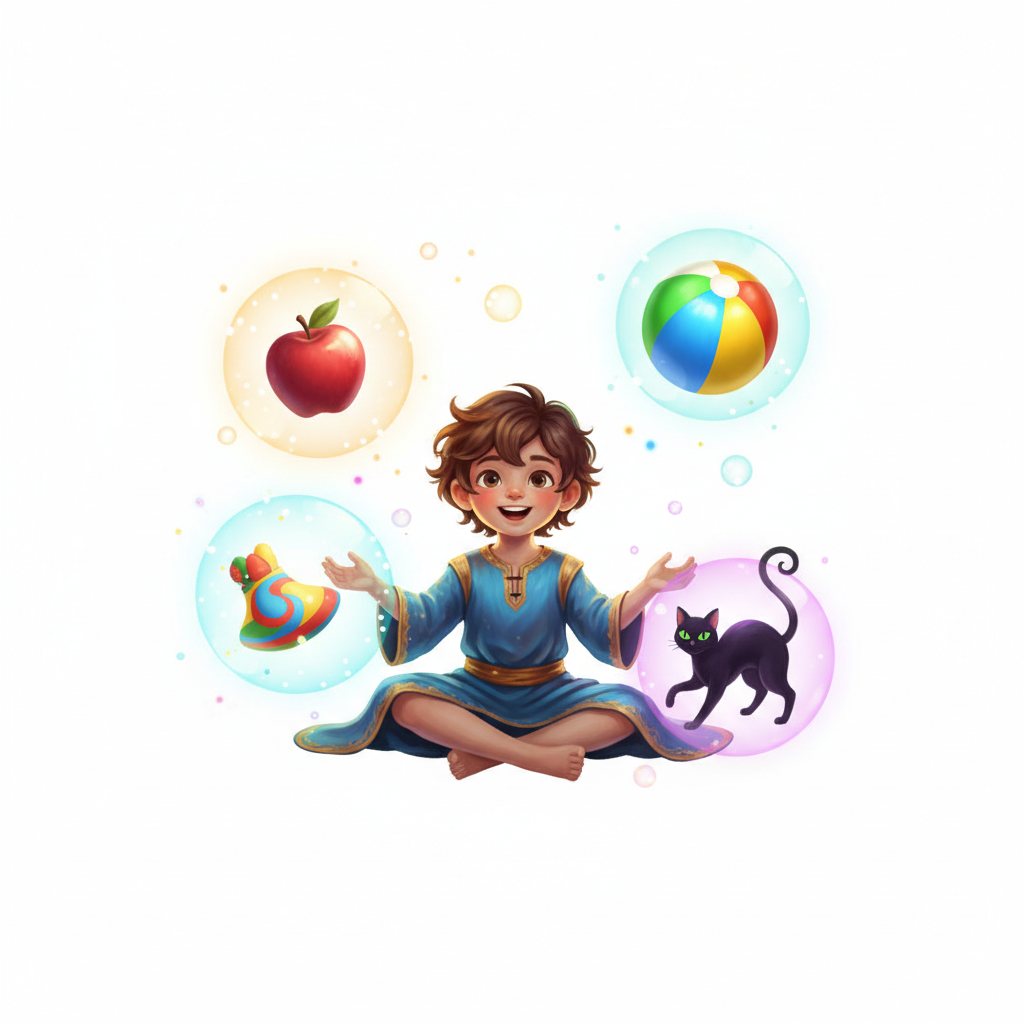
Rhyming Games: Find words that sound the same
Finding Sounds: Look for things that start with 'B'
Alphabet Soup: Picking out toy letters
Singing Songs: Singing the alphabet sounds
Learning New Words
Phonics helps kids learn new words. When a child can read a new word, they learn what it means faster.
A Gift for Life
- phonics
- early-literacy
- preschool-education
- reading-strategies
- teaching-phonics
- kindergarten-readiness