

Made byBobr AI

Impact of ESG on FDI in SAARC Nations: Dissertation Study

An economic study on how Environmental, Social, and Governance (ESG) standards influence Foreign Direct Investment (FDI) inflows across SAARC countries.

#esg#fdi#saarc-nations#economics-dissertation#sustainable-investment#foreign-direct-investment#panel-data-analysis
Watch
Pitch

LINK BETWEEN ESG AND FDI: EVIDENCE FROM SAARC NATIONS

NAME: Gauri Gupta
Roll.no: 22/22009
Course: B.A.(Hons) Economics 4th year

Made byBobr AI

What we mean by ESG in particular?

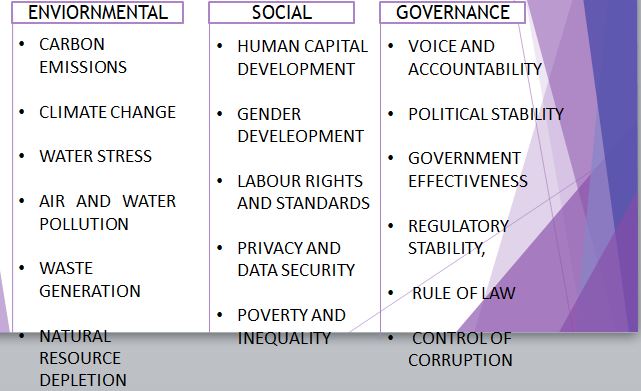
ESG, or Environmental, Social, and Governance, is a framework investors and stakeholders use to assess a company's non-financial performance, risk management, and long-term sustainability, covering its impact on the planet (E), people (S), and internal structure (G).

Key parameters include:
Environmental: emissions, waste, energy
Social: labor, human rights, community
Governance: board structure, executive pay, ethics
Made byBobr AI

Problem Statement

  • Conflicting Hypotheses: Does FDI seek 'Pollution Havens' (weak regulations) or 'Pollution Halos' (superior sustainability standards)?
  • Developing Nation Dilemma: SAARC nations need capital for growth but risk environmental degradation if they lower standards to attract investment.
  • Lack of Regional Clarity: While global studies exist, the specific directionality (Causality) between ESG scores and FDI inflows within the specific context of SAARC remains under-researched.
  • Urgency: With $121 trillion in assets committed to PRI (2021), SAARC nations must align with ESG to access future capital.
Made byBobr AI

Literature Review & The Research Gap

State of Art:
• Dunning (1993): Traditional determinants (Market size, Infrastructure) are paramount.
• Chipalkatti et al. (2021): Good governance increases FDI; social factors can be mixed due to labor costs.
• Van & Whelan (2021): 58% of studies show a positive link between ESG and performance (see chart).

Identified Gap:
Limited empirical work focuses on the directionality in SAARC. Does FDI bring better ESG standards (Spillover), or do high ESG standards attract FDI?
Chart
Made byBobr AI

Research Objectives

1. Estimate Magnitude: To analyze the nature and magnitude of the impact of Environmental, Social, and Governance parameters on FDI inflows across SAARC nations (2014-2024).
2. Determine Causality: To investigate the bidirectional relationship (Granger Causality) between FDI and ESG—checking if FDI manifests into ESG spillovers.
3. Policy Framework: To provide empirical evidence for policymakers in developing nations on whether stricter ESG regulations act as a deterrent or a magnet for high-quality foreign capital.
Made byBobr AI

Work Progress & Commencement

Commencement: January 2025.
Status (Dec 2025): Project Completed.
Milestones Achieved:
- Comprehensive Literature Review (Q1)
- Data Collection from World Bank & ESG Indices (Q2)
- Panel Data Regression & Causality Tests (Q3)
- Thesis Drafting and Defense Prep (Q4)
Chart
Made byBobr AI

Methodology

Research Design: Quantitative Approach using Panel Data Analysis.

Key Models:
1. Panel ARDL / Fixed Effects: To control for country-specific heterogeneity and analyze short-run vs. long-run impacts.
2. Granger Causality Test: To determine the direction of the relationship (i.e., does FDI cause ESG improvement, or vice versa?).

Variables:
• Dependent: FDI Inflows (% of GDP).
• Independent: E, S, G Scores, CO2 emissions per capita, Trade Openness, Infrastructure Index.
Made byBobr AI

Data Sources

Time Period: 2014 - 2024 (10-year extensive panel data).
FDI & Economic Data: World Bank Development Indicators (WDI) - GDP, FDI inflows, Trade Openness.
ESG Data: Combines data from Environmental Performance Index (EPI), UN Sustainable Development Goals (SDG) database, and country-specific disclosure reports (e.g., BRSR in India).
Sample: SAARC Member Nations (Afghanistan, Bangladesh, Bhutan, India, Maldives, Nepal, Pakistan, Sri Lanka).
Made byBobr AI

Preliminary Discussion & Implications

Dual Effect Verified: Consistent with the Environmental Kuznets Curve (EKC), initial FDI may spike emissions (Scale Effect), but long-term investment brings cleaner technology (Technique Effect).

Governance is Key: Strong institutional quality and ease of doing business are consistently positive predictors of FDI in SAARC, often outweighing pure cost advantages.

Social Pillar Lag: While human capital is critical, the link between social parameters (e.g., labor rights) and FDI remains weaker in the short run due to labor cost considerations, suggesting a need for policy intervention.
Made byBobr AI
“Sustainable Development is not a barrier to investment, but a prerequisite for future resilience. SAARC nations must integrate ESG into their FDI policies to transition from 'Pollution Havens' to 'Green Growth Hubs'.”
Conclusion & Final Thoughts
Made byBobr AI
Bobr AI

DESIGNER-MADE
PRESENTATION,
GENERATED FROM
YOUR PROMPT

Create your own professional slide deck with real images, data charts, and unique design in under a minute.

Generate For Free

Impact of ESG on FDI in SAARC Nations: Dissertation Study

An economic study on how Environmental, Social, and Governance (ESG) standards influence Foreign Direct Investment (FDI) inflows across SAARC countries.

LINK BETWEEN ESG AND FDI: EVIDENCE FROM SAARC NATIONS

NAME: Gauri Gupta<br>Roll.no: 22/22009<br>Course: B.A.(Hons) Economics 4th year

What we mean by ESG in particular?

ESG, or Environmental, Social, and Governance, is a framework investors and stakeholders use to assess a company's non-financial performance, risk management, and long-term sustainability, covering its impact on the planet (E), people (S), and internal structure (G).<br><br><b>Key parameters include:</b><br>• <b>Environmental:</b> emissions, waste, energy<br>• <b>Social:</b> labor, human rights, community<br>• <b>Governance:</b> board structure, executive pay, ethics

Problem Statement

<b>Conflicting Hypotheses:</b> Does FDI seek 'Pollution Havens' (weak regulations) or 'Pollution Halos' (superior sustainability standards)?

<b>Developing Nation Dilemma:</b> SAARC nations need capital for growth but risk environmental degradation if they lower standards to attract investment.

<b>Lack of Regional Clarity:</b> While global studies exist, the specific directionality (Causality) between ESG scores and FDI inflows within the specific context of SAARC remains under-researched.

<b>Urgency:</b> With $121 trillion in assets committed to PRI (2021), SAARC nations must align with ESG to access future capital.

Literature Review & The Research Gap

<b>State of Art:</b><br>• Dunning (1993): Traditional determinants (Market size, Infrastructure) are paramount.<br>• Chipalkatti et al. (2021): Good governance increases FDI; social factors can be mixed due to labor costs.<br>• Van & Whelan (2021): 58% of studies show a positive link between ESG and performance (see chart).<br><br><b>Identified Gap:</b><br>Limited empirical work focuses on the <b>directionality</b> in SAARC. Does FDI bring better ESG standards (Spillover), or do high ESG standards attract FDI?

Research Objectives

<b>1. Estimate Magnitude:</b> To analyze the nature and magnitude of the impact of Environmental, Social, and Governance parameters on FDI inflows across SAARC nations (2014-2024).

<b>2. Determine Causality:</b> To investigate the bidirectional relationship (Granger Causality) between FDI and ESG—checking if FDI manifests into ESG spillovers.

<b>3. Policy Framework:</b> To provide empirical evidence for policymakers in developing nations on whether stricter ESG regulations act as a deterrent or a magnet for high-quality foreign capital.

Work Progress & Commencement

• <b>Commencement:</b> January 2025.<br>• <b>Status (Dec 2025):</b> Project Completed.<br>• <b>Milestones Achieved:</b><br> - Comprehensive Literature Review (Q1)<br> - Data Collection from World Bank & ESG Indices (Q2)<br> - Panel Data Regression & Causality Tests (Q3)<br> - Thesis Drafting and Defense Prep (Q4)

Methodology

<b>Research Design:</b> Quantitative Approach using Panel Data Analysis.<br><br><b>Key Models:</b><br>1. <b>Panel ARDL / Fixed Effects:</b> To control for country-specific heterogeneity and analyze short-run vs. long-run impacts.<br>2. <b>Granger Causality Test:</b> To determine the direction of the relationship (i.e., does FDI cause ESG improvement, or vice versa?).<br><br><b>Variables:</b><br>• Dependent: FDI Inflows (% of GDP).<br>• Independent: E, S, G Scores, CO2 emissions per capita, Trade Openness, Infrastructure Index.

Data Sources

<b>Time Period:</b> 2014 - 2024 (10-year extensive panel data).

<b>FDI & Economic Data:</b> World Bank Development Indicators (WDI) - GDP, FDI inflows, Trade Openness.

<b>ESG Data:</b> Combines data from Environmental Performance Index (EPI), UN Sustainable Development Goals (SDG) database, and country-specific disclosure reports (e.g., BRSR in India).

<b>Sample:</b> SAARC Member Nations (Afghanistan, Bangladesh, Bhutan, India, Maldives, Nepal, Pakistan, Sri Lanka).

Preliminary Discussion & Implications

<b>Dual Effect Verified:</b> Consistent with the Environmental Kuznets Curve (EKC), initial FDI may spike emissions (Scale Effect), but long-term investment brings cleaner technology (Technique Effect).<br><br><b>Governance is Key:</b> Strong institutional quality and ease of doing business are consistently positive predictors of FDI in SAARC, often outweighing pure cost advantages.<br><br><b>Social Pillar Lag:</b> While human capital is critical, the link between social parameters (e.g., labor rights) and FDI remains weaker in the short run due to labor cost considerations, suggesting a need for policy intervention.

Sustainable Development is not a barrier to investment, but a prerequisite for future resilience. SAARC nations must integrate ESG into their FDI policies to transition from 'Pollution Havens' to 'Green Growth Hubs'.

Conclusion & Final Thoughts

  • esg
  • fdi
  • saarc-nations
  • economics-dissertation
  • sustainable-investment
  • foreign-direct-investment
  • panel-data-analysis