
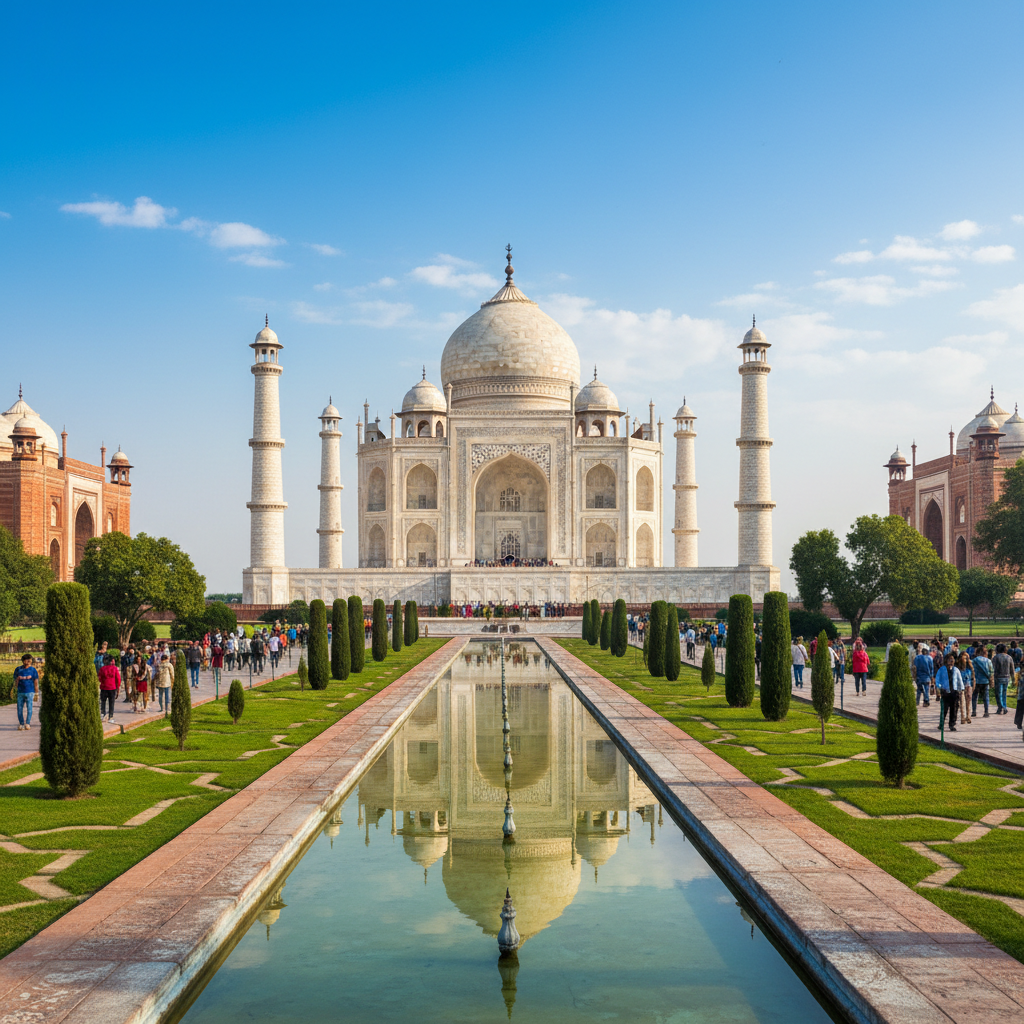

India's Economy and Globalisation: A Historical Perspective
Explore the evolution of global trade, from the Silk Routes to modern MNCs, and understand the critical infrastructure lifelines of the Indian economy.
Social Science File
The Making of a Global World • Globalisation • Lifelines of Indian Economy
By Rachit Singh
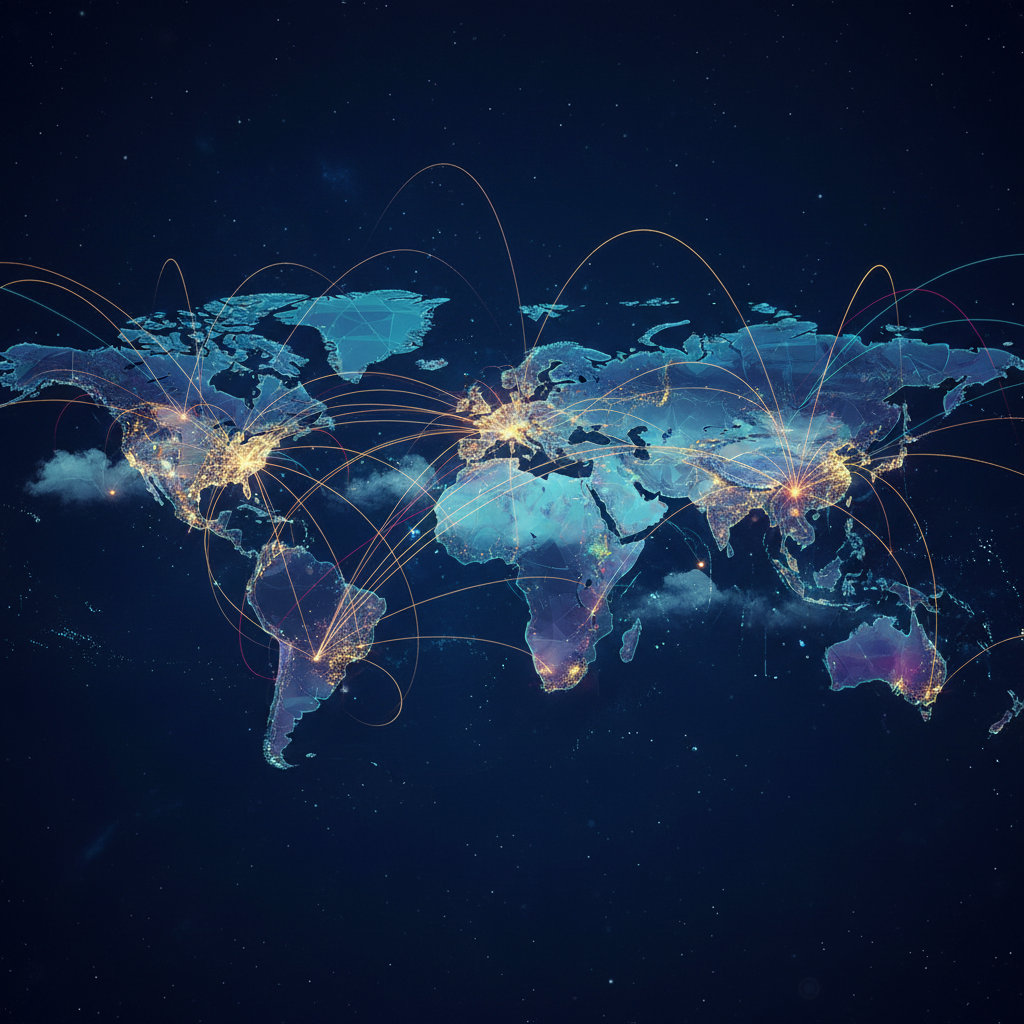
The Unseen Connection
History, economics, and infrastructure are deeply intertwined. 'The Making of a Global World' provides the historical context of how trade routes were established. 'Globalisation' explains the modern economic acceleration of these connections. 'Lifelines of National Economy' details the physical infrastructure (roads, ports, communications) that makes this movement possible today.
Chapter 1: The Pre-Modern World
History is not just about kings, but about flows: trade, migration, and capital.
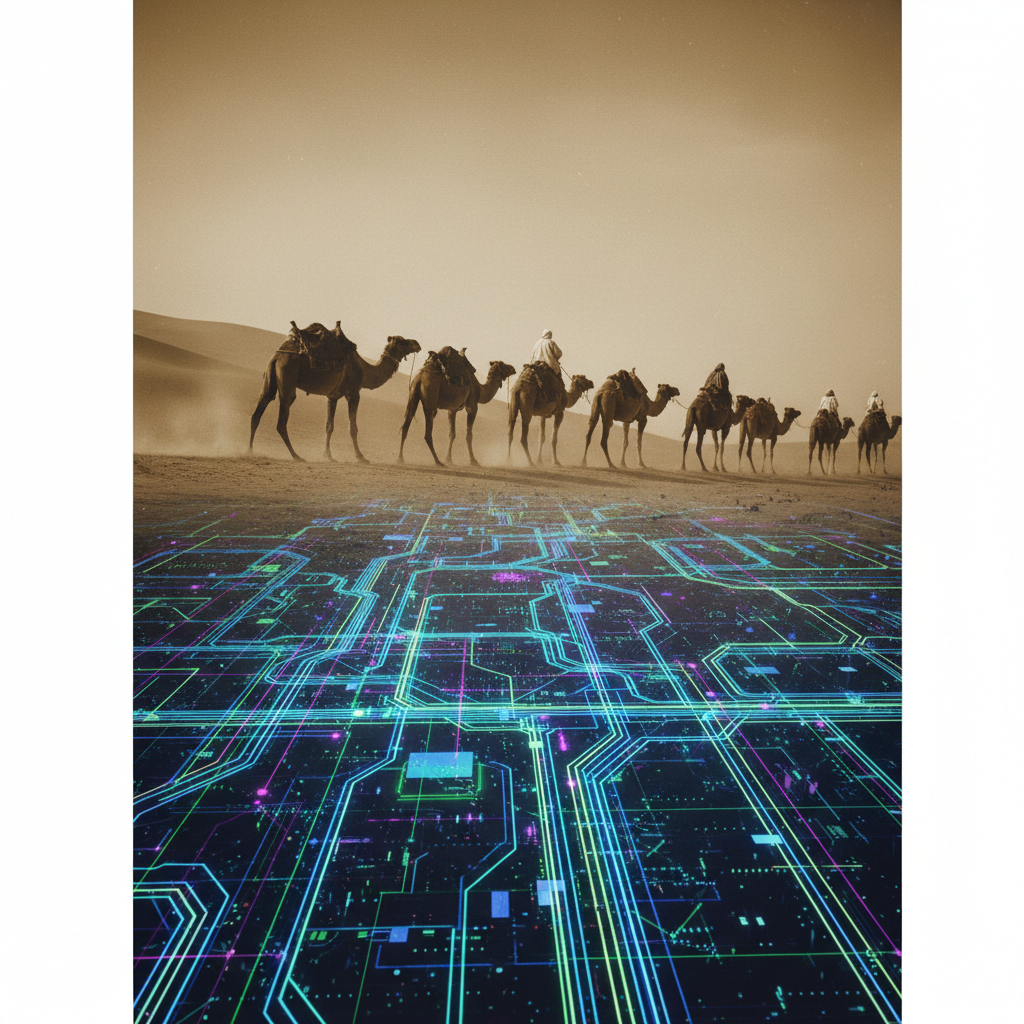
The Silk Routes were the first example of a vibrant pre-modern trade network connecting Asia with Europe and Africa.
Exchange included: Chinese pottery, Indian textiles, spices, and precious metals.
Reference: NCERT History, 'The Making of a Global World', Page 54.
Conquest, Disease & Trade
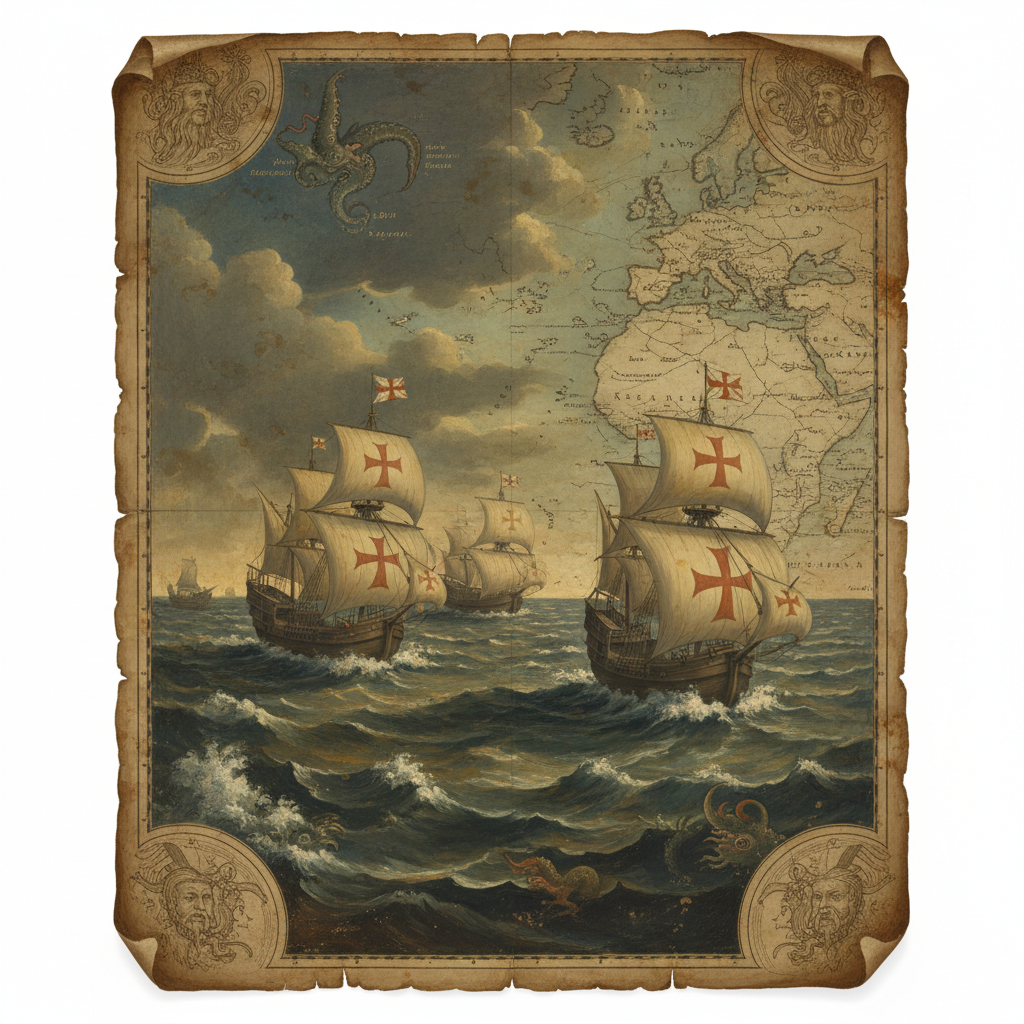
The discovery of the Americas transformed global trade. However, it was not just weapons but germs like Smallpox that paved the way for conquest. The wealth of Europe in the 18th century began to shift firmly towards Atlantic trade, reducing the dominance of Asian markets.
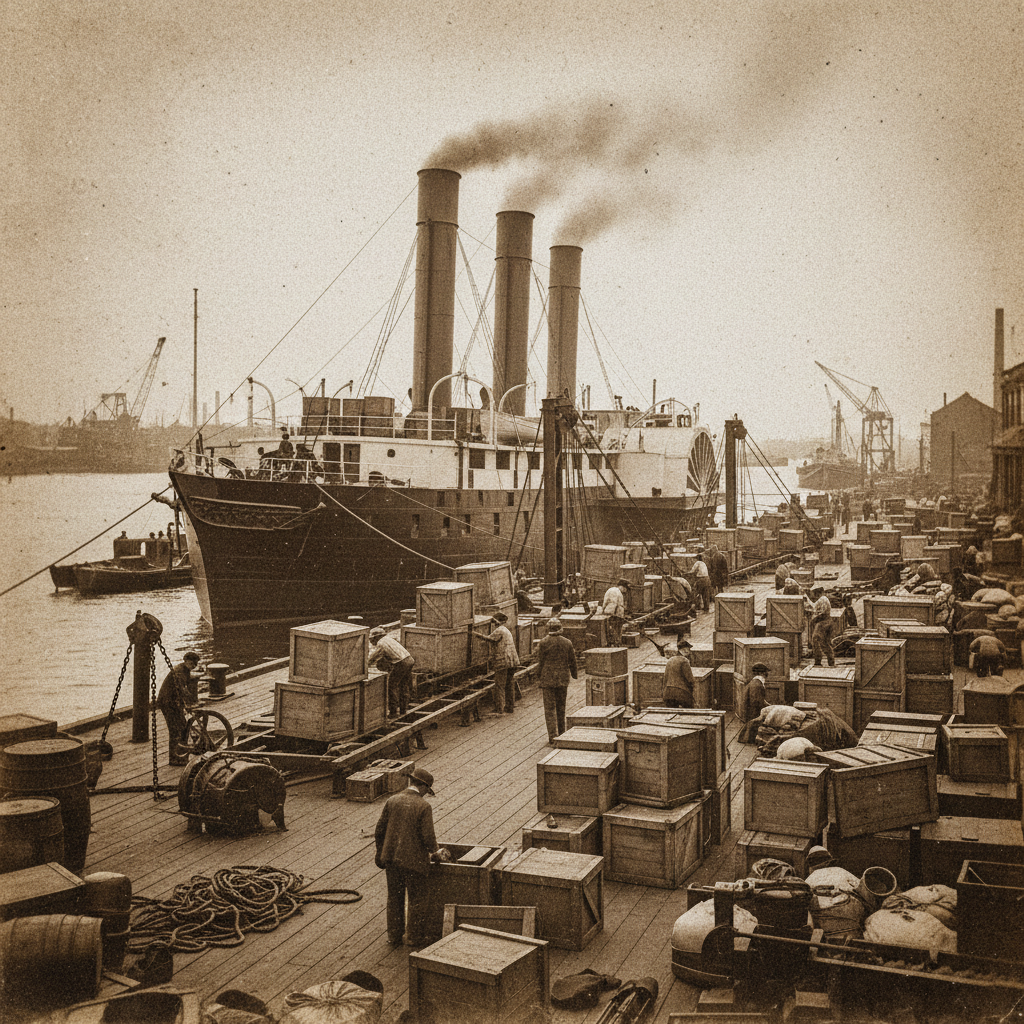
Three flows characterized the 19th Century international economic exchange: The flow of Trade, the flow of Labour, and the flow of Capital.
Economic Historians characterizing the 1815-1914 era
Role of Technology: The Meat Trade
Technology stabilized prices. Before refrigerated ships, live animals were shipped from America to Europe, which was expensive and risky. Refrigeration (a technological lifeline) allowed perishable goods to be transported over long distances, lowering food prices in Europe and promoting social peace.
Indentured Labour: The Dark Side
While trade flourished, millions of Indians were transported to Caribbean islands, Mauritius, and Fiji as indentured labourers.
This was often termed as the 'New System of Slavery'.
It represents the unequal nature of 19th-century globalization.
Ref: V.S. Naipaul's works reflect the cultural fusion experienced by these migrants.
The Great Depression (1929)
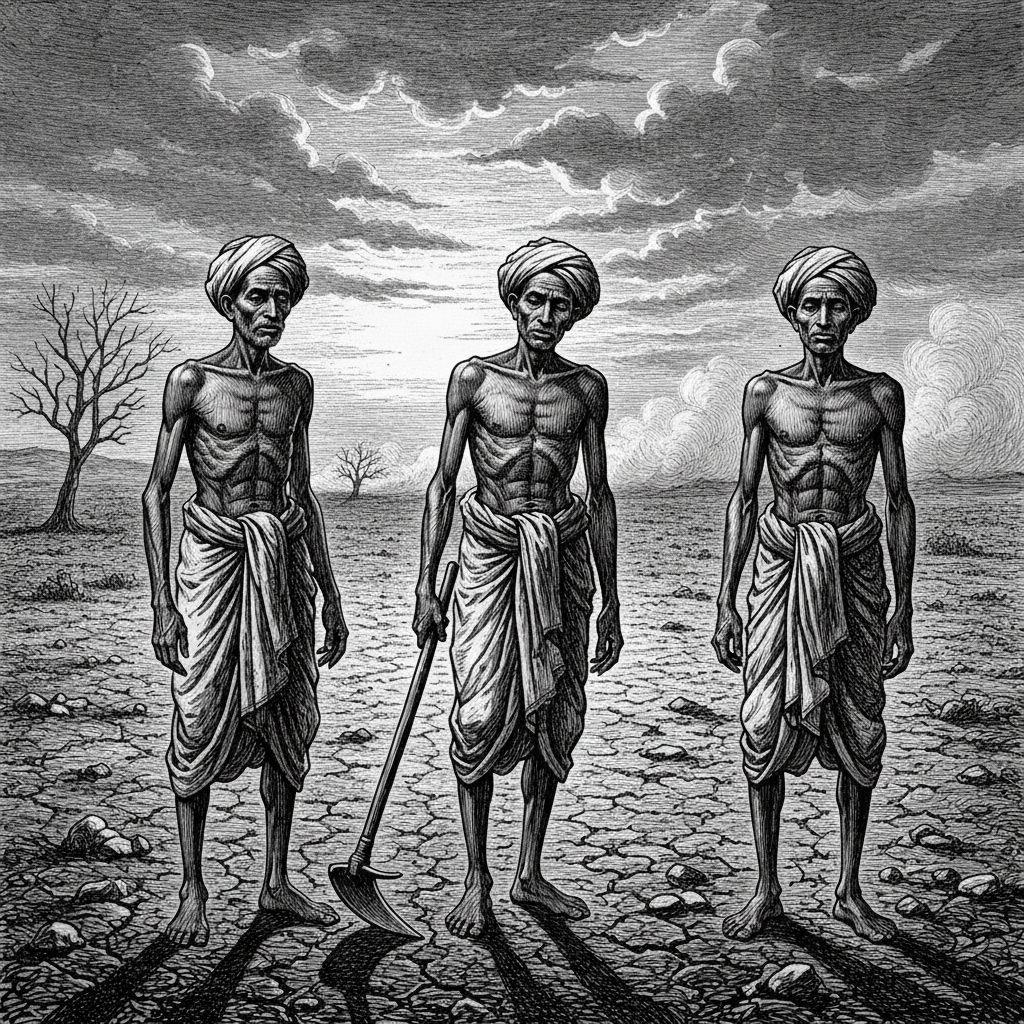
The Great Depression showcased how integrated the world had become. A crash in the US stock market devastated Indian peasants. Wheat prices in India fell by 50%, yet colonial tax demands remained high, leading to immense distress in rural India (Chapter 1 correlation).
Rebuilding: Bretton Woods
Post-WWII, the world leaders met at Bretton Woods (USA) to stabilize the industrial economy.
Institutions born: IMF (International Monetary Fund) and The World Bank.
This era marked the beginning of controlled financial globalisation, setting the stage for the modern MNC-driven economy.
Shift to Chapter 2: Globalisation
In the late 20th century, companies began to span multiple nations. An MNC (Multinational Corporation) owns or controls production in more than one nation to lower costs and access markets. This is the modern engine of the 'Global World'.
FDI: The Fuel of Globalisation
Foreign Direct Investment (FDI) is a key indicator of Globalisation. As India opened its markets (Liberalisation in 1991), FDI inflows surged, linking the Indian economy to the global financial system. *Source: DPIIT, Govt of India.*
Chapter 3: Lifelines of National Economy
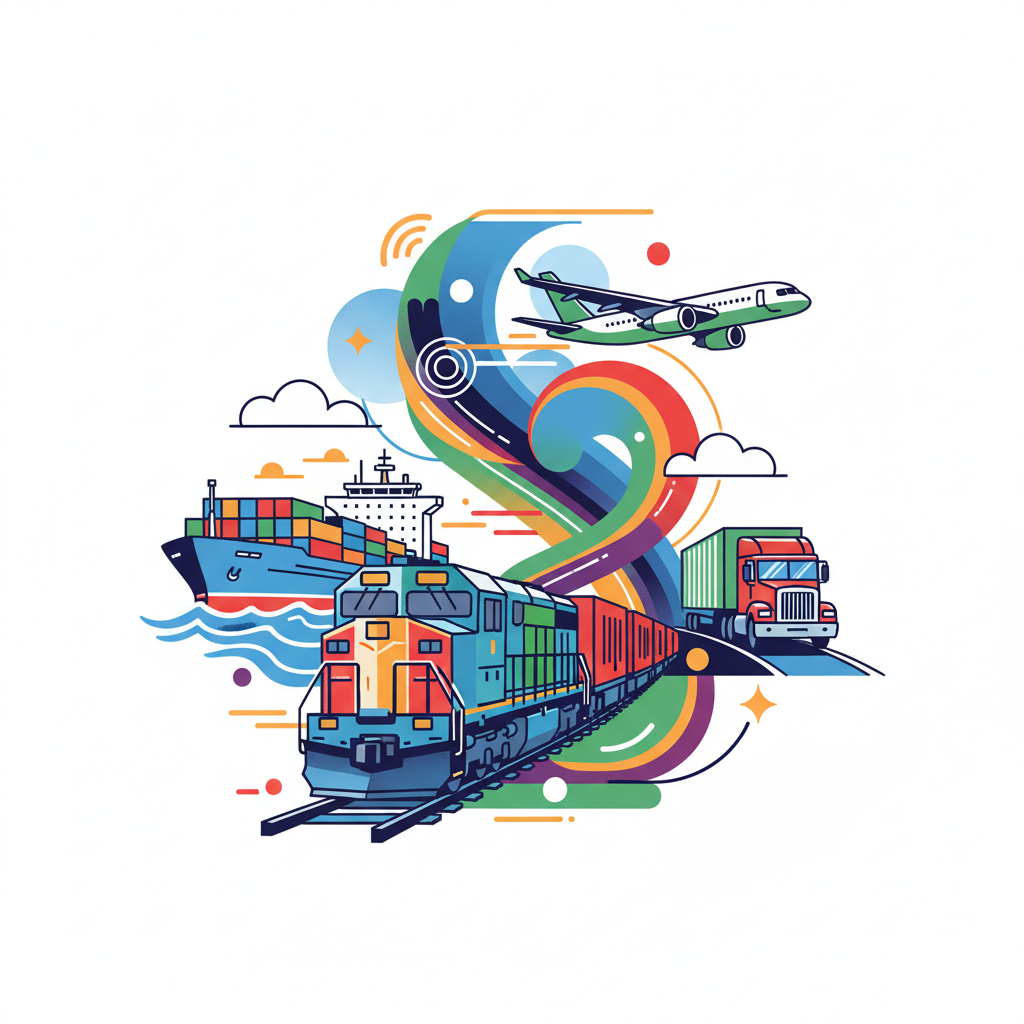
For Globalisation to work, goods must move. 'Lifelines' covers the transport and communication systems that physically execute the trade deals made by MNCs. Without these lifelines, the 'Global World' remains a concept, not a reality.
India has the second largest road network in the world, aggregating to about 62.16 lakh km (2020-21).
Ministry of Road Transport and Highways (MoRTH)
Railways: The Internal Artery
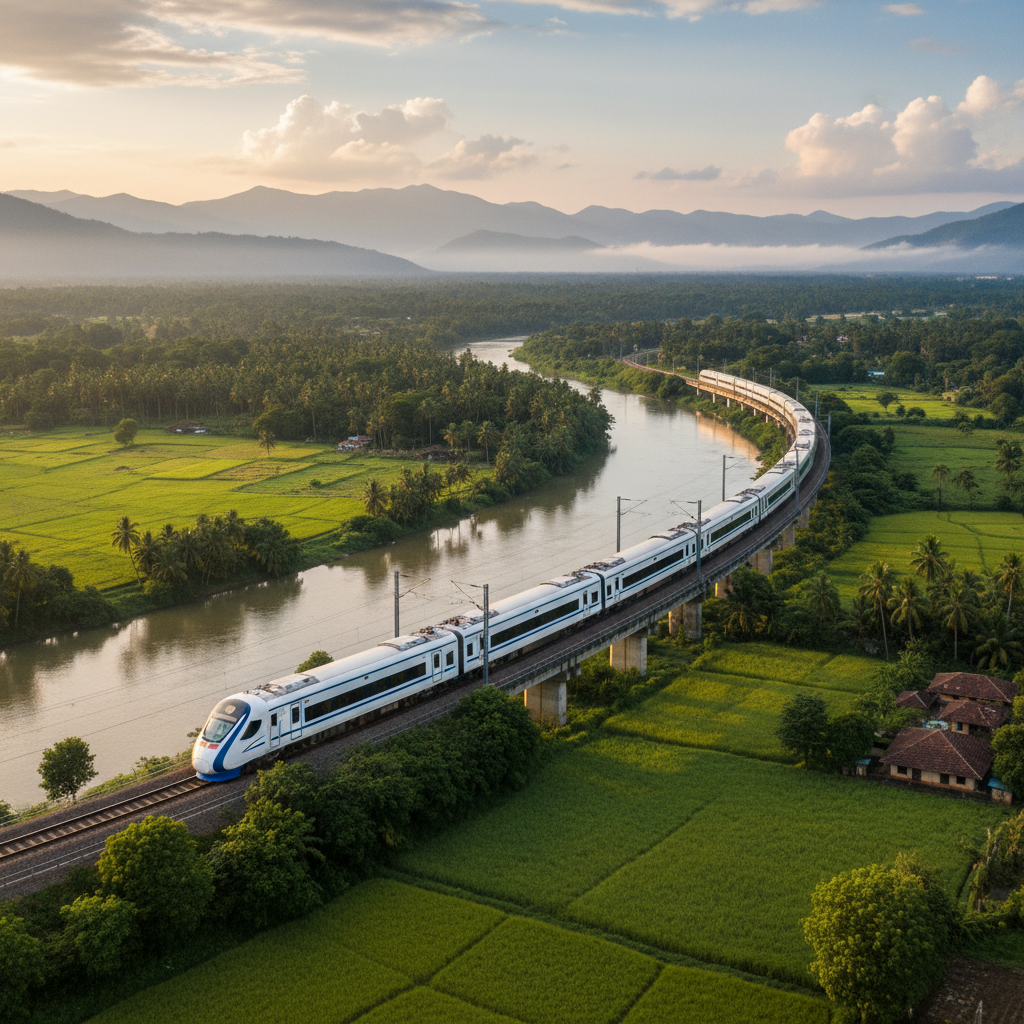
Railways are the principal mode of transportation for freight and passengers in India. They were introduced by colonial powers (Chapter 1) to extract resources, but today they bind the country's economy (Chapter 3), facilitating the internal movement required for global trade.
Waterways & Ports: Gateways
95% of the country's trade volume is moved by sea.
Major ports like Kandla, Mumbai, and Chennai are the specific points where 'Globalisation' physically enters India.
Without these ports developed under 'Lifelines', the MNCs discussed in 'Globalisation' could not function.
Communication: The Digital Lifeline
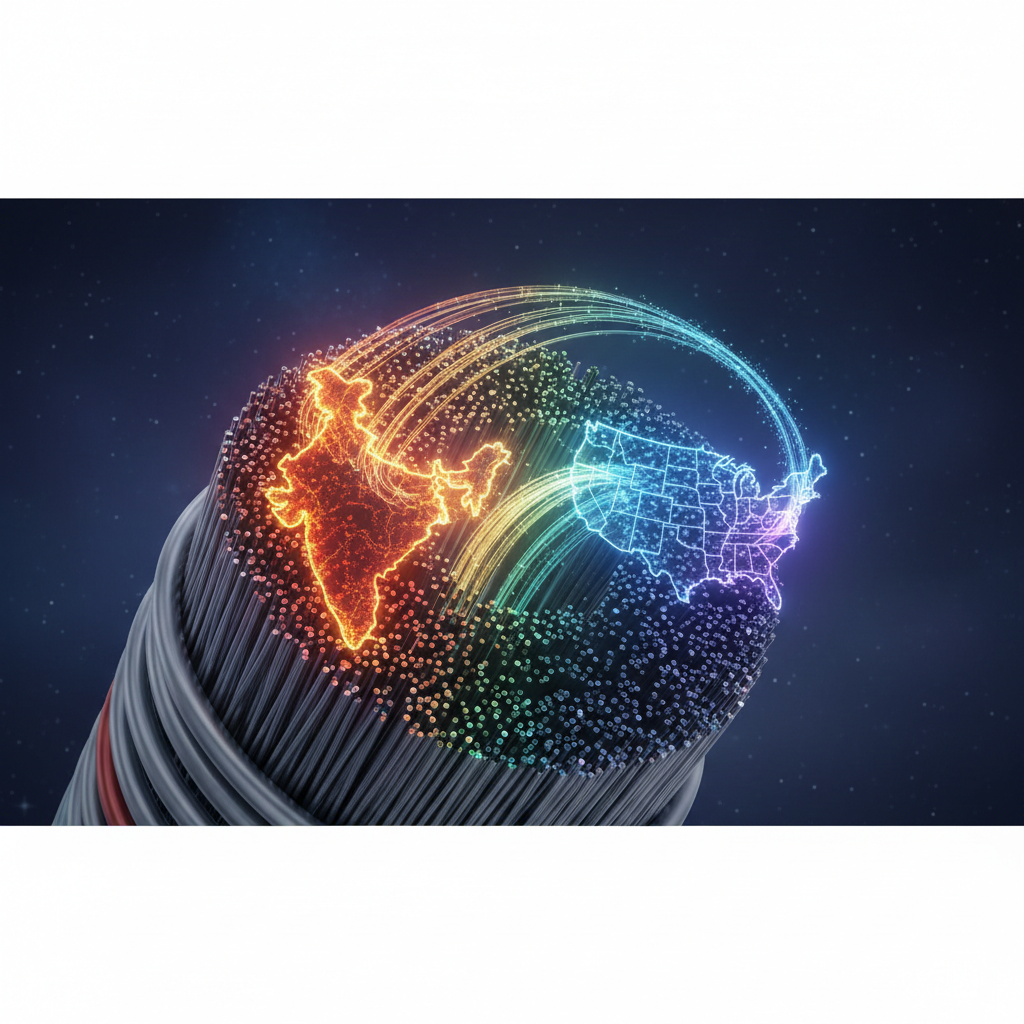
Communication defines modern Globalisation. The BPO (Business Process Outsourcing) sector in India thrives because of real-time data transfer. This digital lifeline allows an office in Bengaluru to serve a customer in New York effectively.
Tourism as Trade
Economic Impact of Global Trade
The correlation culminates here: Better lifelines lead to more globalisation, which increases GDP. The service sector (Tertiary), driven by communication and trade, now dominates India's GDP, replacing the traditional agrarian dominance.
Conclusion: The Synthesis
'The Making of a Global World' taught us the historical roots of exchange.
'Lifelines' provided the physical veins and arteries (Roads, Railways, IT).
'Globalisation' is the blood that flows through them, keeping the Indian Economy alive and growing.
References & Bibliography
1. NCERT Social Science Textbooks Class X (History, Geography, Economics). 2. Ministry of Road Transport & Highways (morth.nic.in). 3. Department for Promotion of Industry and Internal Trade (DPIIT) - FDI Statistics. 4. World Bank Data (GDP & Trade sectors). 5. RBI Handbook on Statistics on Indian Economy.
Thank You
Social Science File
References: NCERT History & Geography Textbooks, Economic Survey of India, World Bank Data
- globalisation
- indian-economy
- trade-routes
- ncert-social-science
- economic-history
- infrastructure
- fdi-india