





Made byBobr AI

Anti-Colonial Resistance of Kazakhs: 18th Century History

Explore the historical impact of the Pugachev Rebellion and Syrym Datov's movement on Kazakh national identity and anti-colonial resistance in the Junior Jüz.

#kazakhstan-history#anti-colonialism#syrym-datov#pugachev-rebellion#junior-juz#central-asia-history#national-liberation
Watch
Pitch

Early Anti-Colonial Resistance in the Kazakh Steppe

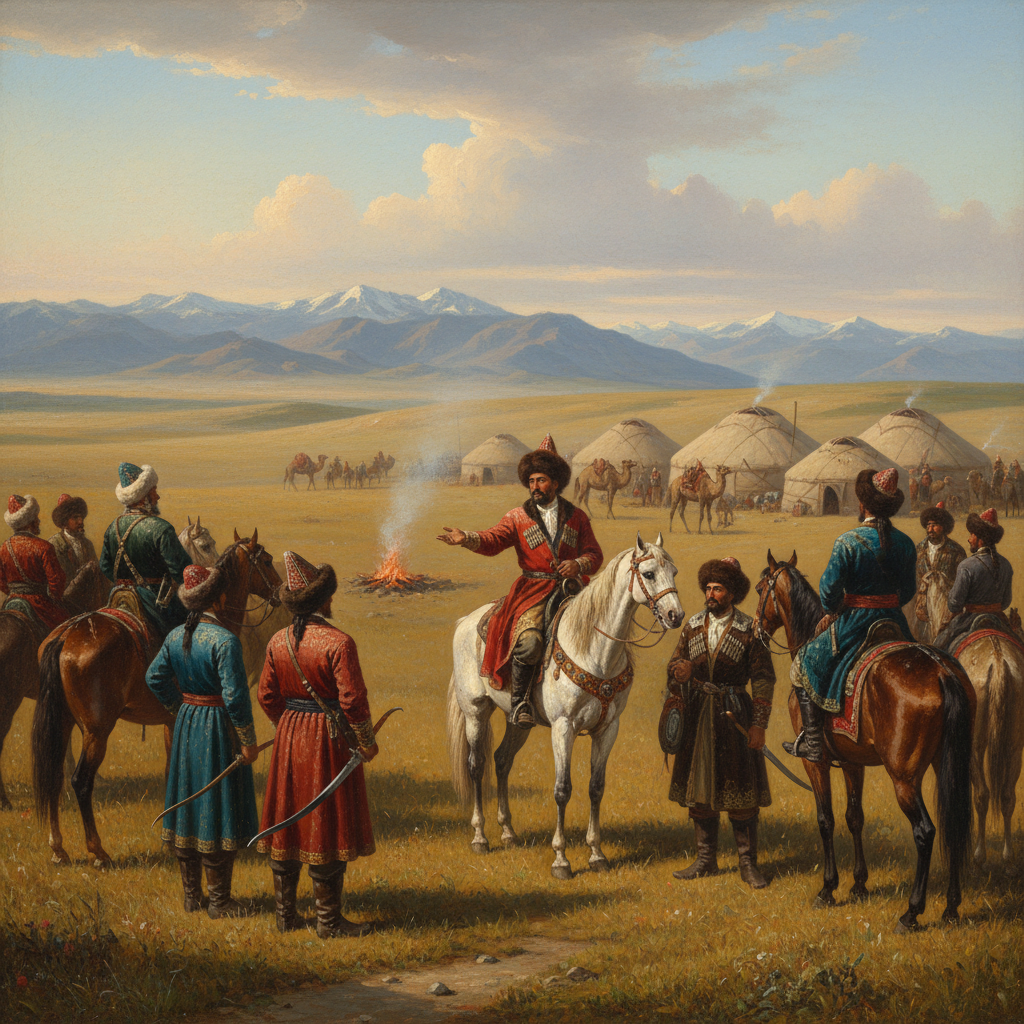
The Junior Jüz: Pugachev Rebellion & Syrym Datov's Movement (Late 18th Century)

Made byBobr AI

1. Introduction: Historical Context

  • Late 18th Century: Increasing Russian colonial pressure in the Junior Jüz.
  • Key Movements: Participation in the Pugachev Rebellion (1773–1775) and Syrym Datov’s Movement (1783–1797).
  • Thesis: These events represent the early forms of organized anti-colonial resistance and the struggle for land rights by Kazakhs.
Made byBobr AI

2. Pace: Speed of Change

Pugachev Rebellion (1773-1775)

  • Rapid Involvement: Sparked by promises of land and freedom.
  • Communication: Spread quickly through oral tradition across the steppe.

Syrym Datov’s Movement (1783-1797)

  • Gradual Development: Evolved over 14 years of struggle.
  • Intensification: Resistance grew steadily as land restrictions by the administration increased.
Made byBobr AI

3. Extent: Scale and Geography

📍 Location:
Primary Region: Junior Jüz (Western Kazakhstan).

👥 Actors:
Key Participants: Nomads, Batyrs, and Clan Leaders.

Comparison: Pugachev's rebellion had a limited scale among Kazakhs compared to Syrym Datov's movement, which was broader, longer, and more organized.

Made byBobr AI

4a. Turning Points: Pugachev Rebellion

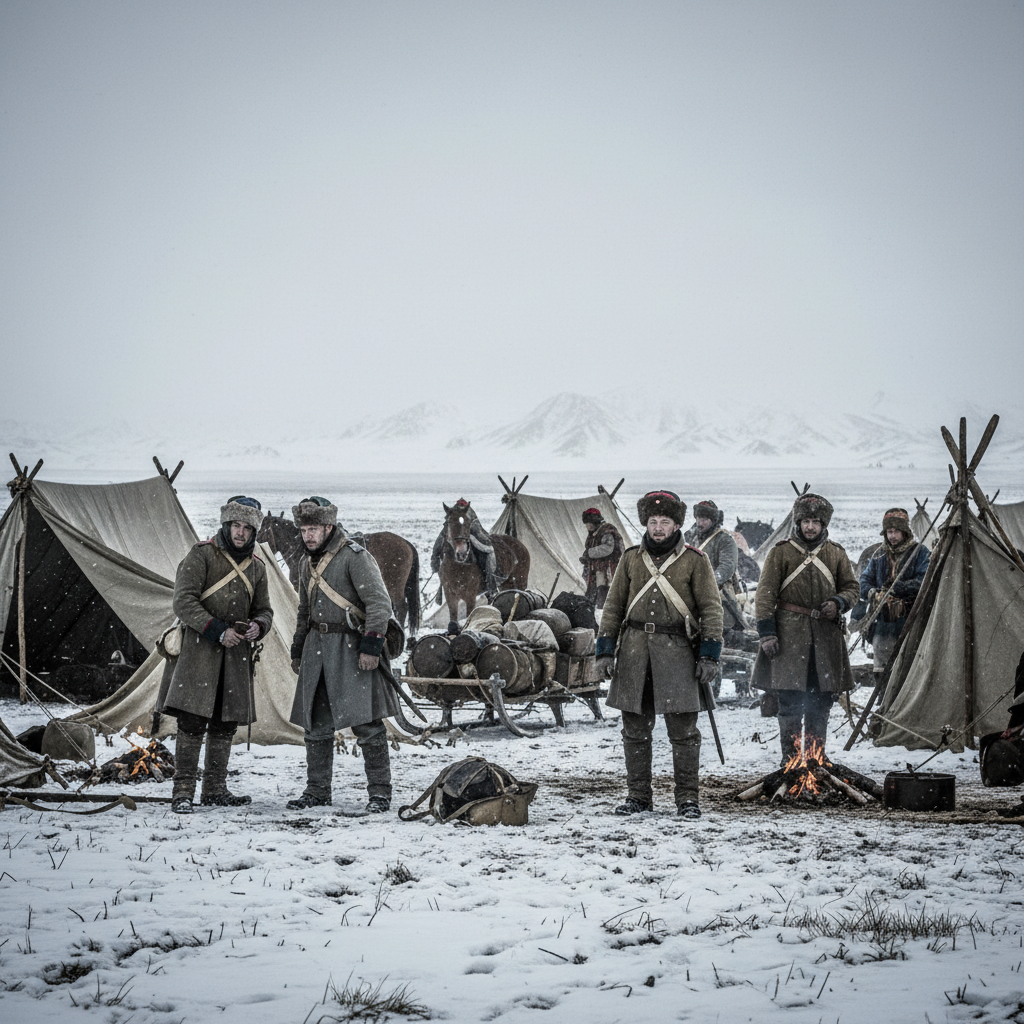
🔴 1775 Defeat: The suppression and subsequent execution of Yemelyan Pugachev.

End of Coordination: The coordinated joint resistance collapsed, leading Kazakh participants to retreat to the steppe, though local discontent remained.

Made byBobr AI

4b. Turning Points: Syrym Datov's Movement

  • Removal of Nuraly Khan
    Political Shifts: The removal of Nuraly Khan was a major tactical victory but created a power vacuum.
  • Internal Division
    Internal Conflict: Disagreements among the clan elites weakened the movement's unity.
  • Exile & End
    Conclusion: Syrym Datov's eventual exile and death (1802) marked the end of this phase of active resistance.
Made byBobr AI

Trends: Analysis

"Growth of Anti-Colonial Consciousness"

A profound decline in trust regarding Russian promises marked the era. The movements signaled a shift from diplomatic alliance-seeking to active defense of land and sovereignty.

Made byBobr AI

5. Trends: Systemic Consequences

Weakening of the Khanate System: Traditional authority eroded under both internal pressure and Russian interference.

Administrative Control: Strengthening of Russian military lines and administrative oversight in the steppe.

Major Trend: Alliance → Resistance → Colonization

Made byBobr AI

Strategic Evaluation

Unlike sporadic raids, the movements of Datov and the participation in Pugachev's rebellion demonstrated organized political will. They utilized diplomatic correspondence, convened kurultais (assemblies), and formulated specific demands regarding pasture usage and administrative reform.

Made byBobr AI

6. Conclusion & Opinion

These movements were successfully suppressed but served as the initial stage of the national-liberation struggle in the Steppe.

Author's Position: Although they were military defeats, they laid the political and ideological foundations for future resistance (like Kenesary Kasymov's revolt) and the eventual formation of a distinct Kazakh national identity vis-à-vis the empire.

Made byBobr AI

7. Sources & Literature

  • Olcott, M. B. (1995). The Kazakhs. Hoover Press.
  • Sabol, S. (2003). Russian Colonization and the Genesis of Kazak National Consciousness. Palgrave Macmillan.
  • Brower, D. (2003). Turkestan and the Fate of the Russian Empire. Routledge.
Made byBobr AI
Bobr AI

DESIGNER-MADE
PRESENTATION,
GENERATED FROM
YOUR PROMPT

Create your own professional slide deck with real images, data charts, and unique design in under a minute.

Generate For Free

Anti-Colonial Resistance of Kazakhs: 18th Century History

Explore the historical impact of the Pugachev Rebellion and Syrym Datov's movement on Kazakh national identity and anti-colonial resistance in the Junior Jüz.

Early Anti-Colonial Resistance in the Kazakh Steppe

The Junior Jüz: Pugachev Rebellion & Syrym Datov's Movement (Late 18th Century)

1. Introduction: Historical Context

Late 18th Century: Increasing Russian colonial pressure in the Junior Jüz.

Key Movements: Participation in the Pugachev Rebellion (1773–1775) and Syrym Datov’s Movement (1783–1797).

Thesis: These events represent the early forms of organized anti-colonial resistance and the struggle for land rights by Kazakhs.

2. Pace: Speed of Change

Pugachev Rebellion (1773-1775)

Rapid Involvement: Sparked by promises of land and freedom.

Communication: Spread quickly through oral tradition across the steppe.

Syrym Datov’s Movement (1783-1797)

Gradual Development: Evolved over 14 years of struggle.

Intensification: Resistance grew steadily as land restrictions by the administration increased.

3. Extent: Scale and Geography

Primary Region: Junior Jüz (Western Kazakhstan).

Key Participants: Nomads, Batyrs, and Clan Leaders.

Comparison: Pugachev's rebellion had a limited scale among Kazakhs compared to Syrym Datov's movement, which was broader, longer, and more organized.

4a. Turning Points: Pugachev Rebellion

1775 Defeat: The suppression and subsequent execution of Yemelyan Pugachev.

End of Coordination: The coordinated joint resistance collapsed, leading Kazakh participants to retreat to the steppe, though local discontent remained.

4b. Turning Points: Syrym Datov's Movement

Political Shifts: The removal of Nuraly Khan was a major tactical victory but created a power vacuum.

Internal Conflict: Disagreements among the clan elites weakened the movement's unity.

Conclusion: Syrym Datov's eventual exile and death (1802) marked the end of this phase of active resistance.

Growth of Anti-Colonial Consciousness

A profound decline in trust regarding Russian promises marked the era. The movements signaled a shift from diplomatic alliance-seeking to active defense of land and sovereignty.

5. Trends: Systemic Consequences

Weakening of the Khanate System: Traditional authority eroded under both internal pressure and Russian interference.

Administrative Control: Strengthening of Russian military lines and administrative oversight in the steppe.

Alliance → Resistance → Colonization

Strategic Evaluation

Unlike sporadic raids, the movements of Datov and the participation in Pugachev's rebellion demonstrated organized political will. They utilized diplomatic correspondence, convened kurultais (assemblies), and formulated specific demands regarding pasture usage and administrative reform.

6. Conclusion & Opinion

These movements were successfully suppressed but served as the initial stage of the national-liberation struggle in the Steppe.

Author's Position: Although they were military defeats, they laid the political and ideological foundations for future resistance (like Kenesary Kasymov's revolt) and the eventual formation of a distinct Kazakh national identity vis-à-vis the empire.

7. Sources & Literature

Olcott, M. B. (1995). The Kazakhs. Hoover Press.

Sabol, S. (2003). Russian Colonization and the Genesis of Kazak National Consciousness. Palgrave Macmillan.

Brower, D. (2003). Turkestan and the Fate of the Russian Empire. Routledge.

  • kazakhstan-history
  • anti-colonialism
  • syrym-datov
  • pugachev-rebellion
  • junior-juz
  • central-asia-history
  • national-liberation