



The Evolution of Phone Chargers: From 1990 to 2025
Explore the history of charging technology from proprietary 1990s bricks to USB-C standardization, GaN technology, and the future of wireless power.
Powering Up: The Evolution of Chargers (1990-2025)
From Proprietary Bricks to the Universal USB-C Era
The Lifeline of Portability
For over three decades, the humble charger has been the unsung hero of the portable technology revolution. While devices shrank, screens grew, and processors accelerated, the method of delivering power evolved from heavy, chaotic proprietary bricks to sleek, universal standards.
The 1990s: A Wilderness of Wires
Zero Standardization: Every brand (Nokia, Motorola, Ericsson) used a unique port.
The 'Wall Wart': Chargers were heavy transformers plugged directly into the wall.
Model Specificity: Often, different models from the same brand required different plugs.
The Barrel Connector Era
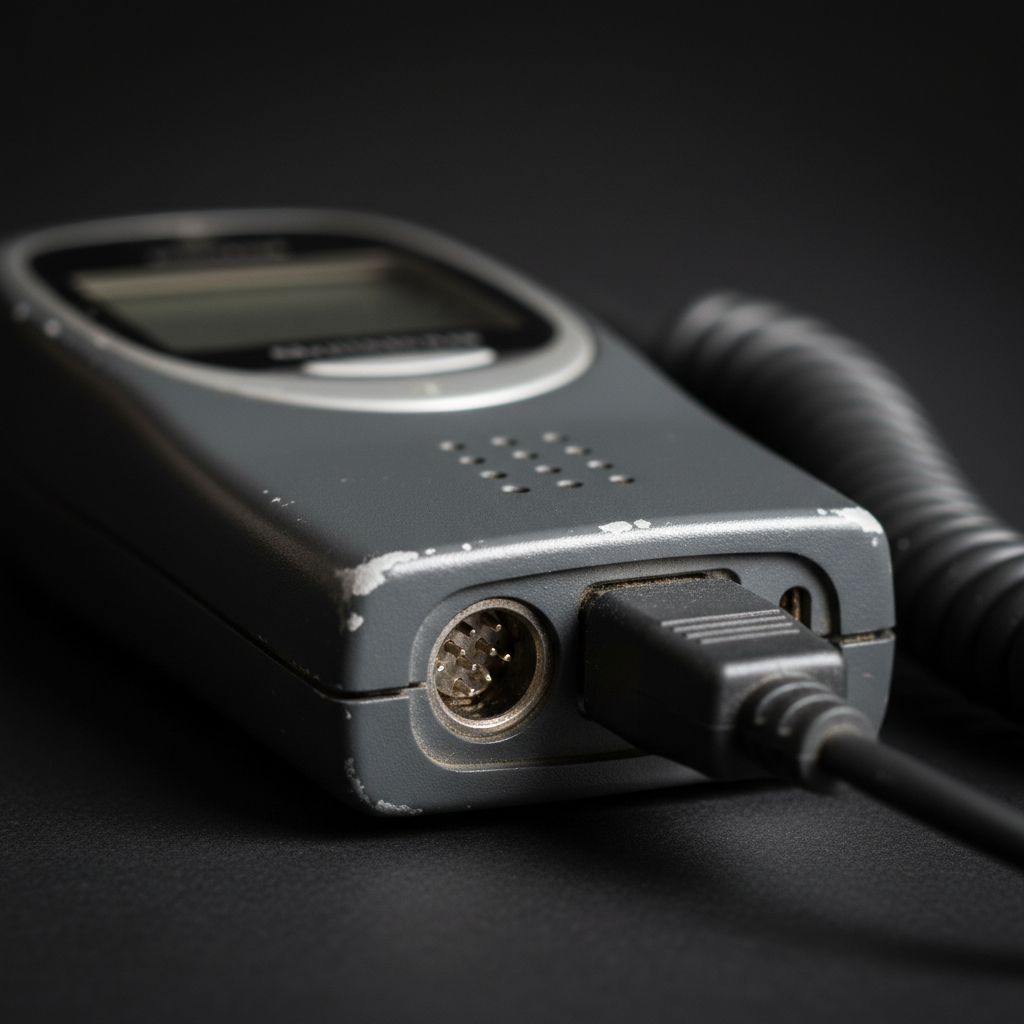
In the late 90s, circular barrel connectors dominated. Nokia's 3.5mm and later 2.0mm jacks became iconic. They were purely for power delivery—data transfer required entirely separate, bulky cables using serial ports.
The Surge in Charging Power (1995-2025)
Charging speeds have increased exponentially. From the trickle charge of early GSM phones to modern high-wattage fast charging that can fill a battery in minutes.
Early 2000s: Mini-USB Emerges
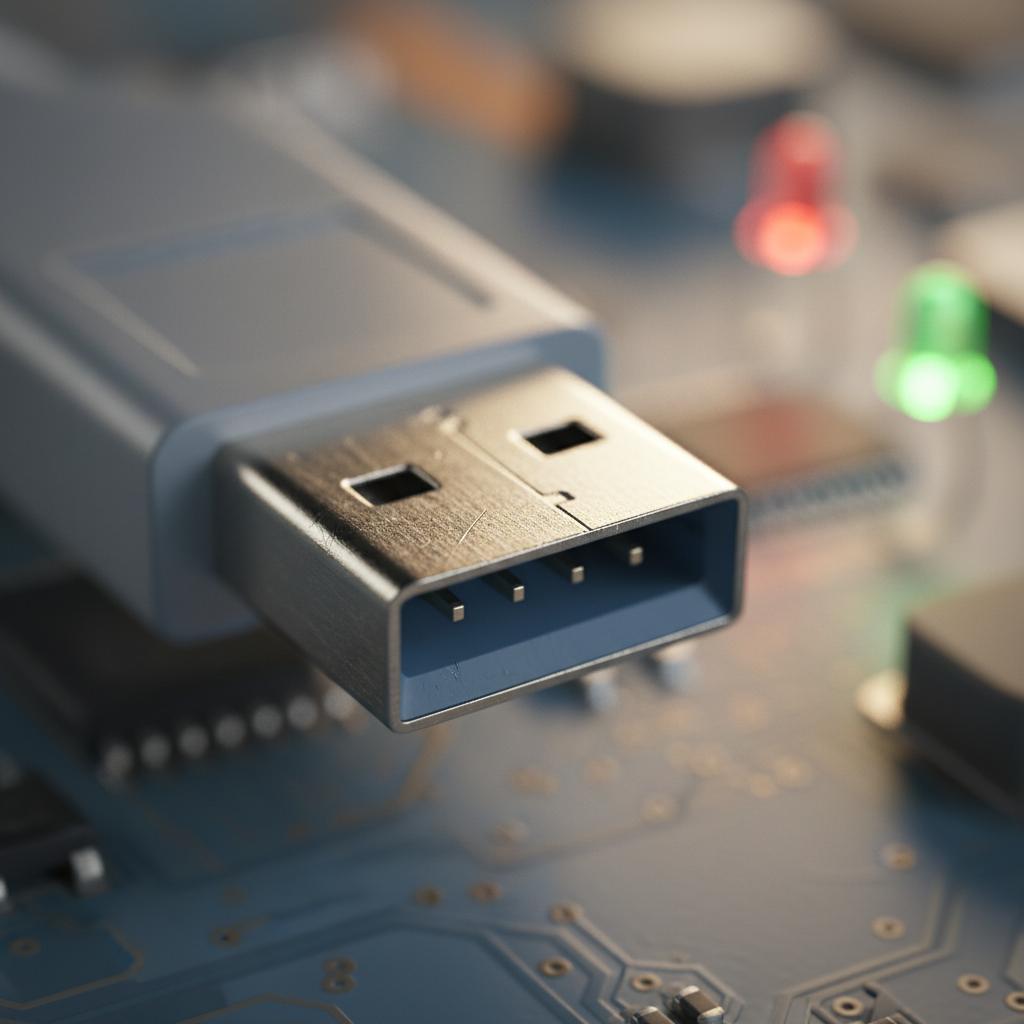
The Mini-USB standard was the first major step toward unification. Originally designed for peripherals like cameras and MP3 players, it was adopted by early smartphones (like Motorola Razr). It combined power and data into one cable, eliminating the need for separate serial cables.
2009: The Micro-USB Mandate
Thinner Profile: Designed for the slimming form factor of modern smartphones.
GSMA Approval: Major manufacturers agreed to standardize on Micro-USB to reduce e-waste.
Durability Issues: Known for locking hooks that wore out, and it was not reversible.
Apple's 30-Pin Era
While the world moved to Micro-USB, Apple maintained the wide 30-pin Dock Connector (2003-2012). It was a powerhouse, carrying analog audio, video, firewire, and USB data, spawning a massive ecosystem of speaker docks.
Evolution of Micro-USB Protocols
<li style="margin-bottom:20px;"><strong>Standard Downstream Port (SDP):</strong> The original USB 2.0 spec limited charging to 500mA, primarily for data transfer.</li><li style="margin-bottom:20px;"><strong>Battery Charging 1.2 (BC1.2):</strong> Introduced in 2010, the "Dedicated Charging Port" (DCP) shorted data pins to allow up to 1.5A.</li><li style="margin-bottom:20px;"><strong>Pin Manipulation:</strong> Manufacturers like Samsung and Apple used specific resistor values on D+/D- pins to signal 2A+ capabilities.</li><li style="margin-bottom:20px;"><strong>Early Quick Charge:</strong> Qualcomm QC 1.0 pushed voltages beyond 5V over Micro-USB, but the connector's physical limits (max ~24W) necessitated a new standard.</li>
2012: The Shift to Lightning
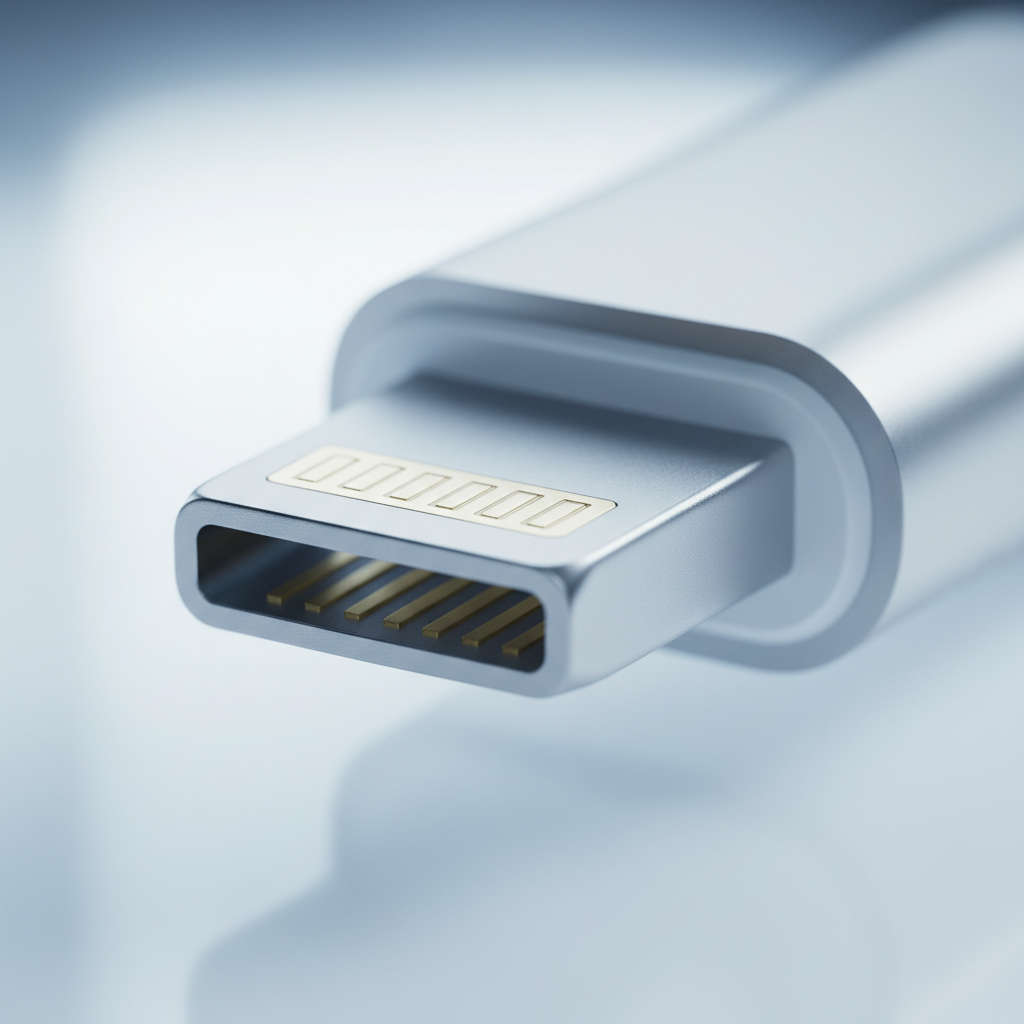
Apple introduced the Lightning connector with the iPhone 5. It was 80% smaller than the 30-pin, fully digital, and significantly, it was reversible—solving the biggest frustration of USB connectors at the time.
We all have that one drawer. The drawer full of tangled cables, mysterious power bricks, and connectors for devices we haven't owned in a decade.
Tech Review Common Sentiment
2014: The One Port to Rule Them All
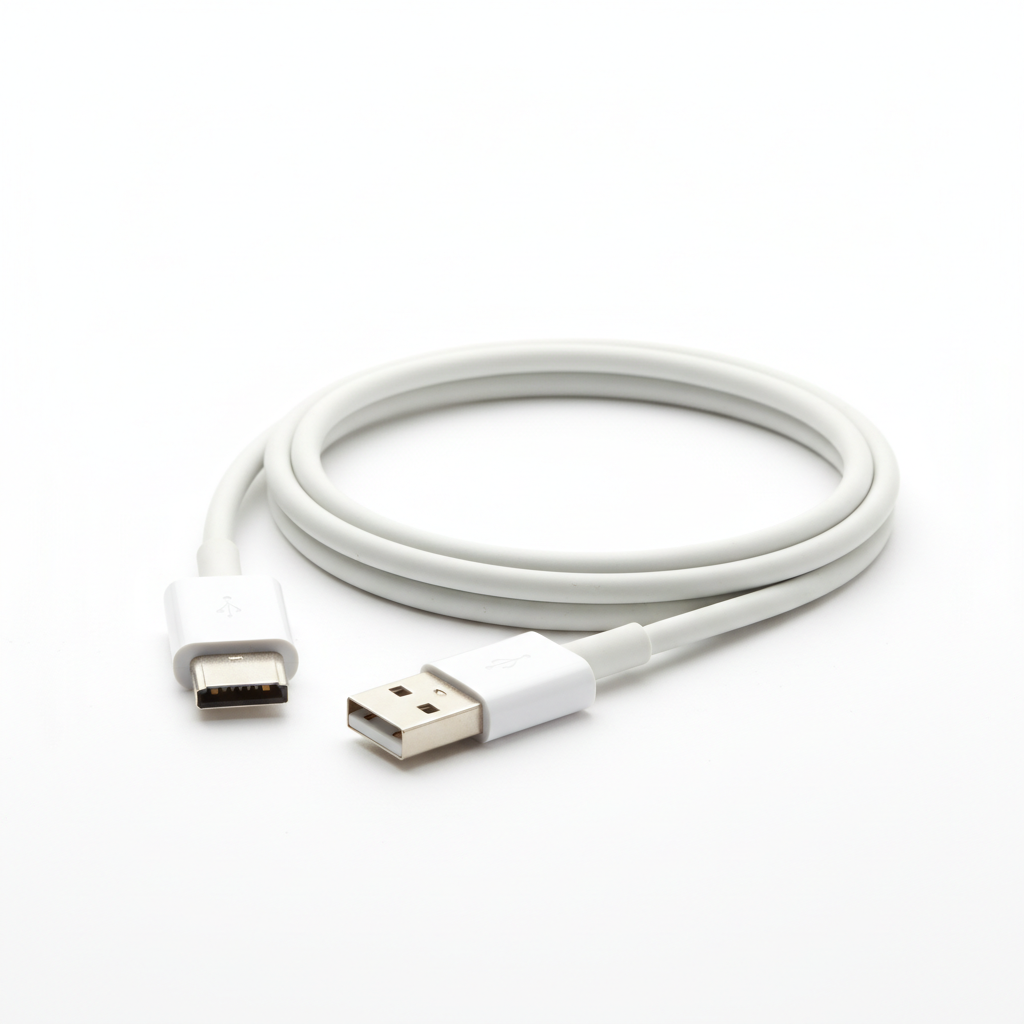
The USB-C Revolution
Symmetry: Reversible plug orientation ended the 'try three times' struggle.
Versatility: Can carry Data, Power, Video (replacing HDMI), and Audio simultaneously.
Scalability: Supports everything from headphones to high-end laptops via Power Delivery.
Cutting the Cord: Wireless Charging
Qi Wireless Charging standardization brought inductive charging to the mainstream. While slower and less efficient than cables, it offered convenience. Furniture, cars, and cafes began integrating pads directly into surfaces.
The 'Box Diet' (2020)
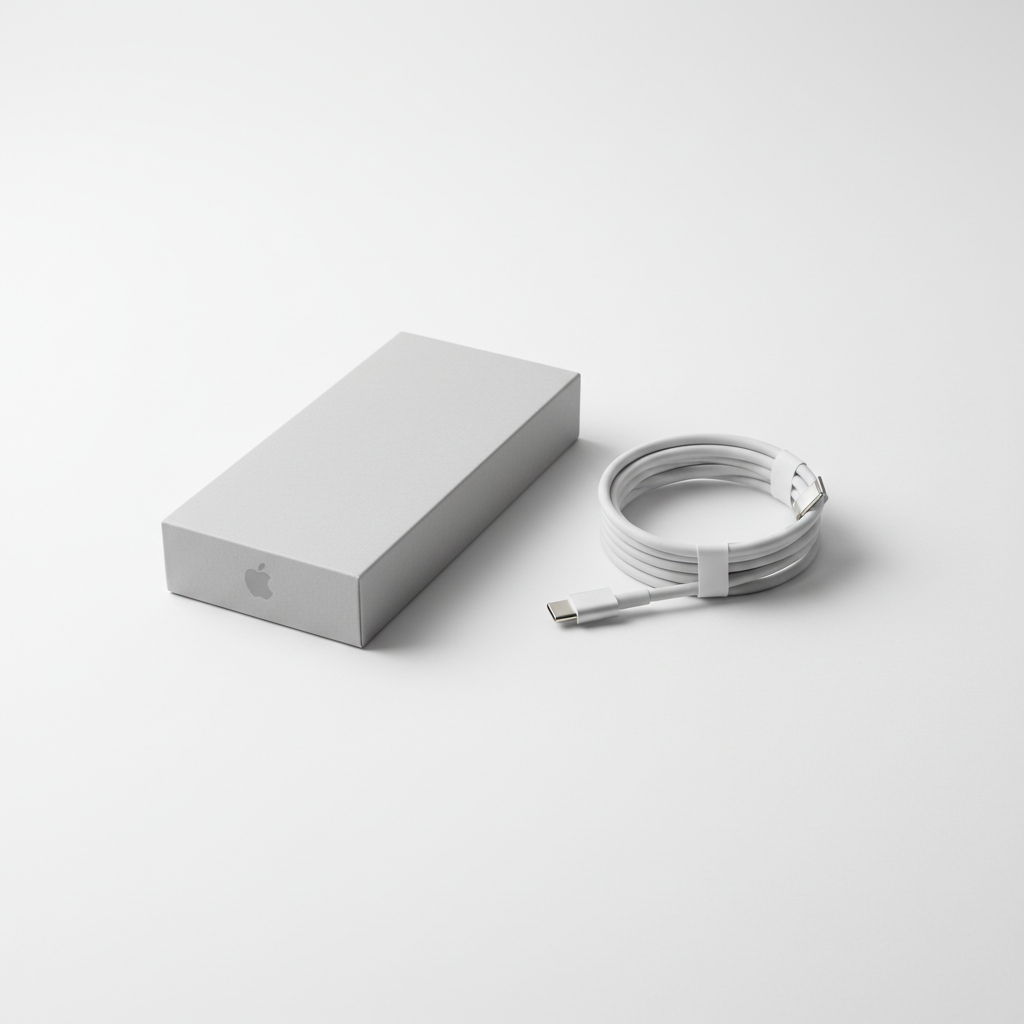
Major manufacturers like Apple and Samsung stopped including charging bricks in the box, citing environmental benefits and E-waste reduction. This compelled users to reuse old bricks or invest in newer, faster third-party chargers.
GaN Technology: Small but Mighty
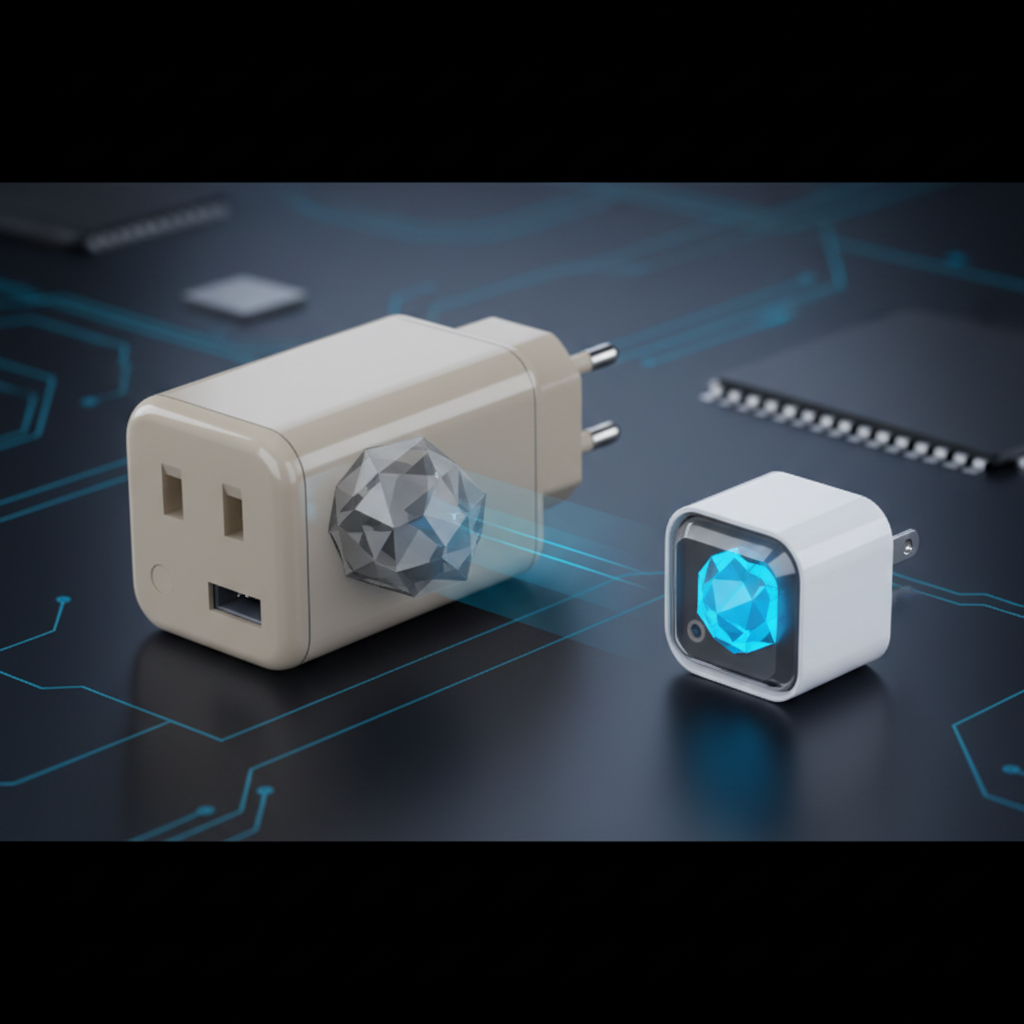
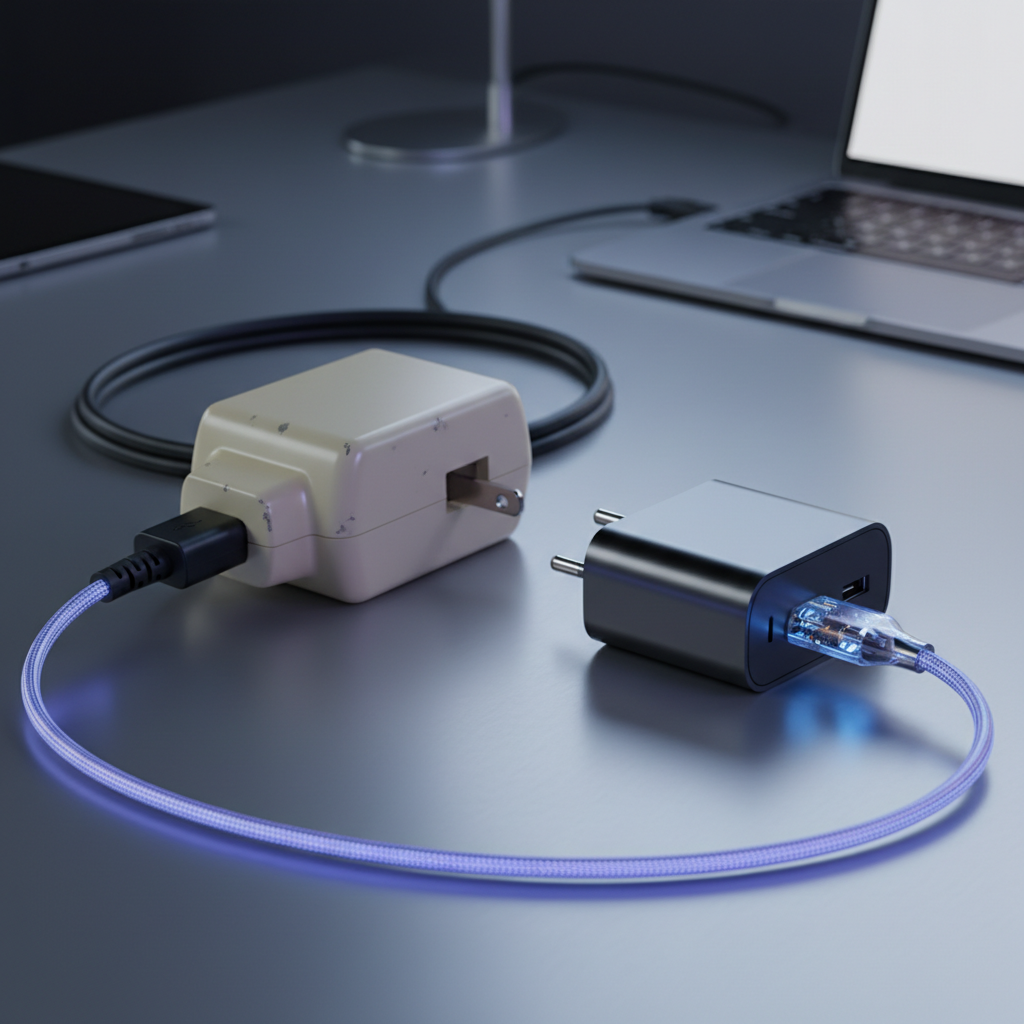
Gallium Nitride (GaN) replaced Silicon in high-end chargers. GaN conducts electrons more efficiently and generates less heat, allowing manufacturers to pack 100W+ of power into a brick the size of a cookie.
The Proprietary Port Decline
As legal mandates and consumer preference shifted, the market share of devices using USB-C exploded, while proprietary legacy ports vanished.
2024: The EU Common Charger Law
A historic turning point: The European Union mandated USB-C for all small electronic devices sold by the end of 2024. This legislation forced holdouts (most notably Apple) to finally adopt the universal standard, effectively ending the cable wars.
The PD Revolution (USB Power Delivery)
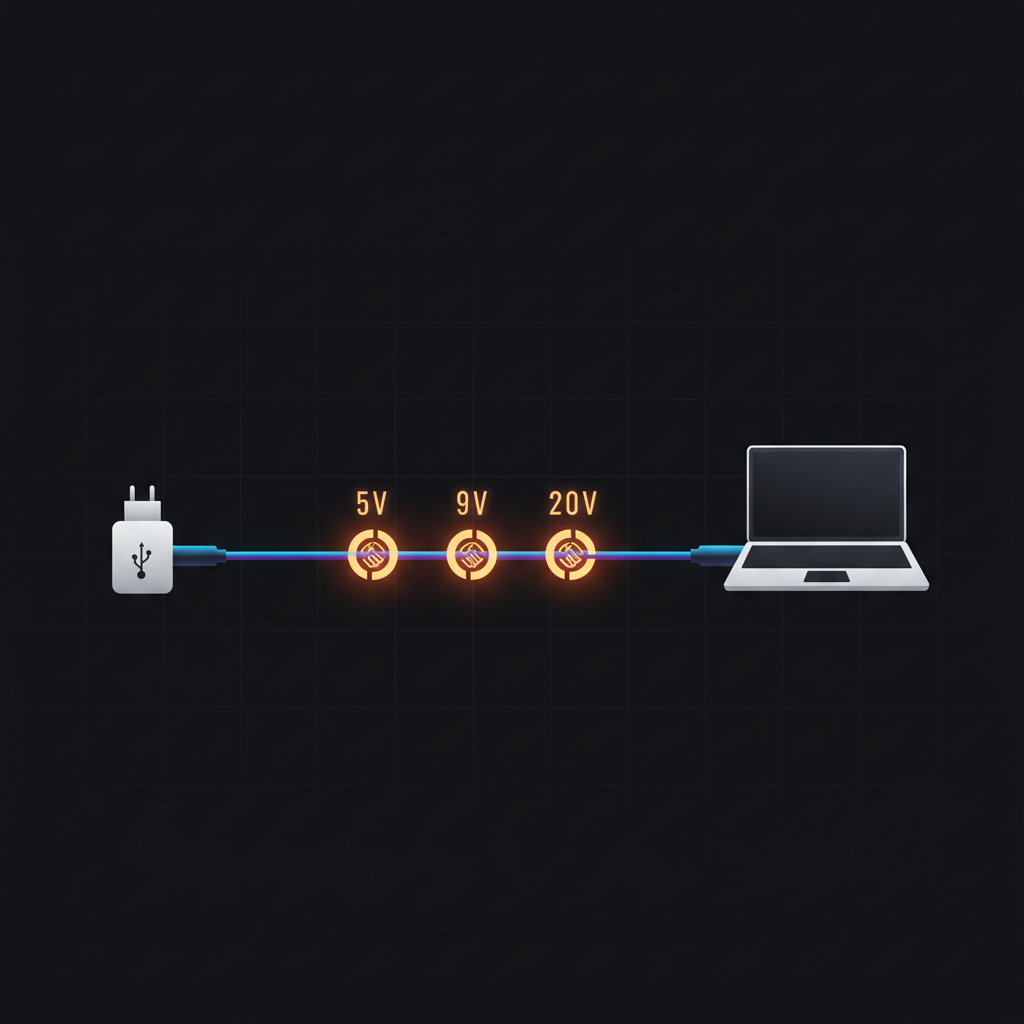
USB Power Delivery marked the shift from simple electrical connection to intelligent negotiation. By using the 'CC' (Configuration Channel) pins, devices and chargers communicate to agree on the optimal voltage (5V, 9V, 15V, 20V) and current, enabling a single charger to power phones, tablets, and laptops.
Recent Developments: PD 3.1 & GaN
<li style="margin-bottom:25px; border-left: 4px solid #4caf50; padding-left: 15px;"><strong>Extended Power Range (EPR):</strong> PD 3.1 breaks the 100W barrier, offering up to 240W (48V @ 5A) for gaming laptops and monitors.</li><li style="margin-bottom:25px; border-left: 4px solid #4caf50; padding-left: 15px;"><strong>Gallium Nitride (GaN):</strong> New semiconductor material replacing silicon, allowing for chargers that are 50% smaller and run cooler.</li><li style="margin-bottom:25px; border-left: 4px solid #4caf50; padding-left: 15px;"><strong>PPS (Programmable Power Supply):</strong> Dynamic voltage adjustment in 20mV steps to reduce heat and optimize charging speed.</li>
2025: Magnetic & Air Charging
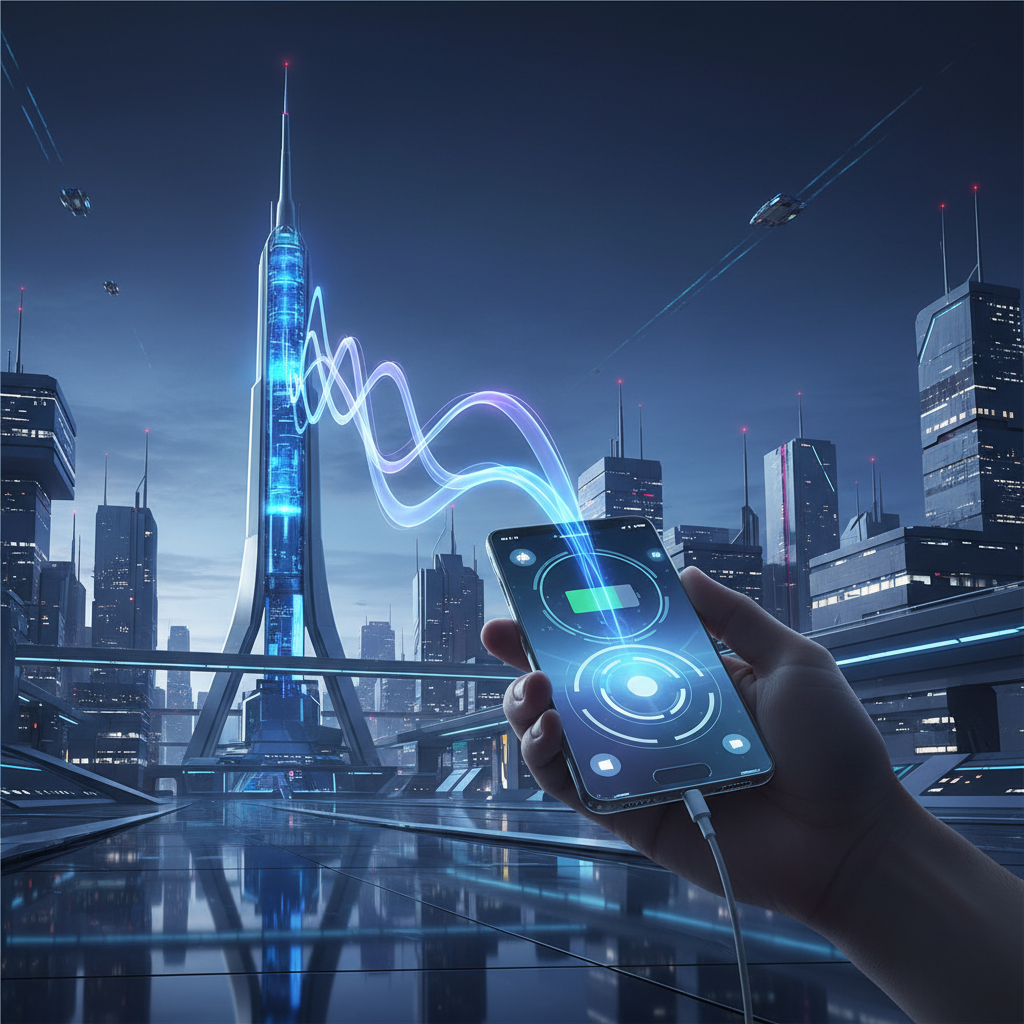
Looking to 2025 and beyond, 'True Wireless' is the frontier. Technologies like over-the-air charging (beaming power across a room) and advanced magnetic alignment (MagSafe 2.0 / Qi2) are reducing the need to ever plug a cable in.
Sustainability Impact
Waste Reduction: Universal chargers save an estimated 11,000 tonnes of e-waste annually in the EU alone.
Longevity: High-quality GaN chargers last through multiple device upgrades.
Efficiency: Modern Power Delivery protocols negotiate exact energy needs, wasting less electricity.
Conclusion
We have moved from a fragmented past to a unified future. The charger is no longer an accessory—it is a universal utility.
- charging-technology
- usb-c
- phone-chargers
- history-of-tech
- gan-charger
- power-delivery
- wireless-charging
- e-waste