


India LiFePO4 Battery Sales Strategy & 2030 Market Outlook
Explore the LFP battery growth strategy for India. Analysis of 26% CAGR, EV 2W/3W market, PLI schemes, and cost advantages over Lead-Acid alternatives.
Energizing India: LiFePO4 Sales Strategy
Capturing the 26% CAGR Growth Opportunity in 2025-2030
Executive Summary
India's battery market is undergoing a seismic shift. Driven by government PLI schemes and a massive safety push following EV fire incidents, LiFePO4 (LFP) technology is emerging as the preferred chemistry. With a projected CAGR of 26%, our strategy focuses on the high-demand 2W/3W EV sector and deepening renewable energy storage integration.
Market Demand Projection
Demand for Li-ion batteries in India is skyrocketing, driven by national mobility plans. By 2030, demand is expected to hit 135 GWh.
Why LFP? The Competitive Advantage
Safety First: Superior thermal stability eliminates fire risks common in NMC chemistries, critical for India's hot climate.
Longevity: Higher cycle life (2000-3000+ cycles) ensures lower Total Cost of Ownership (TCO) for commercial fleets.
Cost Effective: Absence of expensive Cobalt and Nickel makes LFP more affordable for mass-market adoption.
Eco-Friendly: Non-toxic materials align with India's green energy initiatives and simpler recycling processes.
Target Segment: Light Electric Vehicles (2W/3W)
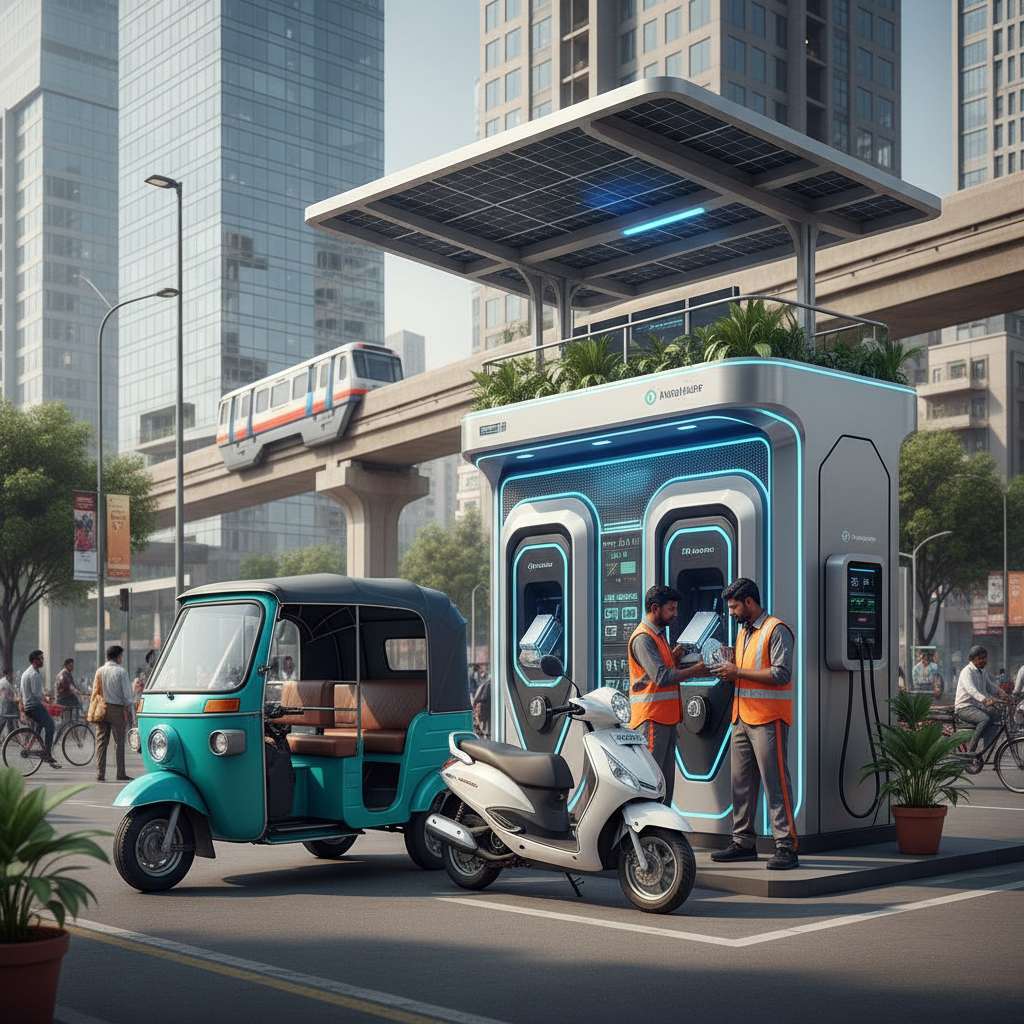
The primary demand driver is the urban mobility sector. Our strategy targets 2-5 kWh swappable LFP packs. This addresses the needs of last-mile delivery fleets requiring rapid turnaround and high safety standards.
Target Segment: Renewable Energy Storage
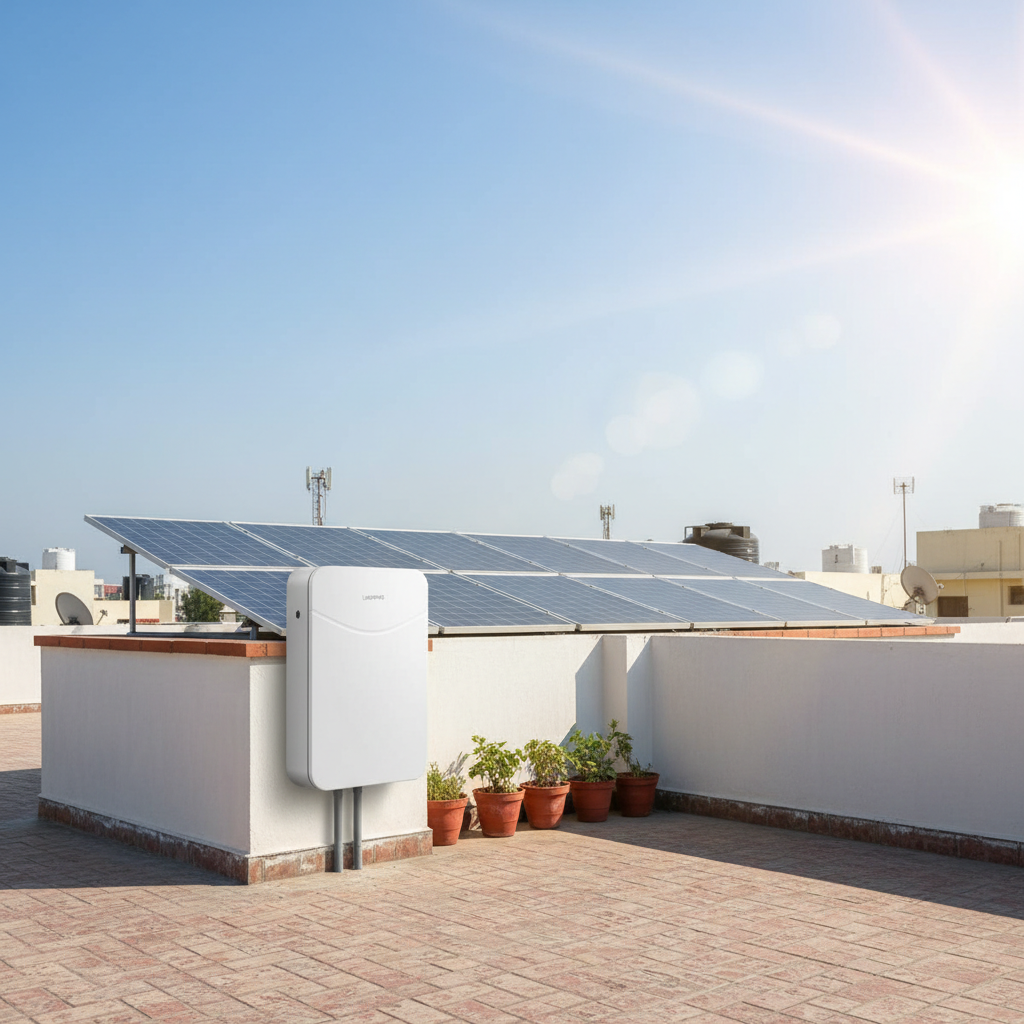
LFP is the chemistry of choice for Solar Home Systems (5-10 kWh) and grid-scale BESS. Safety is paramount here. We leverage government subsidies (up to 40% for BESS) to pitch reliable storage solutions to renewable developers.
Supply Chain Context
Currently, India relies heavily on imports for lithium-ion cells. Our strategy involves navigating this landscape by partnering with local assemblers benefiting from PLI schemes to gradually reduce reliance.
Strategic Levers: Policy & Incentives
PLI Scheme Support: Utilizing the Production Linked Incentive scheme targeting 50 GWh ACC manufacturing in India.
Tax Benefits: Leveraging the 18% GST rate on storage batteries to offer competitive pricing against lead-acid alternatives.
Import Duty Advantage: High duties on imported packs (up to 25%) favor our strategy of local pack assembly.
Cost Reduction Roadmap
Price sensitivity is key in the Indian market. We anticipate a 5-10% cost reduction by 2025 through: 1. Economies of Scale via bulk cell procurement. 2. Automated localized pack assembly. 3. Emerging possibilities in LFP recycling for raw material security.
Projected TCO Savings
Demonstrating Total Cost of Ownership (TCO) is crucial for B2B sales. LFP offers significant savings over Lead-Acid over a 5-year period due to minimal replacement needs.
Call to Action
Partner for a Sustainable Future
- lifepo4
- india-ev-market
- renewable-energy
- battery-technology
- sales-strategy
- energy-storage
- pli-scheme