










Made byBobr AI

Web Security: Attacks and Defenses Implementation Guide

Learn about common web application vulnerabilities like SQLi, XSS, and CSRF, including demonstration cases and effective defense implementation strategies.

#web-security#cybersecurity#sql-injection#cross-site-scripting#csrf-defense#vulnerability-assessment#secure-coding
Watch
Pitch

Web Security: Web Attacks and Defences

Project 4 – Implementation Presentation | TCS iON

Aryan Kumar Singh | Amity University Online

Made byBobr AI

Introduction & Objective

Objective of This Project

  • Understand common web application vulnerabilities
  • Demonstrate real-world web attacks
  • Analyze the impact of insecure apps
  • Implement security controls and defences

Importance of Web Security

  • Web applications are publicly accessible
  • Small coding mistakes lead to exploitation
  • Secure apps protect user data and trust
Made byBobr AI

Vulnerable Web Application Setup

Environment Used

  • Damn Vulnerable Web Application (DVWA)
  • Local web server (PHP & MySQL)
  • Tools: Browser & Burp Suite Community

Purpose

  • Safely practice real attacks
  • Understand vulnerability mechanics
  • Learn remediation techniques
Made byBobr AI

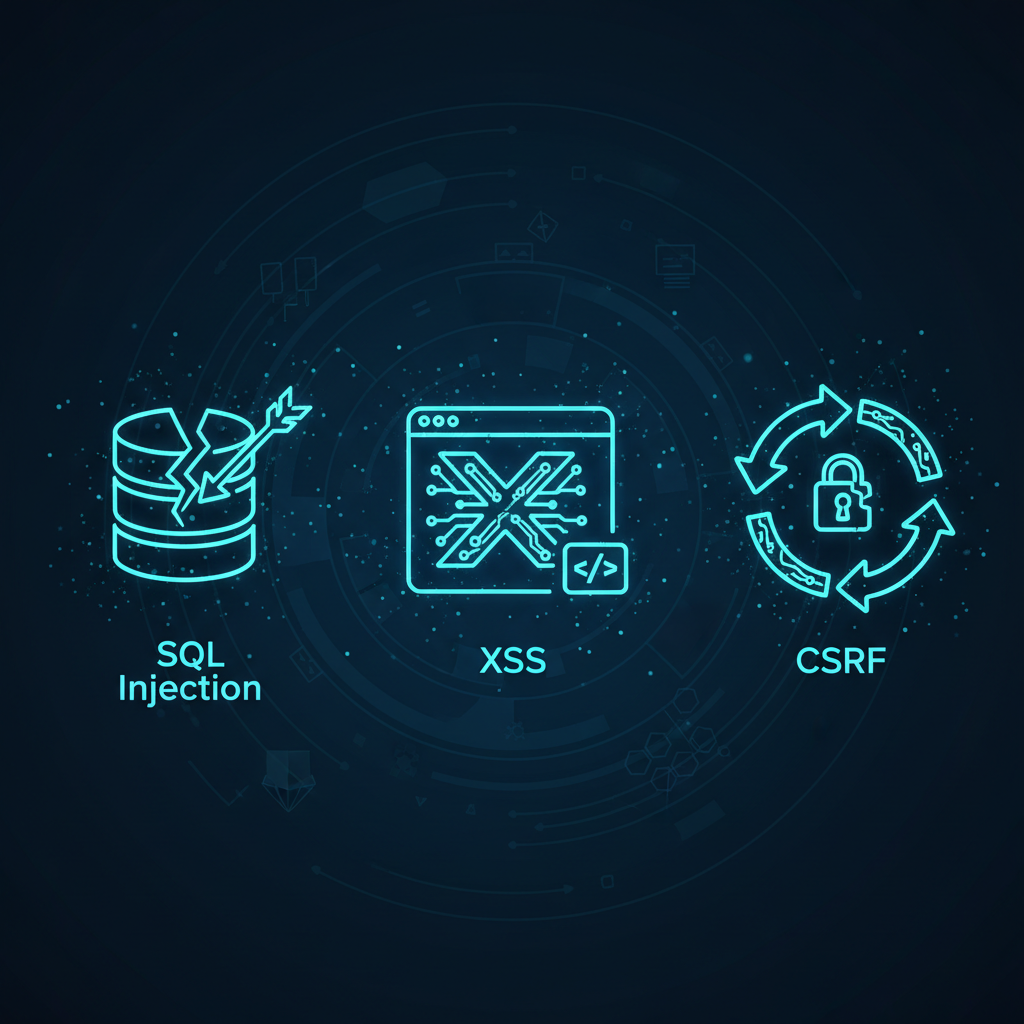
Overview of Web Attacks Demonstrated

Web Attacks Covered

  • SQL Injection (SQLi)
  • Cross-Site Scripting (XSS)
  • Cross-Site Request Forgery (CSRF)

Primary Target Areas

  • Login Forms & Authentication Handling
  • User Input Fields & Search Boxes
  • Session Tokens & Request Headers
Made byBobr AI

SQL Injection (SQLi)

What is it?

Injection of malicious SQL queries via input fields, exploiting improper validation to manipulate the database.

Demonstration

• Injected code into login field
• Bypassed authentication mechanism
• Gained unauthorized admin access

Critical Impact

Data Leakage | Unauthorized Login | Database Manipulation

Made byBobr AI

SQL Injection Prevention

Security Measures Implemented

  • Strong Input Validation
  • Prepared Statements
  • Parameterized Queries

Result: SQL Injection attacks effectively blocked; database queries executed safely without interpreting user input as code.

Made byBobr AI

Cross-Site Scripting (XSS)

Mechanism

Injecting malicious JavaScript into web pages which is then executed in the victim’s browser.

Demonstration

• Malicious script injected into input field
• Script auto-executed on page load

Potential Impact

Session Hijacking, Data Theft, Unauthorized Redirection.

Made byBobr AI

XSS Mitigation Techniques

Input Sanitization

Cleaning user input to remove potentially executable code.

Output Encoding

Converting special characters into HTML entities to prevent execution.

Content Security Policy (CSP)

Restricting where scripts can be loaded and executed from.

Result: Scripts no longer execute; user input is displayed as safe text.

Made byBobr AI

Cross-Site Request Forgery (CSRF)

What is CSRF?

An attack that forces an authenticated user to perform unwanted actions without their knowledge.


Attack Demonstration

• Constructed a malicious link/request
• Victim clicked, executing an action (e.g., password change) without consent


Impact

Unauthorized transactions, account manipulation, data modification.

Made byBobr AI

CSRF Defense Implementation

CSRF Tokens
Unique, secret tokens generated for each session to verify request origin.
Session Validation
Ensuring the user is authenticated and the session is active for sensitive actions.
SameSite Cookies
Restricting cookies to first-party context to prevent external triggering.

Result: Unauthorized external requests are blocked; only valid tokens are accepted.

Made byBobr AI

Web Security Best Practices

Strategic Measures

  • Secure Session Management: Timeouts, regeneration.
  • HTTPS Enforcement: Encrypt data in transit.
  • Regular Testing: Periodic vulnerability scans.
  • Least Privilege: Minimum necessary access rights.

Benefit

Significantly reduced attack surface and improved overall application resilience.

Made byBobr AI

Conclusion & Key Findings

Critical Vulnerability

Web applications are highly vulnerable to manipulation if input validation is missing.

Input Handling

Strict input handling is the first line of defense against SQLi and XSS.

Effectiveness

Properly implemented defenses (Tokens, CSP, Prep Statements) effectively neutralize attacks.

Conclusion: Understanding attacks and implementing defense mechanisms is essential for building secure web applications.

Made byBobr AI

Reflection

This project helped me understand how real-world web attacks work and how insecure coding practices can lead to serious vulnerabilities. Performing attacks in a controlled environment gave me practical insight into attacker techniques.

The biggest challenge was understanding how small input validation mistakes can compromise entire applications. Implementing defenses helped me clearly see how security controls prevent attacks.

This assignment improved my confidence in web security testing and secure coding practices, which are essential skills for cybersecurity professionals.

Made byBobr AI
Bobr AI

DESIGNER-MADE
PRESENTATION,
GENERATED FROM
YOUR PROMPT

Create your own professional slide deck with real images, data charts, and unique design in under a minute.

Generate For Free

Web Security: Attacks and Defenses Implementation Guide

Learn about common web application vulnerabilities like SQLi, XSS, and CSRF, including demonstration cases and effective defense implementation strategies.

Web Security: Web Attacks and Defences

Project 4 – Implementation Presentation | TCS iON

Aryan Kumar Singh | Amity University Online

Introduction & Objective

Objective of This Project

<li>Understand common web application vulnerabilities</li><li>Demonstrate real-world web attacks</li><li>Analyze the impact of insecure apps</li><li>Implement security controls and defences</li>

Importance of Web Security

<li>Web applications are publicly accessible</li><li>Small coding mistakes lead to exploitation</li><li>Secure apps protect user data and trust</li>

Vulnerable Web Application Setup

Environment Used

<li>Damn Vulnerable Web Application (DVWA)</li><li>Local web server (PHP & MySQL)</li><li>Tools: Browser & Burp Suite Community</li>

Purpose

<li>Safely practice real attacks</li><li>Understand vulnerability mechanics</li><li>Learn remediation techniques</li>

Overview of Web Attacks Demonstrated

SQL Injection (SQLi)

Cross-Site Scripting (XSS)

Cross-Site Request Forgery (CSRF)

Primary Target Areas

Login Forms • User Input Fields • Session Handlers

Web Attacks Covered

<li>SQL Injection (SQLi)</li><li>Cross-Site Scripting (XSS)</li><li>Cross-Site Request Forgery (CSRF)</li>

Primary Target Areas

<li>Login Forms & Authentication Handling</li><li>User Input Fields & Search Boxes</li><li>Session Tokens & Request Headers</li>

SQL Injection (SQLi)

What is it?

Injection of malicious SQL queries via input fields, exploiting improper validation to manipulate the database.

Demonstration

• Injected code into login field<br>• Bypassed authentication mechanism<br>• Gained unauthorized admin access

Critical Impact

Data Leakage | Unauthorized Login | Database Manipulation

SQL Injection Prevention

Security Measures Implemented

Strong Input Validation

Prepared Statements

Parameterized Queries

Result: SQL Injection attacks effectively blocked; database queries executed safely without interpreting user input as code.

Cross-Site Scripting (XSS)

Mechanism

Injecting malicious JavaScript into web pages which is then executed in the victim’s browser.

Demonstration

• Malicious script injected into input field<br>• Script auto-executed on page load

Potential Impact

Session Hijacking, Data Theft, Unauthorized Redirection.

XSS Mitigation Techniques

Defensive Controls

Input Sanitization

Cleaning user input to remove potentially executable code.

Output Encoding

Converting special characters into HTML entities to prevent execution.

Content Security Policy (CSP)

Restricting where scripts can be loaded and executed from.

Result: Scripts no longer execute; user input is displayed as safe text.

Cross-Site Request Forgery (CSRF)

<h3 style='color:#f1fa8c; margin-bottom:10px;'>What is CSRF?</h3><p>An attack that forces an authenticated user to perform unwanted actions without their knowledge.</p><br><h3 style='color:#f1fa8c; margin-bottom:10px;'>Attack Demonstration</h3><p>• Constructed a malicious link/request<br>• Victim clicked, executing an action (e.g., password change) without consent</p><br><h3 style='color:#f1fa8c; margin-bottom:10px;'>Impact</h3><p>Unauthorized transactions, account manipulation, data modification.</p>

CSRF Defense Implementation

CSRF Tokens

Unique, secret tokens generated for each session to verify request origin.

Session Validation

Ensuring the user is authenticated and the session is active for sensitive actions.

SameSite Cookies

Restricting cookies to first-party context to prevent external triggering.

Result: Unauthorized external requests are blocked; only valid tokens are accepted.

Web Security Best Practices

Strategic Measures

<li><strong>Secure Session Management:</strong> Timeouts, regeneration.</li><li><strong>HTTPS Enforcement:</strong> Encrypt data in transit.</li><li><strong>Regular Testing:</strong> Periodic vulnerability scans.</li><li><strong>Least Privilege:</strong> Minimum necessary access rights.</li>

Benefit

Significantly reduced attack surface and improved overall application resilience.

Conclusion & Key Findings

Critical Vulnerability

Web applications are highly vulnerable to manipulation if input validation is missing.

Input Handling

Strict input handling is the first line of defense against SQLi and XSS.

Effectiveness

Properly implemented defenses (Tokens, CSP, Prep Statements) effectively neutralize attacks.

Conclusion: Understanding attacks and implementing defense mechanisms is essential for building secure web applications.

Reflection

This project helped me understand how real-world web attacks work and how insecure coding practices can lead to serious vulnerabilities. Performing attacks in a controlled environment gave me practical insight into attacker techniques.

The biggest challenge was understanding how small input validation mistakes can compromise entire applications. Implementing defenses helped me clearly see how security controls prevent attacks.

This assignment improved my confidence in web security testing and secure coding practices, which are essential skills for cybersecurity professionals.

  • web-security
  • cybersecurity
  • sql-injection
  • cross-site-scripting
  • csrf-defense
  • vulnerability-assessment
  • secure-coding