







Made byBobr AI

Nurse-Patient Communication: Building Trust & Skills

Master nursing fundamentals in patient communication. Learn active listening, verbal and non-verbal skills, and adaptive methods for better care.

#nursing-fundamentals#patient-communication#healthcare-skills#active-listening#nurse-education#patient-care
Watch
Pitch
Nursing Fundamentals

Communication
with the
Patient

Building Trust Through Effective Nurse-Patient Interaction

Chat icon
Prepared for Nursing Students
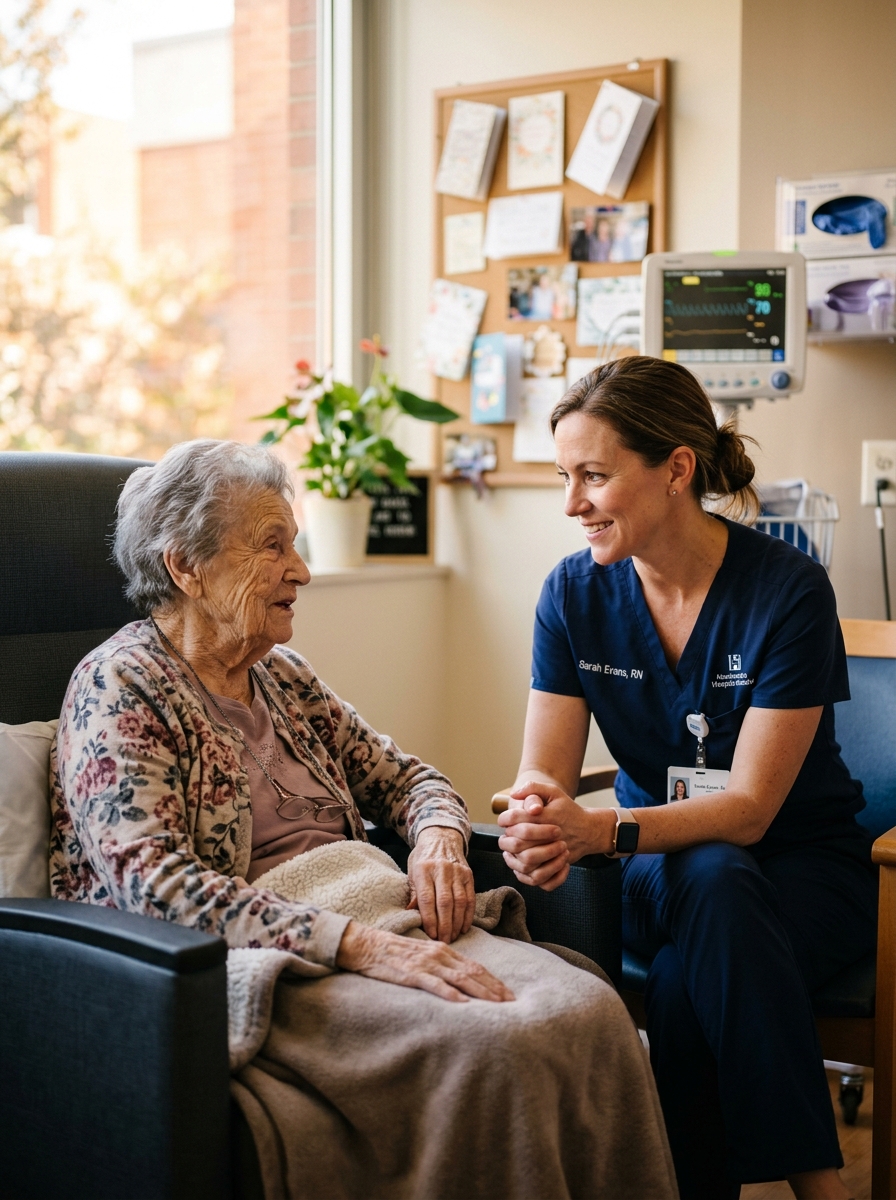
Nurse and patient
Made byBobr AI

What is Communication?

The exchange of information, thoughts, and feelings among people using speech or other means.

It is the MOST IMPORTANT component of working with patients.

Verbal

Verbal Communication

Using words, tone, pace, and language to convey messages

Non-Verbal Communication

Facial expressions, posture, gestures — communication without words

02
Made byBobr AI

Communication: A Two-Way Process

Patient icon

The Patient

Shares fears, concerns, and symptoms

ACTIVE DIALOGUE
Two-Way Exchange
Nurse icon

The Nurse

Listens actively, provides information about disease and treatment

"In the nursing profession, communication is never one-sided — it's a partnership built on trust and understanding."

03
Made byBobr AI
Nursing Fundamentals

Essential Communication Skills

Listening

Active & Ethical Listening

Listen fully and respectfully to the patient

Speech

Clear & Calm Speech

Speak slowly, clearly — not loudly (unless needed). Avoid slang.

Audience

Know Your Audience

Adapt your language to fit the patient, their family, or the doctor

Reflect

Reflect & Repeat

Repeat what the patient said to show understanding and empathy

Body Language

Use Body Language

Posture, eye contact, facial expressions matter

Honest

Be Frank & Honest

Always be truthful and transparent with your patient

Essential Communication Skills
04
Made byBobr AI

Alternative Communication Methods

People differ in their communication needs — nurses must be prepared to use a variety of methods.

Methods

Toys & pictures / visual aids
Reading & writing
Sign language
Drawing
Technology-based communication (apps, tablets, AAC devices)
Learning a foreign language

Remember: Individual Needs Vary

  • Some patients only listen; others need detailed explanation
  • Some patients are comfortable with touch; others are not
  • Cultural and linguistic backgrounds differ
  • Nurses must identify and adapt to each patient's unique needs
Adapt your approach — there is no one-size-fits-all in patient communication.
05
Made byBobr AI
Key Takeaways

Effective Communication
Saves Lives

Communication is the foundation of patient-centered care
Both verbal and non-verbal cues matter
Adapt your language and method to each patient
Active listening builds trust and improves outcomes
"A nurse who listens is a nurse who heals."
Nurse and patient

Communication with the Patient

Nursing Fundamentals

Thank You
Made byBobr AI
Bobr AI

DESIGNER-MADE
PRESENTATION,
GENERATED FROM
YOUR PROMPT

Create your own professional slide deck with real images, data charts, and unique design in under a minute.

Generate For Free

Nurse-Patient Communication: Building Trust & Skills

Master nursing fundamentals in patient communication. Learn active listening, verbal and non-verbal skills, and adaptive methods for better care.

Nursing Fundamentals

Communication<br>with the<br>Patient

Building Trust Through Effective Nurse-Patient Interaction

Prepared for Nursing Students

What is Communication?

The exchange of information, thoughts, and feelings among people using speech or other means.

It is the MOST IMPORTANT component of working with patients.

Verbal Communication

Using words, tone, pace, and language to convey messages

Non-Verbal Communication

Facial expressions, posture, gestures — communication without words

Communication: A Two-Way Process

The Patient

Shares fears, concerns, and symptoms

ACTIVE DIALOGUE

Two-Way Exchange

The Nurse

Listens actively, provides information about disease and treatment

"In the nursing profession, communication is never one-sided — it's a partnership built on trust and understanding."

03

Essential Communication Skills

Active & Ethical Listening

Listen fully and respectfully to the patient

Clear & Calm Speech

Speak slowly, clearly — not loudly (unless needed). Avoid slang.

Know Your Audience

Adapt your language to fit the patient, their family, or the doctor

Reflect & Repeat

Repeat what the patient said to show understanding and empathy

Use Body Language

Posture, eye contact, facial expressions matter

Be Frank & Honest

Always be truthful and transparent with your patient

04

Alternative Communication Methods

People differ in their communication needs — nurses must be prepared to use a variety of methods.

Methods

Toys & pictures / visual aids

Reading & writing

Sign language

Drawing

Technology-based communication (apps, tablets, AAC devices)

Learning a foreign language

Remember: Individual Needs Vary

Some patients only listen; others need detailed explanation

Some patients are comfortable with touch; others are not

Cultural and linguistic backgrounds differ

Nurses must identify and adapt to each patient's unique needs

Adapt your approach

there is no one-size-fits-all in patient communication.

05

Key Takeaways

Effective Communication<br>Saves Lives

Communication is the foundation of patient-centered care

Both verbal and non-verbal cues matter

Adapt your language and method to each patient

Active listening builds trust and improves outcomes

A nurse who listens is a nurse who heals.

Communication with the Patient

Nursing Fundamentals

Thank You

  • nursing-fundamentals
  • patient-communication
  • healthcare-skills
  • active-listening
  • nurse-education
  • patient-care