

Made byBobr AI

Iran's Role in the Israeli-Palestinian Conflict & Middle East

Explore Iran's strategic influence on the Israeli-Palestinian conflict, the Axis of Resistance, impacts on US policy, and regional stability dynamics.

#iran#geopolitics#middle-east-security#israeli-palestinian-conflict#axis-of-resistance#us-foreign-policy#abraham-accords
Watch
Pitch
Background
Geopolitical Analysis

Iran's Influence on the
Israeli-Palestinian Conflict

Strategic Cooperation, Regional Impact,
and Global Involvement

PRESENTED BY
Gili, David, Maya, and Miya
Made byBobr AI
Strategic Analysis

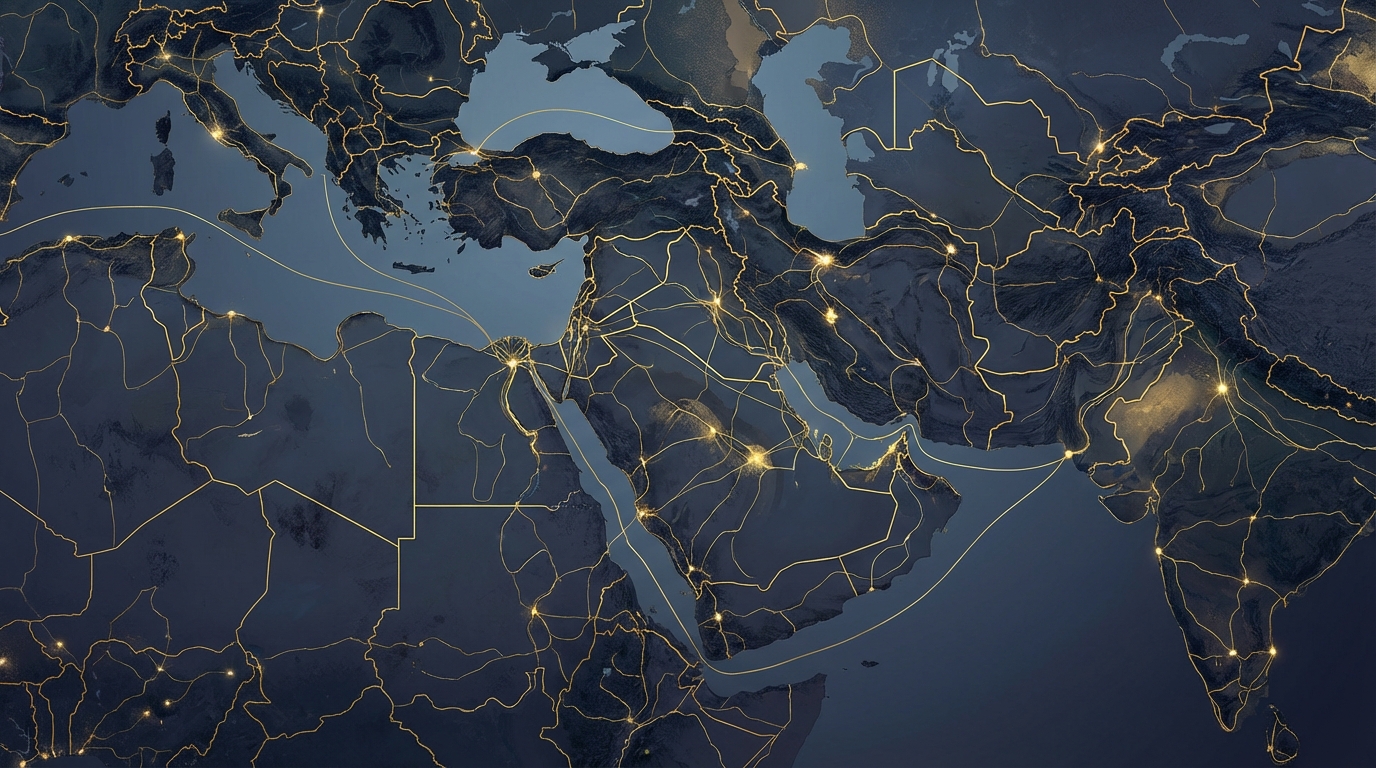
Strategic Evolution: Iran and Palestinian Armed Groups

Analyzing the evolution of cooperation leading to October 7
1

From Symbolic to Strategic

Shifted from mere symbolic support to deep technical integration and shared operational goals.

2

Capacity Building

Provided training, funding, and know-how for locally-manufactured missiles and drones.

3

Enabling October 7

Long-term planning support and capability enhancements directly enabled the breach of Israeli defenses.

Strategic Network Diagram
TACTICAL INTEGRATION
HIGH
Made byBobr AI
Background
Regional Strategy Analysis

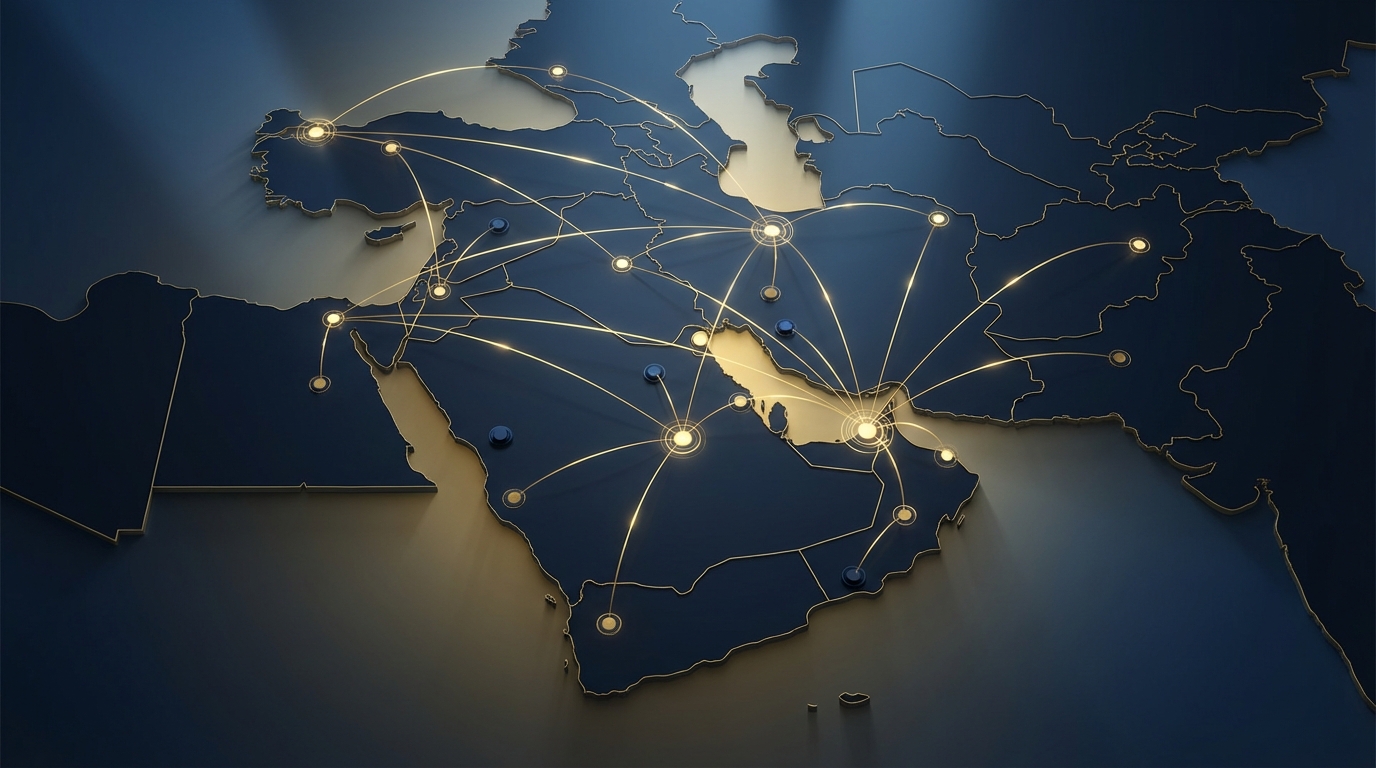
Iran's Regional Strategy:
External Actors & Peace Obstacles

Analysis of proxy influence on US engagement and diplomatic limitations.

01

Axis of Resistance

A strategic network of state and non-state actors used to project power, counter Israeli influence, and deter direct aggression.

02

US Re-engagement

Increased proxy activity forces the US into reactive military posture, diverting resources and complicating withdrawal plans.

03

Barriers to Peace

Militarization of conflicts and ideological rigidity entrench positions, making diplomatic compromise mutually unacceptable.

Regional strategy relies less on direct confrontation and more on maintaining a state of manageable instability that complicates external diplomatic efforts.

Made byBobr AI
US Navy Vessel
Policy Analysis

Maya: The Iranian Threat & U.S. Policy

Research Question

How has the Iranian threat influenced the involvement of the United States in the Israeli–Palestinian conflict?

Direct threat to American security

Iran’s ambitions to become a regional leader, together with its alliances with Russia and China, are seen by the U.S. as a direct challenge to American influence. This perception has led the United States to view the Israeli–Palestinian conflict not only as a local dispute but as part of a broader geopolitical struggle against Iran.

Sanctions & Diplomacy

 the Iranian threat has significantly increased and shaped U.S. involvement in the Israeli–Palestinian conflict by reinforcing Washington’s commitment to Israel as its key strategic ally in the Middle East.

Made byBobr AI
Geopolitical Background
Geopolitical Strategy

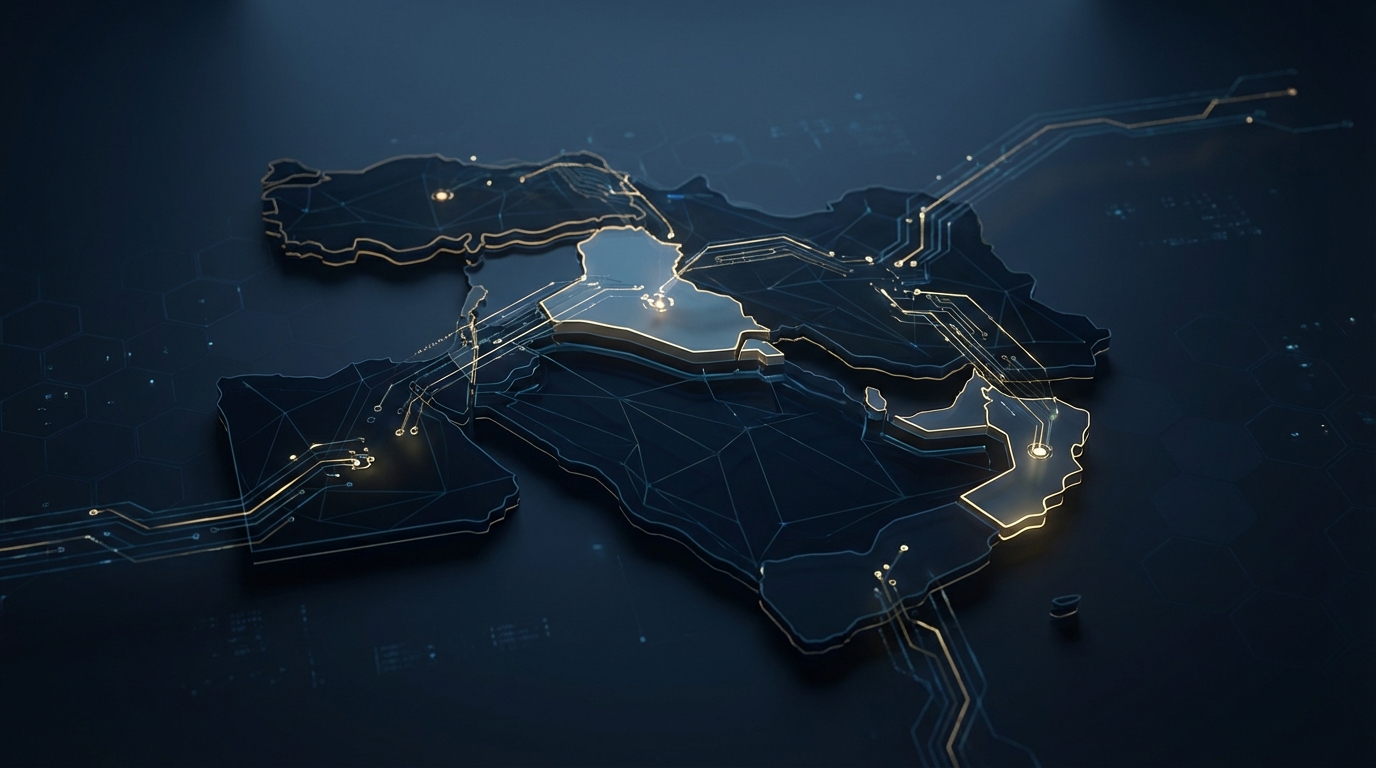
Miya: Iran's Influence on
Regional Peace and Stability

01

Disrupting The Abraham Accords

Iran actively undermines Arab-Israeli normalization efforts, viewing these diplomatic breakthroughs as a strategic encirclement and a threat to its regional hegemony.

02

The Axis of Resistance

Through proxies like Hezbollah, Hamas, and the Houthis, Tehran projects power and erodes local stability without engaging in direct state-on-state conflict.

03

Limiting Western Influence

Strategic chaos is utilized to create power vacuums, effectively raising the cost of Western intervention and challenging the existing US-led security architecture.

Key Insight:
"Iran's strategy is not merely defensive but transformative—aiming to reshape the Middle East's security order by leveraging managed instability."
Made byBobr AI

Synthesis of Iranian Influence

KEY TAKEAWAYS & CONCLUSIONS

Gili: Military Evolution

Tracing the transformation of Iranian support from financial aid to advanced military cooperation with Palestinian armed groups.

David: Regional Strategy

Analyzing how Iran's regional hegemony strategy creates structural constraints for international peace initiatives.

Maya: U.S. Involvement

Addressing how the Iranian threat reshapes U.S. policy and intervention in the Israeli-Palestinian conflict.

Miya: Regional Stability

Examining the deliberate disruption of regional normalization and the undermining of stability via proxy networks.

Made byBobr AI
Bobr AI

DESIGNER-MADE
PRESENTATION,
GENERATED FROM
YOUR PROMPT

Create your own professional slide deck with real images, data charts, and unique design in under a minute.

Generate For Free

Iran's Role in the Israeli-Palestinian Conflict & Middle East

Explore Iran's strategic influence on the Israeli-Palestinian conflict, the Axis of Resistance, impacts on US policy, and regional stability dynamics.

Iran's Influence on the<br>Israeli-Palestinian Conflict

Strategic Cooperation, Regional Impact,<br>and Global Involvement

Gili, David, Maya, and Miya

Strategic Evolution: Iran and Palestinian Armed Groups

Analyzing the evolution of cooperation leading to October 7

From Symbolic to Strategic

Shifted from mere symbolic support to deep technical integration and shared operational goals.

Capacity Building

Provided training, funding, and know-how for locally-manufactured missiles and drones.

Enabling October 7

Long-term planning support and capability enhancements directly enabled the breach of Israeli defenses.

Iran's Regional Strategy:<br>External Actors & Peace Obstacles

Analysis of proxy influence on US engagement and diplomatic limitations.

Axis of Resistance

A strategic network of state and non-state actors used to project power, counter Israeli influence, and deter direct aggression.

US Re-engagement

Increased proxy activity forces the US into reactive military posture, diverting resources and complicating withdrawal plans.

Barriers to Peace

Militarization of conflicts and ideological rigidity entrench positions, making diplomatic compromise mutually unacceptable.

Maya: The Iranian Threat & U.S. Policy

Research Question

How has the Iranian threat influenced the involvement of the United States in the Israeli–Palestinian conflict?

Direct threat to American security

Iran’s ambitions to become a regional leader, together with its alliances with Russia and China, are seen by the U.S. as a direct challenge to American influence. This perception has led the United States to view the Israeli–Palestinian conflict not only as a local dispute but as part of a broader geopolitical struggle against Iran.

Sanctions & Diplomacy

 the Iranian threat has significantly increased and shaped U.S. involvement in the Israeli–Palestinian conflict by reinforcing Washington’s commitment to Israel as its key strategic ally in the Middle East.

Miya: Iran's Influence on <br>Regional Peace and Stability

Disrupting The Abraham Accords

Iran actively undermines Arab-Israeli normalization efforts, viewing these diplomatic breakthroughs as a strategic encirclement and a threat to its regional hegemony.

The Axis of Resistance

Through proxies like Hezbollah, Hamas, and the Houthis, Tehran projects power and erodes local stability without engaging in direct state-on-state conflict.

Limiting Western Influence

Strategic chaos is utilized to create power vacuums, effectively raising the cost of Western intervention and challenging the existing US-led security architecture.

Iran's strategy is not merely defensive but transformative—aiming to reshape the Middle East's security order by leveraging managed instability.

Synthesis of Iranian Influence

Tracing the transformation of Iranian support from financial aid to advanced military cooperation with Palestinian armed groups.

Analyzing how Iran's regional hegemony strategy creates structural constraints for international peace initiatives.

Addressing how the Iranian threat reshapes U.S. policy and intervention in the Israeli-Palestinian conflict.

Examining the deliberate disruption of regional normalization and the undermining of stability via proxy networks.

  • iran
  • geopolitics
  • middle-east-security
  • israeli-palestinian-conflict
  • axis-of-resistance
  • us-foreign-policy
  • abraham-accords