

Ocean Acidification: Chemistry and Coral Reef Loss
Learn how CO2 and carbonic acid dissolve calcium carbonate (CaCO3) skeletons, leading to coral bleaching and the decline of marine ecosystems.
<br/>
<br/>
<br/>
<br/>
<br/>
<br/>
<br/>
<br/>
<br/>
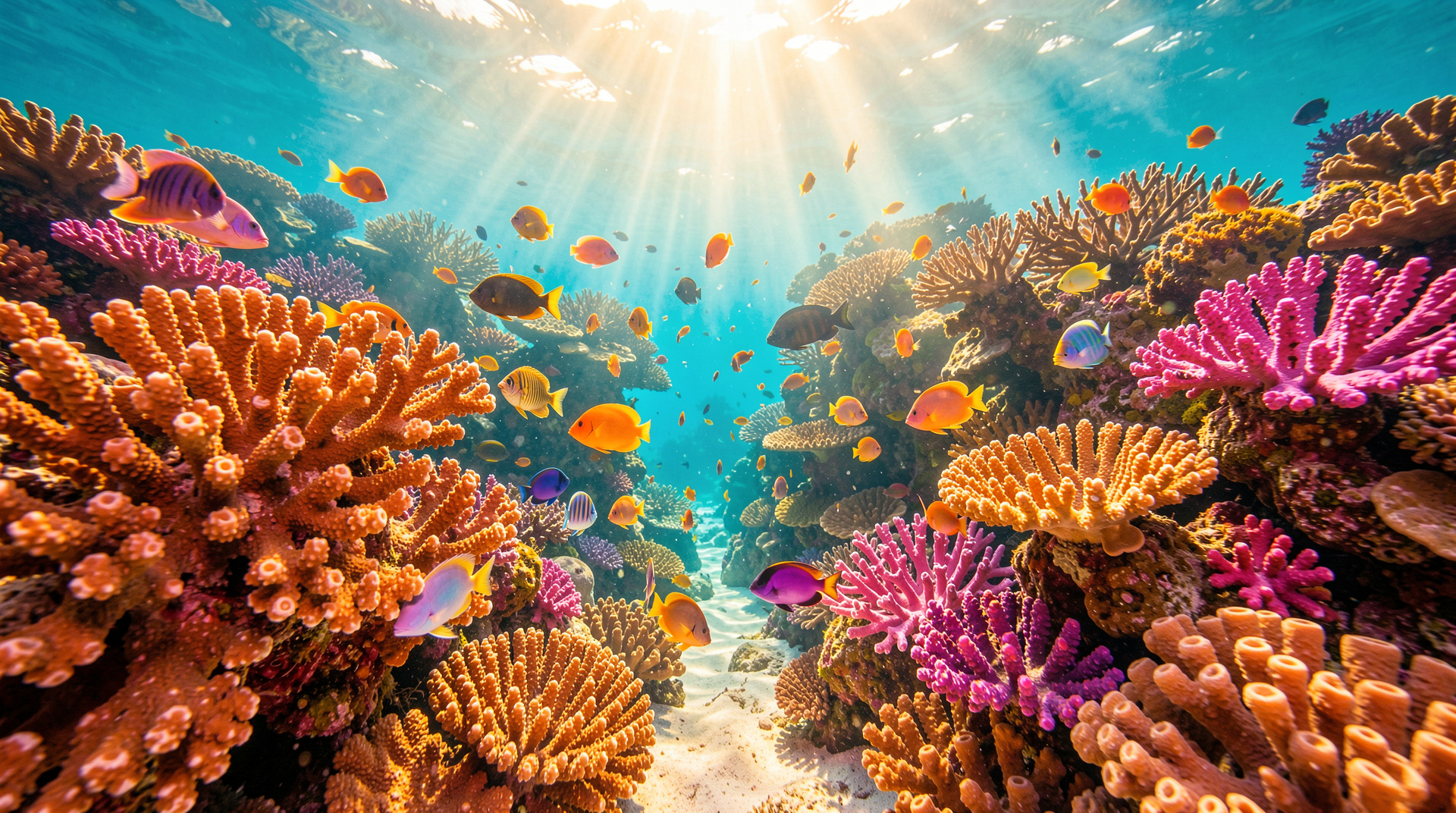
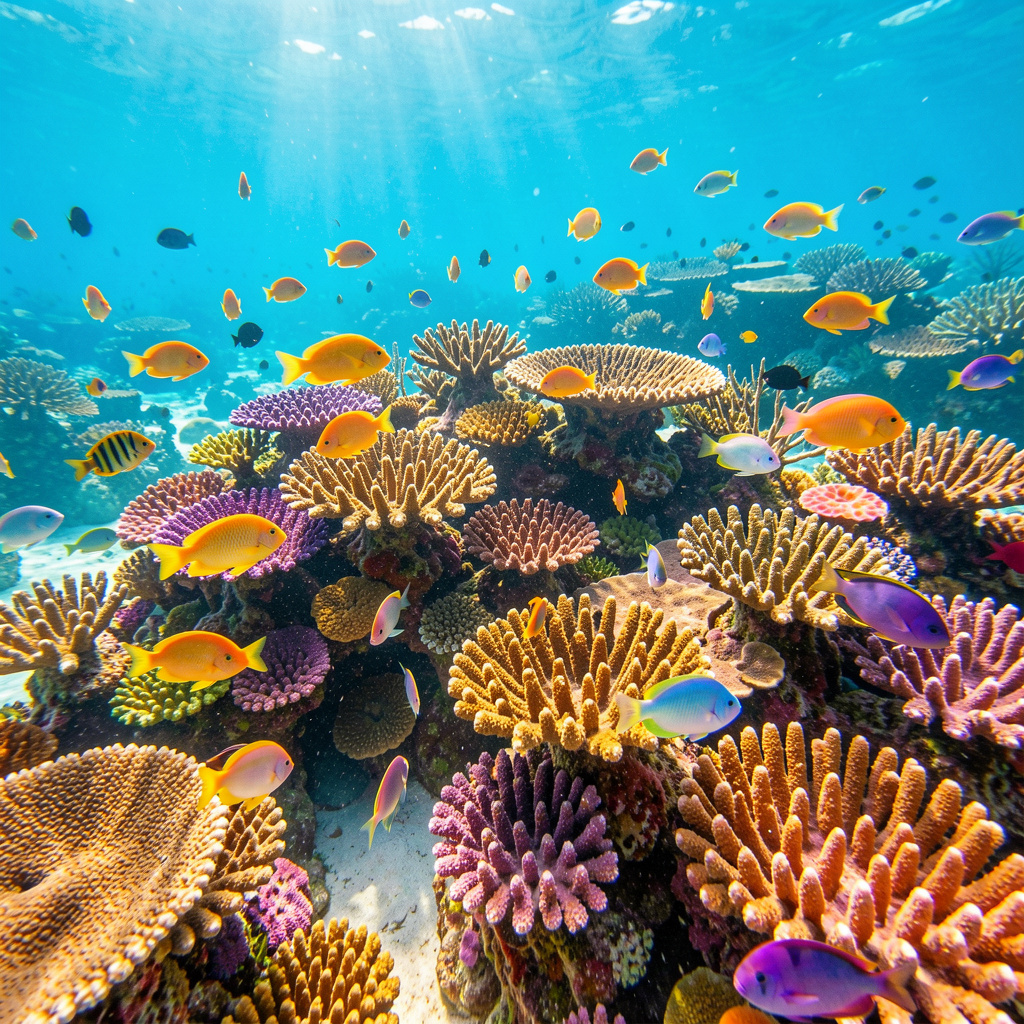
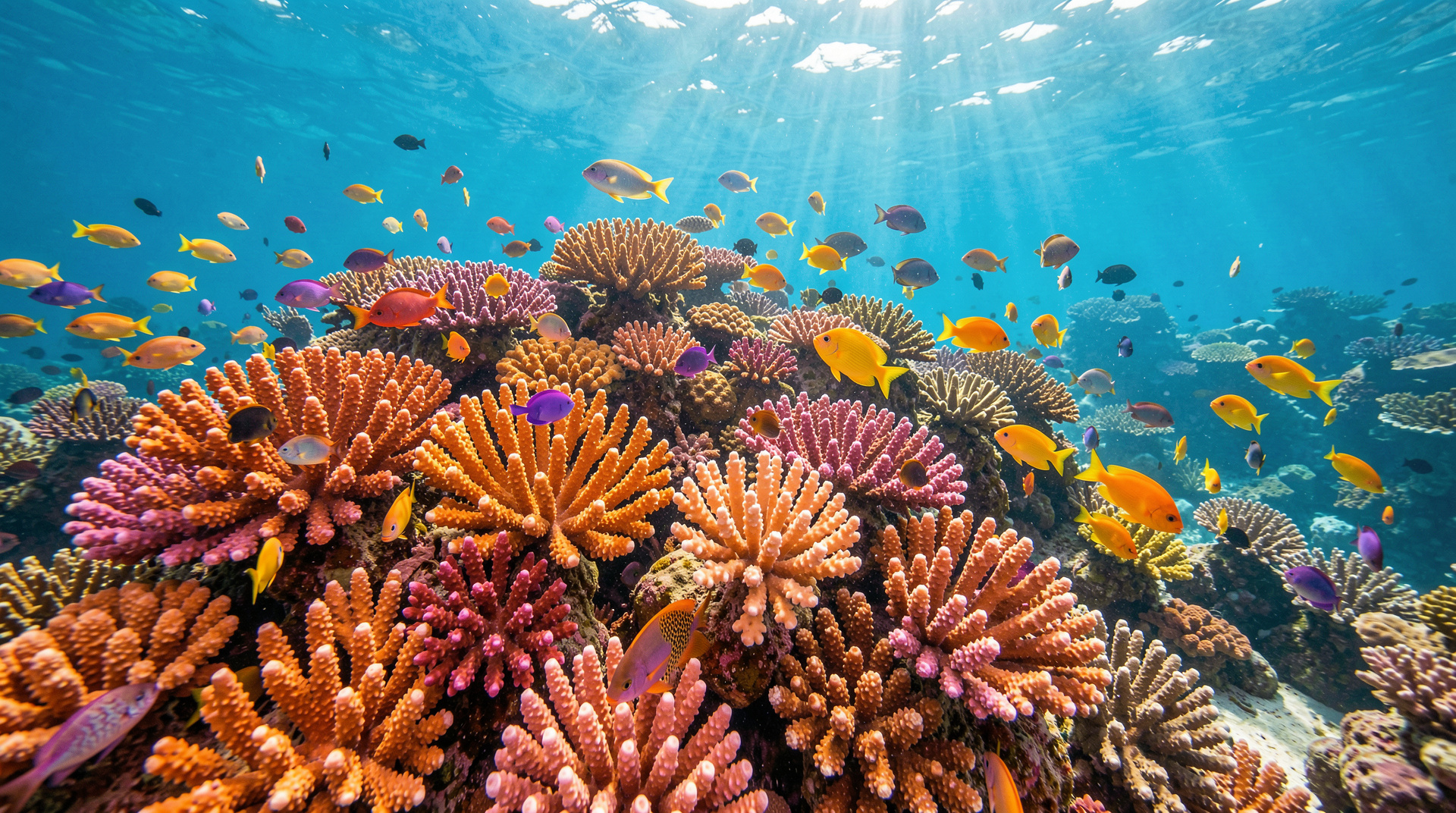
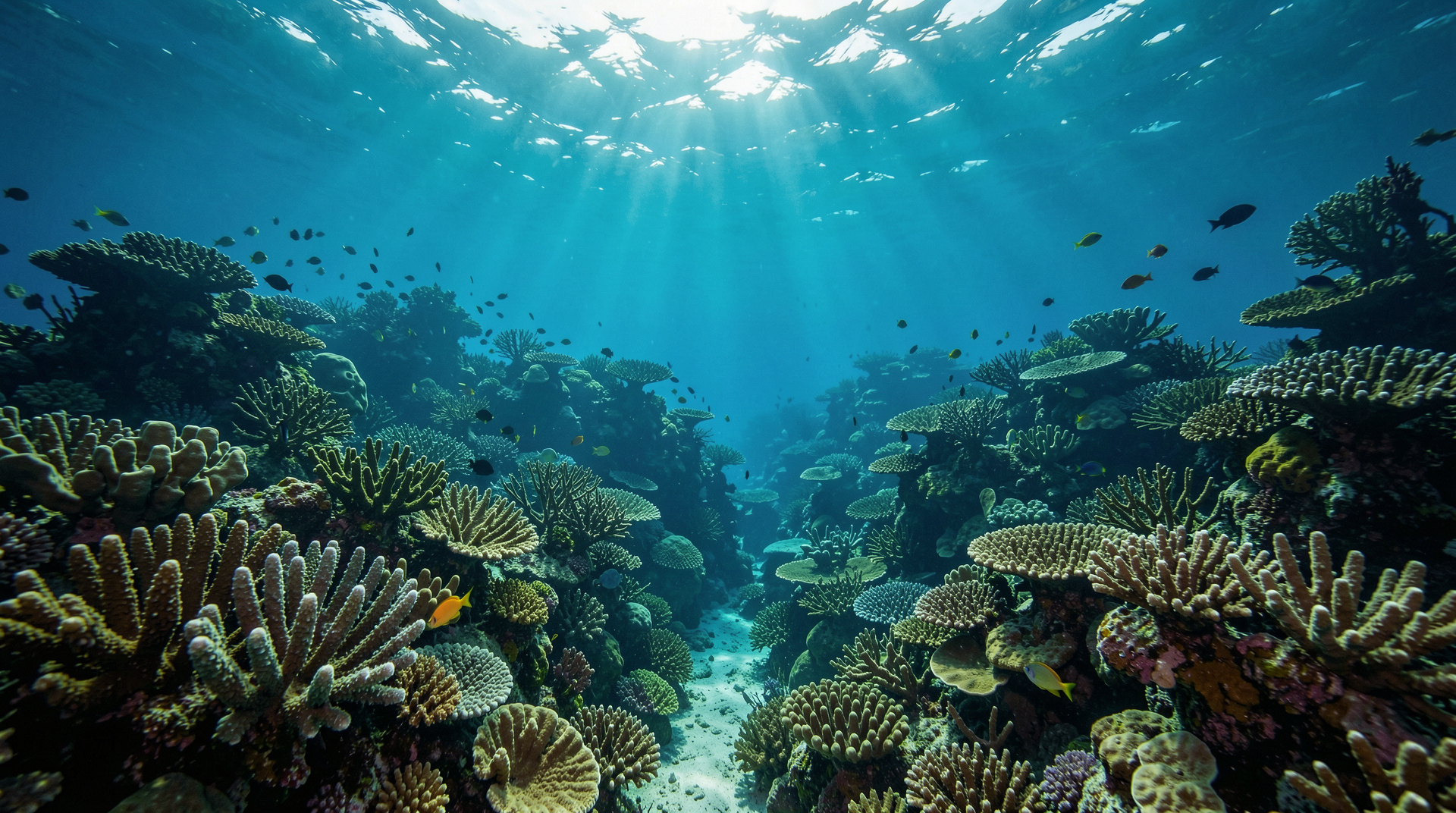
HEALTHY REEF
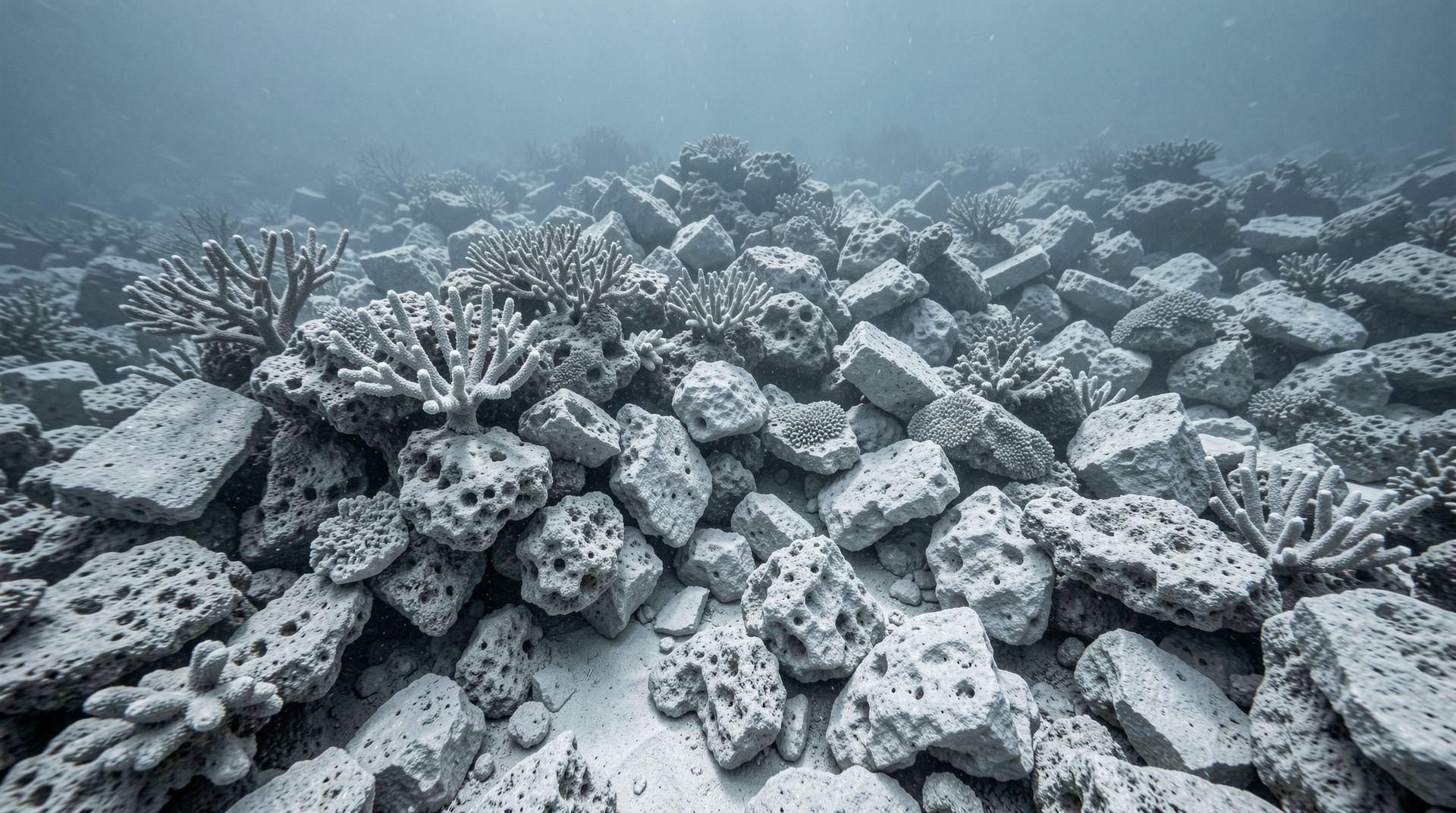
BLEACHED REEF
The incident
Grey and crumbling — almost like concrete
No color, no life
Looked like a graveyard underwater
Why does it look like this?
THE BRIDGE
Coral isn't just a rock
Coral is actually a living animal. It builds a skeleton from calcium carbonate (CaCO₃) — the same compound in seashells and limestone. When coral dies it loses all color, hardens, and turns grey. That's exactly what I cut my foot on. But why is it dying?
Living organism — not a plant or rock
Skeleton made of calcium carbonate (CaCO₃)
Dies → loses color → hardens → turns grey
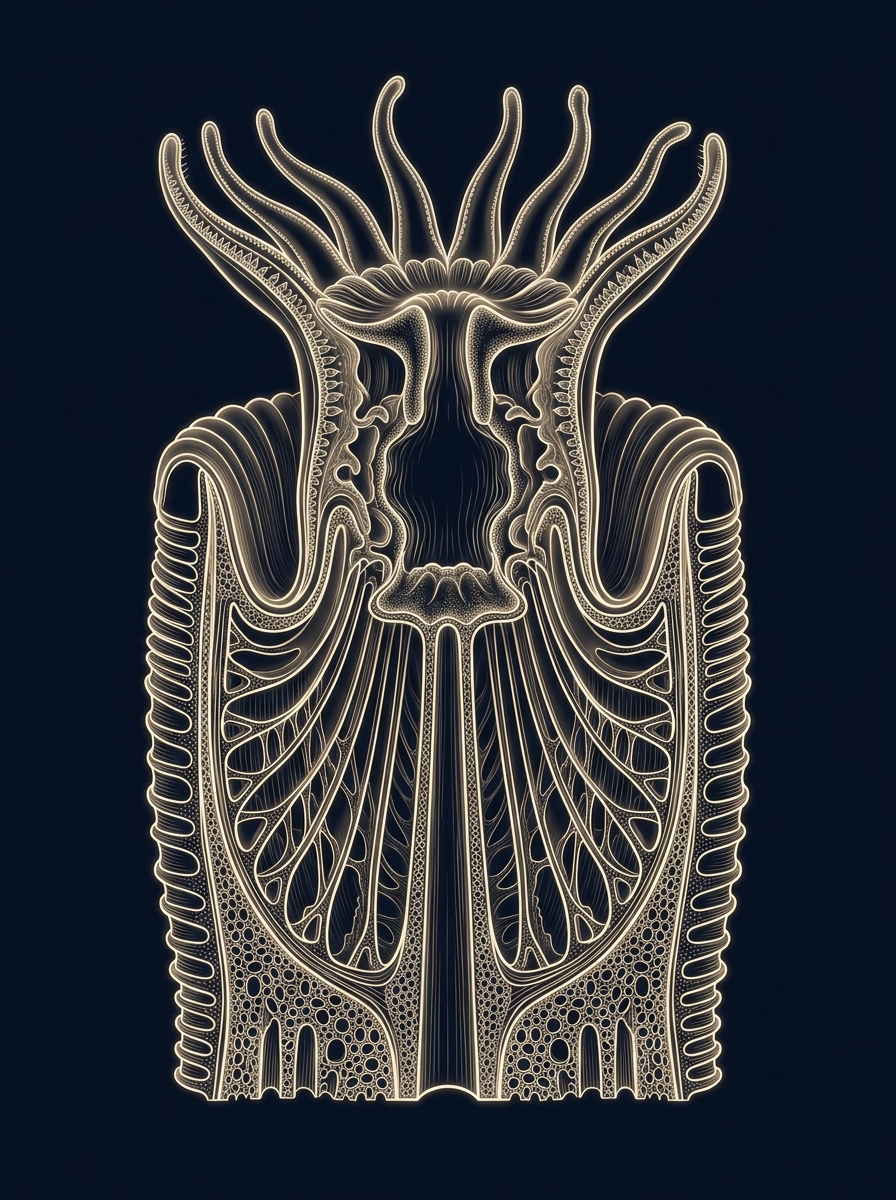
Soft tissue (polyp)
CaCO₃ skeleton
THE CHEMISTRY
Ocean acidification
CO₂ + H₂O
H₂CO₃
lowers pH
dissolves CaCO₃
coral breaks down
→
CO₂ from our atmosphere dissolves into the ocean, forming carbonic acid (H₂CO₃). That acid lowers the ocean's pH.
That acid dissolves calcium carbonate — the exact material coral is built from. The reef isn't just dying, it's being eaten away by acid from our own atmosphere.
The Family Chemistry Project
This isn't just a Hawaii problem
50%
of the world's coral reefs have died since the 1950s
30%
more acidic — ocean pH dropped from 8.2 to 8.1
25%
of all marine life depends on coral reefs
I didn't think about any of this when I was in Hawaii. I just thought I cut my foot on a rock. But that grey crumbling reef was a chemical warning sign — and now I can actually read it.
- ocean-acidification
- coral-bleaching
- marine-biology
- environmental-science
- chemistry
- climate-change