



6 Key Causes of the American Civil War | History Lesson
Explore the primary causes of the American Civil War, including sectionalism, the Missouri Compromise, abolitionism, and the election of Abraham Lincoln.
The Causes of the Civil War
What tore the United States apart?
UNIT: MANIFEST DESTINY TO TODAY
May 13, 1861 — One month after the Civil War began
6 Key Causes to Discover
Key Vocabulary
Words You Need to Know
🏛️
SECTIONALISM
When people care more about their own region than the whole country
⚔️
CIVIL WAR
A war between people of the same country (1861–1865)
🗺️
CONFEDERACY
The group of Southern states that broke away from the United States
🇺🇸
UNION
The Northern states that stayed loyal to the United States government
✊
ABOLITIONIST
A person who wanted to END slavery
🚂
UNDERGROUND RAILROAD
A secret network of safe houses helping enslaved people escape to freedom
🚪
SECEDE
To officially leave or break away from a group or country
💬 Discuss: Which word do you think is MOST important? Why?
🔍 Look Closely!
What do YOU see in this photograph?
Your Turn! 🤔
What are 5 details you notice in this photo?
Where do you think this was taken?
Which side do you think these troops are on?
How do you think the US got to this point?
📅 This photo was taken exactly ONE MONTH after the Civil War began — April 12, 1861
In this lesson, you'll piece together the puzzle of WHY this happened! 🧩
A Divided Nation: North vs. South
🧩 CAUSE #2
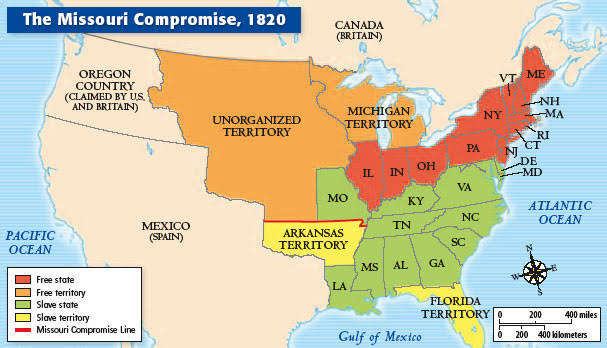
The Missouri Compromise, 1820
What Happened? 📜
1. 🌾 Slaveholders were settling NEW western lands
2. ⚖️ Congress drew an invisible LINE — slavery allowed SOUTH of it
3. 🏛️ Missouri entered as a SLAVE state
4. 🌲 Maine entered as a FREE state
The BIG Problem:
This 'compromise' just delayed the argument — it didn't solve it!
💭 THINK:
Was drawing a line a good way to solve the slavery debate? What might go wrong?
CAUSE 2 OF 6
Abolitionists & the Underground Railroad
Harriet Tubman
Escaped slavery & led others to freedom
Frederick Douglass
Gave powerful speeches against slavery
The Underground Railroad
A secret network of safe houses
Abolitionists fought slavery by: writing newspapers (The Liberator), giving speeches, helping people escape
White Southerners were FURIOUS — they saw abolitionists as enemies of their way of life
What were the DIFFERENT ways abolitionists fought slavery? Which do you think was bravest?
The Compromise of 1850
Henry Clay addresses Congress
Who Got What? ⚖️
CAUSE 4 OF 6
BLEEDING KANSAS 🔥
The Kansas-Nebraska Act, 1854
Violence erupted between pro- and anti-slavery settlers
💭 THINK: How did Bleeding Kansas warn the country about what was coming next?
🧩 CAUSE #6 — THE FINAL PIECE!
Lincoln's Election & the South Secedes
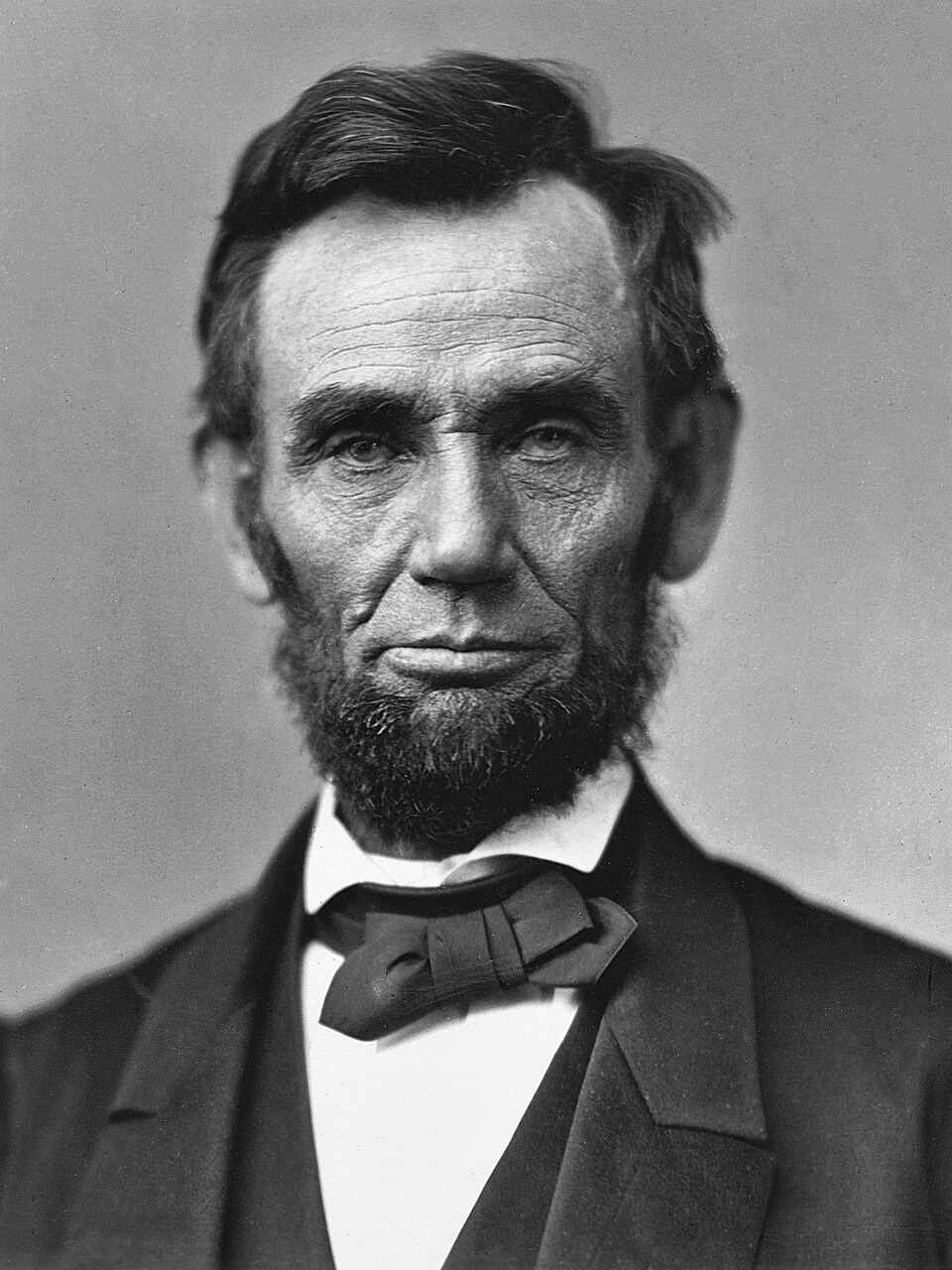
Abraham Lincoln — Elected President, Nov. 1860
<b style="color: #2C3E50;">Lincoln elected president</b> — opposed the <span style="color:#A22C27;font-weight:900;">SPREAD</span> of slavery
<b style="color: #2C3E50;">Southern states FURIOUS</b> — feared slavery would be abolished
<b style="color:#A22C27;">South Carolina SECEDES</b> — leaves the United States
<b style="color: #2C3E50;">10 more Southern states FOLLOW</b> — they form the <b style="color:#A22C27;">CONFEDERACY</b>
💥 April 12, 1861 — Confederate forces attack <b style="color: #2C3E50;">Fort Sumter</b>
THE CIVIL WAR BEGINS
THINK: Why did Lincoln's election cause the South to secede? Do you think war could have been avoided?
CAUSE 6 of 6 🧩🧩🧩🧩🧩🧩 — PUZZLE COMPLETE!
🌟 Show What You Know!
What factors drove the North and South apart?
The Civil War
1861
North vs. South
Two very different economies & ways of life
Missouri Compromise
A 'line' that divided free & slave states
Abolitionists & Underground Railroad
Growing resistance to slavery
Compromise of 1850
Neither side was truly satisfied
Bleeding Kansas
Violence showed compromise was failing
Lincoln's Election
The final breaking point
Essential Question: What factors helped drive apart the North and the South in the mid-1800s?
Choose 4 of the 6 causes above. Write one sentence for each explaining HOW it pushed the US toward Civil War.
- civil-war
- american-history
- abolitionists
- abraham-lincoln
- missouri-compromise
- sectionalism
- underground-railroad
- history-lesson