
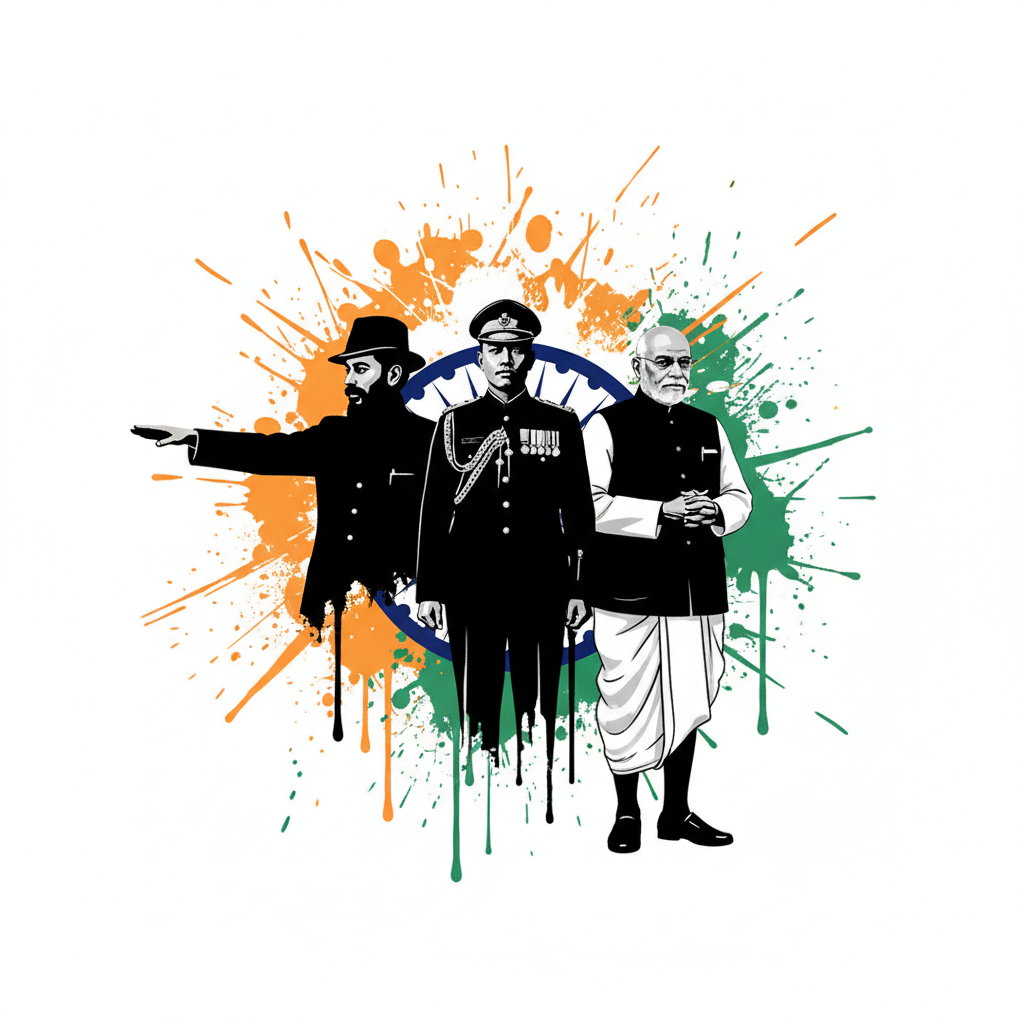
Indian Independence: Gandhi, Ambedkar & Freedom Fighters
Explore the legacies of Mahatma Gandhi and B.R. Ambedkar. Learn about Satyagraha, the Indian Constitution, and the struggle against the British Raj.
Architects of Freedom
Mahatma Gandhi, B.R. Ambedkar, and the Struggle for Indian Independence
Context: The British Raj
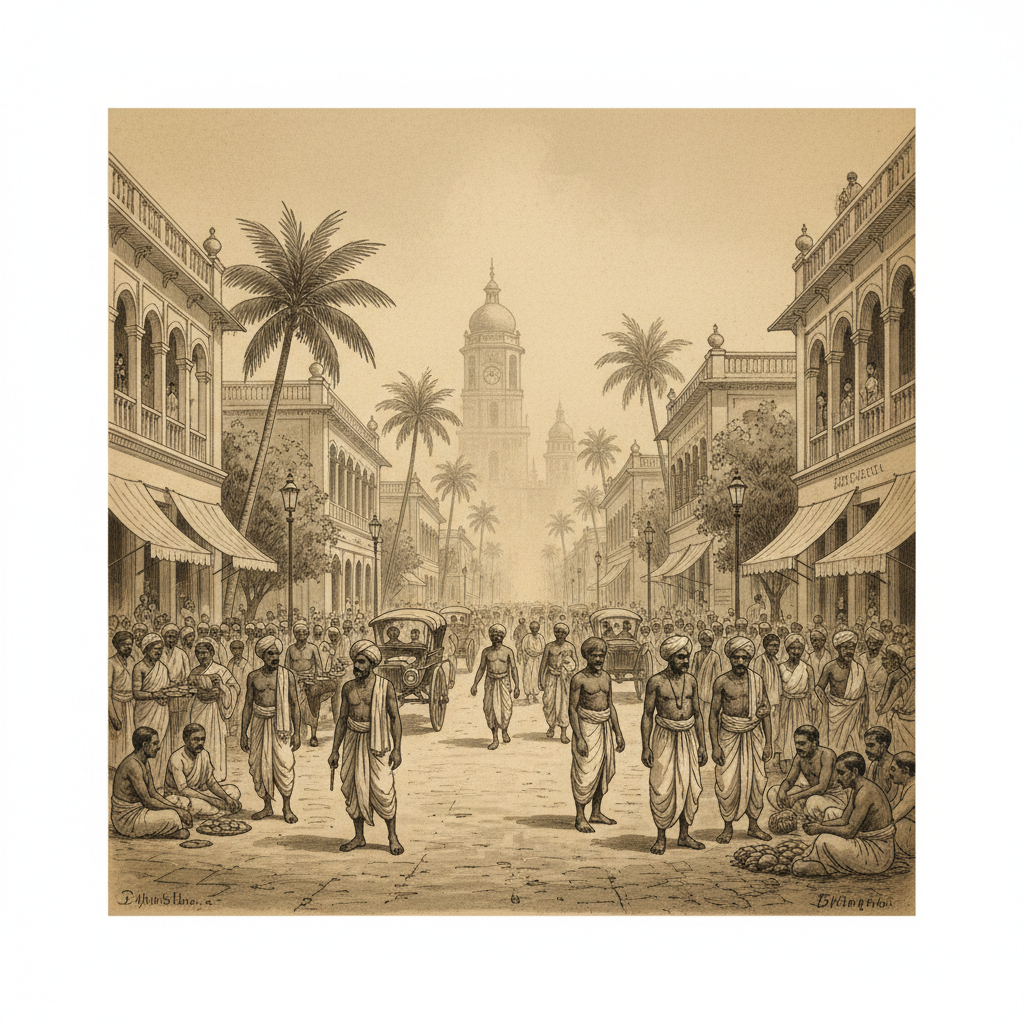
For nearly two centuries, the British Empire exerted colonial rule over the Indian subcontinent, extracting economic resources and imposing administrative control. By the early 20th century, a diverse range of freedom fighters emerged. These individuals were not just soldiers, but lawyers, thinkers, and reformers who challenged the moral and legal foundations of colonial rule.
Mahatma Gandhi: The Path of Ahimsa
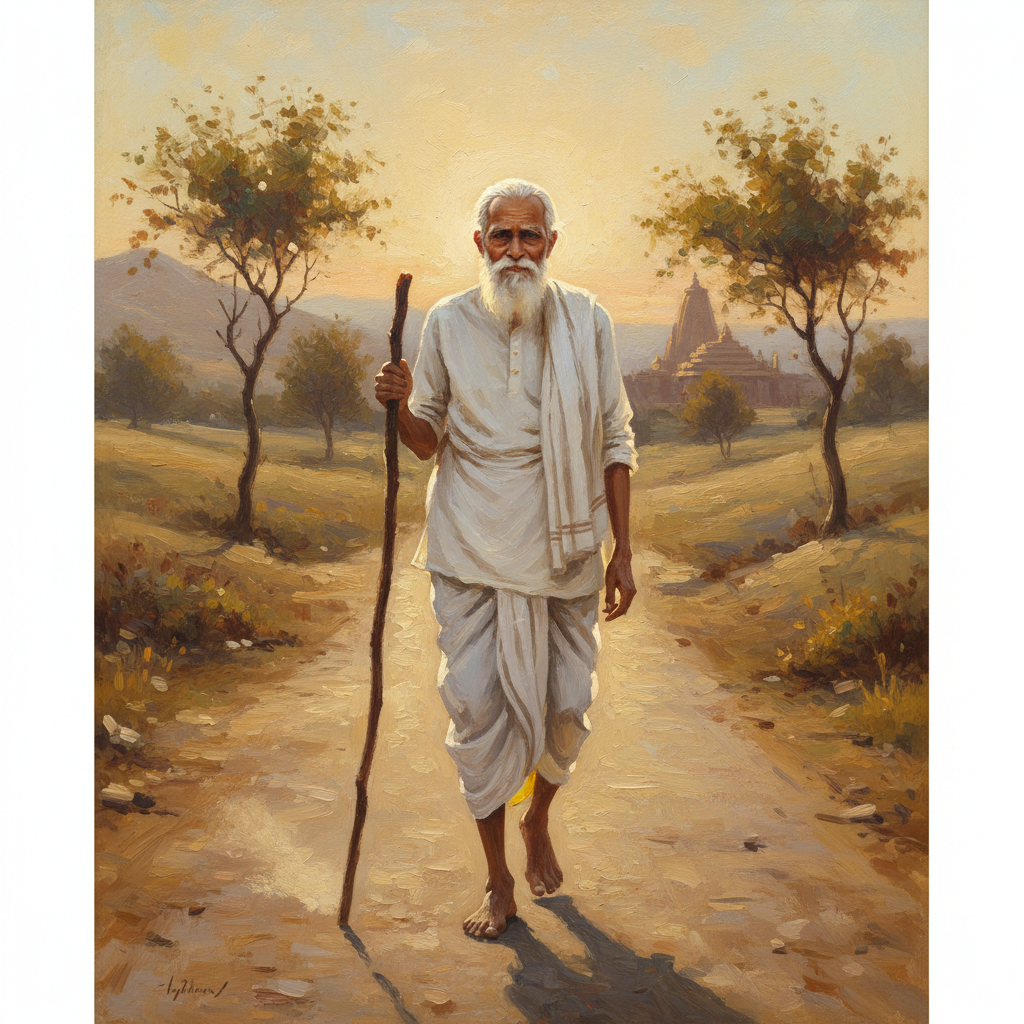
Born in 1869, Mohandas Karamchand Gandhi began his activism in South Africa before returning to India. He introduced 'Satyagraha'—truth force or soul force. Unlike violent revolutionaries, Gandhi believed that non-violent civil disobedience could dismantle an empire by appealing to the moral conscience of the oppressor while mobilizing the masses.
Gandhi's Key Movements
Non-Cooperation Movement (1920): Urged Indians to boycott British titles, goods, and institutions.
Salt March (1930): A 240-mile march to the sea to protest the salt tax, symbolizing resistance to monopoly.
Quit India Movement (1942): A definitive call for the immediate end of British rule during WWII.
Dr. B.R. Ambedkar: The Scholar Revolutionary
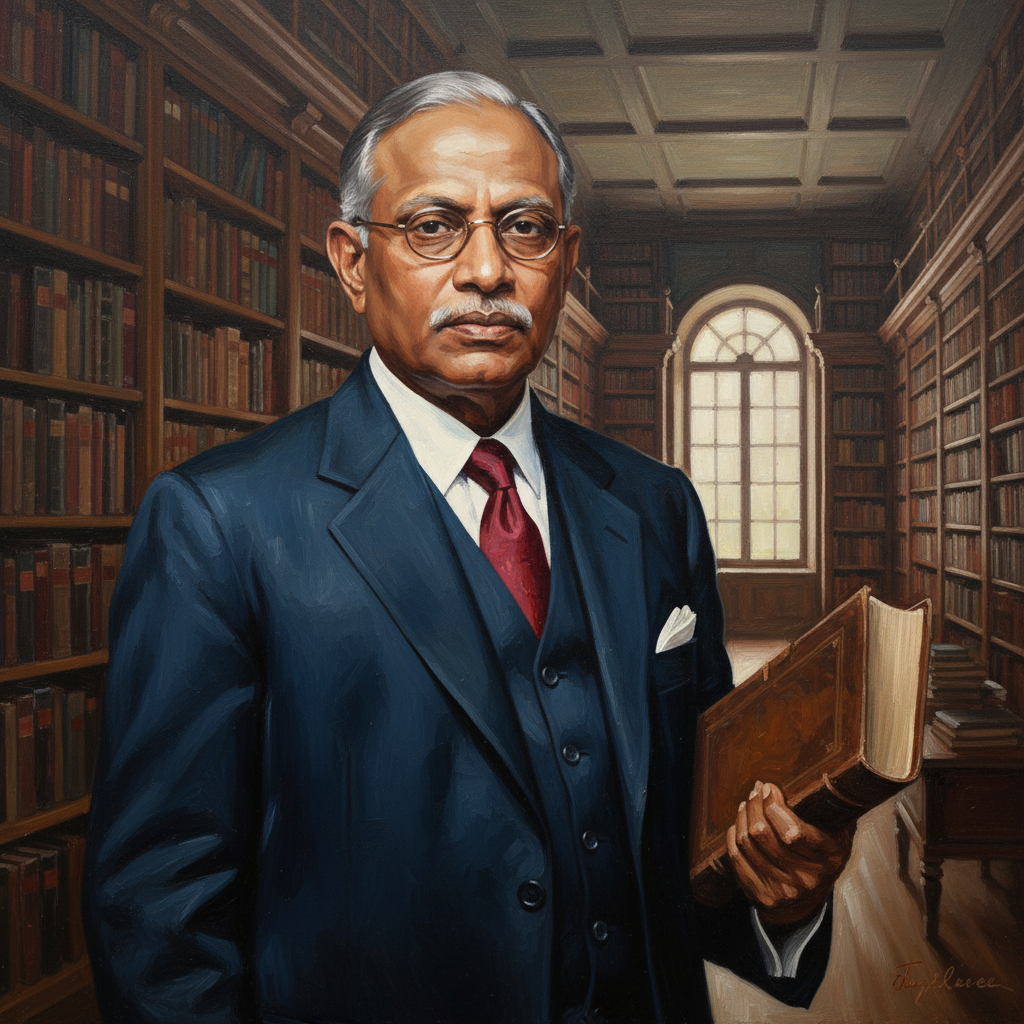
Bhimrao Ramji Ambedkar, born in 1891, overcame the severe discrimination of 'untouchability' to become one of the most highly educated Indians of his time, with degrees from Columbia University and LSE. For Ambedkar, freedom was meaningless without social equality. He argued that political independence must be accompanied by the annihilation of the caste system.
Architect of the Constitution
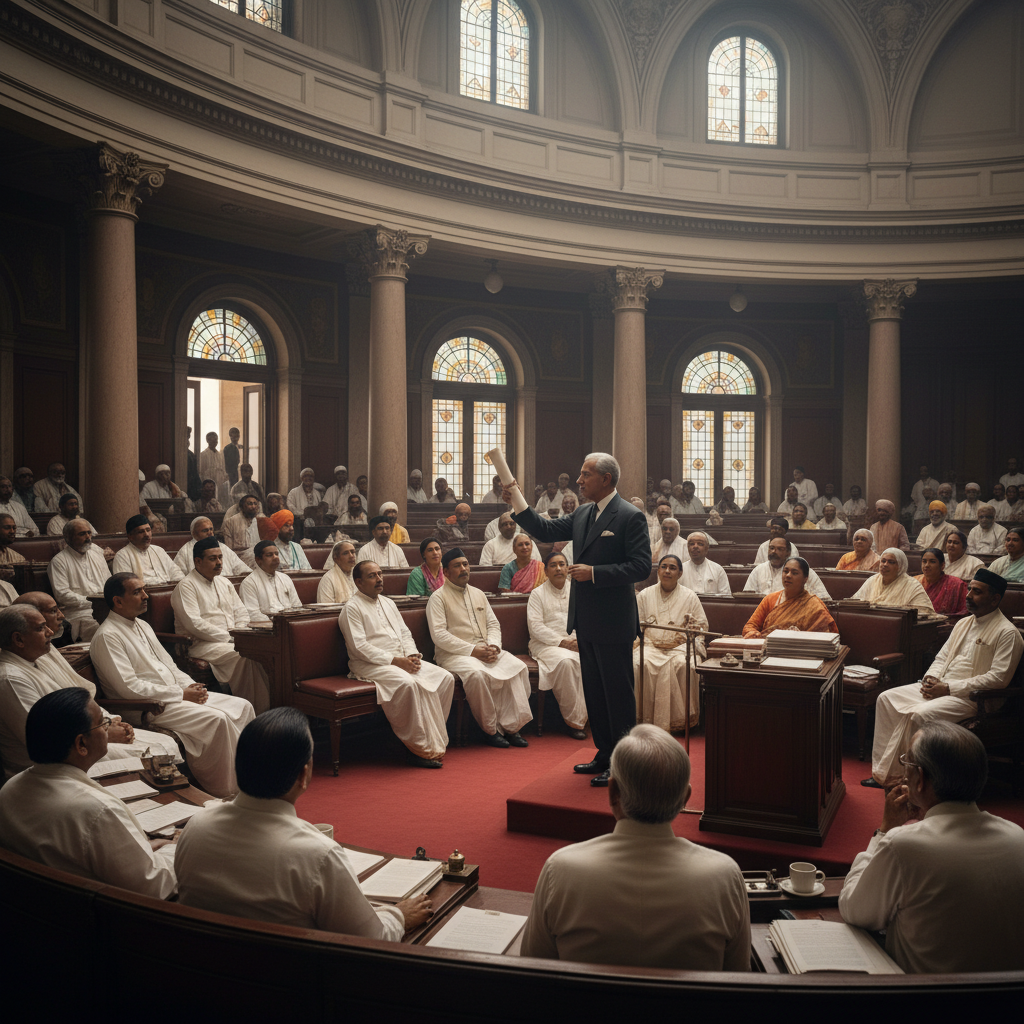
Ambedkar's greatest contribution was chairing the Drafting Committee of the Constitution. He ensured that the new nation would be a democratic republic with strong protections for individual rights. He introduced reservation systems to uplift marginalized communities and fought for women's rights through the Hindu Code Bill.
Comparative Analysis: Methods
Gandhi (Mass Mobilization): Relied on spiritual purification, rural village economics, and mass civil disobedience to pressure the British morally and economically.
Ambedkar (Legal & Intellectual): utilized legal frameworks, political petitions, and constitutional safeguards. He focused on securing rights within the system before and after independence.
Intersection: Both agreed on the necessity of removing 'Untouchability', though they disagreed sharply on the methods (religious reform vs. political rights).
Timeline of Major Gandhian Movements
Gandhi led several major nationwide campaigns. This chart illustrates the active duration of his three most pivotal movements, which mobilized millions and strained British administrative resources.
A United Front: Other Key Figures
While Gandhi and Ambedkar built the moral and legal framework, others played crucial roles. Bhagat Singh and Subhas Chandra Bose offered radical, revolutionary alternatives, while leaders like Sardar Patel worked on political integration. The freedom struggle was a tapestry of diverse ideologies united by a single goal: Liberty.
Conclusion & Legacy
Unlike a drop of water which loses its identity when it joins the ocean, man does not lose his being in the society in which he lives. Man's life is independent. He is born not for the development of the society alone, but for the development of his self.
- Dr. B.R. Ambedkar
- indian-history
- mahatma-gandhi
- b-r-ambedkar
- independence-struggle
- british-raj
- constitution-of-india
- satyagraha
- freedom-fighters