


Made byBobr AI

Mastering Just-In-Time (JIT) Systems in Manufacturing

Learn how Just-In-Time (JIT) systems improve lean manufacturing efficiency through Kanban, small lot production, and lead time reduction.

#just-in-time#jit#lean-manufacturing#kanban#supply-chain#inventory-management#operations-management
Watch
Pitch
Abstract modern manufacturing background, clean lines, industrial blue and white tones, depth of field, high quality, minimal

Just-In-Time (JIT) Systems

Strategies for Lean Manufacturing Efficiency

Made byBobr AI

What is JIT?

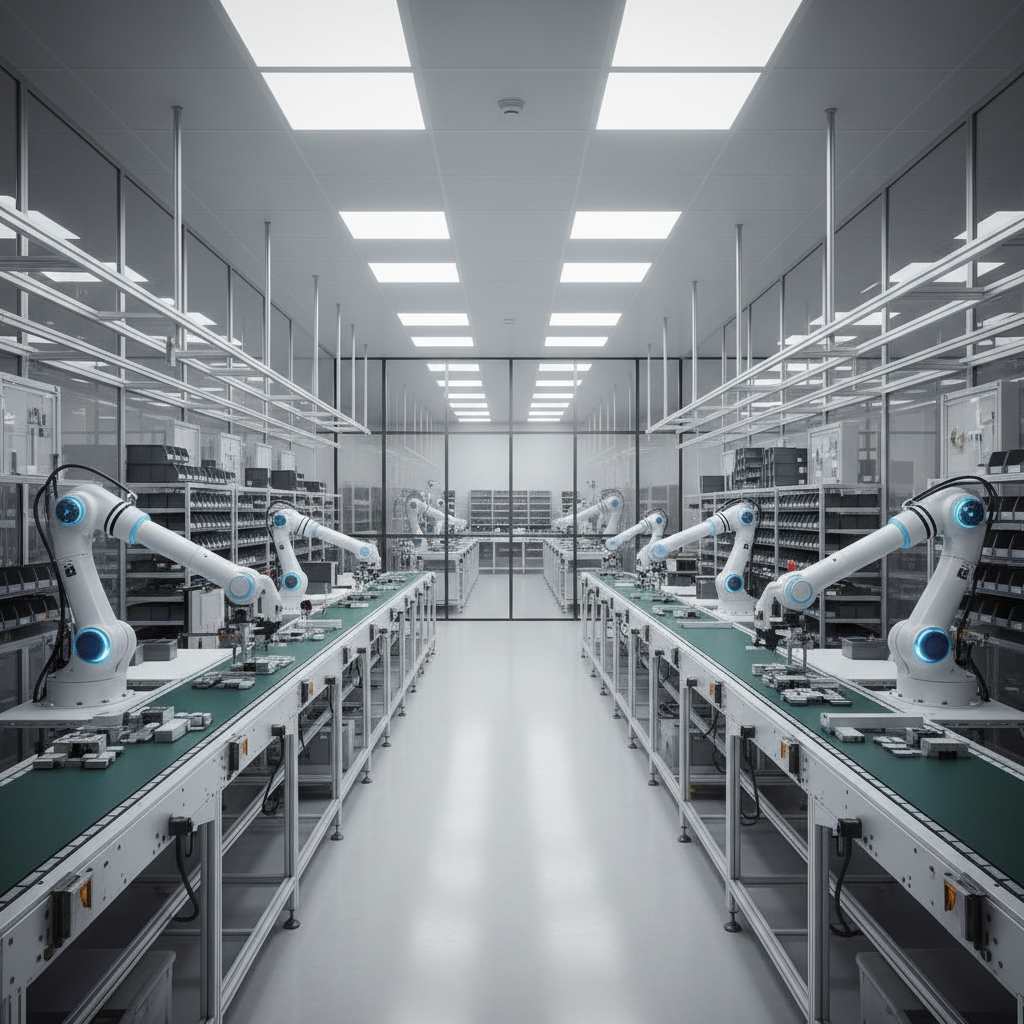
Just-In-Time (JIT) is a production philosophy that aims to produce the right quantity, at the right time, with minimum waste. It shifts the focus from traditional stockpiling to a streamlined flow of materials driven by actual demand.

A modern, clean factory floor with automated assembly lines, bright lighting, organized workspace, ultra realistic
Made byBobr AI

Core Benefits: Inventory & Quality

  • Reduction in Inventory: Minimal raw material, work-in-progress (WIP), and finished goods lead to lower carrying costs.
  • Improved Quality: Immediate detection of defects prevents large batches of faulty products.
  • Zero Defects Focus: Smaller lot sizes reduce defect impact, enforcing a culture of precision.
Made byBobr AI

Core Benefits: Speed & Efficiency

  • Reduced Lead Time: Faster material flow and shorter production cycles allow quicker customer response.
  • Lower Manufacturing Cost: Significant reduction in waste, rework, and scrap.
  • Increased Productivity: Elimination of non-value-added activities coordinates processes better.
Made byBobr AI

Major Tools: Kanban & Small Lots

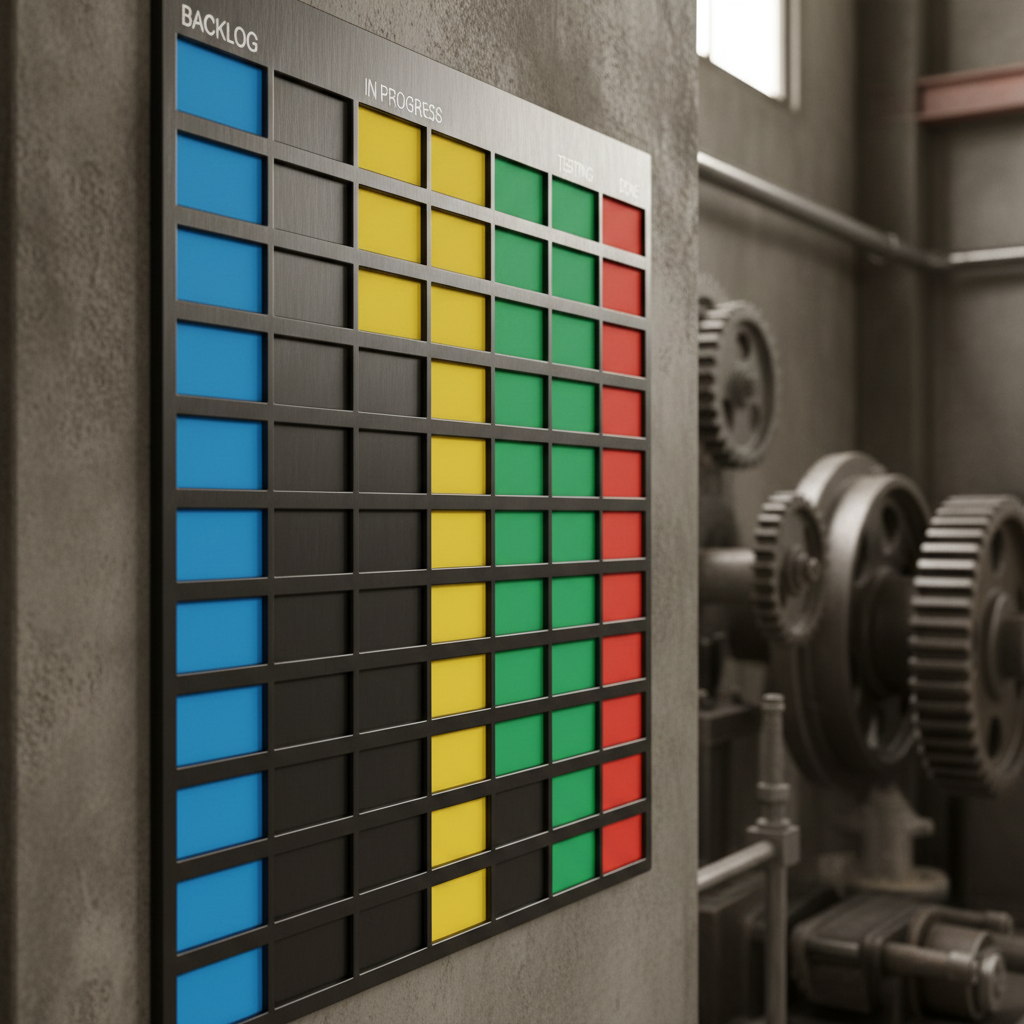
The Kanban System acts as a visual signal for production control, ensuring a 'pull-based' flow. Coupled with Small Lot Production, manufacturers can produce in small batches, drastically reducing inventory overhead and lead times.

A Kanban board on a factory wall with colorful cards in slots, industrial setting, sharp focus, professional photography
Made byBobr AI

Major Tools: SMED & Cellular Layout

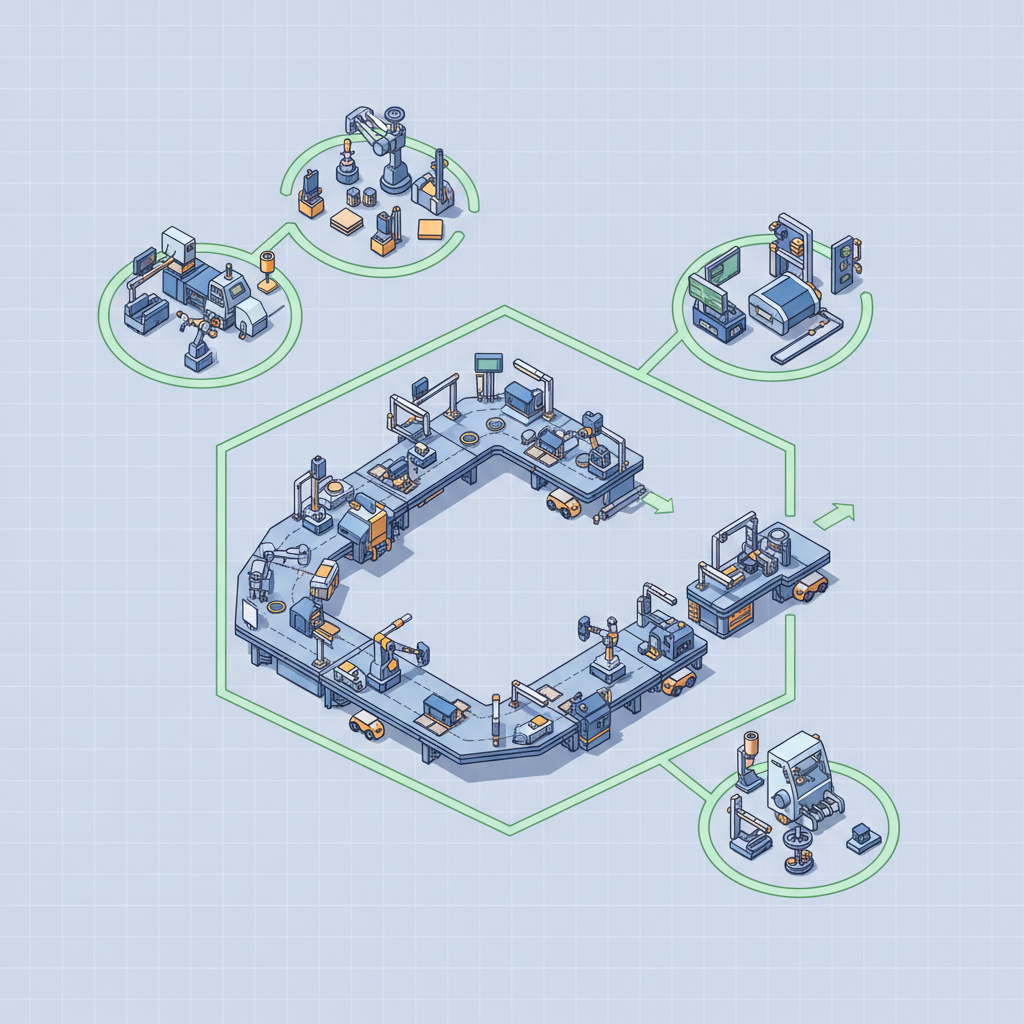
Setup Time Reduction (SMED) allows for quick machine changeovers, enabling small lot production. Cellular Manufacturing arranges machines according to product flow rather than function, minimizing material transport and waiting time.

Diagram style illustration of cellular manufacturing layout, u-shaped assembly line, overhead view, clean isometric style
Made byBobr AI

Quality & Stability Techniques

  • Quality at Source: Workers inspect their own work; defects are corrected immediately.
  • Preventive Maintenance: Regular servicing ensures equipment reliability and minimizes breakdowns.
  • Heijunka (Levelled Production): Smoothing production volume and mix to reduce variability.
Made byBobr AI

“Kanban means 'signal card'. It is a visual control system used in JIT to manage production and material flow based on actual demand.”

— The Kanban Concept

Made byBobr AI

Working of Kanban System

  • 1. Downstream process consumes parts.
  • 2. A Kanban card is sent to the upstream process.
  • 3. Upstream process produces only the required quantity authorized by the card.
  • 4. Materials are delivered just in time, preventing overproduction.
Made byBobr AI
Delivery truck arriving at a modern factory dock, sunny day, logistics and supply chain concept, realistic style

Critical Role of Suppliers

In JIT, suppliers are strategic partners. They must provide: - Frequent, small deliveries matching production schedules. - Zero-defect materials (eliminating inspection needs). - Reliable delivery with no buffer inventory.

Made byBobr AI

Impact on Layout & Workforce

  • Layout: Functional to Cellular Layout: Shifts from department-based to flow-based machinery arrangement.
  • Workers: Worker Empowerment: Creates a multi-skilled workforce with greater responsibility for quality.
  • Culture: Team Culture: Improves job involvement via team-based work and continuous improvement.
Made byBobr AI

Conclusion

JIT drives fundamental changes in layout, roles, and relationships. By improving cost, quality, delivery, flexibility, and productivity, it transforms organizations into lean, responsive, and globally competitive systems.

Made byBobr AI
Bobr AI

DESIGNER-MADE
PRESENTATION,
GENERATED FROM
YOUR PROMPT

Create your own professional slide deck with real images, data charts, and unique design in under a minute.

Generate For Free

Mastering Just-In-Time (JIT) Systems in Manufacturing

Learn how Just-In-Time (JIT) systems improve lean manufacturing efficiency through Kanban, small lot production, and lead time reduction.

Just-In-Time (JIT) Systems

Strategies for Lean Manufacturing Efficiency

What is JIT?

Just-In-Time (JIT) is a production philosophy that aims to produce the right quantity, at the right time, with minimum waste. It shifts the focus from traditional stockpiling to a streamlined flow of materials driven by actual demand.

Core Benefits: Inventory & Quality

Reduction in Inventory: Minimal raw material, work-in-progress (WIP), and finished goods lead to lower carrying costs.

Improved Quality: Immediate detection of defects prevents large batches of faulty products.

Zero Defects Focus: Smaller lot sizes reduce defect impact, enforcing a culture of precision.

Core Benefits: Speed & Efficiency

Reduced Lead Time: Faster material flow and shorter production cycles allow quicker customer response.

Lower Manufacturing Cost: Significant reduction in waste, rework, and scrap.

Increased Productivity: Elimination of non-value-added activities coordinates processes better.

Major Tools: Kanban & Small Lots

The Kanban System acts as a visual signal for production control, ensuring a 'pull-based' flow. Coupled with Small Lot Production, manufacturers can produce in small batches, drastically reducing inventory overhead and lead times.

Major Tools: SMED & Cellular Layout

Setup Time Reduction (SMED) allows for quick machine changeovers, enabling small lot production. Cellular Manufacturing arranges machines according to product flow rather than function, minimizing material transport and waiting time.

Quality & Stability Techniques

Quality at Source: Workers inspect their own work; defects are corrected immediately.

Preventive Maintenance: Regular servicing ensures equipment reliability and minimizes breakdowns.

Heijunka (Levelled Production): Smoothing production volume and mix to reduce variability.

Kanban means 'signal card'. It is a visual control system used in JIT to manage production and material flow based on actual demand.

The Kanban Concept

Working of Kanban System

1. Downstream process consumes parts.

2. A Kanban card is sent to the upstream process.

3. Upstream process produces only the required quantity authorized by the card.

4. Materials are delivered just in time, preventing overproduction.

Critical Role of Suppliers

In JIT, suppliers are strategic partners. They must provide: - Frequent, small deliveries matching production schedules. - Zero-defect materials (eliminating inspection needs). - Reliable delivery with no buffer inventory.

Impact on Layout & Workforce

Functional to Cellular Layout: Shifts from department-based to flow-based machinery arrangement.

Worker Empowerment: Creates a multi-skilled workforce with greater responsibility for quality.

Team Culture: Improves job involvement via team-based work and continuous improvement.

Conclusion

JIT drives fundamental changes in layout, roles, and relationships. By improving cost, quality, delivery, flexibility, and productivity, it transforms organizations into lean, responsive, and globally competitive systems.

  • just-in-time
  • jit
  • lean-manufacturing
  • kanban
  • supply-chain
  • inventory-management
  • operations-management