




Mastering Global Manufacturing Productivity & Policy
Learn key strategies for manufacturing productivity, industrial policy frameworks, and the role of human capital in national competitiveness.
Quality and Global Competitiveness
Manufacturing Productivity, Industrial Policy, and Human Capital
Presentation Agenda
Concept of Manufacturing Productivity
Types and Importance of Productivity Metrics
Key Components of National Industrial Policy
Role of Human Resources in Competitiveness
Manufacturing Productivity Defined
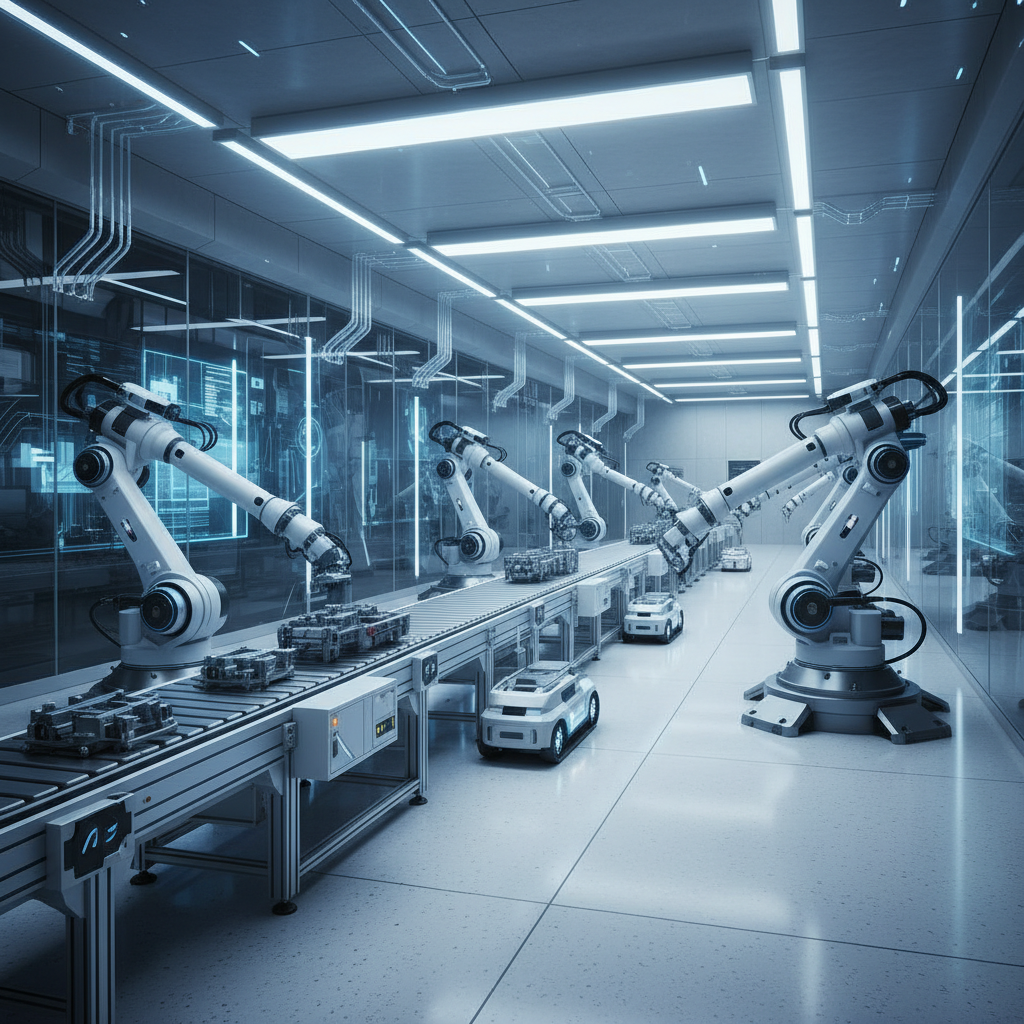
Manufacturing productivity measures the efficiency with which resources (inputs) are converted into goods (outputs). It reflects how effectively an organization utilizes the 5 Ms: Men, Machines, Materials, Money, and Methods.<br><br>The fundamental ratio is:<br><strong>Productivity = Output / Input</strong>
Types of Manufacturing Productivity
<strong>Labour Productivity:</strong> Output per worker or per labour hour.
<strong>Machine Productivity:</strong> Output per machine or per machine hour.
<strong>Material Productivity:</strong> Output per unit of raw material consumed.
<strong>Capital Productivity:</strong> Output generated per unit of capital invested.
<strong>Total Factor Productivity (TFP):</strong> Output compared to combined inputs (labour, capital, energy, materials).
Why is Productivity Critical?
High manufacturing productivity is a cornerstone of economic success. It leads to:<br><br><ul><li>Lower production costs.</li><li>Improved profitability for firms.</li><li>Enhanced global competitiveness.</li><li>Better potential for resource utilization.</li><li>Sustained economic growth for the nation.</li></ul>
Industrial Policy Framework
Strategies to Improve National Competitiveness
Core Components: Infrastructure & Tech
<strong>Infrastructure Development:</strong> Reliable power, efficient transportation (roads, ports), logistics hubs, and digital infrastructure.
<strong>Technology Support:</strong> R&D promotion, upgrade schemes, and incentives for Industry 4.0 automation.
<strong>Skilled Workforce:</strong> Vocational training, industry-relevant curriculum, and apprenticeship programs.
Business Environment & Standards
<strong>Ease of Doing Business:</strong> Simplified regulations, transparent policies, reduced compliance burden.
<strong>Financial Incentives:</strong> Tax subsidies, affordable credit access, and support for MSMEs.
<strong>Quality Promotion:</strong> Adoption of standards (ISO, BIS), certification support, and global benchmarking.
Sustainability and Global Trade
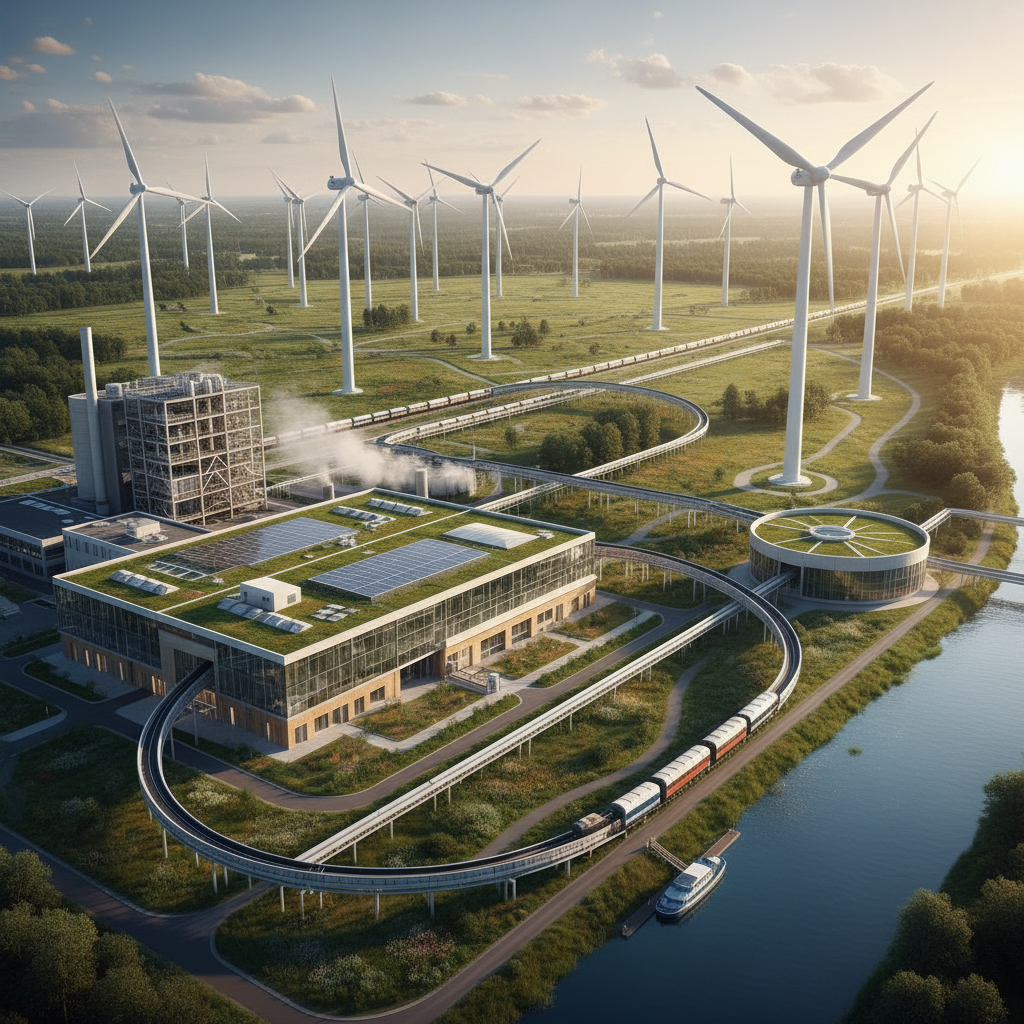
A modern industrial policy extends beyond production volume to include:<br><br><strong>Export Promotion:</strong><br>Infrastructure for logistics, trade agreements, and export financing.<br><br><strong>Green Manufacturing:</strong><br>Energy efficiency, environmental regulations, circular economy initiatives, and renewable energy adoption.
Role of Human Resources
The Critical Factor for Long-Term Competitiveness
Driving Forces of Human Capital
<strong>Skill & Knowledge:</strong> Skilled workforce directly improves productivity.
<strong>Innovation:</strong> Educated human capital drives R&D and generates new technologies.
<strong>Labour Efficiency:</strong> Reduces cost per unit and improves service delivery.
<strong>Quality Culture:</strong> Competent workers reduce defects and promote continuous improvement.
Adaptability and Growth
<strong>Technology Adoption:</strong> Capability to operate advanced machinery and digital tools.
<strong>Entrepreneurship:</strong> Talent pool encourages startups, MSMEs, and economic diversification.
<strong>Foreign Investment:</strong> A reputation as a talent hub attracts Foreign Direct Investment (FDI).
<strong>Flexibility:</strong> Workforce aids structural economic transformation and adapts to market changes.
Conclusion
The competitiveness of a nation is built upon a tripod of strong elements:<br><br>1. <strong>Productivity:</strong> Efficient conversion of resources.<br>2. <strong>Policy:</strong> A supportive strategic framework.<br>3. <strong>People:</strong> Human capital as the foundation.<br><br>Investment in education, health, and skill development is essential for sustainable growth and global integration.
- manufacturing-productivity
- industrial-policy
- human-capital
- global-competitiveness
- operations-management
- economic-growth