

Made byBobr AI

Skincare Myths vs Facts: Debunking Viral Skin Trends

Learn the truth about SPF, oily skin hydration, natural ingredients, and more. A dermatological science-backed guide to healthy skincare routines.

#skincare-myths#dermatology#sun-protection#skin-types#beauty-tips#health-and-wellness
Watch
Pitch
minimalist aesthetic skincare arrangement, pastel colors, soft studio lighting, high quality bottles and creams, photorealistic, clean background

Skincare Myths vs. Facts

Project Analysis by Daniyah Kaur & Drishti Mittal

Made byBobr AI

The Viral Misinformation Problem

Social media is flooded with unverified skincare trends. In this project, we explored how misinformation spreads through influencers and friends, emphasizing the critical need to prioritize dermatological science over viral rumors.

conceptual image of a smartphone displaying social media icons surrounded by confused question marks and skincare bottles, soft focus, pastel tones
Made byBobr AI

By doing this project on Skincare Myths vs Facts, I learned that not everything we hear on social media is true... This project helped me understand the importance of checking scientific facts and trusting dermatologists instead of blindly following trends.

Daniyah Kaur

Made byBobr AI

This project taught me that skincare is different for everyone... knowing the facts helped me realize that understanding our skin type and using the right products is more important than following popular myths like 'more products give better skin'.

Drishti Mittal

Made byBobr AI

Myth vs. Fact: Sun Protection

  • ❌ Myth: SPF is only needed on sunny summer days.
  • ✅ Fact: UV rays penetrate clouds and glass windows every day.
  • ✅ Insight: Daily SPF prevents premature aging, fine lines, and dark spots regardless of weather.
Made byBobr AI

Myth: Oily Skin Doesn't Need Moisturizer

Many believe oily skin has enough moisture, but skipping hydration actually triggers the skin to produce even MORE oil to compensate. The Fact: Oily skin requires hydration. Using non-comedogenic (pore-friendly) moisturizers helps balance oil production without greasiness.

close up of water droplet on clean skin texture, hydrated, blue tones, fresh, macro photography
Made byBobr AI

The 'Natural is Better' Fallacy

MYTH: Natural ingredients are always safer than synthetic ones.
FACT: Poison ivy is natural but irritates the skin. Lemon juice is natural but causes burns in sunlight.
FACT: Synthetic ingredients like hyaluronic acid are often rigorously tested, stable, and hypoallergenic.
Made byBobr AI
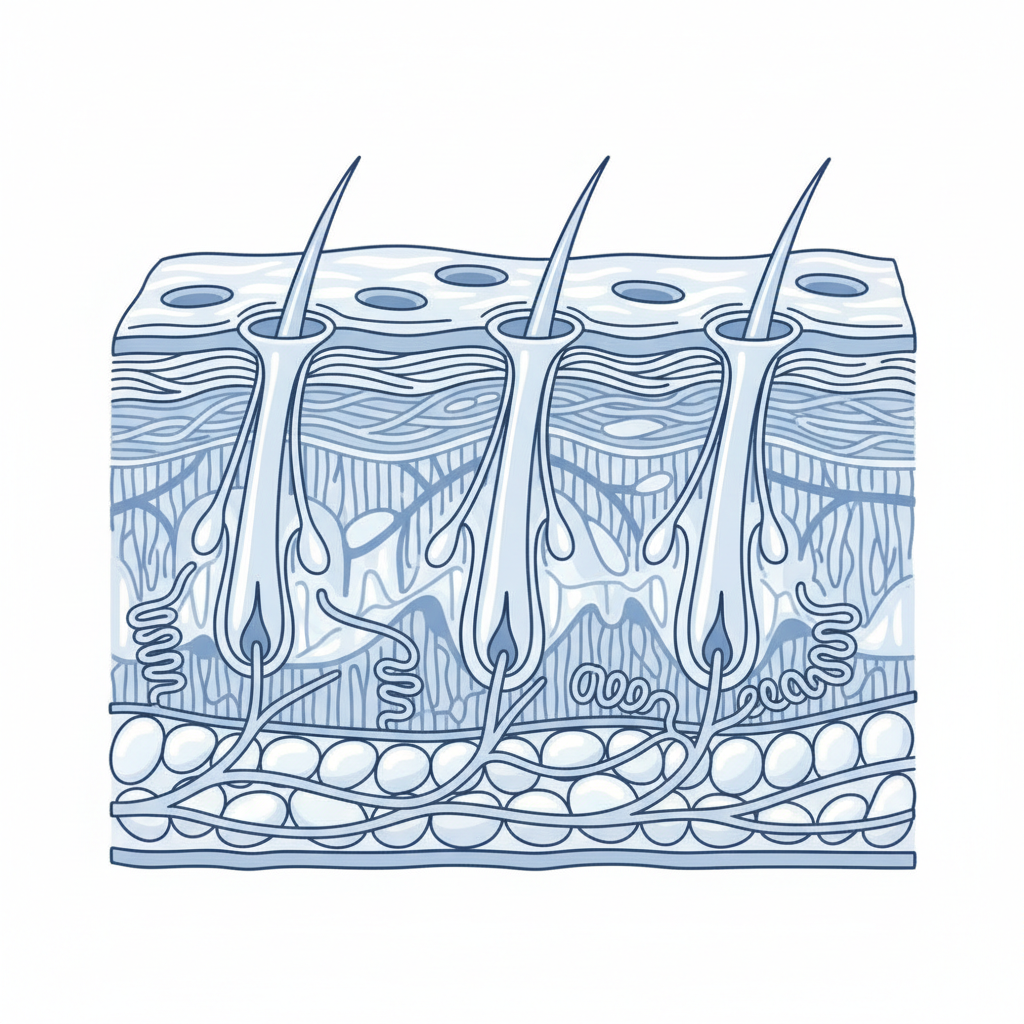
scientific illustration of skin layers and pores, clean, schematic style, clinical blue and white colors

Myth: You Can Shrink Your Pores

Pore size is largely determined by genetics and cannot be permanently reduced. While you cannot 'shrink' them, you can minimize their appearance by keeping them clean with salicylic acid and exfoliation.

Tip from Research: Focus on skin clarity rather than impossible structural changes.

Made byBobr AI
minimalist bathroom shelf with just three essential high quality skincare products, clean, bright, organized, white and wood tones

Myth: "More Products = Better Skin"

There is a misconception that a 10-step routine is necessary. In reality, layering too many actives can damage the moisture barrier. The key is a simple, consistent routine tailored to your specific skin type—cleanser, moisturizer, and SPF are the essentials.

"Quality routines nourish and protect. Excess harms."

Made byBobr AI

Key Takeaways: Fact-Checking Skincare

🔍 Verify Information: Don't trust every viral trend. Check sources.
👩‍⚕️ Trust Experts: Rely on advice from dermatologists, not unqualified influencers.
👤 Know Your Skin: Skincare is personal. What works for a friend may not work for you.
🛡️ Consistency Over Intensity: Gentle, daily protection beats harsh scrubbing.
Made byBobr AI
Bobr AI

DESIGNER-MADE
PRESENTATION,
GENERATED FROM
YOUR PROMPT

Create your own professional slide deck with real images, data charts, and unique design in under a minute.

Generate For Free

Skincare Myths vs Facts: Debunking Viral Skin Trends

Learn the truth about SPF, oily skin hydration, natural ingredients, and more. A dermatological science-backed guide to healthy skincare routines.

Skincare Myths vs. Facts

Project Analysis by Daniyah Kaur & Drishti Mittal

The Viral Misinformation Problem

Social media is flooded with unverified skincare trends. In this project, we explored how misinformation spreads through influencers and friends, emphasizing the critical need to prioritize dermatological science over viral rumors.

By doing this project on Skincare Myths vs Facts, I learned that not everything we hear on social media is true... This project helped me understand the importance of checking scientific facts and trusting dermatologists instead of blindly following trends.

Daniyah Kaur

This project taught me that skincare is different for everyone... knowing the facts helped me realize that understanding our skin type and using the right products is more important than following popular myths like 'more products give better skin'.

Drishti Mittal

Myth vs. Fact: Sun Protection

❌ Myth: SPF is only needed on sunny summer days.

✅ Fact: UV rays penetrate clouds and glass windows every day.

✅ Insight: Daily SPF prevents premature aging, fine lines, and dark spots regardless of weather.

Myth: Oily Skin Doesn't Need Moisturizer

Many believe oily skin has enough moisture, but skipping hydration actually triggers the skin to produce even MORE oil to compensate. The Fact: Oily skin requires hydration. Using non-comedogenic (pore-friendly) moisturizers helps balance oil production without greasiness.

The 'Natural is Better' Fallacy

MYTH: Natural ingredients are always safer than synthetic ones.

FACT: Poison ivy is natural but irritates the skin. Lemon juice is natural but causes burns in sunlight.

FACT: Synthetic ingredients like hyaluronic acid are often rigorously tested, stable, and hypoallergenic.

Myth: You Can Shrink Your Pores

Pore size is largely determined by genetics and cannot be permanently reduced. While you cannot 'shrink' them, you can minimize their appearance by keeping them clean with salicylic acid and exfoliation.

Tip from Research: Focus on skin clarity rather than impossible structural changes.

Myth: "More Products = Better Skin"

There is a misconception that a 10-step routine is necessary. In reality, layering too many actives can damage the moisture barrier. The key is a simple, consistent routine tailored to your specific skin type—cleanser, moisturizer, and SPF are the essentials.

Key Takeaways: Fact-Checking Skincare

🔍 Verify Information: Don't trust every viral trend. Check sources.

👩‍⚕️ Trust Experts: Rely on advice from dermatologists, not unqualified influencers.

👤 Know Your Skin: Skincare is personal. What works for a friend may not work for you.

🛡️ Consistency Over Intensity: Gentle, daily protection beats harsh scrubbing.

  • skincare-myths
  • dermatology
  • sun-protection
  • skin-types
  • beauty-tips
  • health-and-wellness