


















Stuck on You: The History and Impact of Velcro & Biomimicry
Discover how a walk in the woods led George de Mestral to invent Velcro. Explore its science, cultural impact, NASA's adoption, and the future of fastening.
A TED-Style Lecture
STUCK ON YOU
How a Walk in the Woods Changed the Way the World Fastens
Exploring the History & Cultural Impact of Velcro
FINAL PROJECT · DATA STORIES
CHAPTER 01
“It was just a walk in the woods.”
In 1941, Swiss engineer George de Mestral returned from a hunting trip in the Alps to find burdock burrs clinging stubbornly to his wool jacket and his dog's fur. Instead of simply brushing them off, he did something remarkable — he looked closer.
LECTURE OUTLINE
What We'll Cover Today
1
The Accidental Walk
The origin story
2
Hooks & Loops
The science of biomimicry
3
From Lab to Launchpad
NASA and early adoption
4
Velcro in Culture
Pop culture, fashion, disability access
5
Still Sticking Around
Legacy, market, and the future
THE INVENTOR
George de Mestral
1907 – 1990
A Swiss electrical engineer with a lifelong curiosity, de Mestral had been inventing since age 12 — when he patented a toy airplane. His real breakthrough came not in a lab, but in the Swiss Alps, when a walk became an obsession.
Born: Colombier, Switzerland
Education: École Polytechnique, Lausanne
Patent Granted: 1955 (Switzerland), 1958 (USA)
CHAPTER 02
Hooks & Loops
Nature's Blueprint
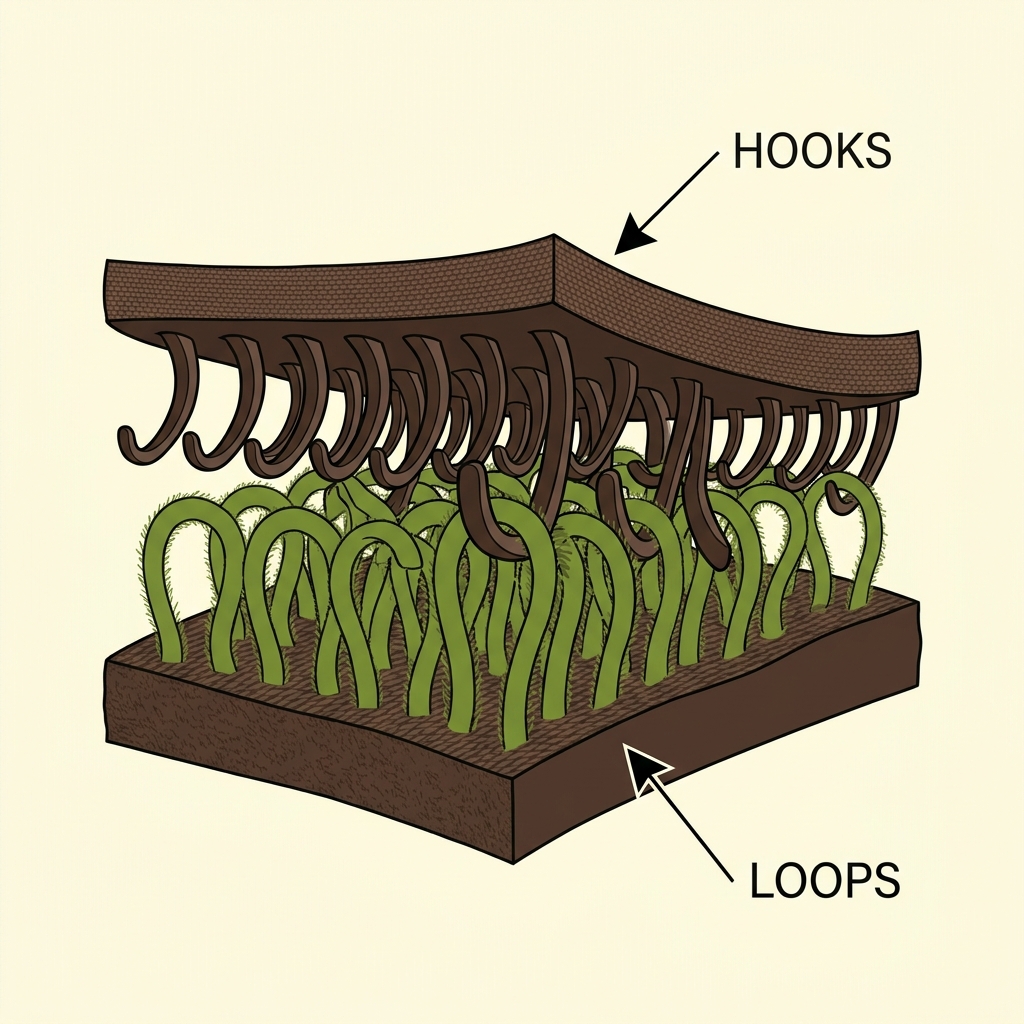
Under the microscope, each burdock burr revealed a tiny hook at its tip — nature's own fastening system. De Mestral spent 8 years replicating this in nylon: one strip of tiny hooks, one strip of soft loops. Press them together — they grip. Pull them apart — they release. Simple. Brilliant. Biomimicry.
Biomimicry: Design inspired by nature's own solutions
~300
hooks per sq cm
8 years
to perfect the design
From Burr to Billion-Dollar Industry
A Timeline of Velcro
1941
De Mestral notices burrs on his dog after an Alpine hike
1955
Swiss patent granted — named from 'velours' + 'crochet'
1958
US patent granted; marketed as 'the zipperless zipper'
1960s
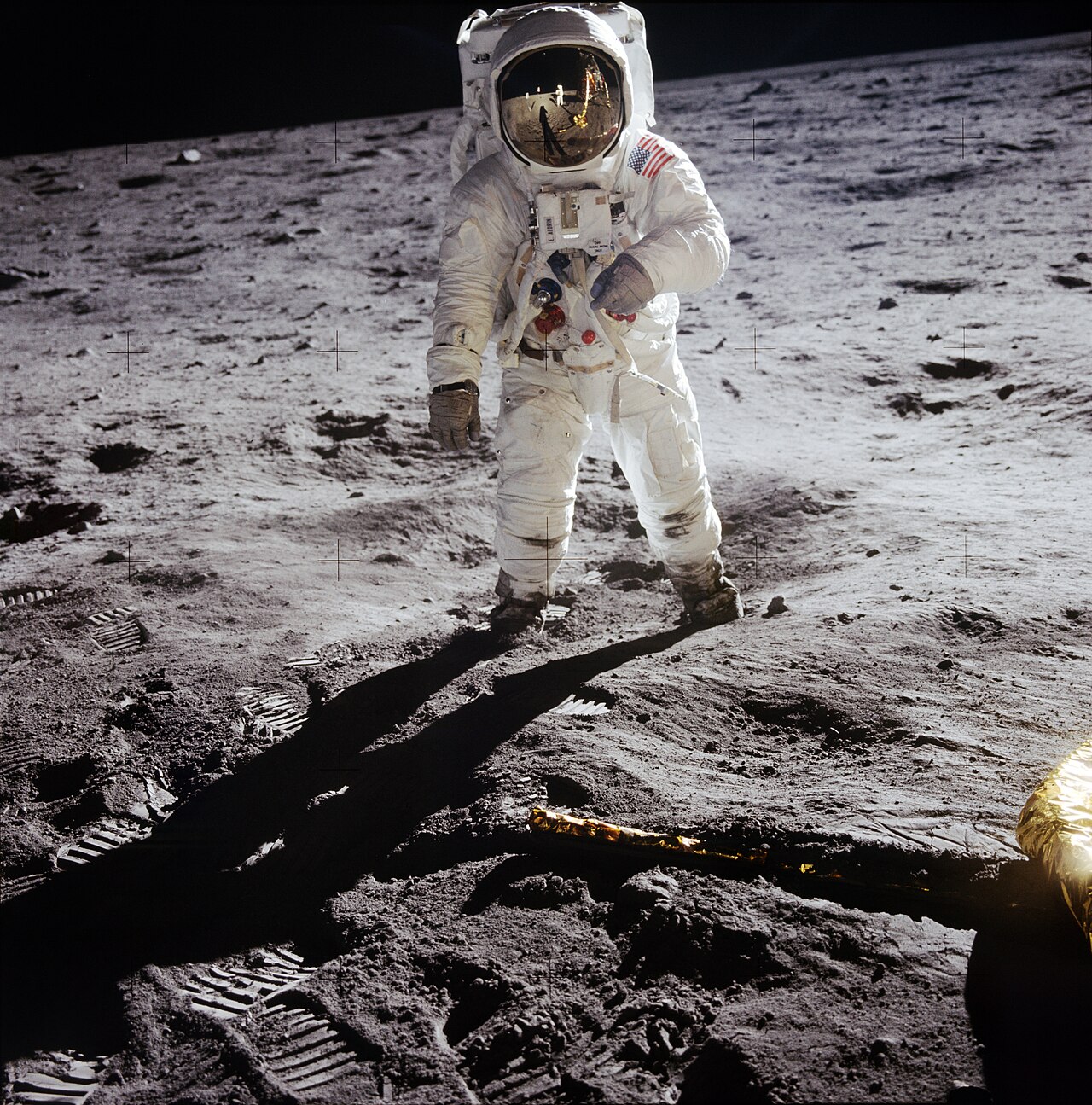
Adopted by NASA — 3,300+ sq inches on Apollo 11
1968
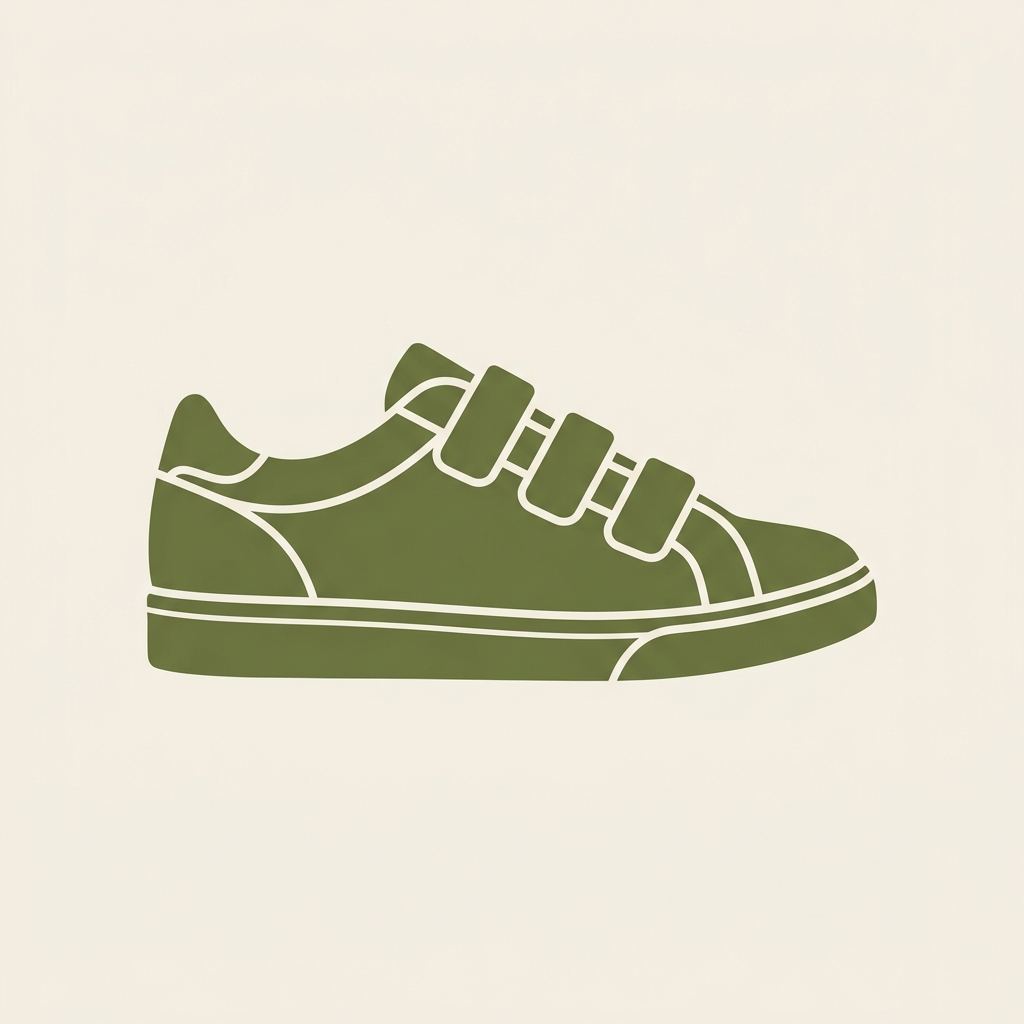
Puma becomes first brand to use Velcro on sneakers
1978
Original patent expires — competitors flood the market
1984
David Letterman jumps onto a wall in a Velcro suit on live TV
1992
Huggies introduces Velcro diapers
CHAPTER 03
From Lab to Launchpad
When Velcro went to space
NASA became one of Velcro's earliest and most enthusiastic adopters. In the zero-gravity environment of space, keeping objects in place is a matter of life and death. Apollo 11 used over 3,300 square inches of Velcro to secure equipment, food pouches, and tools inside the capsule.
3,300+ sq inches used on Apollo 11
Adopted by 1960s skiers, scuba divers & military
MIL-SPEC military tape standard by 1985
CHAPTER 04
Velcro in Culture
More than a fastener — a cultural artifact
Pop Culture Moments
In 1984, David Letterman wore a full Velcro suit and jumped onto a wall — sticking to it live on TV. Velcro became a comedic prop, a symbol of playful stickiness in films, TV shows, and 'human fly' bar games of the 1990s.
Fashion Revolution
Puma launched the first Velcro sneaker in 1968. By the 1980s, Velcro shoes were a childhood staple. Today they appear in high fashion — from Comme des Garçons to everyday athleisure wear.
Accessibility & Inclusion
Velcro transformed adaptive clothing for people with disabilities and the elderly — replacing fiddly buttons and laces with one-touch fastening. A simple innovation with profound social impact.
BY THE NUMBERS
A Billion-Dollar Sticking Point
The hook-and-loop market today
$2.79 Billion
Global market value in 2024
$3.87 Billion
Projected value by 2033
4.9% CAGR
Annual growth rate
The expiry of de Mestral's patent in 1978 opened the market to competitors — driving prices down and innovation up. Today, hook-and-loop is found in aerospace, medicine, diapers, and high fashion.
THE OTHER SIDE
Not Always a Perfect Fit
Controversies, critiques & complications
Too Loud for War
The US Army began removing Velcro from uniforms in 2010–2014. The distinctive ripping sound alerted enemies in combat zones. 60% of soldiers preferred buttons. Dust and sand in Afghanistan and Iraq also clogged the fasteners.
Plastic in Disguise
Conventional Velcro is nylon — a petroleum-based plastic that doesn't biodegrade. Modern manufacturers have introduced recycled polyester variants, diverting 54% of waste from landfills. Bio-based hooks are in R&D as of 2025.
'Velcro' Is a Brand Name
Like 'Kleenex' or 'Xerox,' 'Velcro' is a registered trademark — not a generic term. The VELCRO® brand has actively campaigned (including a viral YouTube video) to stop people from genericizing their name.
CHAPTER 05
Still Sticking Around
The future of hook-and-loop
80 years after that Alpine walk, Velcro is everywhere — from diaper tabs to spacecraft. And it's evolving. ALFA LOK mushroom-inspired fasteners, bio-based nylon hooks, solar-powered manufacturing plants, and integration in IoT wearables signal that the humble burr still has surprises in store.
ALFA LOK: Mushroom-inspired next-gen fasteners (2025)
30% market share for eco-friendly variants by 2030
Smart Velcro: IoT integration in medical wearables
"What began as an annoyance became an invention that touched every corner of human life."
FINAL PROJECT · DATA STORIES
IN CLOSING
The next great invention might be clinging to your jacket right now.
Nature is the best engineer — biomimicry works
Curiosity + persistence = innovation
Small inventions create massive cultural change
Thank you
Questions?
FINAL PROJECT · DATA STORIES · VELCRO
WORKS CITED
Bibliography
Freudenrich, C. (2001). How Velcro Works. HowStuffWorks. https://science.howstuffworks.com/innovation/everyday-innovations/velcro.htm
Velcro Companies. (2024). Our History. https://www.velcro.com/about-us/history/
NASA. (2019). Velcro. NASA Spinoff. https://spinoff.nasa.gov
Hook and Loop Fastener Market Report. (2024). Grand View Research. https://www.grandviewresearch.com
de Mestral, G. (1955). Swiss Patent No. 297693. Swiss Federal Institute of Intellectual Property.
Friedel, R. (1994). Zipper: An Exploration in Novelty. Norton.
Brownlee, J. (2017). The Man Who Invented Velcro. Fast Company. https://www.fastcompany.com
Velcro BVBA. (2017). Do Not Say Velcro [Video]. YouTube. https://www.youtube.com/watch?v=rRi8LptvFZY
Prepared for Data Stories Final Project · April 2026
- velcro-history
- biomimicry
- george-de-mestral
- innovation-story
- hook-and-loop
- nasa-spinoffs