
Zara: Global Fashion Leader Brand & Identity Analysis
Explore Zara's history, branding, fast-fashion model, and visual identity. Learn how Inditex's flagship brand maintains a luxury feel with zero advertising.
ZARA
Corporate Brand & Identity Presentation
Graphic Design I
Purpose & Objective
Explore the history of branding and identity for Zara, one of the world's top fashion retailers
Analyze the branding elements that make Zara globally recognizable
Understand how Zara's visual identity supports its fast-fashion business model
Brand Name Origin
Founded in 1975 by Amancio Ortega in A Coruña, Spain
Originally named Zorba after the film Zorba the Greek
Changed to Zara because a bar nearby already had the name Zorba
The name Zara is short, memorable, and works across all languages
The Product
Zara is a fast-fashion retailer offering clothing, accessories, shoes, and beauty products for women, men, and children. The brand is known for rapidly bringing runway trends to stores at affordable prices.
Fast Fashion Model
New designs reach stores in just 2-3 weeks (industry average is 6 months)
Over 10,000 new designs produced annually
Limited quantities create urgency and exclusivity
Stores receive new items twice per week
Vertical integration allows complete control from design to delivery
Logo Evolution
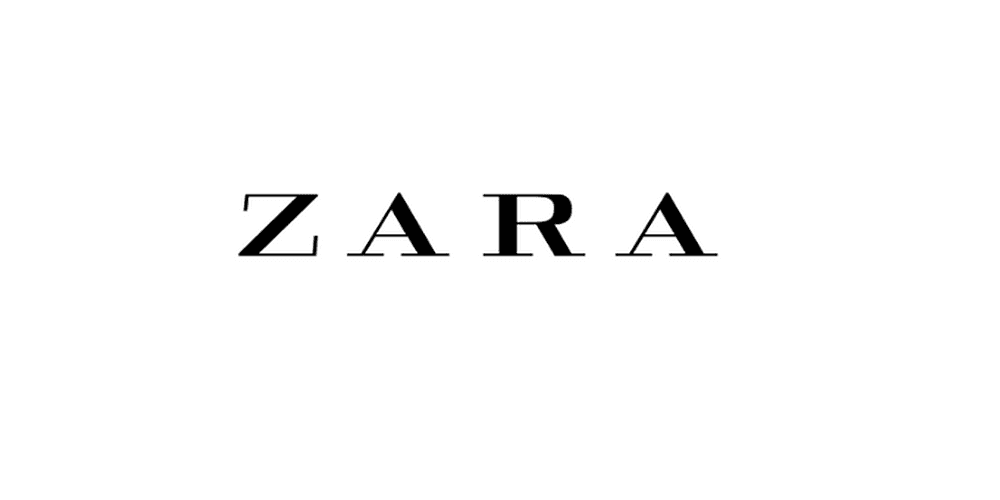
Original Logo (1975-2019): Thin, widely spaced serif letters with a classic, elegant appearance
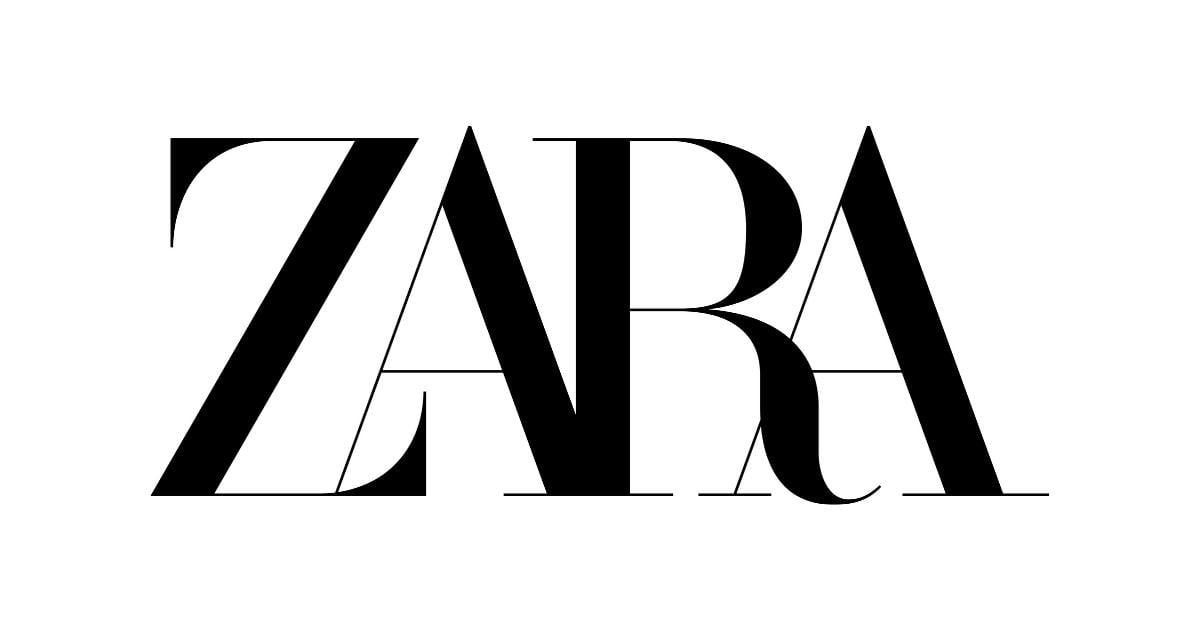
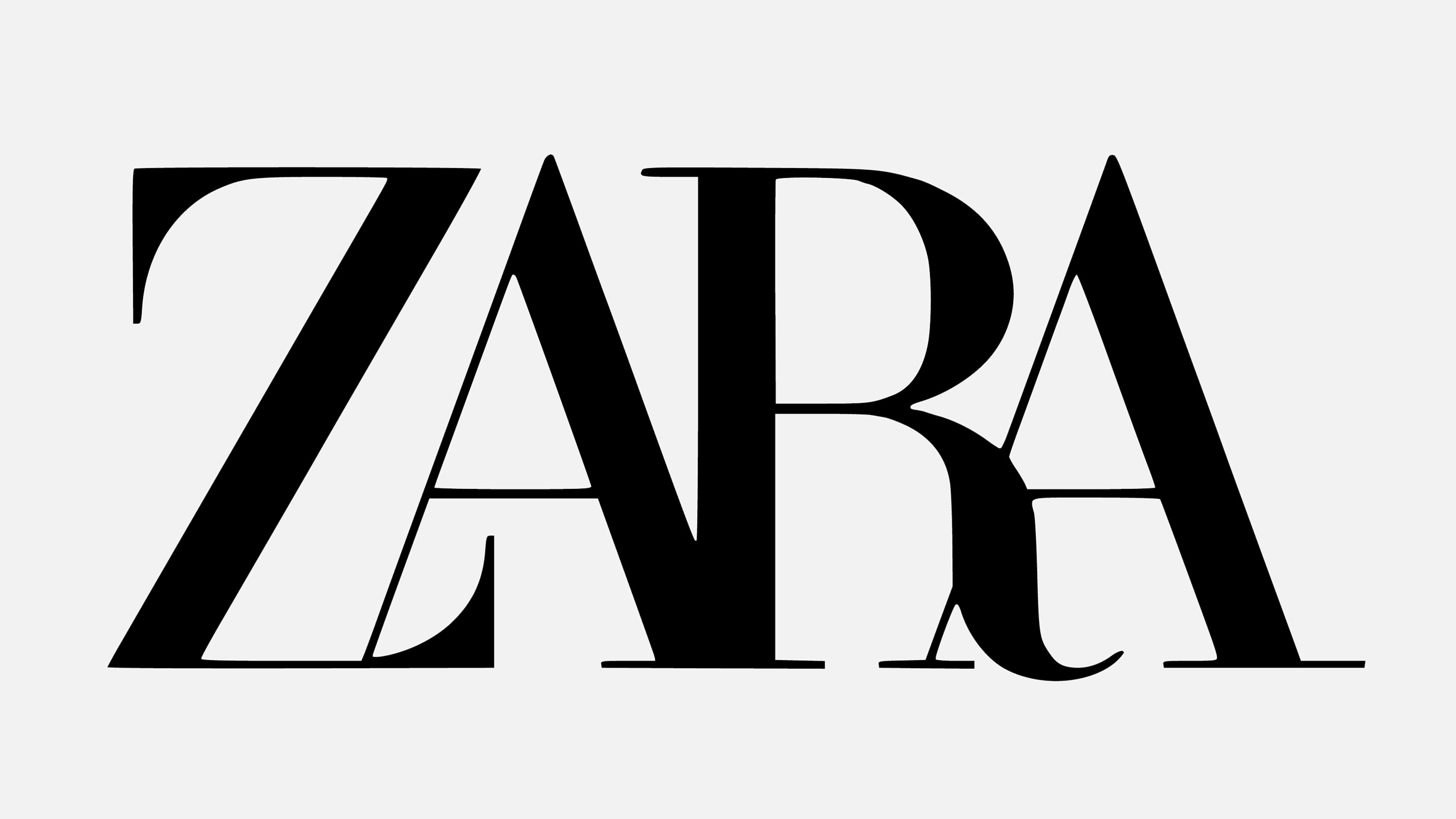
Current Logo (2019-Present): Condensed serif letters that overlap, creating a more modern and bold look designed by Baron & Baron agency
Visual Identity Elements
Color Palette
Black and white dominates all branding, creating a minimalist luxury feel
Typography
Serif typeface with tight kerning conveys sophistication and modernity
Store Design
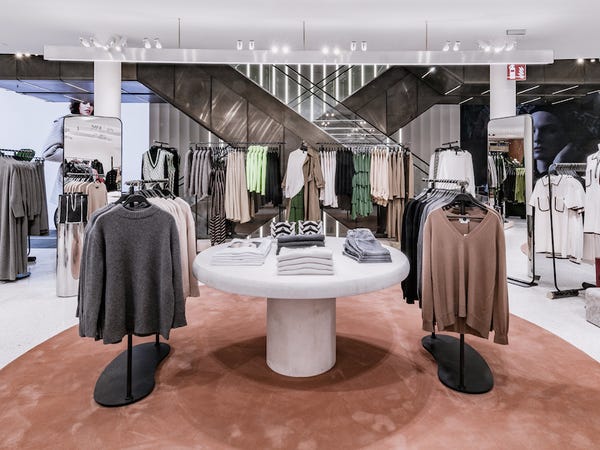
Clean, spacious interiors with white walls and minimal fixtures
Packaging
Simple paper bags and boxes with only the logo, no excess decoration
Global Presence
96
Countries
2,000+
Stores Worldwide
#1
Fashion Retailer in Spain
Zara operates in nearly every major market globally, with flagship stores in prime locations like Fifth Avenue in New York, Oxford Street in London, and the Champs-Élysées in Paris.
Marketing Strategy
Zero traditional advertising - no TV commercials, billboards, or magazine ads
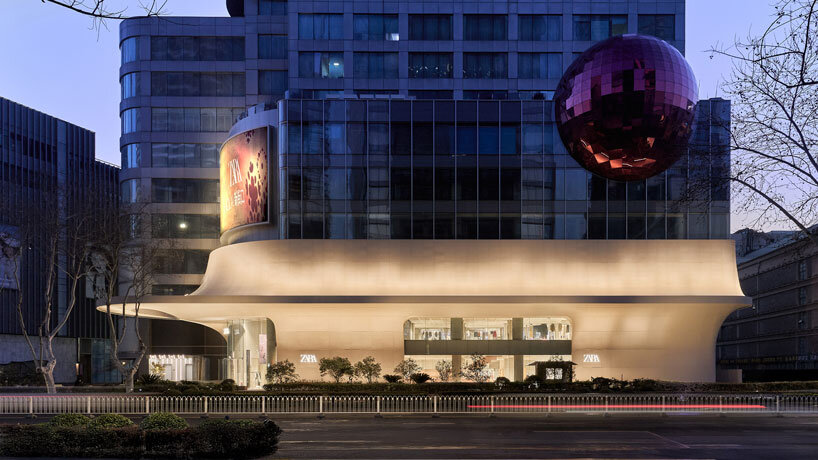
Relies on prime store locations as the main marketing tool
Word-of-mouth and social media drive brand awareness
Store windows are carefully designed to showcase new collections
Strong Instagram presence with over 50 million followers
Store Experience
Zara stores are designed to feel like high-end boutiques rather than mass retailers. The minimalist aesthetic with white walls, clean displays, and soft lighting creates a premium shopping experience that reinforces the brand identity.
Parent Company: Inditex
Zara is the flagship brand of Inditex, the world's largest fashion retailer. Inditex also owns Pull&Bear, Massimo Dutti, Bershka, Stradivarius, Oysho, and Zara Home.
Founder Amancio Ortega is one of the wealthiest people in the world, with a net worth built almost entirely from Inditex's success.
Brand Identity
Ideas
Accessible luxury, democratization of fashion, staying current with trends
Thoughts
Stylish, affordable, trendy, European chic, fast turnaround
Emotions
Excitement of finding new styles, urgency to buy before items sell out, confidence in wearing current trends
Sustainability Challenges
Fast fashion contributes to environmental waste and pollution
Criticism for encouraging overconsumption
Labor practices in supply chain questioned
Textile waste from rapid production cycles
Sustainability Initiatives
Join Life collection uses sustainable materials like organic cotton and recycled polyester
Goal to use 100% sustainable fabrics by 2025
In-store clothing collection bins for recycling
Eco-efficient stores that reduce energy and water consumption
Zero waste to landfill policy for headquarters and logistics centers
Key Takeaways
Minimalist branding creates perception of luxury at affordable prices
Fast fashion model relies on speed and scarcity to drive sales
Store locations and design replace traditional advertising
Brand identity balances accessibility with exclusivity
Sustainability remains a key challenge for the business model
Thank You
Questions?
- zara
- fashion-branding
- fast-fashion
- inditex
- marketing-strategy
- visual-identity
- retail-case-study
- graphic-design