





Made byBobr AI

Understanding Mental Health: Myths and Clinical Realities

Learn the difference between mental health and mental illness, the impact of social media buzzwords, and when to seek professional psychological help.

#mental-health-literacy#psychology#mental-health-awareness#ocd-awareness#therapy-services#mental-health-myths
Watch
Pitch

Mental Health Literacy & You

Navigating Definitions, Social Media Buzzwords, and Pathway to Support

Made byBobr AI

Interactive Poll: Myth vs. Fact

Wait for it...

Statement: 'Mental Health' and 'Mental Illness' are just two names for the same thing.

MYTH

Fact: They are related but distinct concepts. Everyone has mental health, just as everyone has physical health. Not everyone has a mental illness.

Made byBobr AI

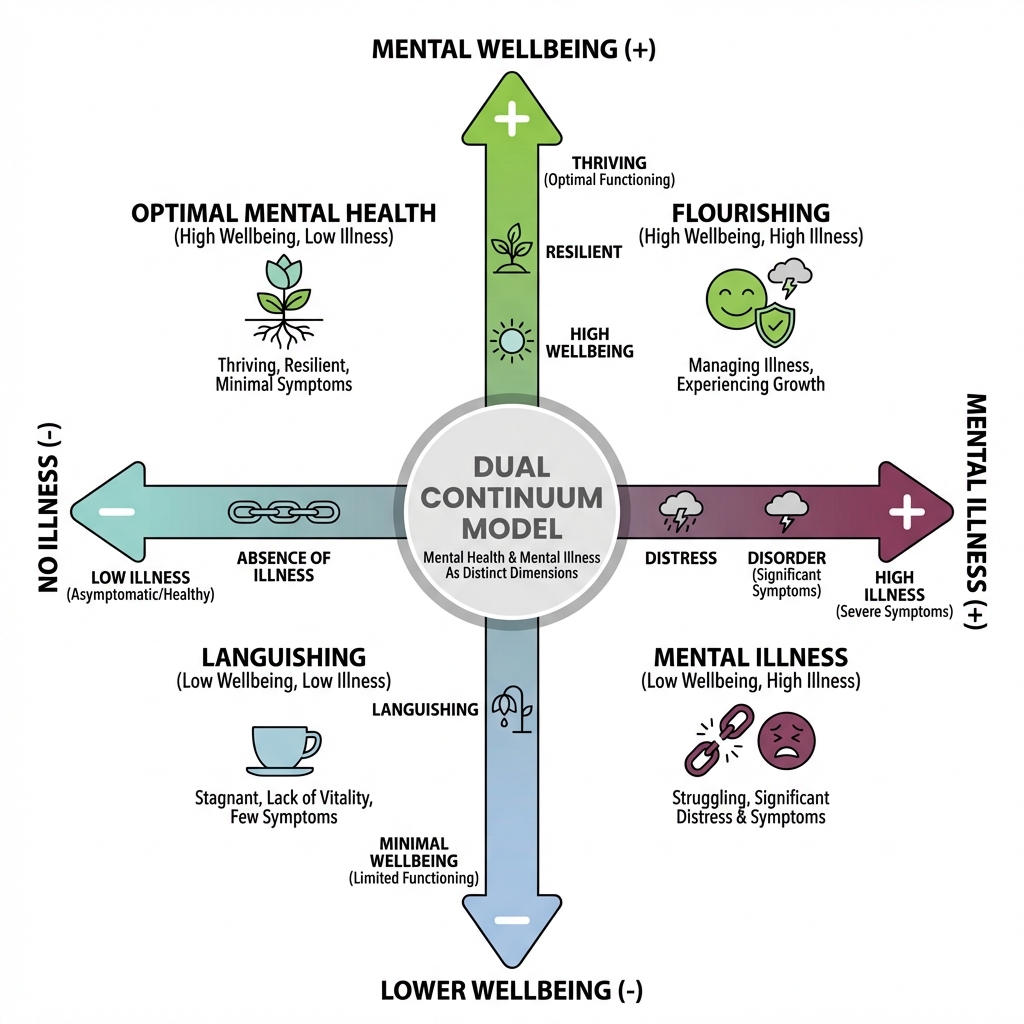
Distinguishing the Concepts

Mental Health

Refers to our emotional, psychological, and social well-being. It affects how we think, feel, and act. It determines how we handle stress, relate to others, and make choices.

Mental Illness

Refers to specific diagnosable conditions (like Depression, Anxiety Disorders, Schizophrenia) involving changes in emotion, thinking, or behavior that cause distress and functional impairment.

Made byBobr AI

Group Discussion

Why do you think it is becoming increasingly common to use clinical terms casually on social media?

Take 2 minutes to chat with your neighbor, then we will share with the room.

Made byBobr AI

Social Media "Diagnosis": The Buzzword Effect

  • Trends: Using terms like 'Trauma', 'OCD', or 'Bipolar' to describe normal human experiences.
  • Why it happens: Validation seeking, community building, and lack of professional vocabulary.
  • The Risk: Trivializes severe conditions and spreads misinformation about symptoms.
Made byBobr AI

Deconstructing: OCD

Social Media Usage

"I'm so OCD about my notes." Used to describe being neat, organized, or particular.

#

Clinical Reality

Obsessive-Compulsive Disorder involves unwanted intrusive thoughts (obsessions) and repetitive behaviors (compulsions) performed to alleviate distress, often consuming hours of the day.

Rx
Made byBobr AI

Other Common Misconceptions

Anxiety vs. Nervousness

Nervousness is a temporary reaction to a stressor (e.g., an exam). Anxiety Disorder is persistent, excessive fear that interferes with daily life even when no threat is present.

Autism vs. Awkwardness

Being socially introverted is a personality trait. Autism Spectrum Disorder (ASD) is a neurodevelopmental condition affecting communication, behavior, and sensory processing.

Made byBobr AI

Scenario: "The Germophobe"

You are studying with a friend. She wipes down her table with a napkin and laughs, saying, "Sorry, I'm just such a germophobe, I'm practically schizophrenic about cleanliness."

1. What misconceptions are present in her statement?

2. How could you respond with empathy but correct the terminology?

Made byBobr AI

When to Seek Professional Help

Look for the "3 Ds" in your experience:

DISTRESS

Are the symptoms causing you significant emotional pain or upset?

DYSFUNCTION

Are they interfering with school, relationships, or daily tasks?

DURATION

Have these feelings persisted longer than expected (e.g., 2+ weeks)?

Made byBobr AI

How We Can Help: Our Clinic Services

Psychotherapy

Evidence-based counseling for Individuals, Couples, and Families.

Psychological Assessments

Formal diagnostic testing for ADHD, Learning Disabilities, and mental health conditions.

Made byBobr AI

Access & Logistics

💳

Direct Billing Available

We bill most student insurance plans directly to reduce out-of-pocket costs.

📅

Intake Process

Streamlined booking. Initial intake session to match you with the right clinician.

Made byBobr AI

Words Matter.

By distinguishing between mental health and mental illness, and using language accurately, we reduce stigma and make it easier for those with real needs to seek diagnosis.

Questions? Contact us for appointments or assessment inquiries.

Made byBobr AI
Bobr AI

DESIGNER-MADE
PRESENTATION,
GENERATED FROM
YOUR PROMPT

Create your own professional slide deck with real images, data charts, and unique design in under a minute.

Generate For Free

Understanding Mental Health: Myths and Clinical Realities

Learn the difference between mental health and mental illness, the impact of social media buzzwords, and when to seek professional psychological help.

Mental Health Literacy & You

Navigating Definitions, Social Media Buzzwords, and Pathway to Support

Interactive Poll: Myth vs. Fact

Statement: 'Mental Health' and 'Mental Illness' are just two names for the same thing.

MYTH

Fact: They are related but distinct concepts. Everyone has mental health, just as everyone has physical health. Not everyone has a mental illness.

Distinguishing the Concepts

Mental Health

Refers to our emotional, psychological, and social well-being. It affects how we think, feel, and act. It determines how we handle stress, relate to others, and make choices.

Mental Illness

Refers to specific diagnosable conditions (like Depression, Anxiety Disorders, Schizophrenia) involving changes in emotion, thinking, or behavior that cause distress and functional impairment.

Group Discussion

Why do you think it is becoming increasingly common to use clinical terms casually on social media?

Take 2 minutes to chat with your neighbor, then we will share with the room.

Social Media "Diagnosis": The Buzzword Effect

Trends: Using terms like 'Trauma', 'OCD', or 'Bipolar' to describe normal human experiences.

Why it happens: Validation seeking, community building, and lack of professional vocabulary.

The Risk: Trivializes severe conditions and spreads misinformation about symptoms.

Deconstructing: OCD

Social Media Usage

"I'm so OCD about my notes." Used to describe being neat, organized, or particular.

Clinical Reality

Obsessive-Compulsive Disorder involves unwanted intrusive thoughts (obsessions) and repetitive behaviors (compulsions) performed to alleviate distress, often consuming hours of the day.

Other Common Misconceptions

Anxiety vs. Nervousness

Nervousness is a temporary reaction to a stressor (e.g., an exam). Anxiety Disorder is persistent, excessive fear that interferes with daily life even when no threat is present.

Autism vs. Awkwardness

Being socially introverted is a personality trait. Autism Spectrum Disorder (ASD) is a neurodevelopmental condition affecting communication, behavior, and sensory processing.

Scenario: "The Germophobe"

You are studying with a friend. She wipes down her table with a napkin and laughs, saying, "Sorry, I'm just such a germophobe, I'm practically schizophrenic about cleanliness."

1. What misconceptions are present in her statement?

2. How could you respond with empathy but correct the terminology?

When to Seek Professional Help

Look for the "3 Ds" in your experience:

DISTRESS

Are the symptoms causing you significant emotional pain or upset?

DYSFUNCTION

Are they interfering with school, relationships, or daily tasks?

DURATION

Have these feelings persisted longer than expected (e.g., 2+ weeks)?

How We Can Help: Our Clinic Services

Psychotherapy

Evidence-based counseling for Individuals, Couples, and Families.

Psychological Assessments

Formal diagnostic testing for ADHD, Learning Disabilities, and mental health conditions.

Access & Logistics

Direct Billing Available

We bill most student insurance plans directly to reduce out-of-pocket costs.

Intake Process

Streamlined booking. Initial intake session to match you with the right clinician.

Words Matter.

Questions? Contact us for appointments or assessment inquiries.

By distinguishing between mental health and mental illness, and using language accurately, we reduce stigma and make it easier for those with real needs to seek diagnosis.

  • mental-health-literacy
  • psychology
  • mental-health-awareness
  • ocd-awareness
  • therapy-services
  • mental-health-myths