
Custom Lampshade Design & GCSE Project Evaluation
A detailed case study on designing and manufacturing a custom lampshade using CAD/CAM, laser cutting, and engineered joinery for GCSE Assessment.
Design & Technology: Lampshade Project Evaluation
Candidate: [Name/Number] | GCSE Assessment
Project Brief & Problem Statement
Task: Design and manufacture a functional lampshade suitable for a domestic environment.
Core Problem: Existing generic solutions lack customizable aesthetic interaction and often use unsustainable materials.
Objective: Create a structurally sound product using CAD/CAM processes that allows for light diffusion through specific design motifs.
Design Specification Criteria
1. Dimensions: Must fit within standard desk lamp parameters (Max height 200mm). 2. Function: Must securely hold standard fittings and diffuse light effectively. 3. Aesthetics: The design must feature visual motifs on sides/back to create shadow play. 4. Manufacture: Must utilize laser cutting for precision and joinery.
Initial Modeling: Version 1 (Cardboard)
Process & Intent
Scale Testing: Validated the 200mm height limit and fitment around standard bulb fixtures.
Surface Motifs: Evaluated initial cutout density to balance structural integrity with light transmission.
Visual Trials: Assessed the rectangular form factor and its aesthetic impact in a domestic setting.
Key Reflections
The prototype revealed significant flaws in construction logic. The glued seams were highly unstable, causing the structure to warp. Additionally, the side and back imagery failed to align visually, disrupting the design continuity, while the material itself lacked the necessary durability for functional use.
Implement interlocking joinery for stability
Redesign patterns for visual continuity
Transition to more rigid card stock
Critique of Version 1
Structural Weakness: The initial layout relied on glue rather than mechanical interlocking, leading to poor stability.
Visual Inconsistency: The pictures on the sides and back were disparate and lacked a cohesive theme.
Material: Corrugated cardboard was unsuitable for the final finish and lacked durability.
Version 2: Development & Refinement
Key Changes
- Shifted material from cardboard to Laser-cut MDF/Plywood. - Standardized dimensions: 180mm (H) x 111mm (W). - Unified visual theme across all faces.
Joinery Evolution
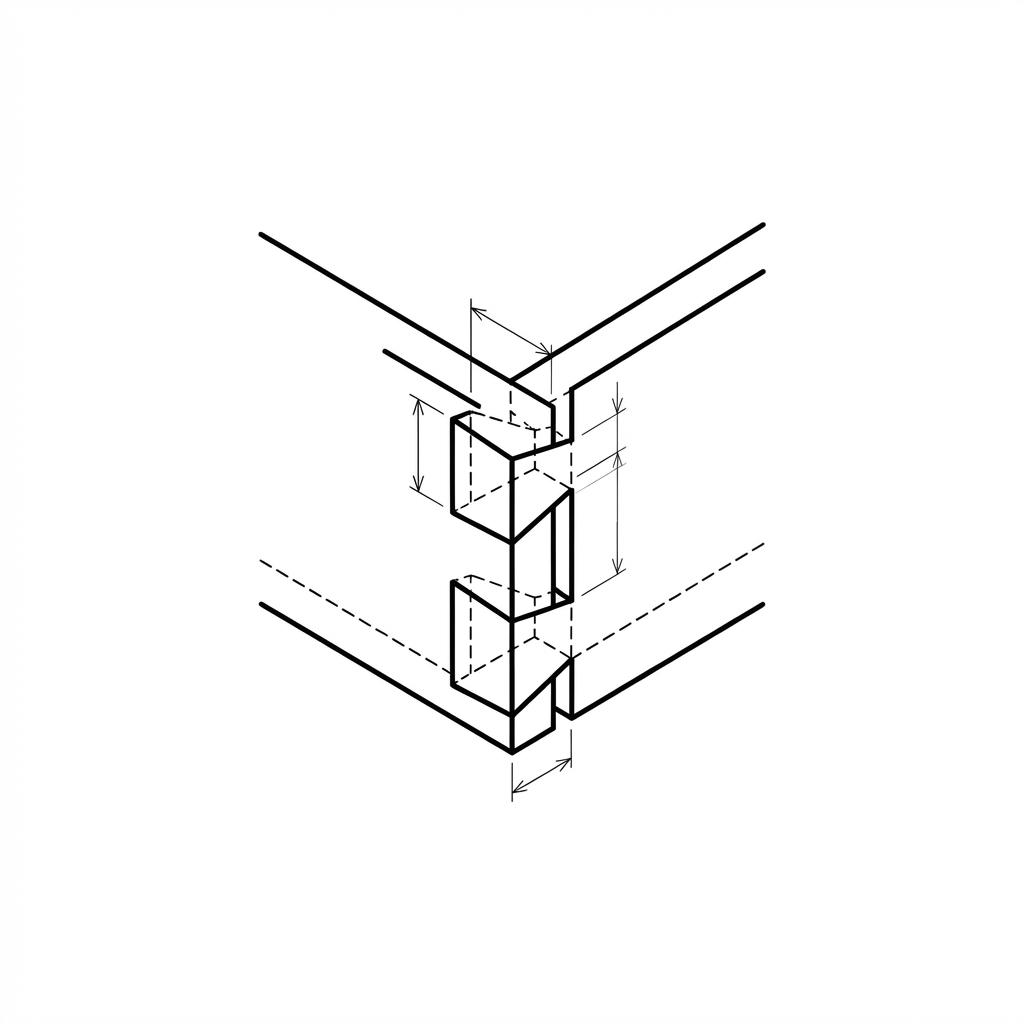
- Replaced basic glued edges with engineered joints. - Originally tested finger joints (seen in prototypes). - Final design decision moved towards dovetail/dowel joints for superior mechanical interlock at the top.
CAD/CAM Prototype Testing
Process Focus
The prototype components were fabricated using a laser cutter on 3mm stock material. This phase focused on verifying the translation of digital vector paths into physical cuts, ensuring that critical geometries and edge finishes were maintained without excessive charring or kerf deviation.
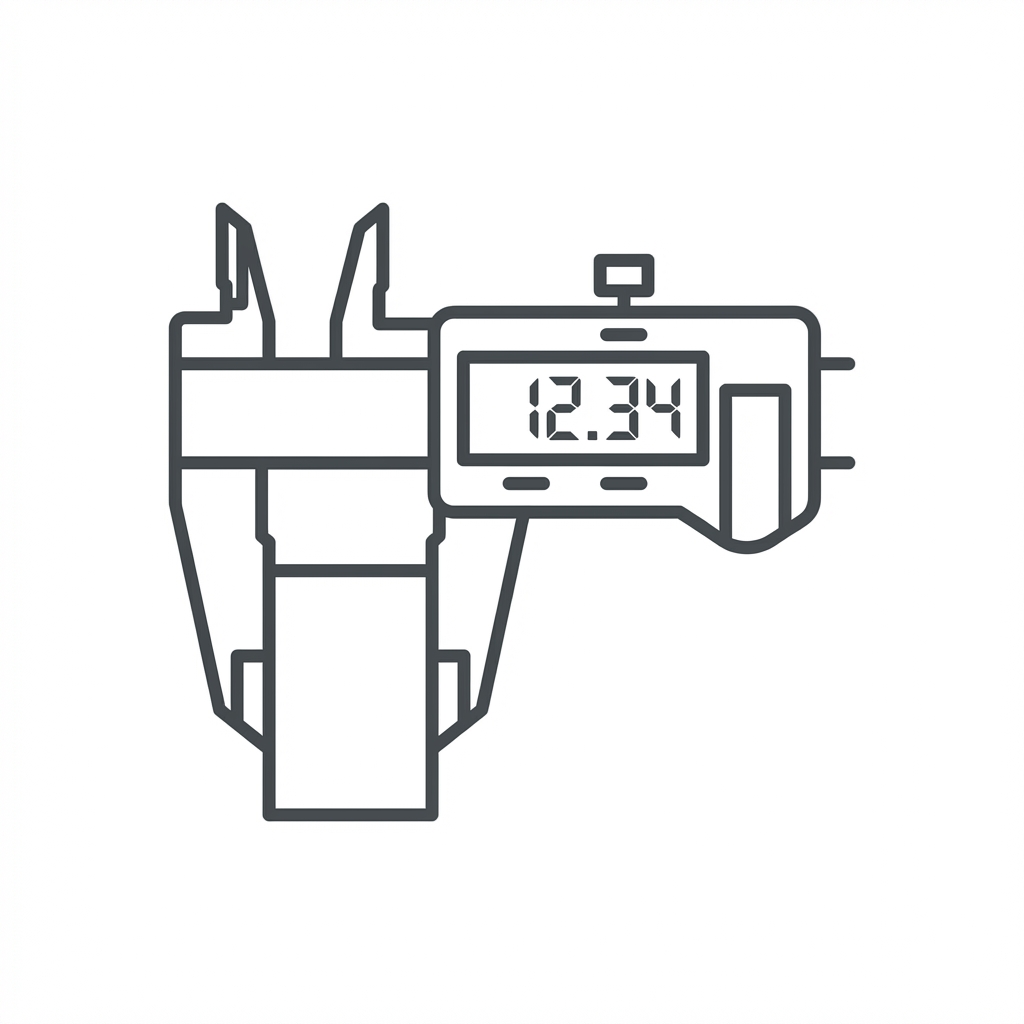
Tolerance checks were conducted immediately to validate the 180mm vertical dimension. Digital calipers were employed to measure the deviation between the CAD model specifications and the physical output, confirming the accuracy of the circular geometric cutouts intended for light diffusion.
Assembly trials involved a dry-fit of the interlocking parts to assess structural rigidity prior to adhesive application. This step was crucial for identifying potential weak points in the joinery and ensuring the form factor remained stable under its own weight for final evaluation.
Insights & Learnings
Testing revealed that while the 180mm height was accurate, the friction fit was too loose in the standard prototyping wood. The surface finish on the lower-grade timber also required excessive sanding, which compromised dimensional accuracy. Consequently, the decision was made to transition to high-quality MDF or plywood to ensure better stability and a superior surface finish.
Need for jigged alignment during glue-up processes
Cleanliness protocols required for sanding dust removal
Tighter tolerance settings needed in CAM configuration
Technical Specifications
Detailed breakdown of dimensions, tolerances, and material composition
Measurements
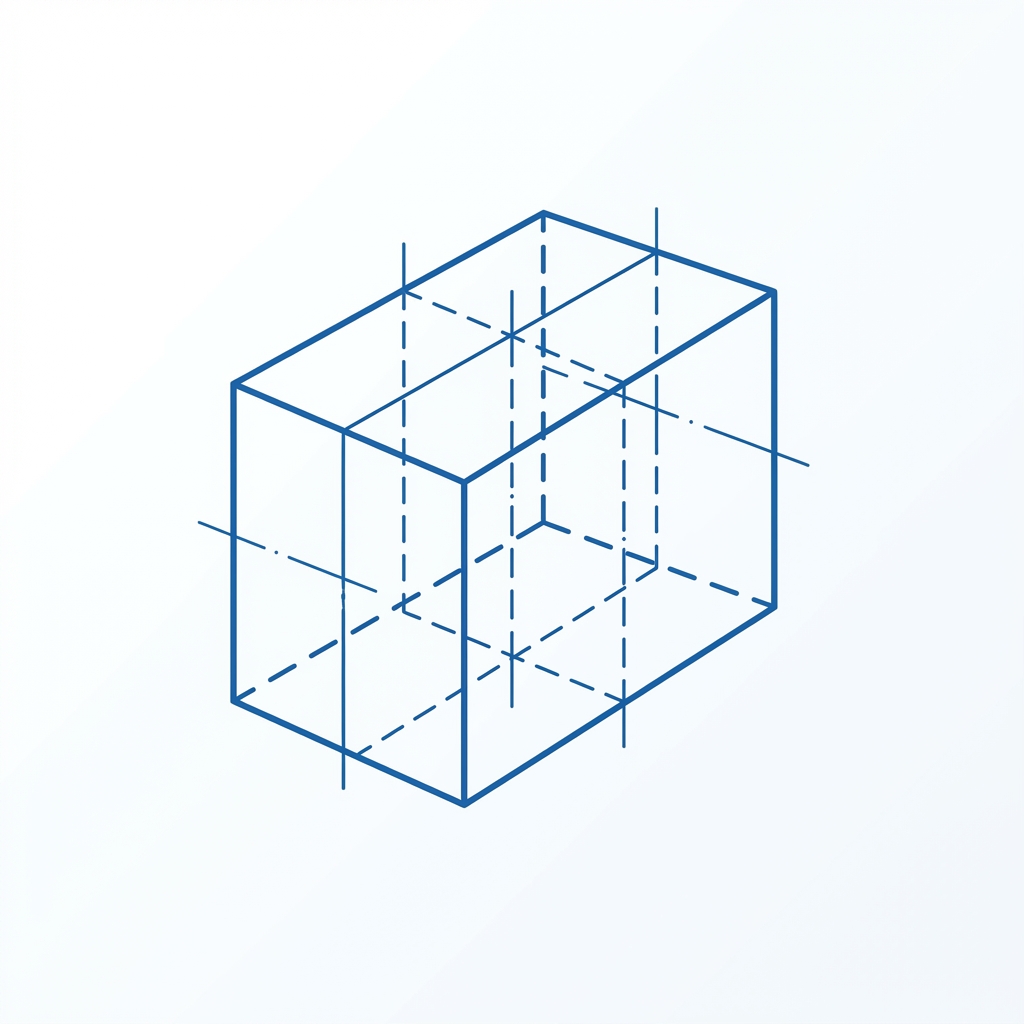
The finalized design features a compact, square footprint measuring precisely 111mm by 111mm, with a total vertical rise of 180mm. These dimensions were meticulously chosen to accommodate standard domestic bulbs while maintaining a minimal desk presence appropriate for modern living spaces.
Precision engineering allows for tight tolerances of ±0.5mm, ensuring that all interlocking joints fit securely without the need for excessive adhesive. This structural rigidity is critical for the long-term stability of the lampshade, preventing warping over time.
Material & Finish
Constructed from high-grade 3mm Medium Density Fibreboard (MDF) or sustainable plywood, the material offers an optimal balance of lightweight properties and durability. Its uniform density ensures consistent laser-cutting performance and predictable structural integrity under thermal load.
The laser-cutting process naturally seals the edges, creating a characteristic dark finish that defines the geometric boundaries of the design. Surfaces are fine-sanded to prepare for optional finishing treatments or to maintain a raw, honest industrial aesthetic that highlights the manufacturing process.
Manufacturing: Joint Evolution
Joinery Timeline
The initial prototyping phase utilized basic finger joints, chosen for their simplicity in early structural tests. However, these joints relied heavily on adhesive strength and lacked the mechanical interlocking necessary to resist twisting forces during assembly.
To address these weaknesses, the design progressed to a hybrid system incorporating dovetails and internal dowels. This evolution was critical for ensuring long-term durability, providing a self-locking mechanism that remains stable even before glue is applied.
Technical Rationale
<strong>Tensile Strength:</strong> The trapezoidal geometry of the dovetail creates an interference fit that inherently resists pull-out forces, significantly structurally superior to flat casing joints.
<strong>Glue Minimization:</strong> By utilizing mechanical locking for primary retention, the assembly relies less on excessive adhesive, resulting in cleaner, more professional seams.
<strong>Precision Alignment:</strong> The distinct shape forces components into a consistent 90-degree orientation, acting as a physical guide that reduces assembly error margins.
Final Evaluation
Dimensions: The modified 180mm x 111mm size perfectly accommodates the light fitting while remaining compact.
Aesthetics: The updated consistent imagery provides a cleaner, professional look compared to the disparate Version 1.
Structure: The move to advanced joints significantly improved the rigidity of the frame without requiring excessive adhesive.
Future Improvements
Finishing & Electronics
The application of a high-quality veneer or acrylic spray finish is critical for sealing the MDF substrate. This process not only shields the porous material from moisture and environmental wear but also transforms the raw, industrial aesthetic into a polished, consumer-ready surface.
Furthermore, integrating in-line dimmer controls will significantly enhance the user's ability to tailor the ambience. By providing agency over luminosity, the lampshade transitions from a static fixture to a versatile tool suitable for both focused work and relaxation.
Diffusion & User Experience
To address the harsh shadows cast by direct lighting, a translucent inner layer—composed of tracing paper or frosted acrylic—will be introduced. This modification is designed to scatter light output, creating a softer, more uniform glow that complements domestic interiors.
Subsequent user testing will evaluate the interplay between diffusion materials and shadow definition. Feedback will be instrumental in tuning the opacity levels to ensure the design motifs remain distinct without compromising visual comfort.
Next Steps:
Prototype finish testing on MDF samples
Control integration trial with dimmer circuits
Material cost comparison for diffusers
- design-and-technology
- lampshade-design
- cad-cam
- laser-cutting
- product-evaluation
- gcse-assessment
- engineering-joinery
- industrial-design