


Made byBobr AI

Obesity in Tonga: Prevalence, Drivers, and Policy Solutions

An analysis of Tonga's obesity epidemic, examining dietary drivers, economic determinants, and proposed fiscal reforms like taxation and food subsidies.

#tonga#obesity-epidemic#public-health#policy-solutions#ncds#fiscal-policy#nutrition-transition#pacific-health

The Obesity Epidemic in Tonga

An Analysis of Prevalence, Drivers, and Policy Solutions

Candidate Number: [Insert ID]

Made byBobr AI

Contextual Framework

Obesity Prevalence

Tonga reports one of the highest obesity rates globally. 2022 data indicates a 71.65% adult obesity rate, a significant rise from 47.38% in 1990. Women are disproportionately affected (57.9%).

Dietary Drivers

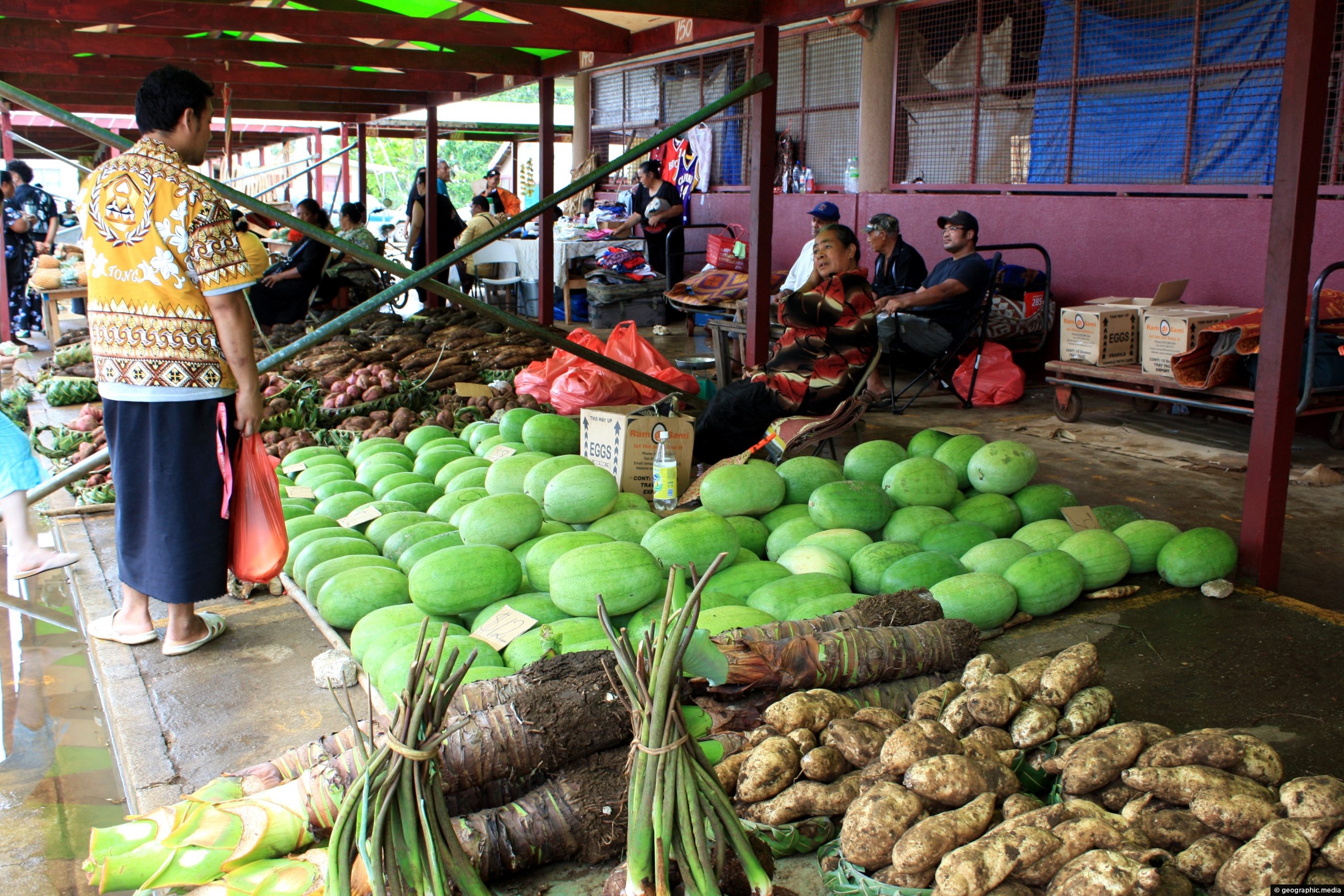
The nutrition transition is characterized by a shift from traditional root crops to imported, calorie-dense processed foods (e.g., mutton flaps, sodium-rich canned goods).

Health Implications

High correlation with Non-Communicable Diseases (NCDs). Diabetes prevalence is roughly 30% in women, creating a substantial long-term burden on the national healthcare system.

Made byBobr AI

Research Question

To what extent do import-dependent food systems contribute to the obesity epidemic in Tonga, and what policy interventions are most effective in mitigating this crisis?

Made byBobr AI

Advocated Solution

Integrated Economic Reform: Taxation & Subsidies

  • Implementation of aggressive excise taxes on Sugar-Sweetened Beverages (SSBs) and high-fat imported meats.
  • Strategic reallocation of tax revenue to subsidize local fishing and agriculture sectors.
Made byBobr AI

Perspective 1: Epidemiological Trends

Data illustrates a drastic increase in obesity rates over 32 years, significantly outpacing regional averages. The 'steps' surveys indicate a consistent upward trajectory.

Chart
Made byBobr AI

Perspective 2: Economic Determinants

The economic perspective focuses on trade liberalization and the cost of caloric efficiency. Imported goods like 'mutton flaps' provide cheap, accessible calories compared to local produce. This creates an economic incentive structure that favors poor nutritional outcomes.

Made byBobr AI

Perspective 3: Sociocultural Factors

Sociocultural analysis reveals a conflict between traditional perceptions of body size (where size equated to status) and the modern reality of NCD risk. Furthermore, the convenience of processed foods has culturally displaced labor-intensive traditional cooking methods.

Made byBobr AI

Potential Intervention Strategies

Educational Campaigns (Behavioral)

Promoting nutritional literacy in schools and communities. Often limited by environmental constraints.

Infrastructure Investment (Physical)

Creating spaces for physical activity. Requires significant capital and maintenance.

Fiscal Policy (Structural)

Import tariffs and taxes on unhealthy goods. Evidence suggests high efficacy in price-sensitive markets.

Made byBobr AI

Deep Dive: Fiscal Intervention Model

Mechanism: Price Elasticity

Increasing the cost of SSBs and mutton flaps reduces consumption volume among price-sensitive populations.

Revenue Recycling

Tax revenue is ring-fenced to subsidize fertilizers and equipment for local farmers, lowering the price of healthy alternatives (taro, yams, fresh fish).

Chart
Made byBobr AI

Limitations & Implications

Limitations

Policy implementation faces hurdles from international trade agreements (WTO) regarding tariffs. Additionally, there is potential for a regressive economic impact on the lowest-income households if local food supply chains cannot pivot quickly enough to meet demand.

Implications

Despite risks, the long-term implication is a reduction in NCD management costs. A successful model in Tonga could serve as a blueprint for other Pacific Island nations facing similar 'thrifty gene' and trade-dependent health crises.

Made byBobr AI

Bibliography (1/3)

  • Global Nutrition Report. (2022). Country Nutrition Profiles: Tonga. https://globalnutritionreport.org/resources/nutrition-profiles/oceania/polynesia/tonga/
  • Institute for Health Metrics and Evaluation (IHME). (2020). Global Burden of Disease Study 2019 (GBD 2019) Results. Seattle, United States.
  • Ministry of Health Tonga & World Health Organization. (2017). Tonga STEPS Survey 2017: Fact Sheet. WHO.
  • World Health Organization. (2018). Noncommunicable Diseases (NCD) Country Profiles: Tonga. Geneva: World Health Organization.
Made byBobr AI

Bibliography (2/3)

  • NCD Risk Factor Collaboration (NCD-RisC). (2017). Worldwide trends in body-mass index, underweight, overweight, and obesity from 1975 to 2016. The Lancet, 390(10113), 2627-2642.
  • World Obesity Federation. (2023). World Obesity Atlas 2023. London: World Obesity Federation.
  • Evans, M., Sinclair, R. C., Fusimalohi, C., & Liava'a, V. (2001). Globalization, diet, and health: an example from Tonga. Bulletin of the World Health Organization, 79(9), 856–862.
Made byBobr AI

Bibliography (3/3)

  • Fotu, K. F., & Toetu'u, S. (2013). Report on the Kingdom of Tonga's 2012 National Survey on Non-Communicable Diseases (STEPS). Ministry of Health Tonga.
  • Thow, A. M., et al. (2011). Trade and food policy: Case studies from three Pacific Island countries. Food Policy, 36(2), 263-272.

Note: Data sources prioritized include WHO STEPS surveys and Global Nutrition Reports as mandated by the research parameters.

Made byBobr AI
Bobr AI

DESIGNER-MADE
PRESENTATION,
GENERATED FROM
YOUR PROMPT

Create your own professional slide deck with real images, data charts, and unique design in under a minute.

Generate For Free

Obesity in Tonga: Prevalence, Drivers, and Policy Solutions

An analysis of Tonga's obesity epidemic, examining dietary drivers, economic determinants, and proposed fiscal reforms like taxation and food subsidies.

The Obesity Epidemic in Tonga

An Analysis of Prevalence, Drivers, and Policy Solutions

Candidate Number: [Insert ID]

Contextual Framework

Obesity Prevalence

Tonga reports one of the highest obesity rates globally. 2022 data indicates a 71.65% adult obesity rate, a significant rise from 47.38% in 1990. Women are disproportionately affected (57.9%).

Dietary Drivers

The nutrition transition is characterized by a shift from traditional root crops to imported, calorie-dense processed foods (e.g., mutton flaps, sodium-rich canned goods).

Health Implications

High correlation with Non-Communicable Diseases (NCDs). Diabetes prevalence is roughly 30% in women, creating a substantial long-term burden on the national healthcare system.

Research Question

To what extent do import-dependent food systems contribute to the obesity epidemic in Tonga, and what policy interventions are most effective in mitigating this crisis?

Advocated Solution

Integrated Economic Reform: Taxation & Subsidies

Implementation of aggressive excise taxes on Sugar-Sweetened Beverages (SSBs) and high-fat imported meats.

Strategic reallocation of tax revenue to subsidize local fishing and agriculture sectors.

Perspective 1: Epidemiological Trends

Data illustrates a drastic increase in obesity rates over 32 years, significantly outpacing regional averages. The 'steps' surveys indicate a consistent upward trajectory.

Perspective 2: Economic Determinants

The economic perspective focuses on trade liberalization and the cost of caloric efficiency. Imported goods like 'mutton flaps' provide cheap, accessible calories compared to local produce. This creates an economic incentive structure that favors poor nutritional outcomes.

Perspective 3: Sociocultural Factors

Sociocultural analysis reveals a conflict between traditional perceptions of body size (where size equated to status) and the modern reality of NCD risk. Furthermore, the convenience of processed foods has culturally displaced labor-intensive traditional cooking methods.

Potential Intervention Strategies

Educational Campaigns (Behavioral)

Promoting nutritional literacy in schools and communities. Often limited by environmental constraints.

Infrastructure Investment (Physical)

Creating spaces for physical activity. Requires significant capital and maintenance.

Fiscal Policy (Structural)

Import tariffs and taxes on unhealthy goods. Evidence suggests high efficacy in price-sensitive markets.

Deep Dive: Fiscal Intervention Model

Mechanism: Price Elasticity

Increasing the cost of SSBs and mutton flaps reduces consumption volume among price-sensitive populations.

Revenue Recycling

Tax revenue is ring-fenced to subsidize fertilizers and equipment for local farmers, lowering the price of healthy alternatives (taro, yams, fresh fish).

Limitations & Implications

Policy implementation faces hurdles from international trade agreements (WTO) regarding tariffs. Additionally, there is potential for a regressive economic impact on the lowest-income households if local food supply chains cannot pivot quickly enough to meet demand.

Despite risks, the long-term implication is a reduction in NCD management costs. A successful model in Tonga could serve as a blueprint for other Pacific Island nations facing similar 'thrifty gene' and trade-dependent health crises.

Bibliography (1/3)

Global Nutrition Report. (2022). Country Nutrition Profiles: Tonga. https://globalnutritionreport.org/resources/nutrition-profiles/oceania/polynesia/tonga/

Institute for Health Metrics and Evaluation (IHME). (2020). Global Burden of Disease Study 2019 (GBD 2019) Results. Seattle, United States.

Ministry of Health Tonga & World Health Organization. (2017). Tonga STEPS Survey 2017: Fact Sheet. WHO.

World Health Organization. (2018). Noncommunicable Diseases (NCD) Country Profiles: Tonga. Geneva: World Health Organization.

Bibliography (2/3)

NCD Risk Factor Collaboration (NCD-RisC). (2017). Worldwide trends in body-mass index, underweight, overweight, and obesity from 1975 to 2016. The Lancet, 390(10113), 2627-2642.

World Obesity Federation. (2023). World Obesity Atlas 2023. London: World Obesity Federation.

Evans, M., Sinclair, R. C., Fusimalohi, C., & Liava'a, V. (2001). Globalization, diet, and health: an example from Tonga. Bulletin of the World Health Organization, 79(9), 856–862.

Bibliography (3/3)

Fotu, K. F., & Toetu'u, S. (2013). Report on the Kingdom of Tonga's 2012 National Survey on Non-Communicable Diseases (STEPS). Ministry of Health Tonga.

Thow, A. M., et al. (2011). Trade and food policy: Case studies from three Pacific Island countries. Food Policy, 36(2), 263-272.

Note: Data sources prioritized include WHO STEPS surveys and Global Nutrition Reports as mandated by the research parameters.

  • tonga
  • obesity-epidemic
  • public-health
  • policy-solutions
  • ncds
  • fiscal-policy
  • nutrition-transition
  • pacific-health