

Indian Pop Culture: Bollywood, Music & Modern Trends
Explore the evolution of Indian pop culture, from Bollywood's 'Masala' films and playback singers to the rise of digital trends and Indo-Western fusion.
Indian Pop Culture
Bollywood, Music, and the Clash of Tradition vs. Modernity
Presentation Overview
<ul><li><strong>Bollywood:</strong> History, mechanics, and key films</li><li><strong>Music:</strong> Defining characteristics and Western influence</li><li><strong>Pop-Culture:</strong> Trends, lifestyle, and modern icons</li><li><strong>The Cultural Clash:</strong> Tradition meeting Modernity</li></ul>
Bollywood: More Than Just Movies
Based in Mumbai (formerly Bombay) + Hollywood = Bollywood.
Largest film industry in the world by number of tickets sold annually.
Defined by the 'Masala' genre: A mix of action, comedy, romance, and drama in a single viewing experience.
The Scale of Global Cinema: Feature Films Produced
While Hollywood generates more revenue, India dominates in volume of content produced, showcasing the voracious appetite for local stories.
Essential Movies for Understanding Bollywood
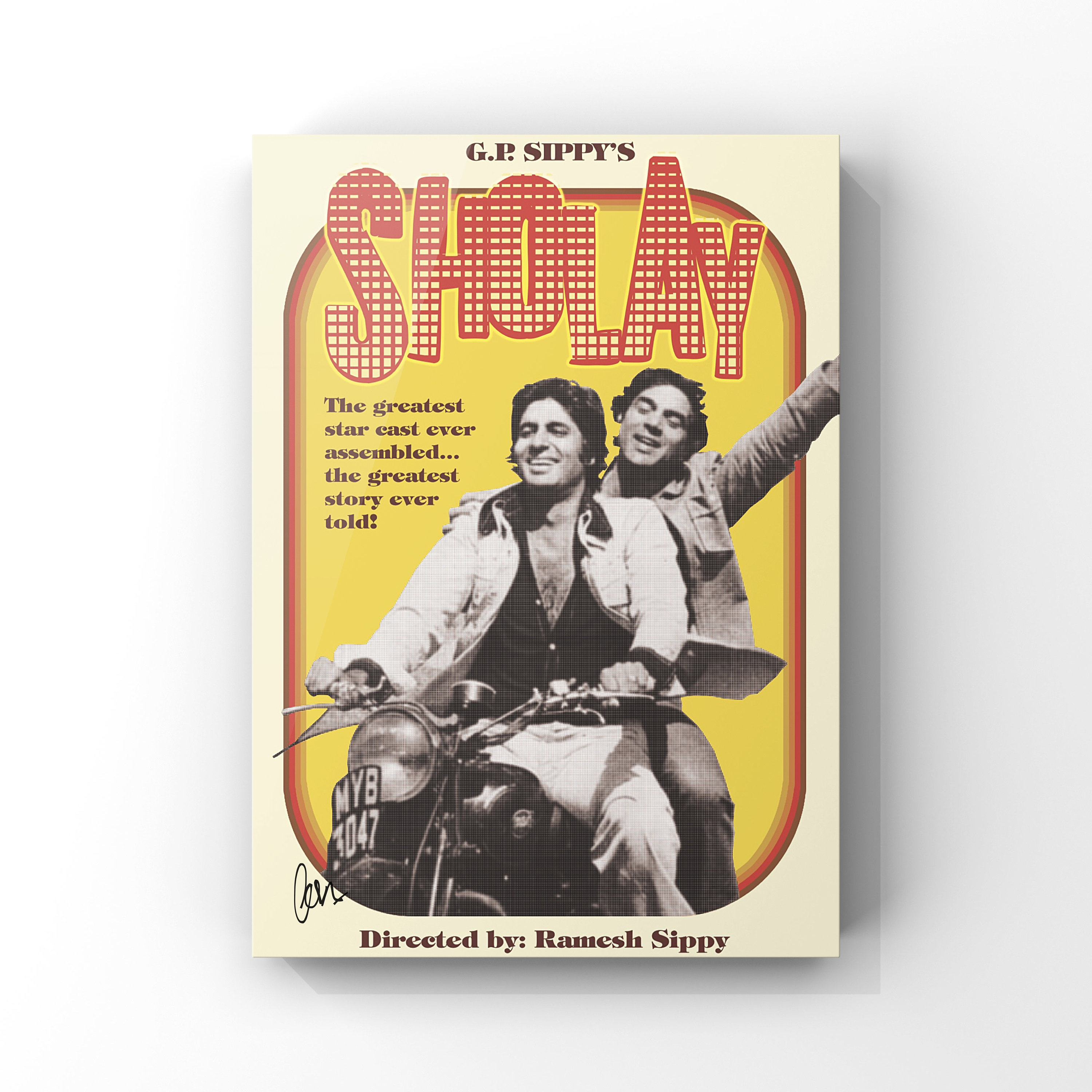
<b>Sholay (1975)</b><br>The ultimate 'Curry Western'. Defined the action genre and friendship tropes in India.
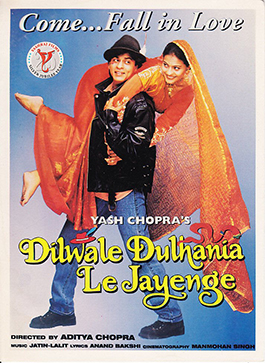
<b>DDLJ (1995)</b><br>Redefined romance. Balanced traditional family values with NRI (Non-Resident Indian) modern life.
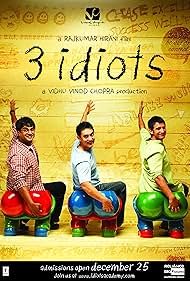
<b>3 Idiots (2009)</b><br>A critical look at the education system's pressure, wrapped in humor. Massive global success.
Indian Music: The 'Filmi' Phenomenon
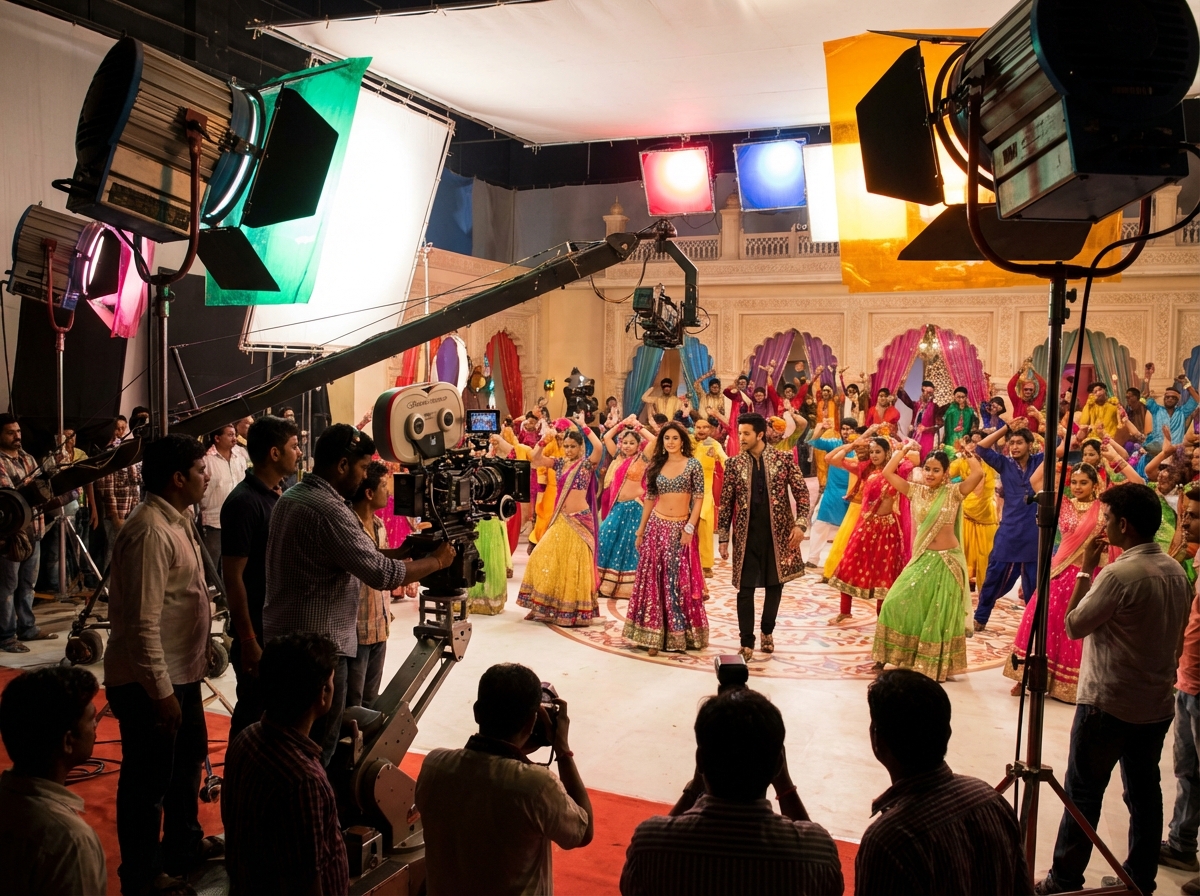
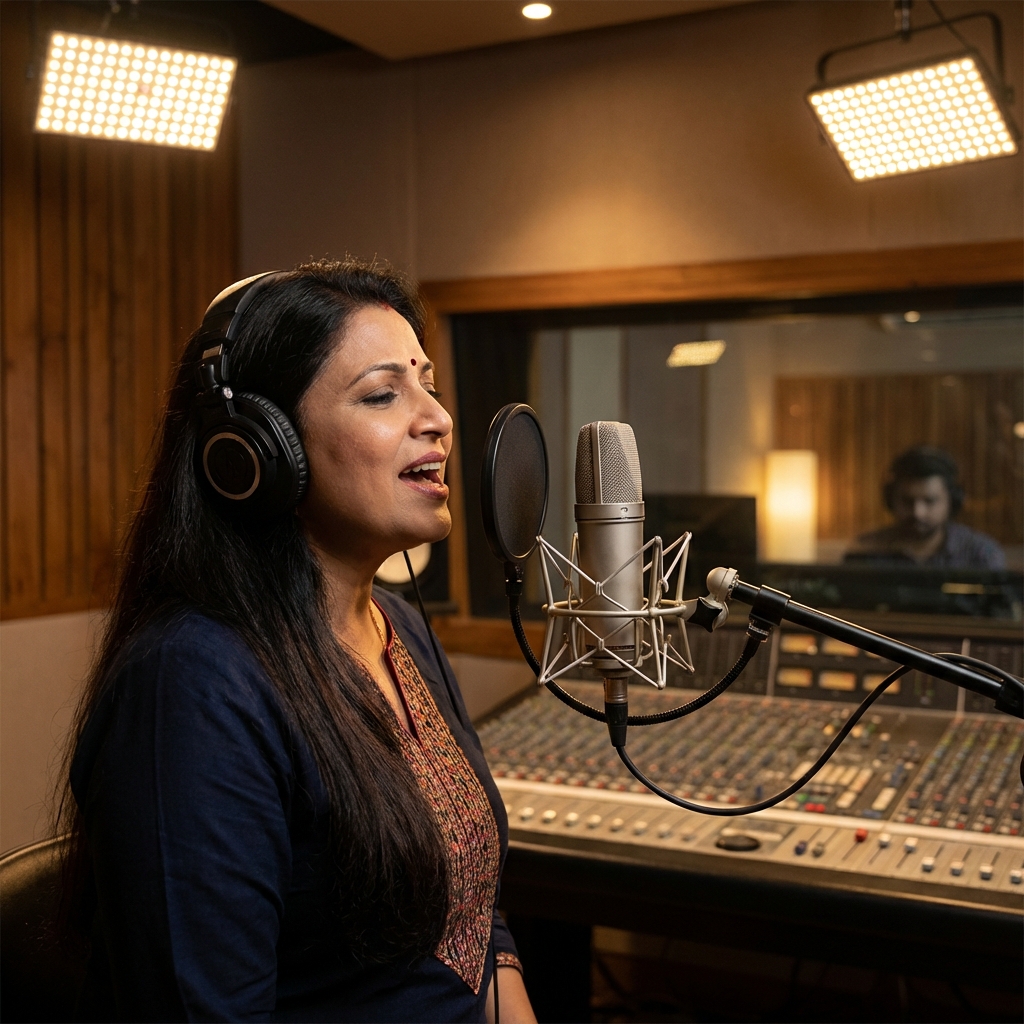
<ul><li><strong>Unusual Structure:</strong> Unlike the West, 80% of popular music in India comes directly from movie soundtracks.</li><li><strong>Playback Singers:</strong> The actors on screen don't sing. Famous audio stars (like Arijit Singh or Shreya Ghoshal) record the tracks.</li><li><strong>Visual Element:</strong> Songs are designed to be 'seen' as elaborate dance numbers.</li></ul>
Western Influence & Fusion
History of Adaptation -> Modern Fusion
<strong>R.D. Burman Era (70s/80s):</strong> Introduced disco beats and rock guitars to Hindi cinema.
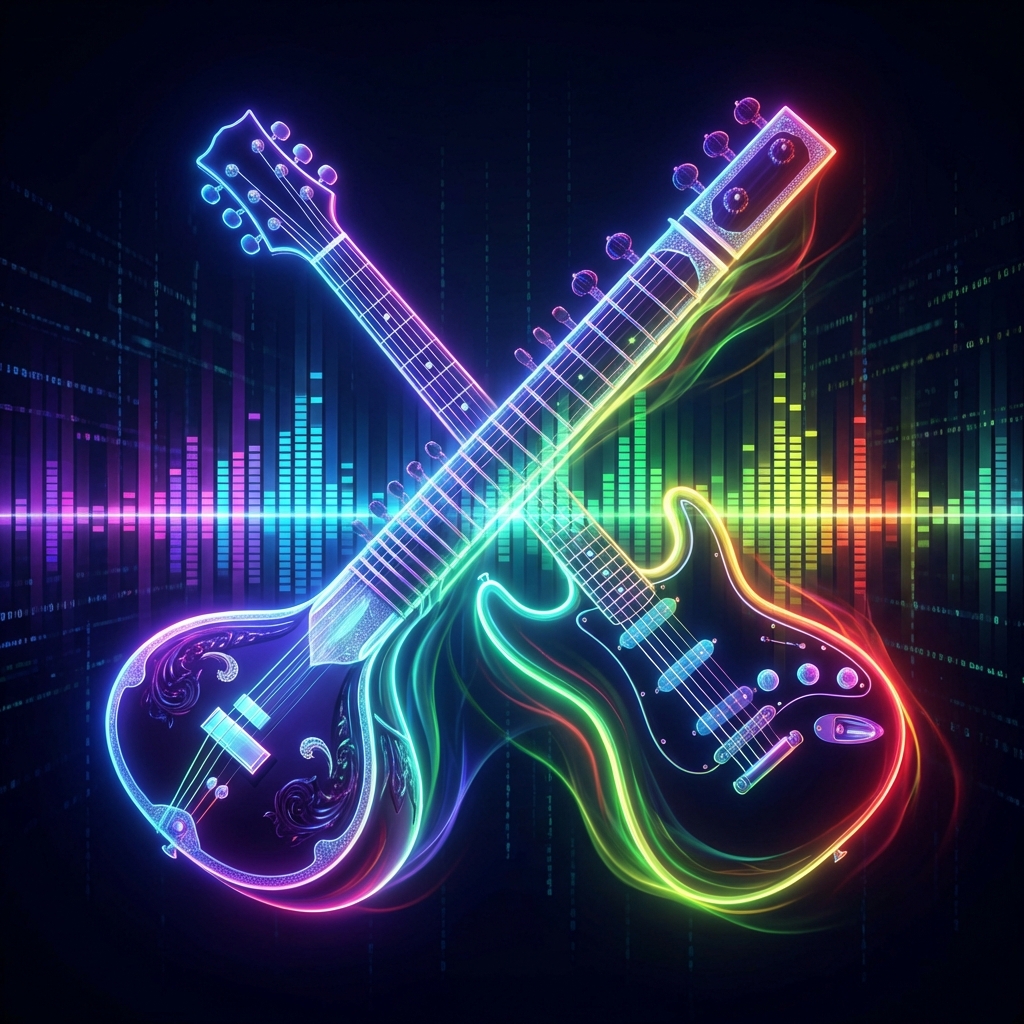
<strong>A.R. Rahman (90s-Present):</strong> Oscar winner who revolutionized sound by mixing electronic music with classical Indian Ragas.
<strong>Remix Culture:</strong> Modern trend of revamping old classics with rap verses (e.g., Badshah).
Unique Traits of Indian Pop Culture
Cricket as Religion
Not just a sport. Cricketers like Virat Kohli are bigger celebrities than movie stars.
The 'Big Fat Indian Wedding'
Weddings are multi-day festivals of consumption, fashion, and dance, heavily influenced by Bollywood aesthetics.
Modern Icons
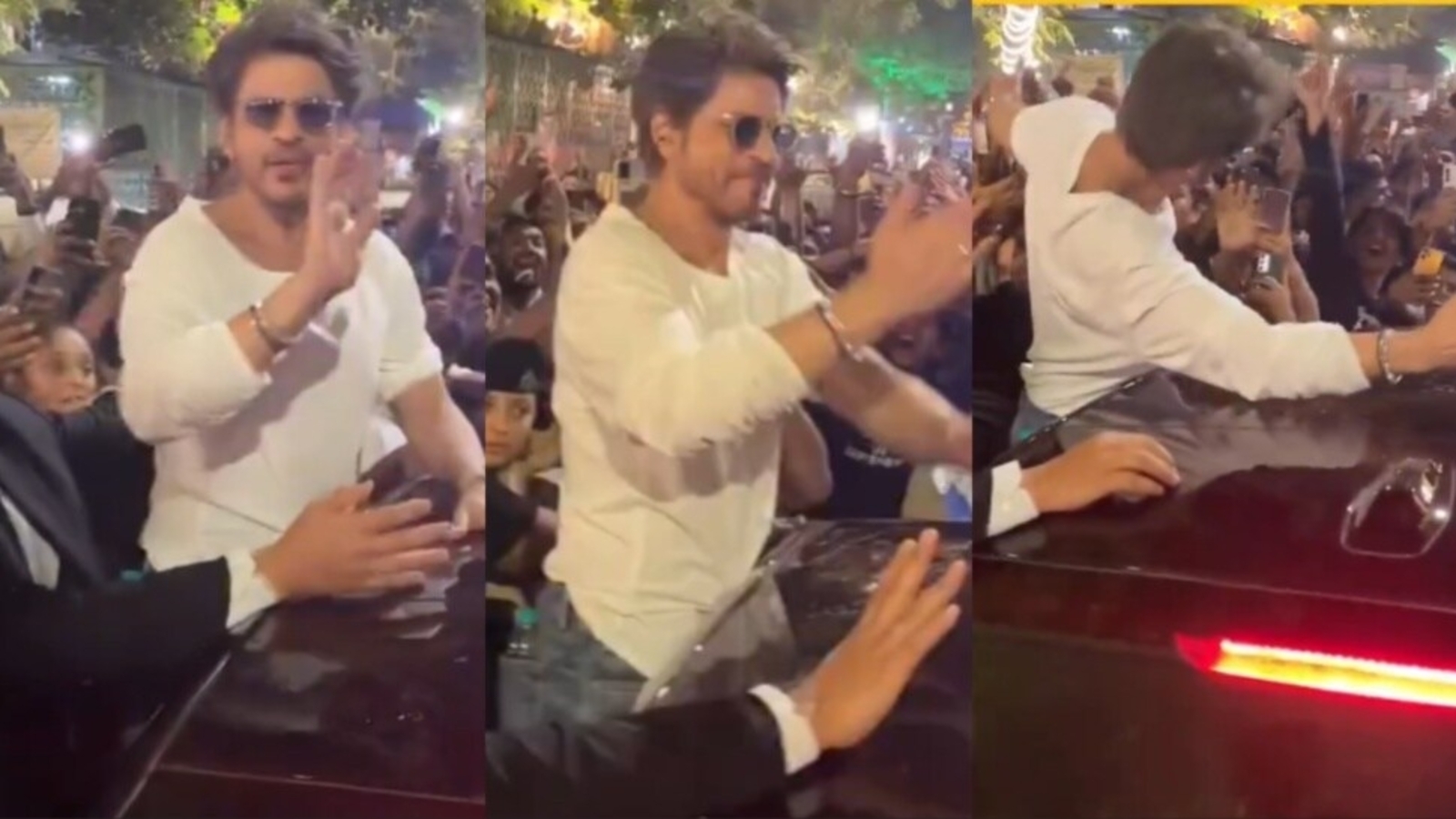
<strong>Shah Rukh Khan (SRK):</strong> The 'King of Bollywood'. Represents India's soft power globally. A symbol of romance and self-made success.
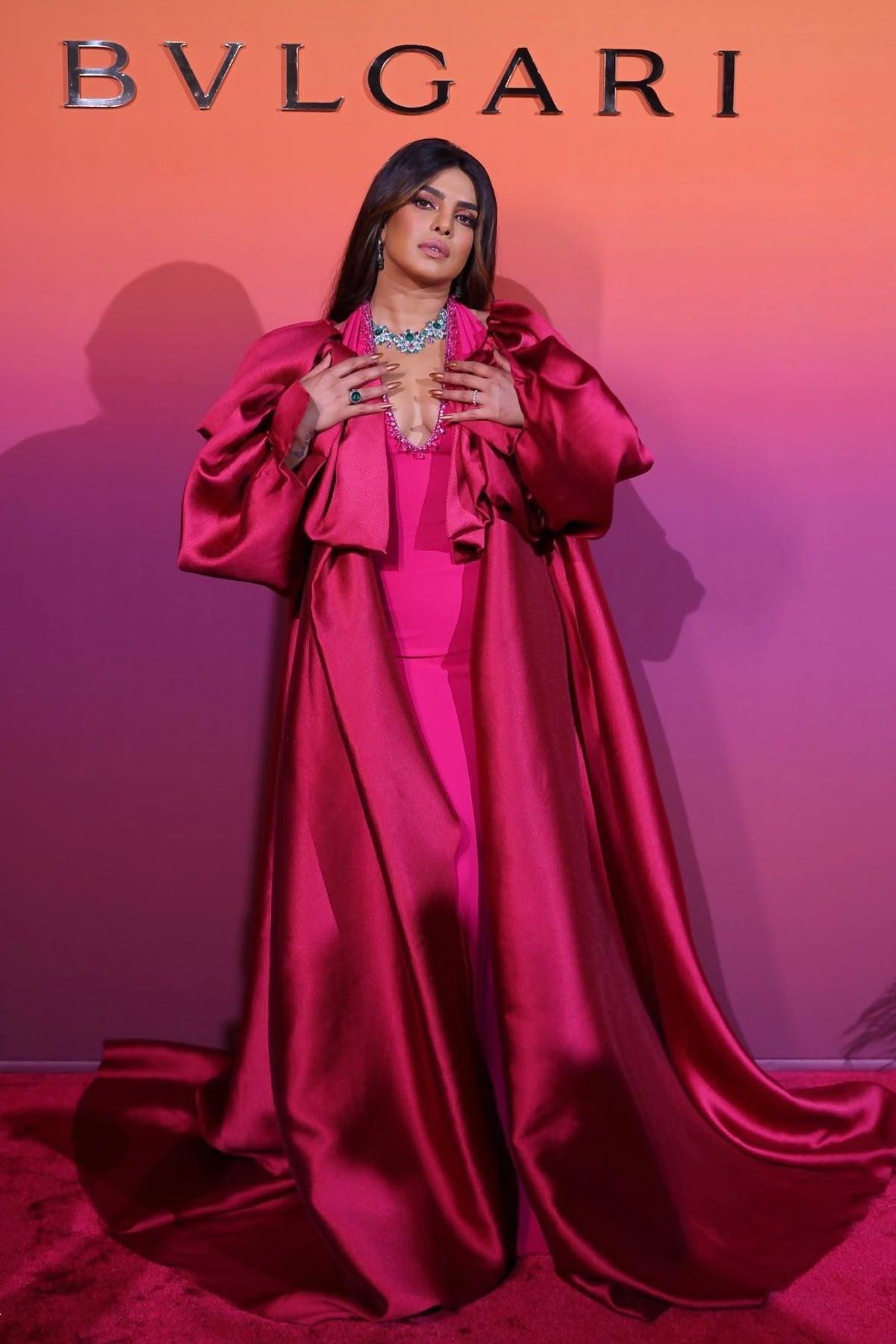
<strong>Priyanka Chopra Jonas:</strong> The crossover star. Moved from Bollywood to Hollywood, symbolizing the modern, global Indian woman.
Driver of Modern Culture: Digital Access
The explosion of affordable internet (Jio revolution) has decentralized pop culture. Trends now originate from small towns via Instagram Reels and YouTube, not just Mumbai studios.
Clash or Synthesis? Tradition vs. Modernity
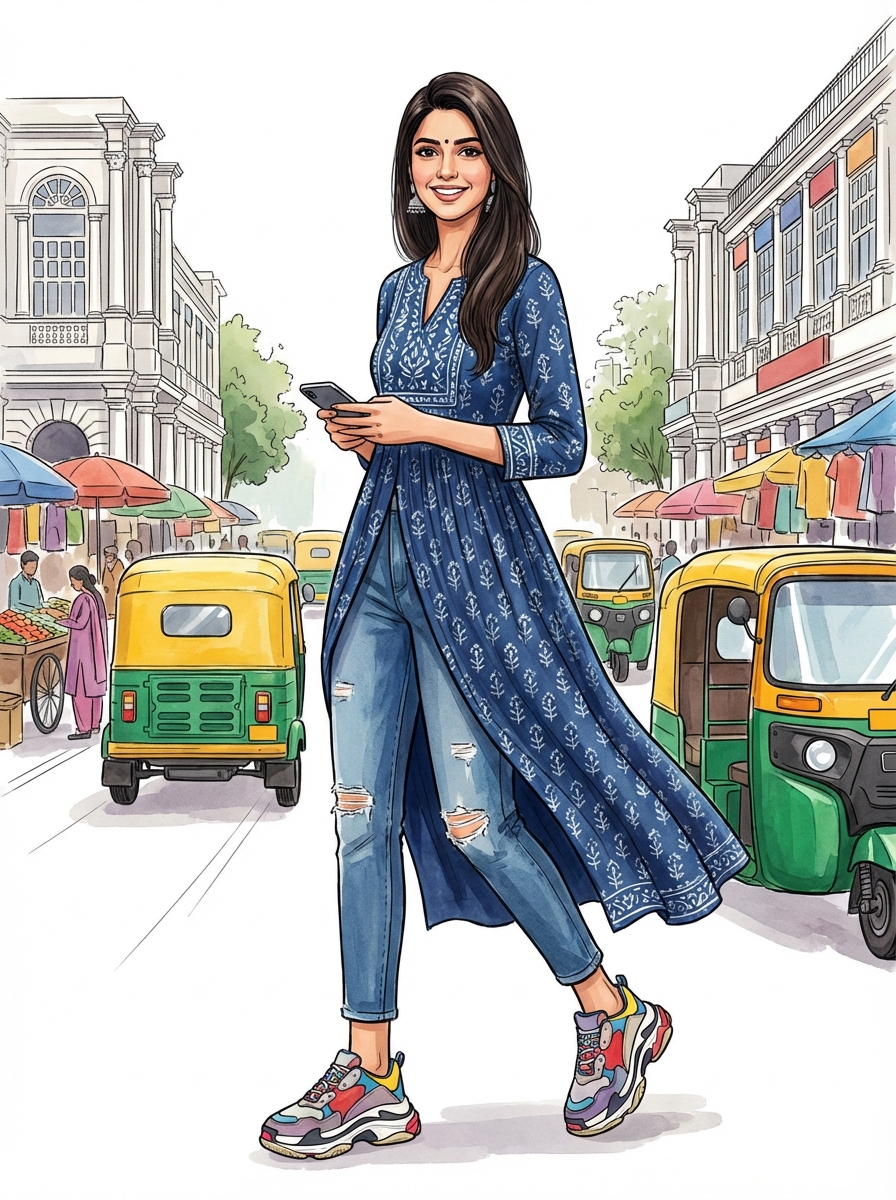
<strong>Indo-Western Fashion:</strong> The saree is now worn with crop tops, or Kurtas with jeans. It's not about replacing tradition, but remixing it.
<strong>Language (Hinglish):</strong> A fluid mix of Hindi and English is the new mother tongue of urban youth (e.g., 'Picture hit hai boss!').
<strong>Relationships:</strong> 'Love-cum-Arranged' marriages. Parents approve, but the couple dates first. Blending individual choice with family duty.
Key Takeaways
<ul><li>Bollywood is a global powerhouse driven by volume and star power (SRK, etc.).</li><li>Indian music and dance are inseparable from cinema.</li><li>Pop culture is deeply rooted in collective identity (Cricket, Weddings).</li><li>The future is a 'Fusion'—Hinglish, Indo-Western styles, and streaming digital content.</li></ul>
- bollywood
- indian-music
- pop-culture
- cricket
- digital-india
- shah-rukh-khan
- global-cinema
- cultural-trends