
Made byBobr AI

Aeronautics vs Astronautics: Aerospace Engineering Guide

Explore the differences between Aeronautics and Astronautics. Learn about aircraft, spacecraft, orbital mechanics, and the future of aerospace engineering.

#aerospace-engineering#aeronautics#astronautics#space-exploration#aircraft-design#orbital-mechanics#engineering-students
Watch
Pitch
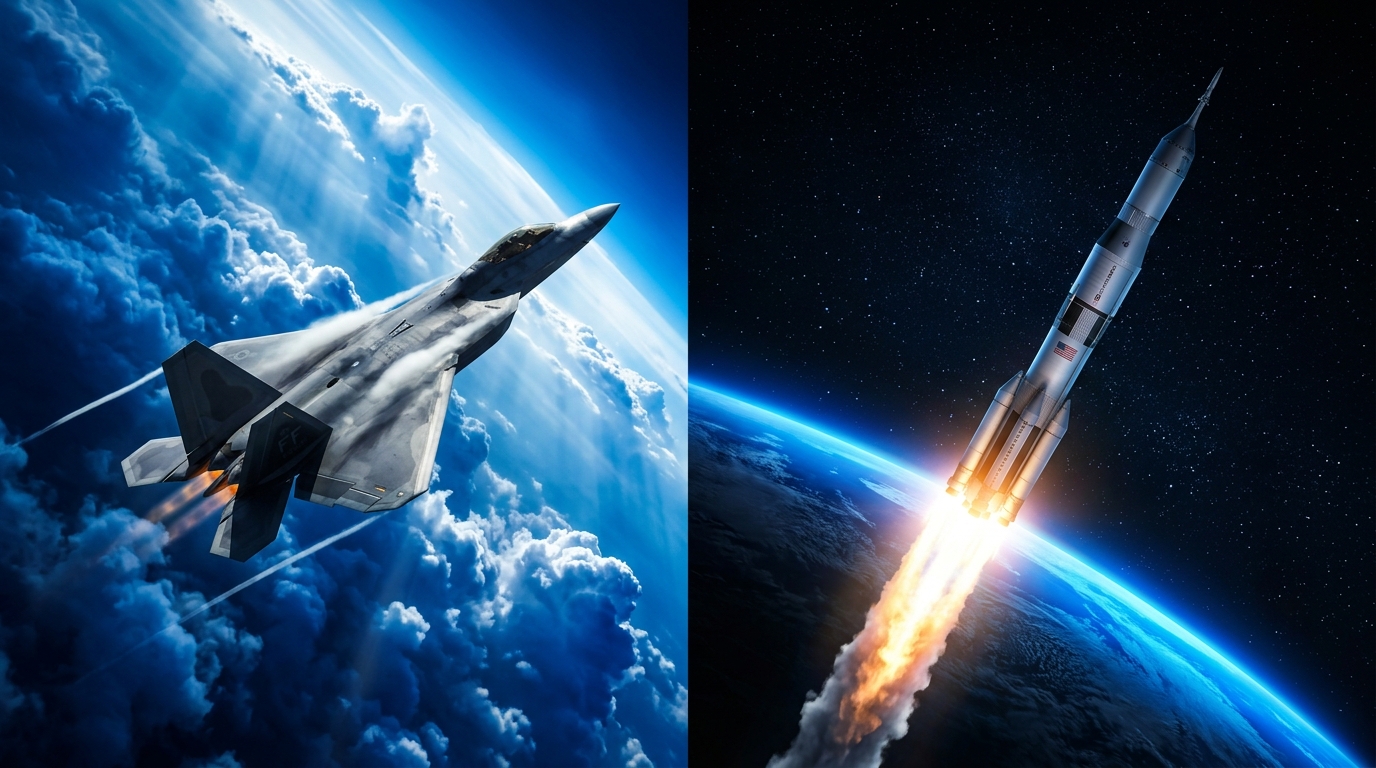
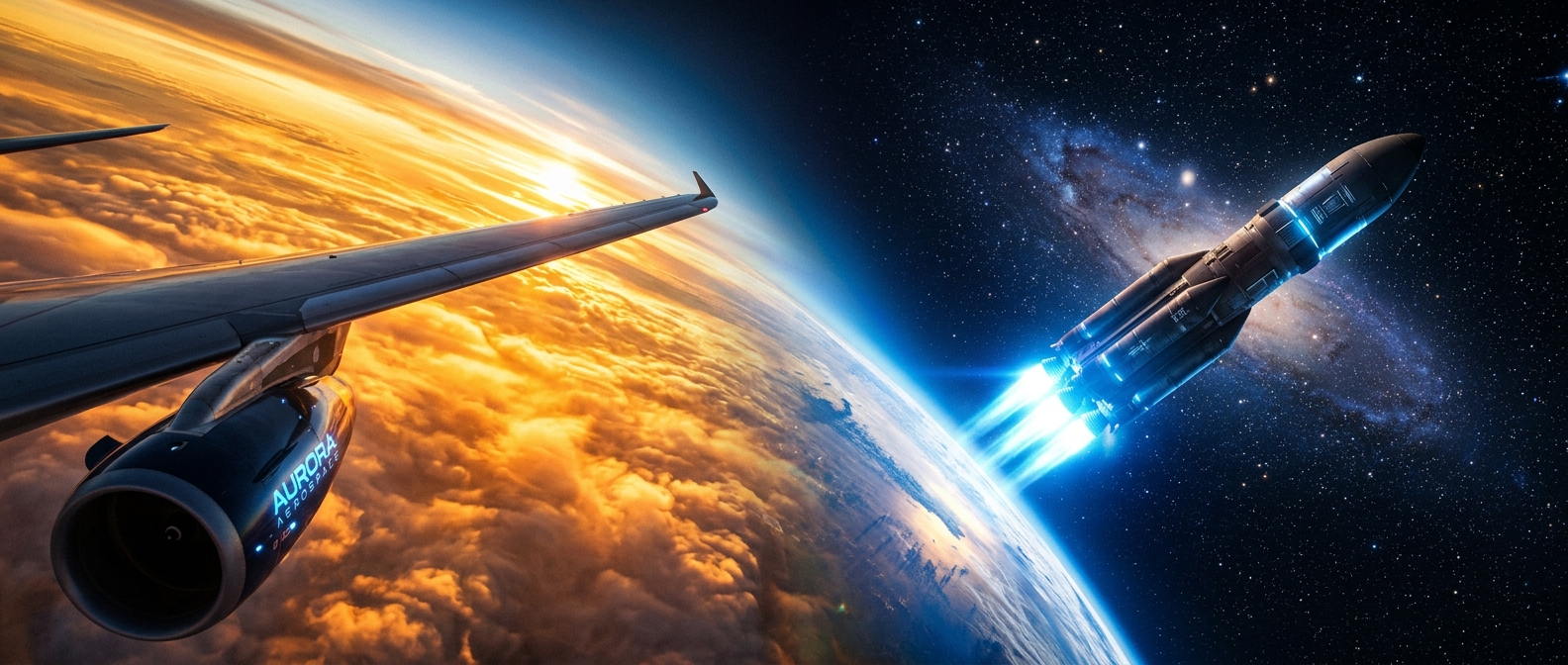
AERONAUTICS
VS
ASTRONAUTICS
Understanding the Two Pillars of Aerospace Engineering
Made byBobr AI
01 / INTRODUCTION
WHAT IS
AEROSPACE ENGINEERING?
Aerospace Engineering is the branch of engineering dedicated to the design, development, and operation of aircraft and spacecraft. It is divided into two interconnected disciplines:
โœˆ
AERONAUTICS
Flight within Earth's atmosphere
Aircraft โ€ข Helicopters โ€ข Drones โ€ข Jets
๐Ÿš€
ASTRONAUTICS
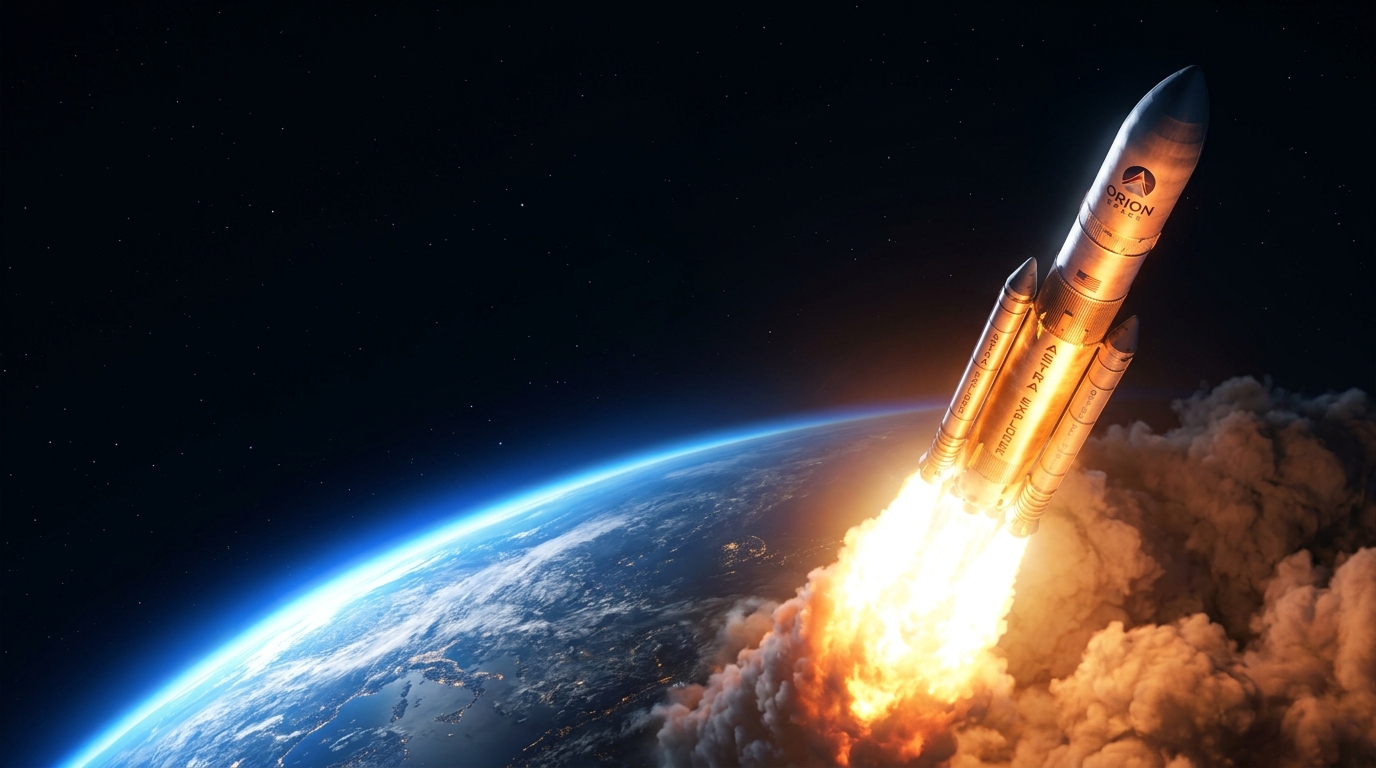
Flight beyond Earth's atmosphere
Rockets โ€ข Satellites โ€ข Spacecraft โ€ข Space Stations
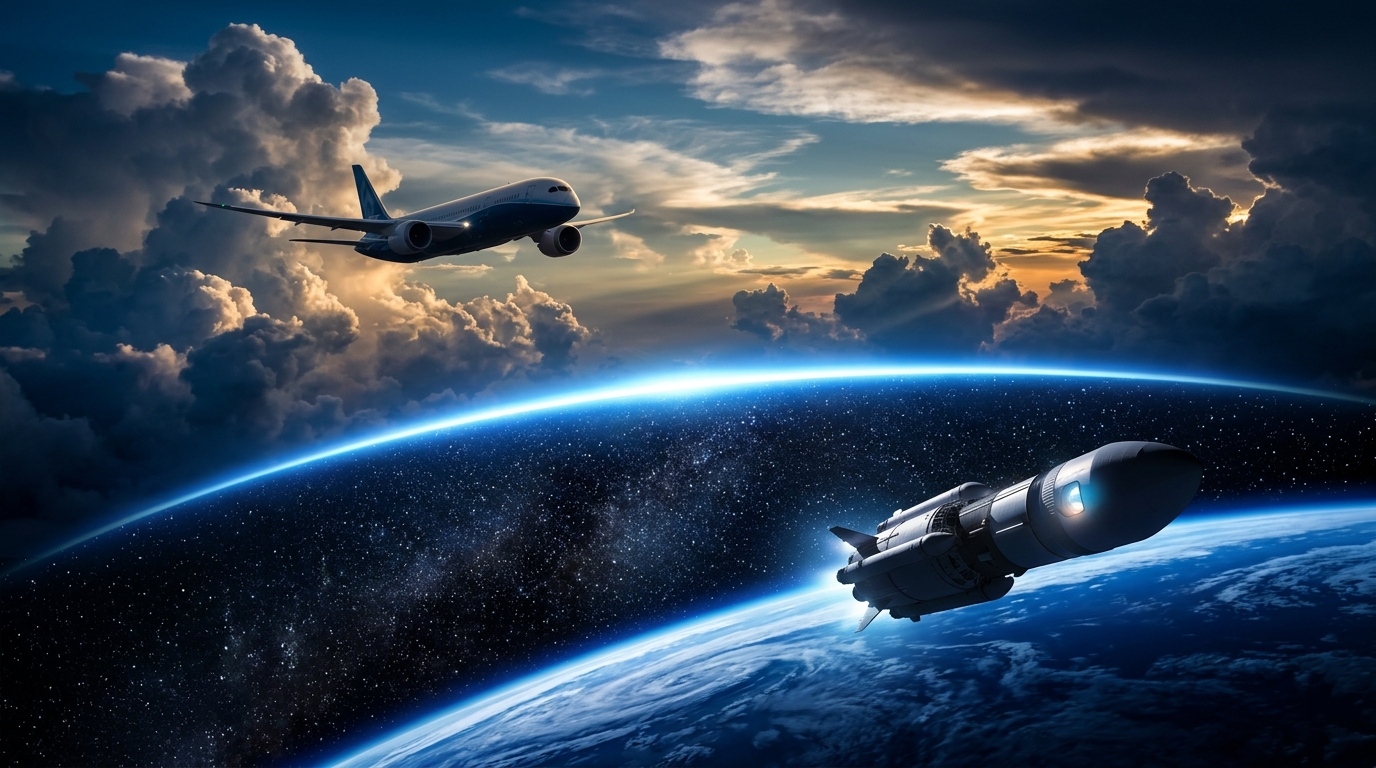
"Together, they form the complete science of flight โ€” from clouds to cosmos."
02
Made byBobr AI
CHAPTER INTRODUCTION
APPLICATIONS
AND IMPORTANCE
Aeronautics and astronautics play a major role in modern society.
They impact:
โ—†
Transportation
โ—†
Communication
โ—†
Defense
โ—†
Scientific Research
โ—†
Space Exploration
03
Made byBobr AI
02 / AERONAUTICS

AERONAUTICS โœˆ

The Science of Flight Within Earth's Atmosphere
๐Ÿ”ต DEFINITION
Study of flight mechanics, aerodynamics, and aircraft design within the atmosphere (0โ€“100 km altitude)
โœˆ VEHICLES
Commercial airliners, fighter jets, helicopters, drones, supersonic aircraft, gliders
โš™ KEY TECHNOLOGIES
Lift & drag principles, turbofan engines, fly-by-wire systems, composite materials, avionics
๐ŸŒ REAL EXAMPLES
Boeing 737, Airbus A380, F-22 Raptor, NASA X-57, Airbus Beluga
๐Ÿ”ข
FACT: Commercial aviation moves over 4.5 billion passengers per year worldwide
03
Made byBobr AI
04
03 / ASTRONAUTICS

ASTRONAUTICS

๐Ÿš€
The Science of Flight Beyond Earth's Atmosphere
๐ŸŸก DEFINITION
Study of spacecraft design, orbital mechanics, and space exploration above 100 km (Kรกrmรกn Line)
๐Ÿ›ฐ๏ธ VEHICLES
Launch vehicles, satellites, space probes, space stations, Mars rovers, crewed capsules
โš™๏ธ KEY TECHNOLOGIES
Rocket propulsion, orbital mechanics, re-entry heat shields, ion thrusters, life support systems
๐ŸŒŒ REAL EXAMPLES
SpaceX Falcon 9, NASA Artemis SLS, ISS, Hubble Telescope, Mars Perseverance Rover
๐Ÿ”ข
FACT: Over 9,000 active satellites currently orbit Earth โ€” a number growing by thousands each year
Made byBobr AI
04 / COMPARISON
KEY DIFFERENCES
A Structured Engineering Comparison
CATEGORY โœˆ AERONAUTICS ๐Ÿš€ ASTRONAUTICS
Environment Earth's atmosphere (0โ€“100 km) Outer space (100+ km)
Medium Air (uses lift & drag) Vacuum (no air resistance)
Vehicles Aircraft, jets, helicopters, drones Rockets, satellites, spacecraft
Speed Up to Mach 3+ 28,000+ km/h (orbital velocity)
Propulsion Jet engines, propellers Chemical rockets, ion thrusters
Key Challenge Aerodynamic efficiency Escaping Earth's gravity
Objective Fast, efficient air travel Exploration & orbit beyond Earth
05
Made byBobr AI
05 / SIMILARITIES
SHARED FOUNDATIONS
OF AEROSPACE
Two disciplines. One engineering language.
โšก
FLUID MECHANICS
Both rely on Bernoulli's principle and fluid behavior โ€” air or plasma
๐Ÿ“
STRUCTURAL ENGINEERING
Lightweight yet ultra-strong materials: titanium, carbon fiber composites, aluminum alloys
๐Ÿงฎ
MATHEMATICS & PHYSICS
Calculus, differential equations, thermodynamics, and control theory
๐Ÿ›ก๏ธ
SAFETY SYSTEMS
Redundant systems, failure mode analysis (FMEA), rigorous testing protocols
๐Ÿค–
AVIONICS & CONTROL
Navigation, autopilot, guidance systems used in both aircraft and spacecraft
๐ŸŒก๏ธ
THERMAL MANAGEMENT
Managing extreme heat โ€” jet engine exhaust and atmospheric re-entry
"Without aeronautics, we would never have learned to fly. Without astronautics, we would never have left."
06
Made byBobr AI
06 / REAL-WORLD EXAMPLES
FROM BLUEPRINT
TO REALITY
Landmark achievements in Aeronautics and Astronautics
โœˆ AERONAUTICS
๐Ÿ›ฉ
AIRBUS A380
World's largest commercial aircraft โ€” 555 passengers, 4 turbofan engines, 800+ km/h
โœˆ
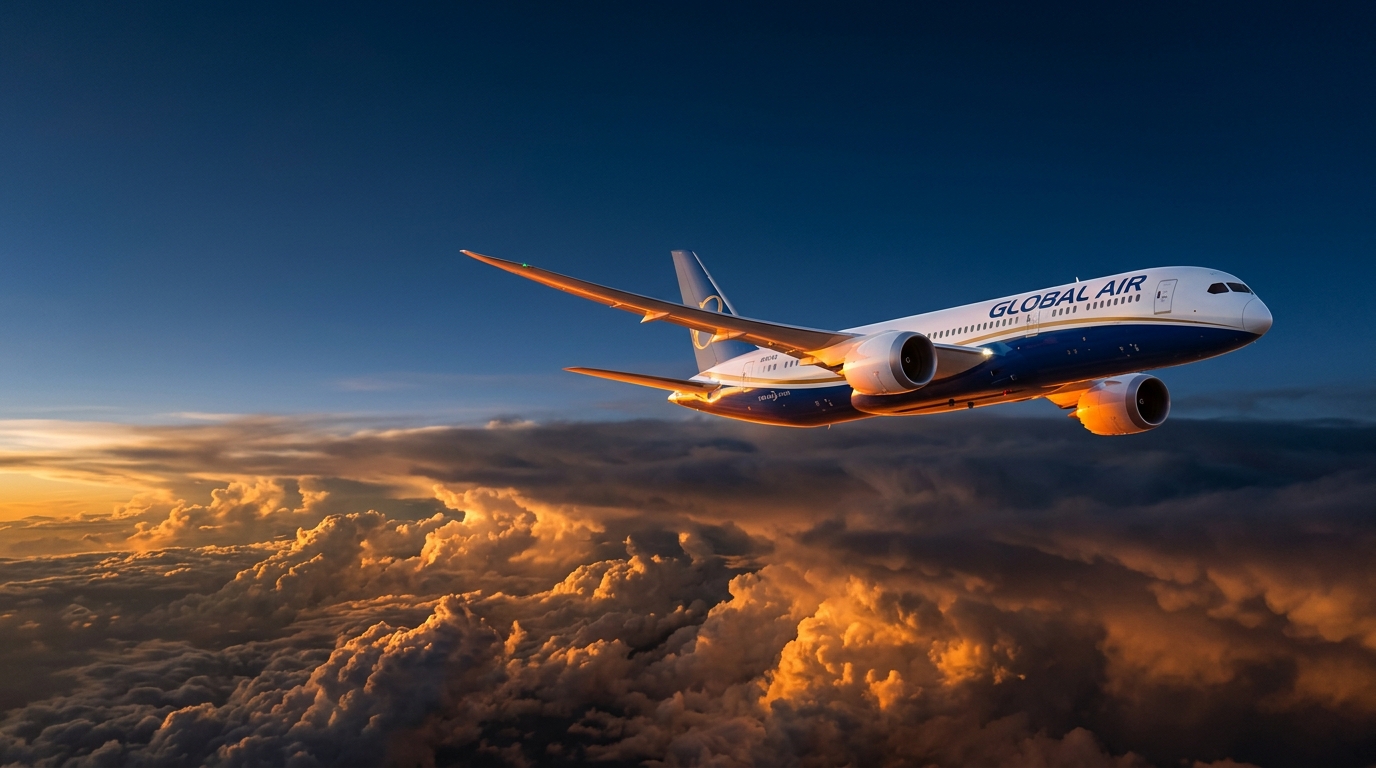
BOEING 787 DREAMLINER
50% composite materials, 20% more fuel-efficient, widebody long-haul innovation
โšก
F-22 RAPTOR
5th-gen stealth fighter jet โ€” Mach 2+, supercruise capability, fly-by-wire avionics
๐Ÿš€ ASTRONAUTICS
๐Ÿš€
SPACEX FALCON 9
World's first reusable orbital rocket โ€” 60+ missions, booster landing precision
๐Ÿ›ฐ
ISS โ€” International Space Station
400 km altitude, 28,000 km/h, 23+ years of continuous human presence in orbit
๐Ÿ”ญ
NASA ARTEMIS PROGRAM
Next Moon landing mission โ€” SLS rocket, Orion capsule, Lunar Gateway station
07
Made byBobr AI
07 / THE FUTURE
THE FUTURE OF
AEROSPACE ENGINEERING
Where innovation is taking both disciplines next
๐Ÿค–
ARTIFICIAL INTELLIGENCE IN AVIATION
AI-powered autopilot, predictive maintenance, air traffic management optimization
๐ŸŒฑ
SUSTAINABLE AVIATION
Hydrogen-powered aircraft, electric motors, SAF (Sustainable Aviation Fuel), zero-emission flight by 2050
๐Ÿš
AUTONOMOUS AIRCRAFT & DRONES
Urban Air Mobility (UAM), delivery drones, autonomous cargo aircraft by 2030
๐Ÿ”ด
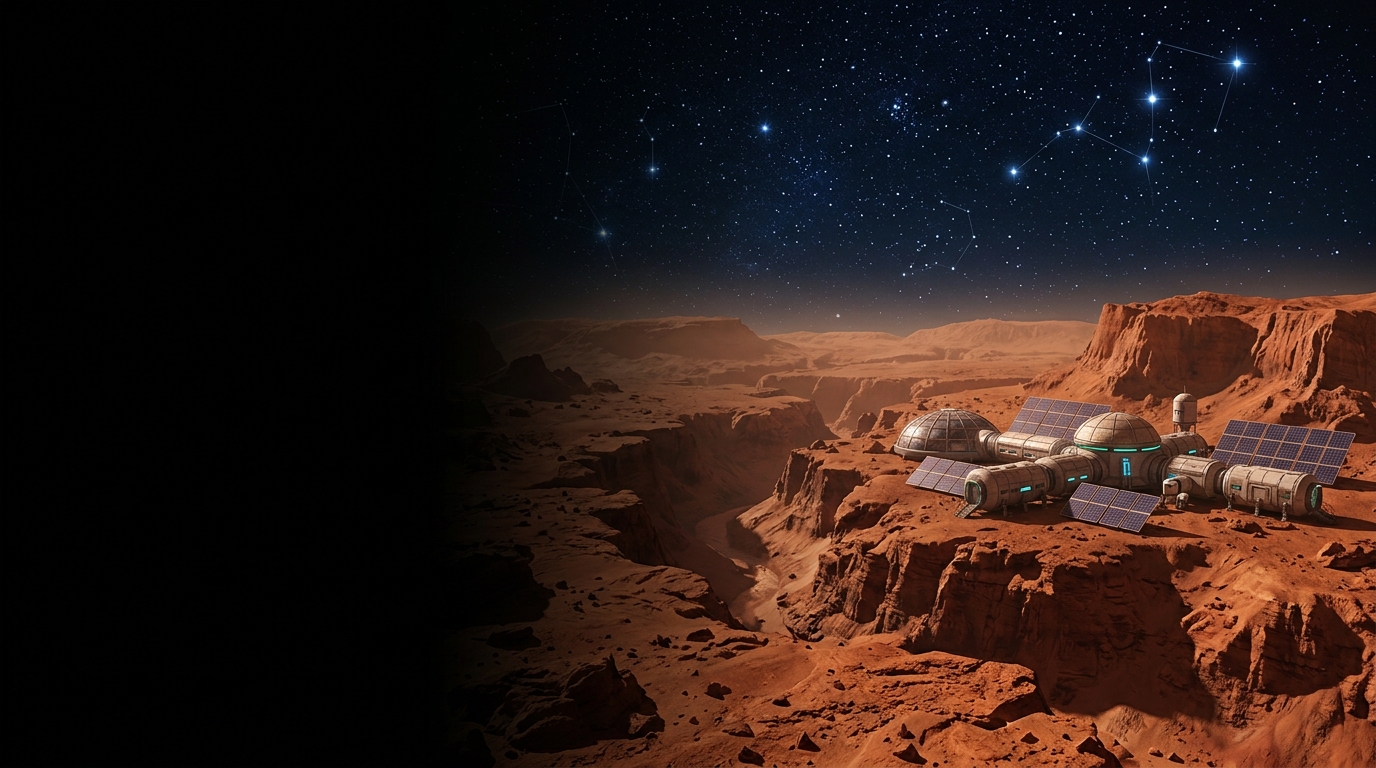
MARS EXPLORATION
SpaceX Starship Moon-Mars architecture, NASA's crewed Mars mission target: 2035โ€“2040
โšก
HYPERSONIC & SPACE TOURISM
Mach 5+ hypersonic travel, Virgin Galactic, Blue Origin โ€” commercial space era begins
The next generation of aerospace engineers will redefine the boundaries of human achievement.
08
Made byBobr AI
08 / CONCLUSION
TWO DISCIPLINES.
ONE MISSION.
Aeronautics and Astronautics โ€” the complete science of flight
โœˆ
AERONAUTICS
Masters flight within our atmosphere. Powers global transportation, defense, and exploration of our skies.
๐Ÿ”—
TOGETHER
Shared physics, mathematics, and engineering principles. Both push the frontier of human capability.
๐Ÿš€
ASTRONAUTICS
Conquers the void of space. Enables satellite communications, scientific discovery, and interplanetary travel.
Both fields are essential to the technological advancement of humanity
Engineering students today will become the designers of tomorrow's aerospace world
"The sky is not the limit โ€” it is just the beginning."
09
Made byBobr AI
ENGINEERING PROGRAM โ€” AEROSPACE STUDIES โ€” 2026
THANK YOU
Questions & Discussion Welcome
Presented by: [Student Name]
Engineering Program | Aerospace Engineering Class | 2026
Aeronautics & Astronautics โ€” The Complete Science of Flight
โœˆ From the Atmosphere to the Stars ๐Ÿš€
Made byBobr AI
Bobr AI

DESIGNER-MADE
PRESENTATION,
GENERATED FROM
YOUR PROMPT

Create your own professional slide deck with real images, data charts, and unique design in under a minute.

Generate For Free

Aeronautics vs Astronautics: Aerospace Engineering Guide

Explore the differences between Aeronautics and Astronautics. Learn about aircraft, spacecraft, orbital mechanics, and the future of aerospace engineering.

AERONAUTICS

VS

ASTRONAUTICS

Understanding the Two Pillars of Aerospace Engineering

01 / INTRODUCTION

AEROSPACE

Aerospace Engineering is the branch of engineering dedicated to the design, development, and operation of aircraft and spacecraft. It is divided into two interconnected disciplines:

AERONAUTICS

Flight within Earth's atmosphere

Aircraft โ€ข Helicopters โ€ข Drones โ€ข Jets

ASTRONAUTICS

Flight beyond Earth's atmosphere

Rockets โ€ข Satellites โ€ข Spacecraft โ€ข Space Stations

"Together, they form the complete science of flight โ€” from clouds to cosmos."

02

CHAPTER INTRODUCTION

APPLICATIONS

AND IMPORTANCE

Aeronautics and astronautics play a major role in modern society.

They impact:

Transportation

Communication

Defense

Scientific Research

Space Exploration

03

02 / AERONAUTICS

AERONAUTICS

The Science of Flight Within Earth's Atmosphere

DEFINITION

Study of flight mechanics, aerodynamics, and aircraft design within the atmosphere (0โ€“100 km altitude)

VEHICLES

Commercial airliners, fighter jets, helicopters, drones, supersonic aircraft, gliders

KEY TECHNOLOGIES

Lift & drag principles, turbofan engines, fly-by-wire systems, composite materials, avionics

REAL EXAMPLES

Boeing 737, Airbus A380, F-22 Raptor, NASA X-57, Airbus Beluga

Commercial aviation moves over 4.5 billion passengers per year worldwide

03

03 / ASTRONAUTICS

ASTRONAUTICS

The Science of Flight Beyond Earth's Atmosphere

DEFINITION

Study of spacecraft design, orbital mechanics, and space exploration above 100 km (Kรกrmรกn Line)

VEHICLES

Launch vehicles, satellites, space probes, space stations, Mars rovers, crewed capsules

KEY TECHNOLOGIES

Rocket propulsion, orbital mechanics, re-entry heat shields, ion thrusters, life support systems

REAL EXAMPLES

SpaceX Falcon 9, NASA Artemis SLS, ISS, Hubble Telescope, Mars Perseverance Rover

FACT: Over 9,000 active satellites currently orbit Earth โ€” a number growing by thousands each year

04

04 / COMPARISON

KEY DIFFERENCES

A Structured Engineering Comparison

CATEGORY

โœˆ AERONAUTICS

๐Ÿš€ ASTRONAUTICS

Environment

Earth's atmosphere (0โ€“100 km)

Outer space (100+ km)

Medium

Air (uses lift & drag)

Vacuum (no air resistance)

Vehicles

Aircraft, jets, helicopters, drones

Rockets, satellites, spacecraft

Speed

Up to Mach 3+

28,000+ km/h (orbital velocity)

Propulsion

Jet engines, propellers

Chemical rockets, ion thrusters

Key Challenge

Aerodynamic efficiency

Escaping Earth's gravity

Objective

Fast, efficient air travel

Exploration & orbit beyond Earth

05

05 / SIMILARITIES

SHARED

FOUNDATIONS

OF AEROSPACE

Two disciplines. One engineering language.

โšก

FLUID MECHANICS

Both rely on Bernoulli's principle and fluid behavior โ€” air or plasma

๐Ÿ“

STRUCTURAL ENGINEERING

Lightweight yet ultra-strong materials: titanium, carbon fiber composites, aluminum alloys

๐Ÿงฎ

MATHEMATICS & PHYSICS

Calculus, differential equations, thermodynamics, and control theory

๐Ÿ›ก๏ธ

SAFETY SYSTEMS

Redundant systems, failure mode analysis (FMEA), rigorous testing protocols

๐Ÿค–

AVIONICS & CONTROL

Navigation, autopilot, guidance systems used in both aircraft and spacecraft

๐ŸŒก๏ธ

THERMAL MANAGEMENT

Managing extreme heat โ€” jet engine exhaust and atmospheric re-entry

"Without aeronautics, we would never have learned to fly. Without astronautics, we would never have left."

06

06 / REAL-WORLD EXAMPLES

FROM BLUEPRINT

TO REALITY

Landmark achievements in Aeronautics and Astronautics

AERONAUTICS

AIRBUS A380

World's largest commercial aircraft โ€” 555 passengers, 4 turbofan engines, 800+ km/h

BOEING 787 DREAMLINER

50% composite materials, 20% more fuel-efficient, widebody long-haul innovation

F-22 RAPTOR

5th-gen stealth fighter jet โ€” Mach 2+, supercruise capability, fly-by-wire avionics

ASTRONAUTICS

SPACEX FALCON 9

World's first reusable orbital rocket โ€” 60+ missions, booster landing precision

ISS โ€” International Space Station

400 km altitude, 28,000 km/h, 23+ years of continuous human presence in orbit

NASA ARTEMIS PROGRAM

Next Moon landing mission โ€” SLS rocket, Orion capsule, Lunar Gateway station

07

07 / THE FUTURE

THE FUTURE OF

AEROSPACE

ENGINEERING

Where innovation is taking both disciplines next

๐Ÿค–

ARTIFICIAL INTELLIGENCE IN AVIATION

AI-powered autopilot, predictive maintenance, air traffic management optimization

๐ŸŒฑ

SUSTAINABLE AVIATION

Hydrogen-powered aircraft, electric motors, SAF (Sustainable Aviation Fuel), zero-emission flight by 2050

๐Ÿš

AUTONOMOUS AIRCRAFT & DRONES

Urban Air Mobility (UAM), delivery drones, autonomous cargo aircraft by 2030

๐Ÿ”ด

MARS EXPLORATION

SpaceX Starship Moon-Mars architecture, NASA's crewed Mars mission target: 2035โ€“2040

โšก

HYPERSONIC & SPACE TOURISM

Mach 5+ hypersonic travel, Virgin Galactic, Blue Origin โ€” commercial space era begins

The next generation of aerospace engineers will redefine the boundaries of human achievement.

08

08 / CONCLUSION

TWO DISCIPLINES.

ONE MISSION.

Aeronautics and Astronautics โ€” the complete science of flight

โœˆ

AERONAUTICS

Masters flight within our atmosphere. Powers global transportation, defense, and exploration of our skies.

๐Ÿ”—

TOGETHER

Shared physics, mathematics, and engineering principles. Both push the frontier of human capability.

๐Ÿš€

ASTRONAUTICS

Conquers the void of space. Enables satellite communications, scientific discovery, and interplanetary travel.

Both fields are essential to the technological advancement of humanity

Engineering students today will become the designers of tomorrow's aerospace world

"The sky is not the limit โ€” it is just the beginning."

09

ENGINEERING PROGRAM โ€” AEROSPACE STUDIES โ€” 2026

THANK YOU

Questions & Discussion Welcome

Presented by: [Student Name]

Engineering Program | Aerospace Engineering Class | 2026

Aeronautics & Astronautics โ€” The Complete Science of Flight

โœˆ From the Atmosphere to the Stars ๐Ÿš€