
Made byBobr AI

Marine Electrification Feasibility: Environmental & Economic

A deep dive into the feasibility of full electric propulsion for the Marcel Carné vessel, covering technical sizing, CO2 impact, CAPEX, and OPEX.

#marine-electrification#electric-propulsion#battery-sizing#feasibility-study#co2-reduction#lifepo4#maritime-sustainability
Watch
Pitch

5.2 Marine Electrification System

Feasibility Study for the 'Marcel Carné' Vessel

Made byBobr AI

System Architecture

Fully electric propulsion typically consists of an energy storage system (ESS/Battery) supplying DC power to an inverter, which converts it to AC for the electric motor driving the propeller. This eliminates local emissions and reduces noise.

Made byBobr AI

Operational Energy Demand

  • Worst-case scenario: June 16th (high traffic).
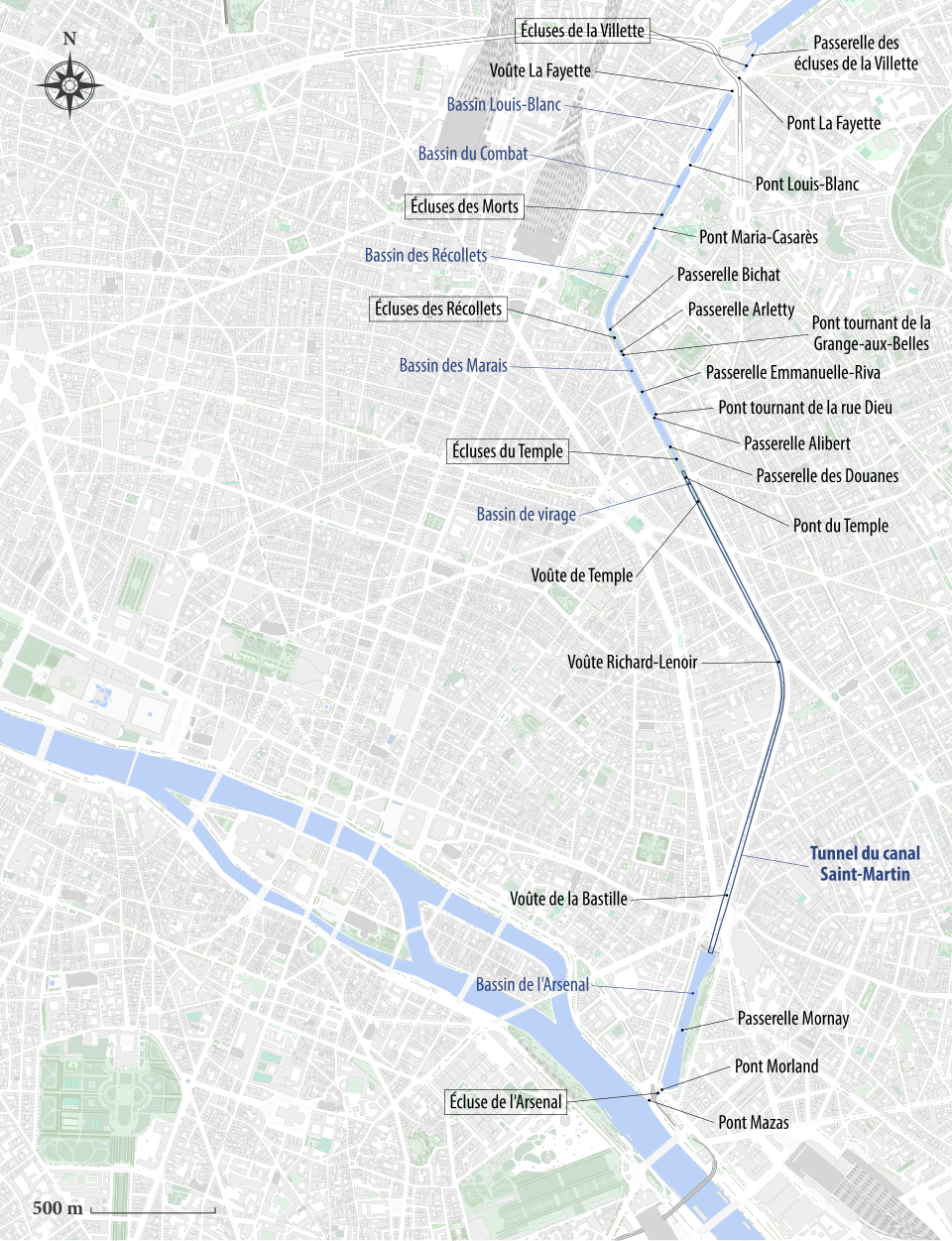
  • Route: Seine River loop + Extended Canal Saint-Martin route.
  • Total Energy Required (E_day): 209 kWh.
Made byBobr AI

Battery Capacity Sizing

To guarantee 209 kWh at the propeller with 95% system efficiency, 220 kWh must be drawn from the battery. Furthermore, to maximize battery life ( LiFePO4), we restrict operation to a 30%–90% SOC window (60% usable depth).

Formula

C_nom = C_usable / (SOC_max - SOC_min)
= 220 / 0.60
= 367 kWh → 380 kWh

Chart
Made byBobr AI

Configuration & Redundancy

The 380 kWh capacity is split equally between two independent propulsion lines (Port & Starboard). This preserves 'twin-screw redundancy': if one line fails, the other remains independently powered.

Made byBobr AI

Recharging Strategy: Assessment

Option A: Opportunity Charging (Rejected)

Charging between loops (15 mins) requires ~260 kW power. High thermal stress, accelerated battery aging, and costly quayside infrastructure (300 kW grid connection).

Option B: Overnight Charging (Selected)

Charging once daily during non-operational hours (night). Lower power requirement (30-60 kW), safer thermal management, and standard infrastructure costs.

Made byBobr AI

Battery System Characteristics

  • Technology: LiFePO4 (Lithium Iron Phosphate)
  • Estimated Mass: 1.9 – 3.5 tonnes
  • Estimated Volume: 1.16 – 2.7 m³
  • Cycle Life: 2,000 – 7,000 cycles (~12.5 years)
Made byBobr AI

Emissions Performance (CO2)

Chart

Including production and grid mix, the electric solution offers a ~89% reduction in daily operational carbon footprint (10.5 vs 96.5 kg CO2-eq).

Made byBobr AI

Financial Analysis: CAPEX

  • Vessel Investment (~200 k€): estimated at 525 €/kWh.
    • Battery System: ~350 €/kWh (~133 k€).
    • Propulsion Components: +50% factor (~67 k€).

  • Infrastructure Investment (~50 k€):
    • Single low-power DC charging point.
    • Includes hardware and quay-side integration.

  • Total CAPEX: ~250 k€
Chart
Made byBobr AI

Financial Analysis: OPEX

  • Electricity Cost: 0.16 – 0.19 €/kWh (French business rate).
  • Daily Recharge: ~220 kWh / day.
  • Annual Energy Cost: ~13,300 € / year.
Made byBobr AI

Conclusion & Recommendation

Pros

Excellent environmental performance (lowest emissions).

Cons

High CAPEX (250 k€), significant battery weight/volume, and non-negligible OPEX.

VERDICT

NOT SELECTED. Due to economic and integration constraints, full electric propulsion is not the preferred solution for the Marcel Carné at this time, though it remains a relevant long-term option.

Made byBobr AI
Bobr AI

DESIGNER-MADE
PRESENTATION,
GENERATED FROM
YOUR PROMPT

Create your own professional slide deck with real images, data charts, and unique design in under a minute.

Generate For Free

Marine Electrification Feasibility: Environmental & Economic

A deep dive into the feasibility of full electric propulsion for the Marcel Carné vessel, covering technical sizing, CO2 impact, CAPEX, and OPEX.

5.2 Marine Electrification System

Feasibility Study for the 'Marcel Carné' Vessel

System Architecture

Fully electric propulsion typically consists of an energy storage system (ESS/Battery) supplying DC power to an inverter, which converts it to AC for the electric motor driving the propeller. This eliminates local emissions and reduces noise.

Operational Energy Demand

Worst-case scenario: June 16th (high traffic).

Route: Seine River loop + Extended Canal Saint-Martin route.

Total Energy Required (E_day): 209 kWh.

Battery Capacity Sizing

To guarantee 209 kWh at the propeller with 95% system efficiency, 220 kWh must be drawn from the battery. Furthermore, to maximize battery life ( LiFePO4), we restrict operation to a 30%–90% SOC window (60% usable depth).

Configuration & Redundancy

The 380 kWh capacity is split equally between two independent propulsion lines (Port & Starboard). This preserves 'twin-screw redundancy': if one line fails, the other remains independently powered.

Recharging Strategy: Assessment

Option A: Opportunity Charging (Rejected)

Charging between loops (15 mins) requires ~260 kW power. High thermal stress, accelerated battery aging, and costly quayside infrastructure (300 kW grid connection).

Option B: Overnight Charging (Selected)

Charging once daily during non-operational hours (night). Lower power requirement (30-60 kW), safer thermal management, and standard infrastructure costs.

Battery System Characteristics

Technology: LiFePO4 (Lithium Iron Phosphate)

Estimated Mass: 1.9 – 3.5 tonnes

Estimated Volume: 1.16 – 2.7 m³

Cycle Life: 2,000 – 7,000 cycles (~12.5 years)

Emissions Performance (CO2)

Including production and grid mix, the electric solution offers a ~89% reduction in daily operational carbon footprint (10.5 vs 96.5 kg CO2-eq).

Financial Analysis: CAPEX

<ul><li><strong>Vessel Investment (~200 k€):</strong> estimated at 525 €/kWh.<ul><li>Battery System: ~350 €/kWh (~133 k€).</li><li>Propulsion Components: +50% factor (~67 k€).</li></ul></li><br><li><strong>Infrastructure Investment (~50 k€):</strong><ul><li>Single low-power DC charging point.</li><li>Includes hardware and quay-side integration.</li></ul></li><br><li><strong>Total CAPEX: ~250 k€</strong></li></ul>

Financial Analysis: OPEX

Electricity Cost: 0.16 – 0.19 €/kWh (French business rate).

Daily Recharge: ~220 kWh / day.

Annual Energy Cost: ~13,300 € / year.

Conclusion & Recommendation

Excellent environmental performance (lowest emissions).

High CAPEX (250 k€), significant battery weight/volume, and non-negligible OPEX.

NOT SELECTED. Due to economic and integration constraints, full electric propulsion is not the preferred solution for the Marcel Carné at this time, though it remains a relevant long-term option.

  • marine-electrification
  • electric-propulsion
  • battery-sizing
  • feasibility-study
  • co2-reduction
  • lifepo4
  • maritime-sustainability