






Family-Centered Nursing Care: Holistic Health Case Study
Explore nursing interventions for family health, covering cystic fibrosis, mental health support, pediatric anxiety, and holistic clinical management.
Diverse Perspectives: Health and Wellbeing in the Family
A Case Study Analysis of Nursing Interventions and Holistic Care
Student Nurse Presentation | Module: Family Health
Case Study Overview: The Family Profile
<b>Sophie (Age 34):</b> Cystic Fibrosis (CF). Corporate career. Needs strict biomedical management.
<b>Claire (Age 32):</b> Low mood/Insomnia. Teacher. Needs biopsychosocial support.
<b>Daniel (Age 6):</b> Anxiety & separation issues. Needs developmental approach.
<b>Ella (Age 10):</b> Epilepsy & Intellectual Disability. Needs functional & caregiver support.
Q1: Differing Definitions of Health & Wellbeing
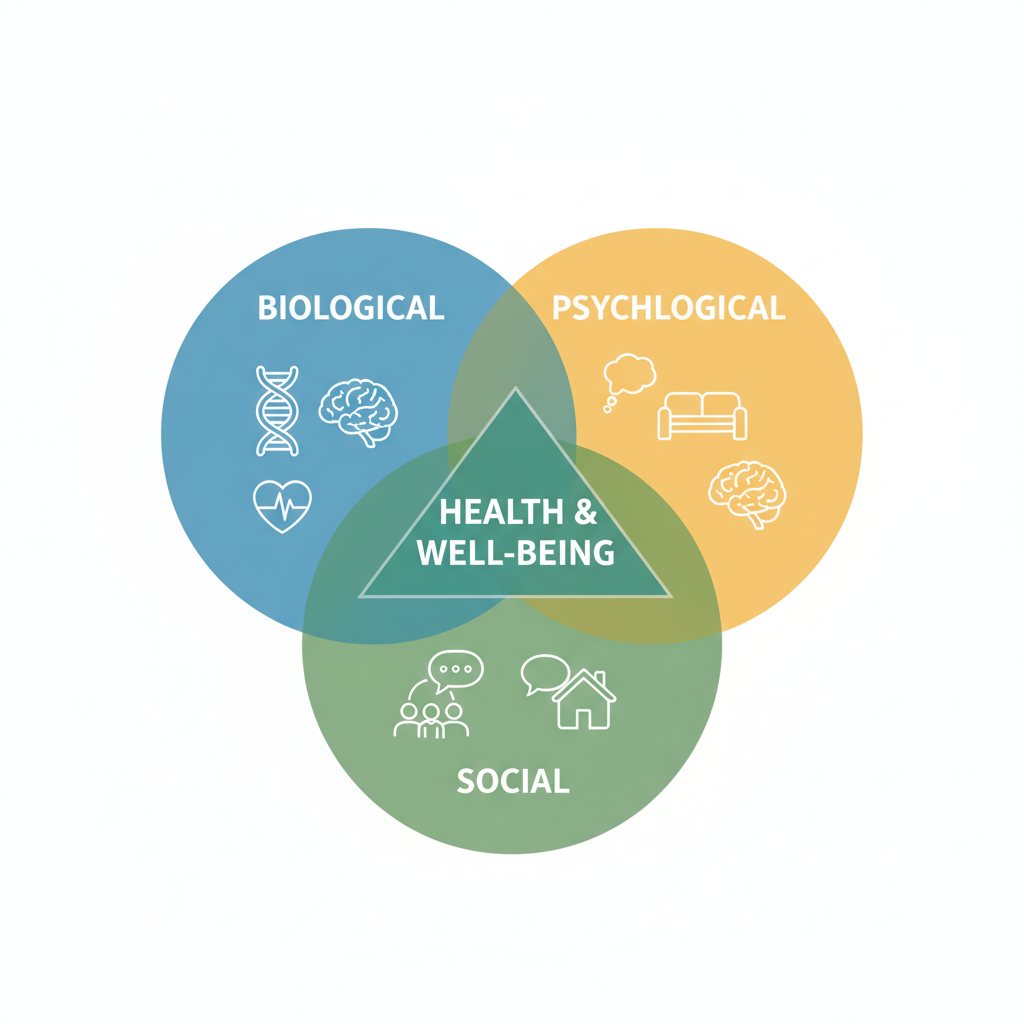
Sophie (Cystic Fibrosis): Biomedical model focus. Priorities: Disease management, adherence, life expectancy.
Claire (Low Mood): Biopsychosocial model focus. Priorities: Emotional health, sleep, stress management, work-life balance.
Daniel & Ella: Developmental & Functional perspectives. Focus on resilience, inclusion, and caregiver burden.
Limitation of WHO Definition: 'State of complete physical, mental and social well-being' is idealistic and may not fit chronic conditions.
Q2: Socioeconomic Context (Stevenage)
<ul><li><b>Financial Disparity:</b> Teacher vs. Corporate income gap creates varying access to private resources.</li><li><b>Location Factors:</b> Stevenage, Hertfordshire. Access to NHS specialist clinics, housing costs, and school support.</li><li><b>Social Isolation:</b> Limited extended family nearby. Heavy reliance on friends, impacted by Ella's care needs.</li></ul>
Q2: Political & Policy Influences
NHS Funding & Availability: Direct impact on Cystic Fibrosis clinics and Mental Health waitlists (CAMHS).
Disability Benefits: Assessments for Ella affect household income and caregiver stress.
Education Policy: SEND (Special Educational Needs and Disability) support availability for Daniel and Ella.
Workplace Culture: Corporate policies on flexible working for Sophie's health management.
Q3: Intervention for Claire (Low Mood)
<b>Presenting Issues:</b> Insomnia, headaches, palpitations (anxiety/depression symptoms).
<b>Primary Intervention:</b> Cognitive Behavioral Therapy (CBT) Referral.
<ul><li>Assessment using validated tools (GAD-7 for anxiety, PHQ-9 for depression).</li><li>Active listening and validation of feelings.</li><li>Patient education on sleep hygiene and stress.</li></ul>
Q4: Medication Management for Sophie
Drug: Ivacaftor (CFTR Potentiator)
<ul><li><b>Adherence:</b> Essential for efficacy. Barriers include cost, complexity, and busy career lifestyle.</li><li><b>Side Effects:</b> Monitoring needed for liver function (ALT/AST) and potential cataracts.</li><li><b>Pharmacokinetics:</b> Altered in CF patients; dose adjustments required based on interactions (e.g., CYP3A inhibitors).</li></ul>
Q5: Assessing Daniel's Mental Health
Observation: Separation anxiety, bedwetting, behavioral regression.
Nursing Approach:
<ul><li><b>Trauma-Informed Care:</b> Understanding the impact of family stress (Ella's condition) on Daniel.</li><li><b>Communication:</b> Use age-appropriate language and play-based assessment.</li><li><b>Collaboration:</b> Involve school nurses and parents to build a consistent support plan.</li></ul>
Q6: Monitoring Deterioration (Ella)
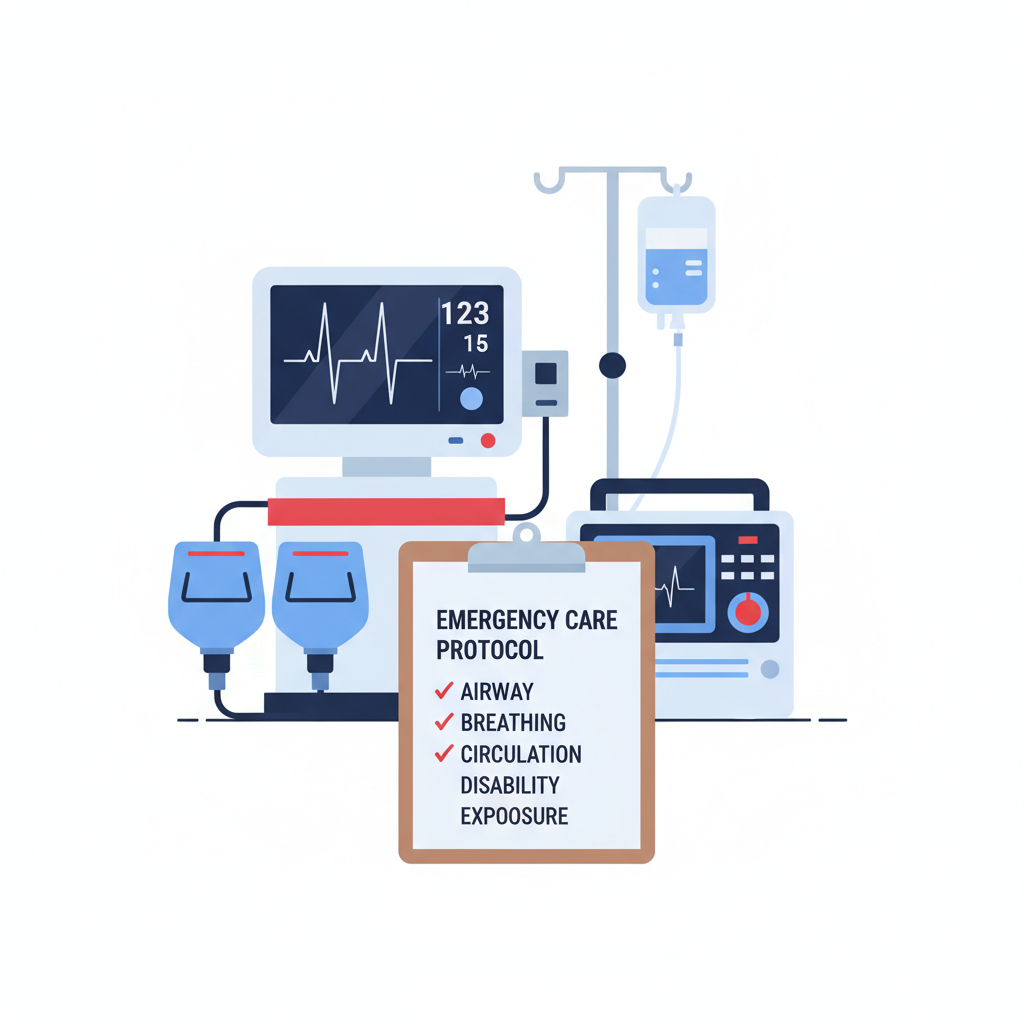
<b>Signs of Deterioration:</b><br>- Increased seizure frequency or severity.<br>- Reduced responsiveness/awareness.<br>- Breathing difficulties or feeding issues.
<b>Nursing Decisions:</b><br>- ABCDE Assessment.<br>- Emergency medication administration (e.g., Buccal midazolam).<br>- Urgent physician consultation.<br>- Support/Education for caregivers.
Q7: Holistic Family Support & The Nurse's Role
<ul><li><b>Family-Centered Care:</b> Treating the family unit, not just the condition. Recognizing interconnected health issues.</li><li><b>Advocacy:</b> ensuring access to resources and benefits.</li><li><b>Challenges:</b> Managing conflicting needs, time constraints, and emotional toll.</li><li><b>Strategy:</b> Collaborative care planning, cultural sensitivity, and professional self-care.</li></ul>
References & Conclusion
<ul><li>British National Formulary (BNF). (2024). Ivacaftor.</li><li>National Institute for Health and Care Excellence (NICE). (2023). Depression in adults: treatment and management.</li><li>Public Health England. (2023). Health inequalities: place-based approaches.</li><li>World Health Organization (WHO). (2020). Standards for improving quality of care for children.</li></ul>
- nursing-care
- family-health
- case-study
- cystic-fibrosis
- holistic-care
- pediatric-nursing
- mental-health-intervention