


Klimaneutraler Ladepark Kamener Kreuz: Szenario 2045
Optimierung eines klimaneutralen Ladeparks am Kamener Kreuz durch Wind, PV und Tesla Megapacks. Technische Analyse und Wirtschaftlichkeit bis 2045.
Optimierung eines klimaneutralen Ladeparks am Kamener Kreuz
Bachelor Fahrzeugentwicklung: Energie & Ressourcen – Szenarienanalyse bis 2045
Wintersemester 2025/2026
Agenda
<ul style="font-size:36px; line-height:1.6; color:#334155;"><li>Fragestellung & Zielsetzung</li><li>Standortanalyse Kamener Kreuz</li><li>Methodik & Szenario-Modellierung</li><li>Technische Auslegung (2045)</li><li>Wirtschaftlichkeit & CO2-Bilanz</li><li>Fazit und Handlungsempfehlung</li></ul>
Standortanalyse: Kamener Kreuz
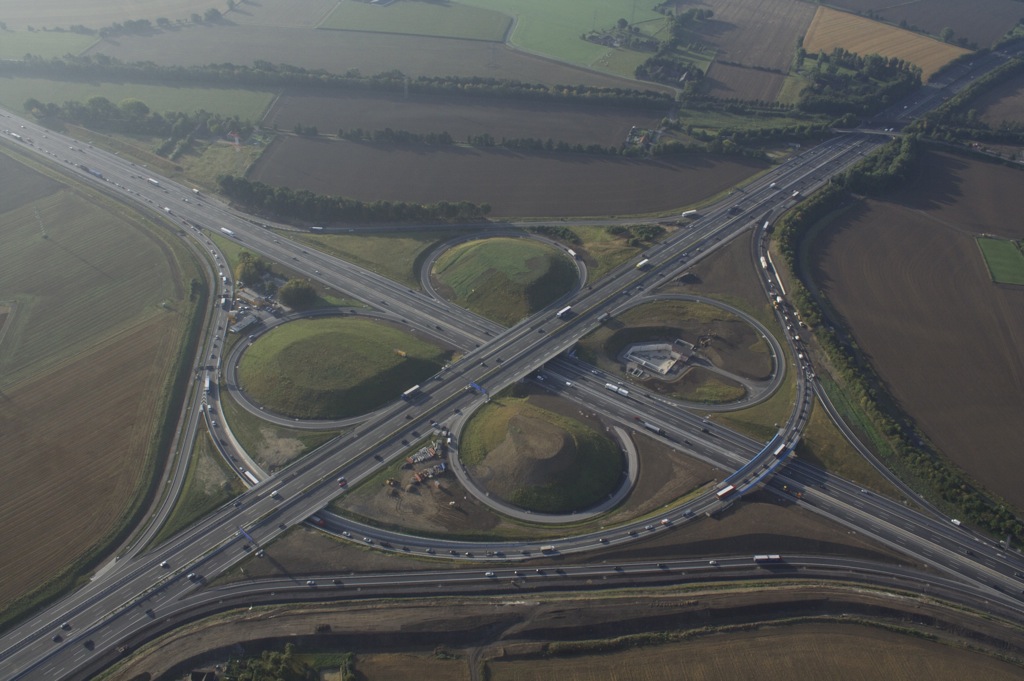
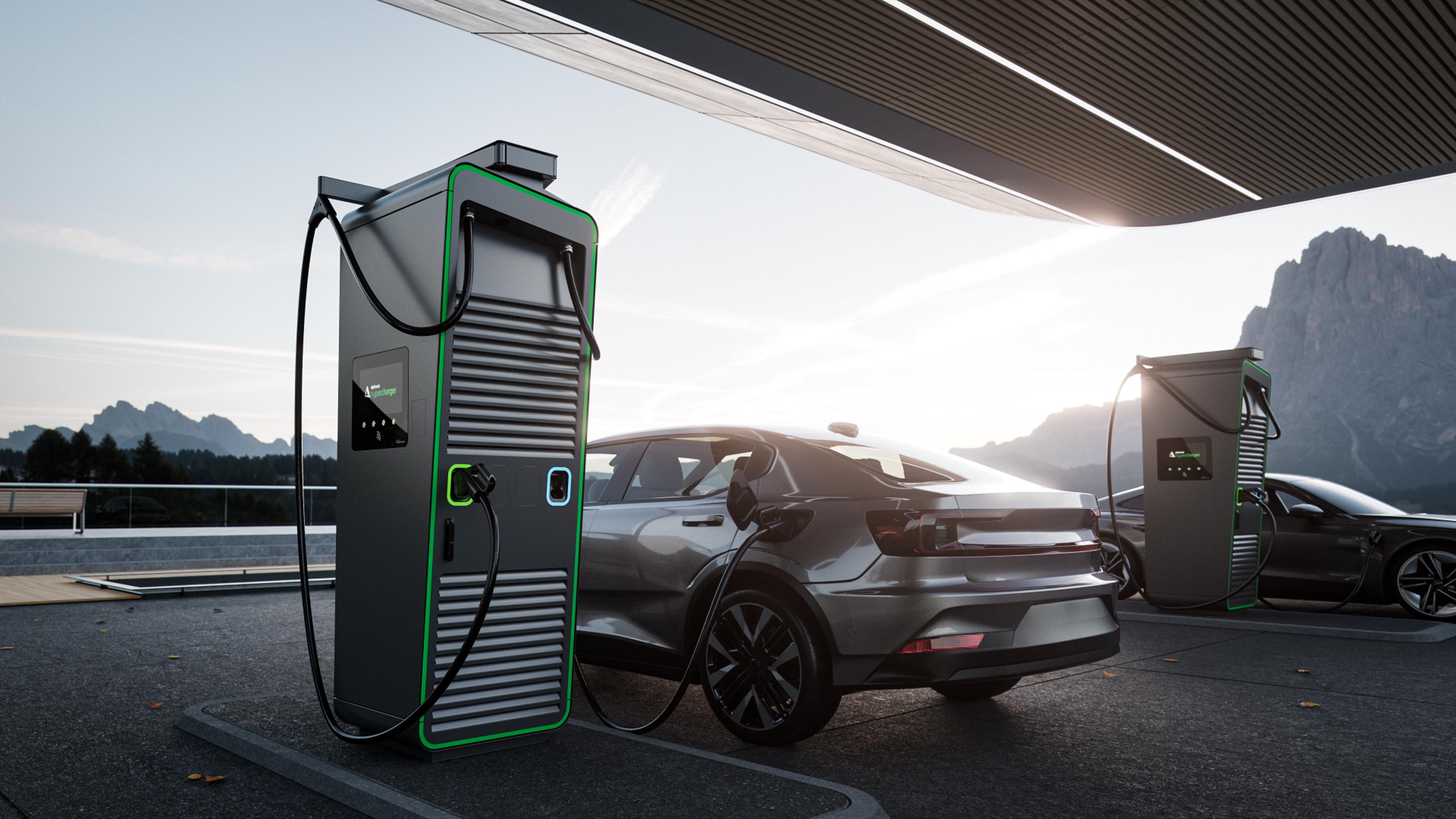
<ul style="font-size:28px;"><li><strong>Verkehrsknotenpunkt:</strong> Schnittpunkt A1 & A2 mit ca. 160.000 Fahrzeugen/Tag.</li><li><strong>Flächenverfügbarkeit:</strong> Großes Ausbaupotenzial (bis zu 3,5 km²) für erneuerbare Energien.</li><li><strong>Status Quo (2025):</strong> Elektrofahrzeug-Anteil ca. 6%.</li><li><strong>Strategische Bedeutung:</strong> Ideale Lage für Hochleistungsladeinfrastruktur (HPC).</li></ul>
Prognostizierter Energiebedarf (2025–2045)
Annahme: EV-Anteil steigt von 6% (2025) auf ca. 50% (2045). Ziel ist vollständige Klimaneutralität bis 2045.
Methodik: Simulationsgestützte Optimierung
<div style="display:flex; justify-content:space-between; gap:20px; width:100%;"><div style="background:white; padding:30px; border-radius:10px; border-top:6px solid #eab308; box-shadow:0 2px 10px rgba(0,0,0,0.05); flex:1;"><h3 style="color:#ca8a04; font-size:28px;">1. Datenerfassung</h3><p style="font-size:20px; color:#4b5563;">Import von Wetterdaten (Renewables.ninja) & Verkehrsprofilen.</p></div><div style="background:white; padding:30px; border-radius:10px; border-top:6px solid #3b82f6; box-shadow:0 2px 10px rgba(0,0,0,0.05); flex:1;"><h3 style="color:#2563eb; font-size:28px;">2. Simulation (Python)</h3><p style="font-size:20px; color:#4b5563;">Modellierung mit PyPSA. Berechnung von Lastflüssen, Speicherständen (SoC) und Deckungslücken.</p></div><div style="background:white; padding:30px; border-radius:10px; border-top:6px solid #16a34a; box-shadow:0 2px 10px rgba(0,0,0,0.05); flex:1;"><h3 style="color:#16a34a; font-size:28px;">3. Validierung</h3><p style="font-size:20px; color:#4b5563;">Abgleich mit CO2-Zielen, CAPEX/OPEX Analyse und Flächenbedarf.</p></div></div>
Anlagendimensionierung für 2045
<strong>Photovoltaik (100 MW)</strong><br>- 181.818 Module<br>- Fläche: 1,5 km²<br>- Kosten: ~65-85 Mio. €
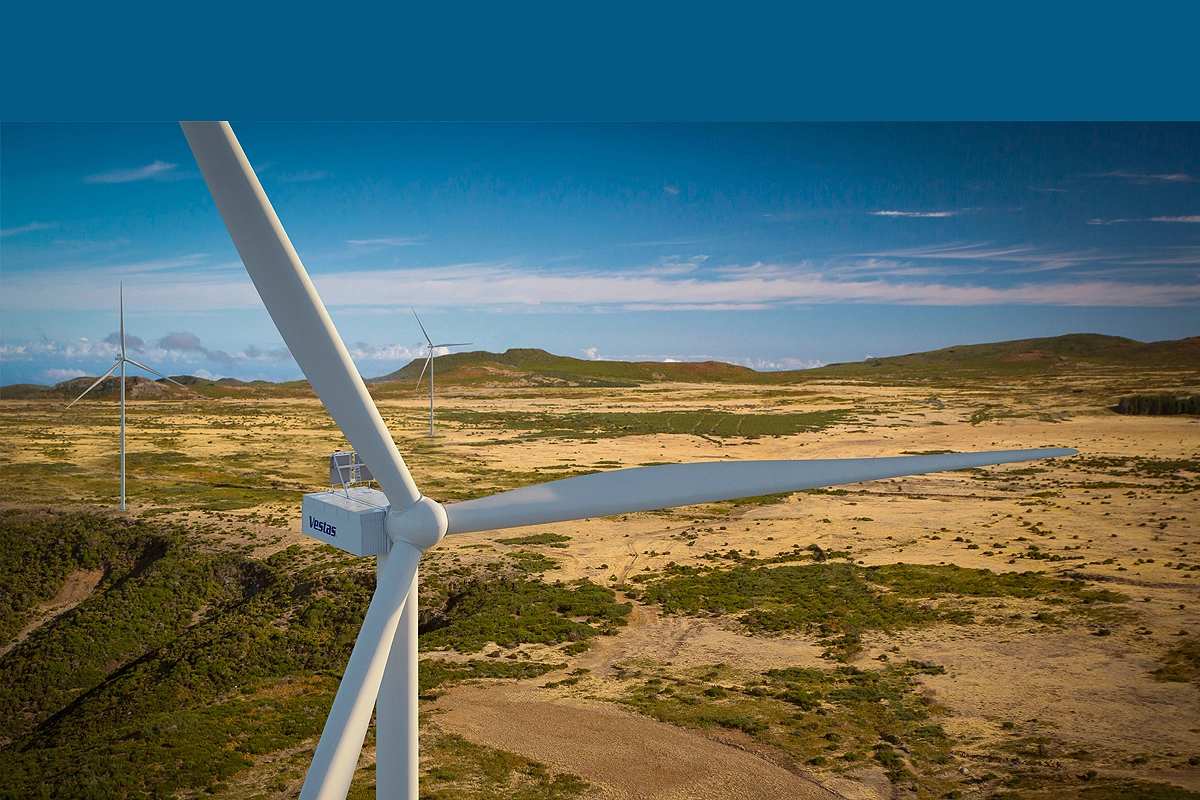
<strong>Windkraft (250 MW)</strong><br>- 35 Anlagen (Vestas V172)<br>- Fläche: 1,57 km²<br>- Kosten: ~430 Mio. €
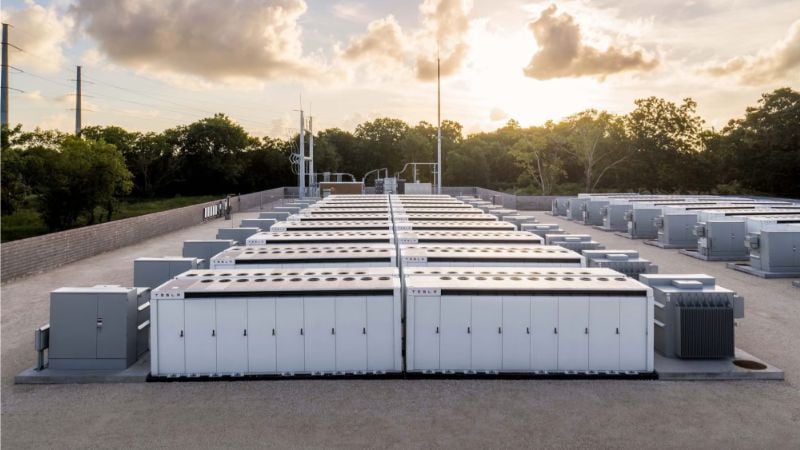
<strong>Batteriespeicher (500 MWh)</strong><br>- 128 Tesla Megapack 2XL<br>- Fläche: ~1 km²<br>- Kosten: ~130-180 Mio. €
Technologie-Deep Dive: Batteriespeicher
<ul style="list-style-type: none; padding: 0;"> <li style="margin-bottom: 25px; padding-left: 20px; border-left: 5px solid #10b981;"><strong>System:</strong> Tesla Megapack 2XL (Lithium-Ionen)</li> <li style="margin-bottom: 25px; padding-left: 20px; border-left: 5px solid #10b981;"><strong>Zellchemie:</strong> LFP (Lithium-Eisenphosphat)<br><span style="font-size: 22px; color: #64748b;">(Höhere Sicherheit, kein Kobalt, thermisch stabil)</span></li> <li style="margin-bottom: 25px; padding-left: 20px; border-left: 5px solid #10b981;"><strong>Anwendungszweck:</strong><br>- Peak-Shaving (Lastspitzenkappung)<br>- Frequenzhaltung im Netz<br>- Pufferung bei Windstille/Nacht</li> <li style="margin-bottom: 25px; padding-left: 20px; border-left: 5px solid #10b981;"><strong>Leistungsdaten:</strong> ~3.9 MWh Kapazität pro Einheit, 95% Round-trip Efficiency</li> </ul>
Technologie-Deep Dive: Windkraft
<ul style="list-style-type: none; padding: 0;"> <li style="margin-bottom: 25px; padding-left: 20px; border-left: 5px solid #3b82f6;"><strong>Turbine:</strong> Vestas V172 EnVentus (Referenzmodell)</li> <li style="margin-bottom: 25px; padding-left: 20px; border-left: 5px solid #3b82f6;"><strong>Dimensionen:</strong><br>- 7.2 MW Nennleistung<br>- 172m Rotordurchmesser<br>- 175m Nabenhöhe</li> <li style="margin-bottom: 25px; padding-left: 20px; border-left: 5px solid #3b82f6;"><strong>Low-Wind-Site Design:</strong><br><span style="font-size: 22px; color: #64748b;">Optimiert für Binnenlandstandorte wie Kamener Kreuz. Großer Rotor im Verhältnis zur Generatorleistung erhöht Volllaststunden.</span></li> <li style="margin-bottom: 25px; padding-left: 20px; border-left: 5px solid #3b82f6;"><strong>Netzanbindung:</strong> Direktanschluss an Ladepark-Umspannwerk (Mittel-/Hochspannung)</li> </ul>
Technologie-Deep Dive: Photovoltaik
<ul style="list-style-type: none; padding: 0;"> <li style="margin-bottom: 25px; padding-left: 20px; border-left: 5px solid #eab308;"><strong>Modultechnologie:</strong> Bifaziale monokristalline Zellen (TopCon)<br><span style="font-size: 22px; color: #64748b;">(Nutzt auch reflektiertes Licht von der Rückseite, +5-15% Ertrag)</span></li> <li style="margin-bottom: 25px; padding-left: 20px; border-left: 5px solid #eab308;"><strong>Aufständerung:</strong><br>- Süd-Ausrichtung (Maximaler Ertrag Mittag)<br>- Oder Ost-West (Breiteres Erzeugungsprofil für den Tag)</li> <li style="margin-bottom: 25px; padding-left: 20px; border-left: 5px solid #eab308;"><strong>Flächenbedarf:</strong> ca. 1,2 - 1,5 Hektar pro MWp Leistung</li> <li style="margin-bottom: 25px; padding-left: 20px; border-left: 5px solid #eab308;"><strong>Wartung & Betrieb:</strong><br><span style="font-size: 22px; color: #64748b;">Geringer Wartungsaufwand, Lebensdauer >25 Jahre.</span></li> </ul>
Investitionskosten (CAPEX) Breakdown
<strong>Wirtschaftlichkeit:</strong><br>Die hohen Initialkosten (ca. 660 Mio. €) werden primär durch die Windkraft getrieben. Autarkie erfordert immense Batteriekapazitäten zur Netzstabilisierung.
Reduktion der CO₂-Emissionen
Durch den Ausbau Erneuerbarer Energien sinken die Emissionen kontinuierlich. Ab 2045 ermöglicht die Überdimensionierung der Windkraft einen vollständigen Verzicht auf externen Netzbezug (theoretische Autarkie).
Visuelle Darstellung der Infrastruktur
Fazit & Kernbotschaften
<strong>1. Technische Machbarkeit:</strong><br>Autarkie am Kamener Kreuz ist technisch möglich, erfordert aber massiven Flächeneinsatz (ca. 160 km² Gesamtfläche für Wind).
<strong>2. Ökonomische Herausforderung:</strong><br>Mit Investitionskosten über 600 Mio. € ist eine völlige Netzunabhängigkeit extrem kostspielig.
<strong>3. Klimaziele:</strong><br>Klimaneutraler Betrieb bis 2045 ist durch die Kombination von Wind, PV und Speicher sicher erreichbar.
- elektromobilität
- erneuerbare-energien
- ladestations-optimierung
- batteriespeicher
- klimaneutralität
- ingenieurwesen
- windkraft
- photovoltaik