







Holistic Nursing Care: Family Health Case Study & Plan
Explore a holistic nursing assessment and intervention plan for families with complex needs, including cystic fibrosis, epilepsy, and mental health.
Family Health & Wellbeing Case Study
A Holistic Nursing Assessment & Intervention Plan
Narrated Presentation
Differing Definitions: The Adults
Sophie (Cystic Fibrosis)
• Biomedical model focus • Emphasis on disease management & physical function • Metric: Life expectancy & adherence
Claire (Low Mood)
• Biopsychosocial model • Focus on emotional health & sleep hygiene • Stress management as key indicator
Differing Definitions: The Children
Daniel (Anxiety)
• Developmental perspective • Need for emotional security & attachment • Focus on separation anxiety & resilience
Ella (Epilepsy & ID)
• Functional ability & adaptive behavior • Social inclusion for children with disabilities • Impact on caregiver burden
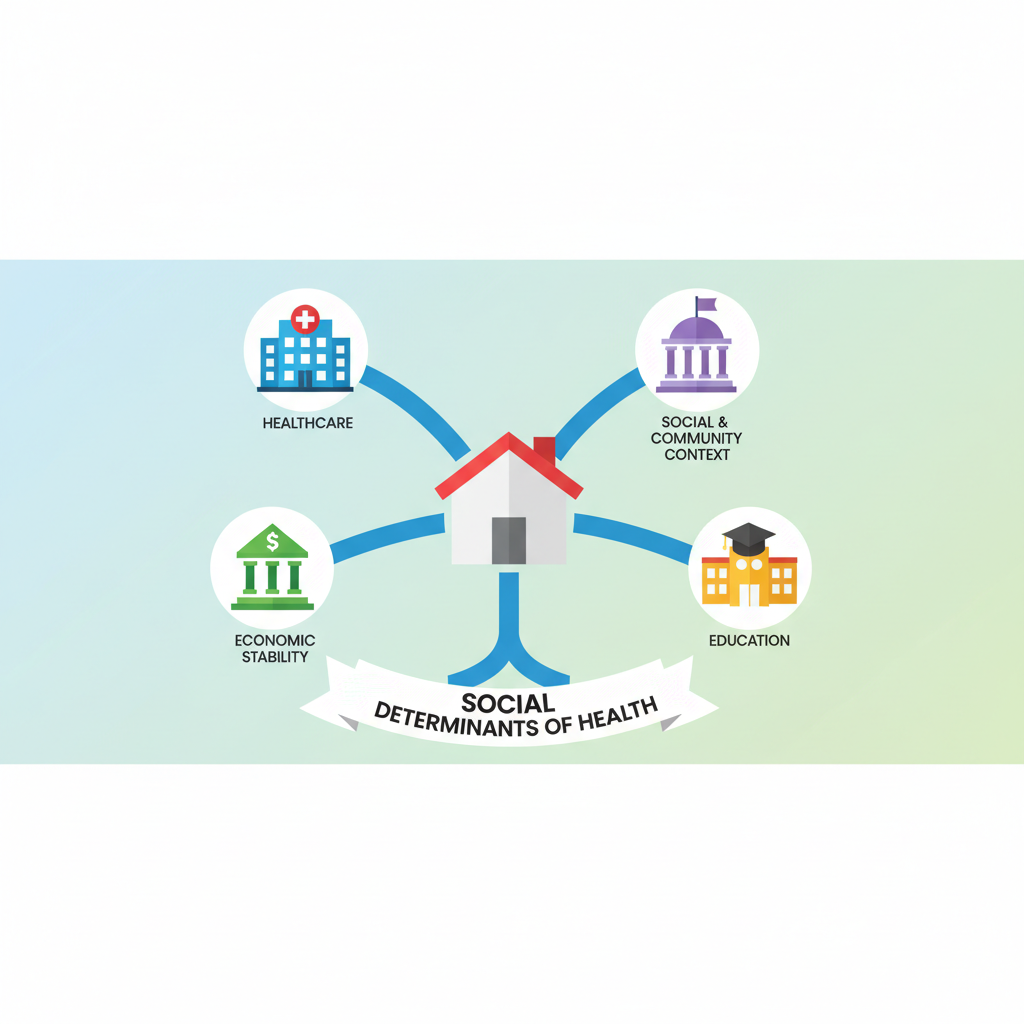
Social, Political & Economic Factors
<strong>Socioeconomic Status</strong><br>Disparity between incomes (Financial advisor vs Teacher) affecting access to private therapies.<br><br><strong>Location (Stevenage)</strong><br>Reliance on local NHS services and housing costs in Hertfordshire.
<strong>Social Support</strong><br>Social isolation due to lack of nearby family and Ella's care demands.<br><br><strong>Workplace & Policy</strong><br>Demanding corporate culture vs. Education sector. Impact of disability benefits legislation.
Intervention for Claire: Low Mood
Symptoms: Insomnia, headaches, palpitations.
• Referral: Cognitive Behavioral Therapy (CBT) • Assessment Tools: GAD-7 (Anxiety) & PHQ-9 (Depression) • Role: Active listening, education, and validation
Justification: NICE guidelines support CBT as first-line treatment for mild-moderate depression/anxiety.
Medication Management: Sophie
Ivacaftor (Cystic Fibrosis)
• Monitoring: Liver function tests required. • Pharmacokinetics: Altered in CF patients; dose adjustments may apply. • Adherence: Critical for efficacy; address barriers like cost or routine complexity.
Assessing Emotional Distress: Daniel
Signs of Distress
Separation anxiety, bedwetting (enuresis), behavioral regression.
Nursing Assessment
Play-based assessment, school nurse observation, trauma-informed approach.
Referrals
Child psychology, parenting support programs.
Monitoring Physical Deterioration: Ella
Epilepsy & Intellectual Disability
• Signs of Decline: Increased seizure frequency, altered conscious state, new neurological deficits. • Functional: Feeding/swallowing difficulties, breathing changes.
Nursing Actions: 1. Neurological Assessment (Glasgow Coma Scale/AVPU) 2. Emergency Medication (if indicated) 3. Urgent Physician Consultation
Holistic Family Support: The Nurse's Role
Beyond the Individual
• Family-centered care: Care for the unit, not just the patient. • Advocacy: Education and resource signposting. • Collaboration: Open communication & care planning.
Challenges
• Conflicting family needs • Time constraints vs. holistic needs • Emotional toll on staff
References
National Institute for Health and Care Excellence (NICE). (2019). Depression in adults: recognition and management.<br><br>Joint Formulary Committee. (2024). British National Formulary (BNF).
World Health Organization. (2020). Standards for improving the quality of care for children and young adolescents in health facilities.<br><br>Public Health England. (2023). Health inequalities: place-based approaches to reduce health inequalities.
- nursing-case-study
- holistic-care
- family-health
- clinical-intervention
- nursing-assessment
- patient-care