


Nuclear Fusion: The Future of Limitless Clean Energy
Learn how nuclear fusion works, the difference between fission and fusion, the Tokamak approach, and the timeline for commercial fusion power plants.
Nuclear Fusion
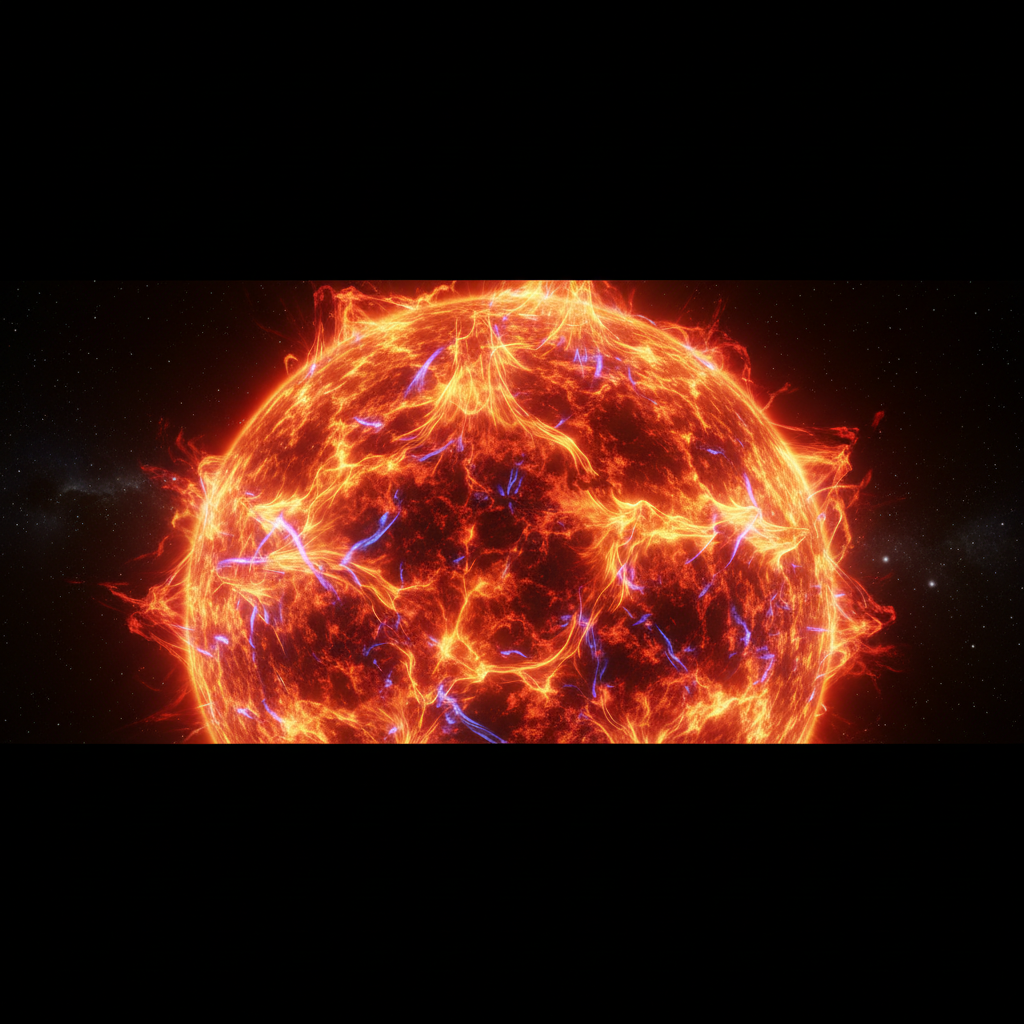
The Power of the Stars
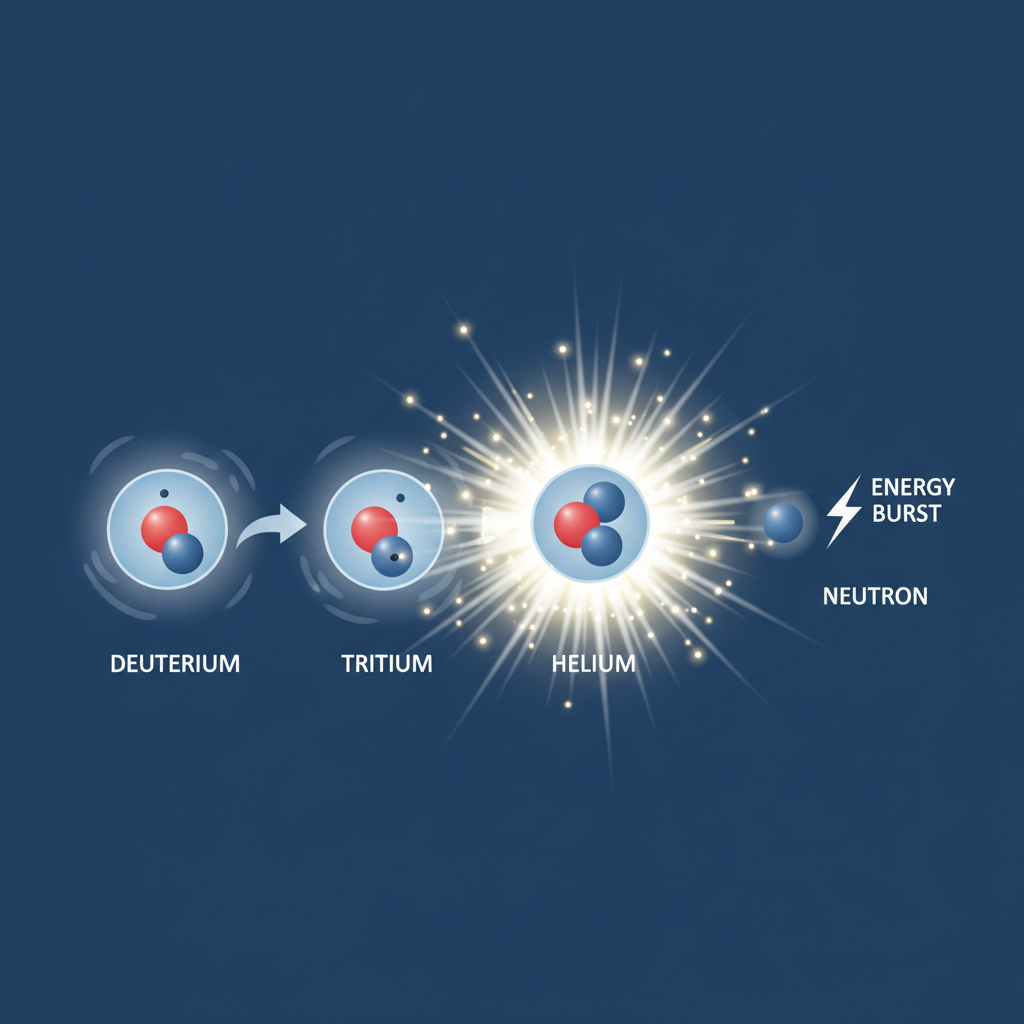
How Fusion Works
Inside stars, immense heat and pressure smash Hydrogen atoms together. They fuse to form Helium and release huge amounts of energy.
Fusion vs. Fission
Fission (Splitting)
• Used in current power plants<br>• Splits heavy atoms<br>• Produces long-lived radioactive waste<br>• Risk of meltdown
Fusion (Joining)
• Powers the sun<br>• Joins light atoms<br>• No long-term radioactive waste<br>• Zero risk of meltdown
Why Fusion?
Abundant Fuel: Isotopes can be extracted from plain seawater.
Carbon Free: No greenhouse gases or pollution.
Inherently Safe: The reaction stops instantly if interrupted.
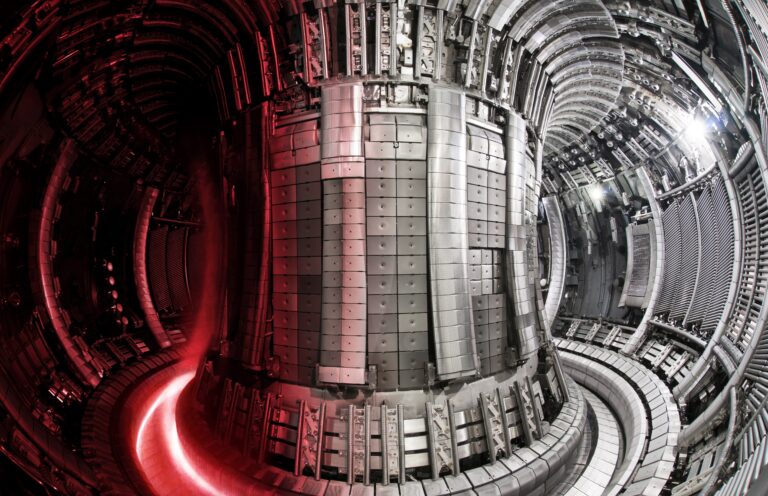
The Tokamak Approach
How do we hold super-hot plasma? We use powerful magnets in a donut-shaped chamber called a Tokamak.
What Can Fusion Do?
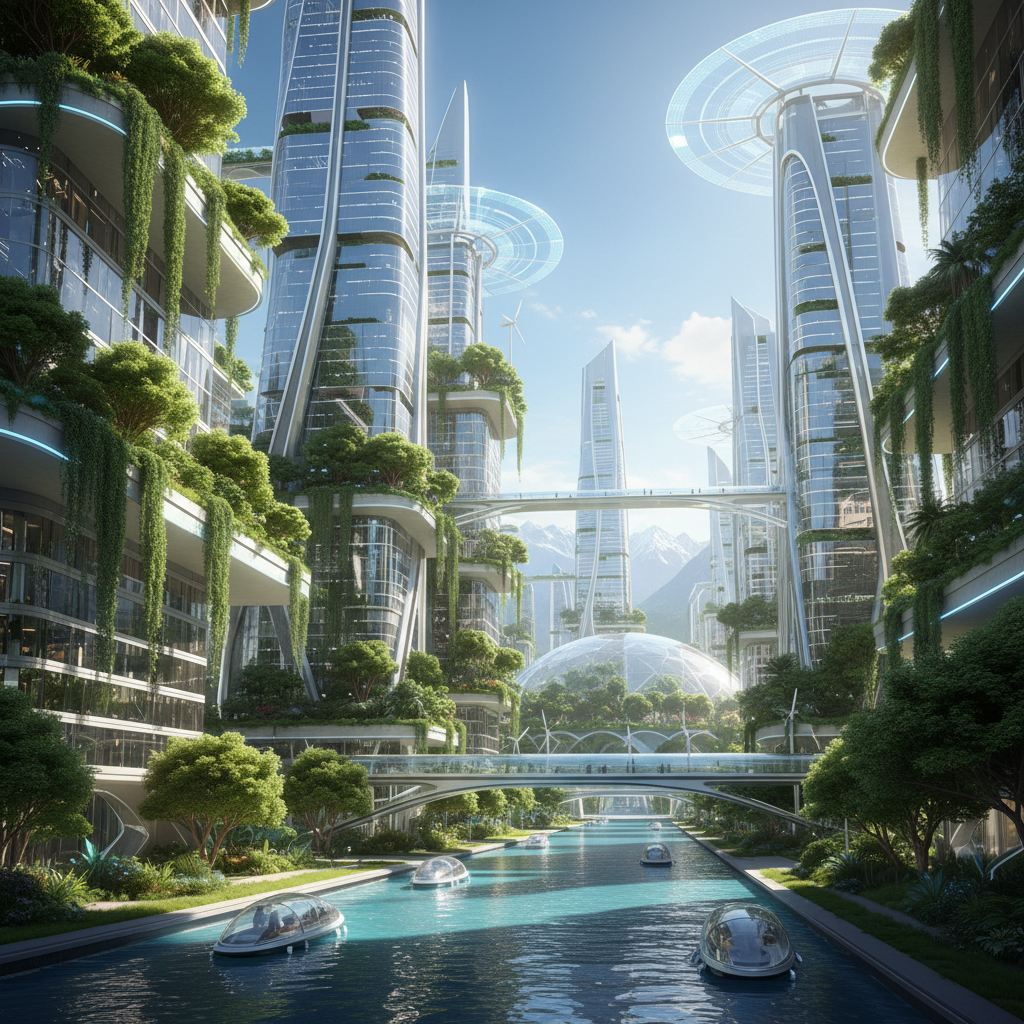
Unlimited Energy
Powering entire cities cleanly forever.
Space Travel
Faster rockets to reach Mars and beyond.
The Future is Bright
Fusion offers a path to limitless, clean, and safe energy for all of humanity.
Thank You
Timeline to Power
1950s: First Tokamaks invented
2020s: ITER Assembly (Major Experiment)
2030s: First Net Energy Demonstration
2050s: Commercial Fusion Power Plants
Fuel from Water
Fusion uses Deuterium (from seawater) and Tritium (made from Lithium). A single glass of seawater has the energy of a barrel of oil!
- nuclear-fusion
- clean-energy
- sustainability
- physics
- tokamak
- iter
- renewable-energy
- future-tech