




Made byBobr AI

Nuclear Fusion: Clean Energy and the Future of Power

Explore the science of nuclear fusion, how Tokamaks create star-like energy on Earth, and its potential for clean electricity and space travel.

#nuclear-fusion#clean-energy#physics#sustainability#tokamak#future-technology#space-travel
Watch
Pitch

Nuclear Fusion

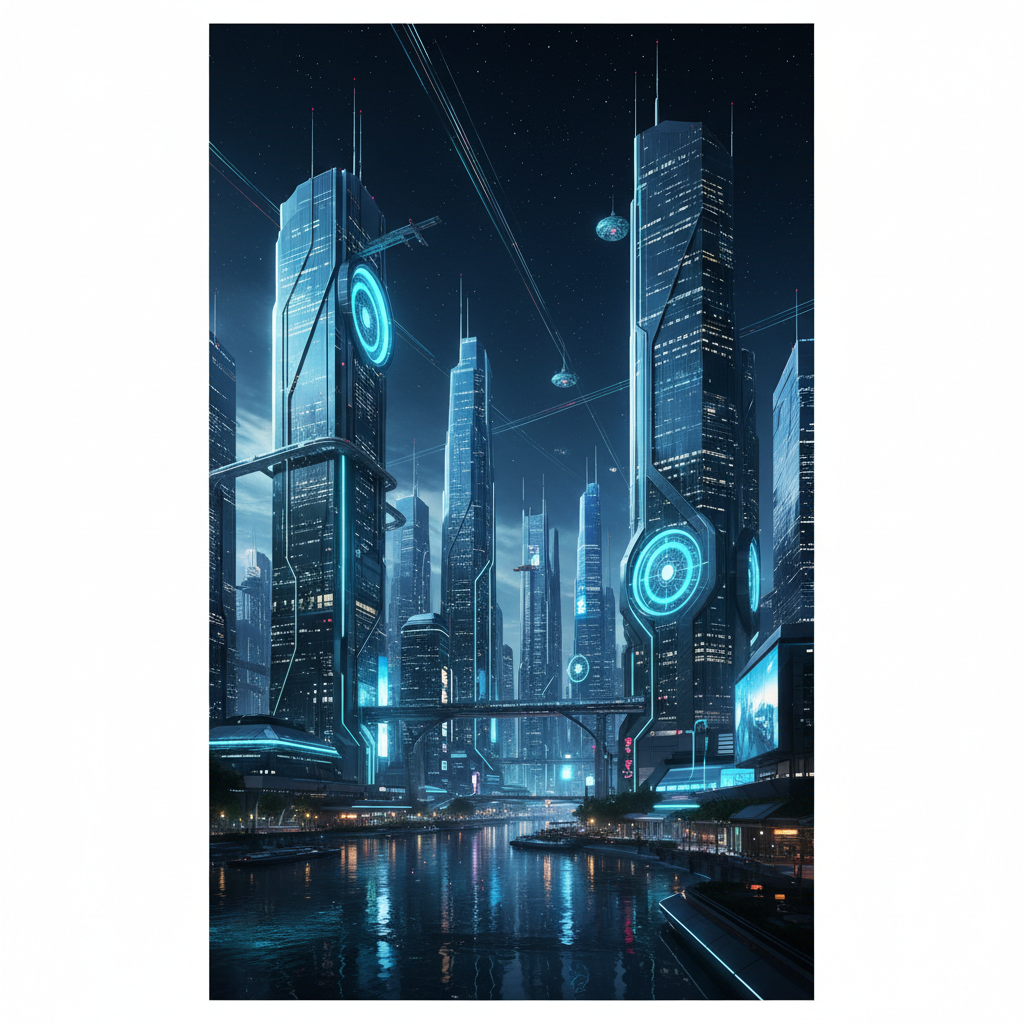
Powering the Future with Star Science

Made byBobr AI

What is Nuclear Fusion?

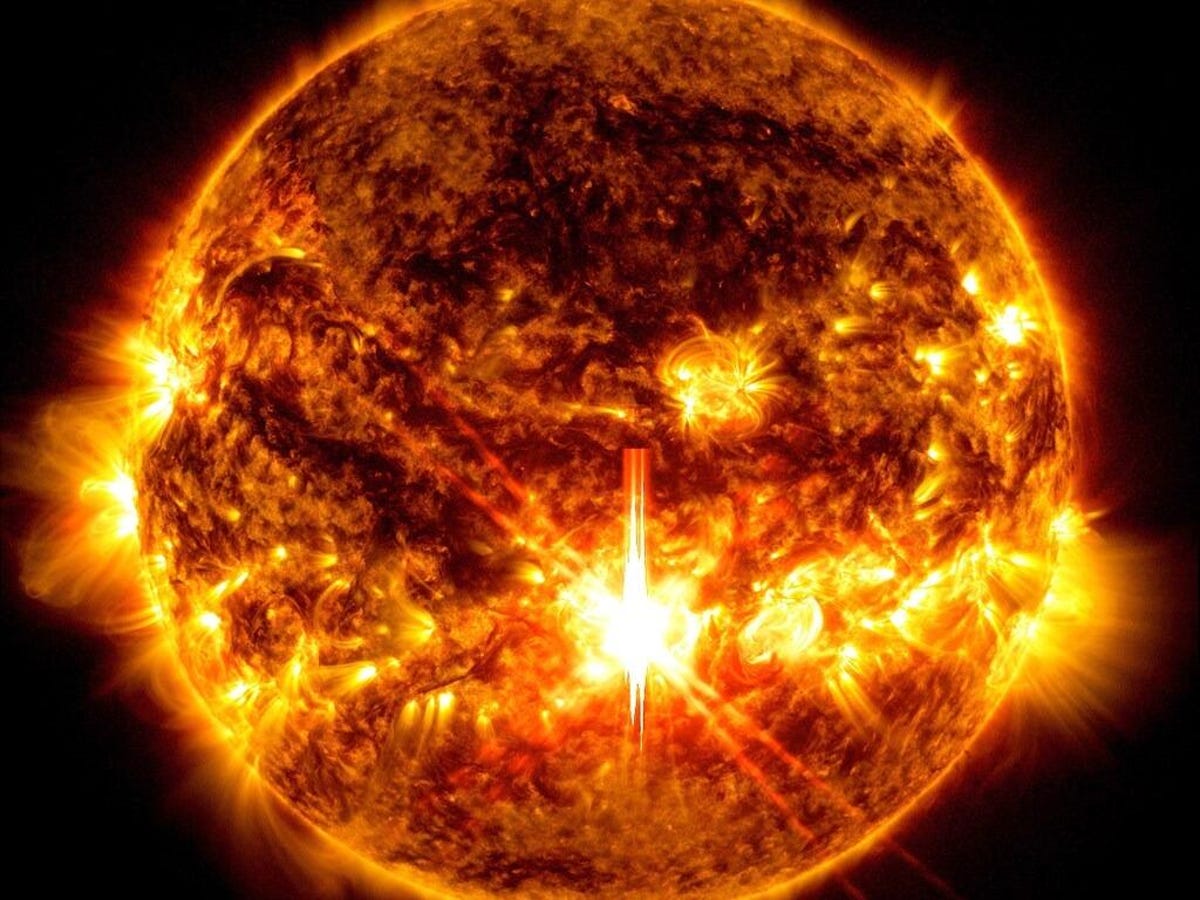
Fusion is the process that powers the Sun and other stars. It happens when two light atomic nuclei combine to form a heavier nucleus, releasing a massive amount of energy.

Made byBobr AI

The Reaction: Deuterium + Tritium

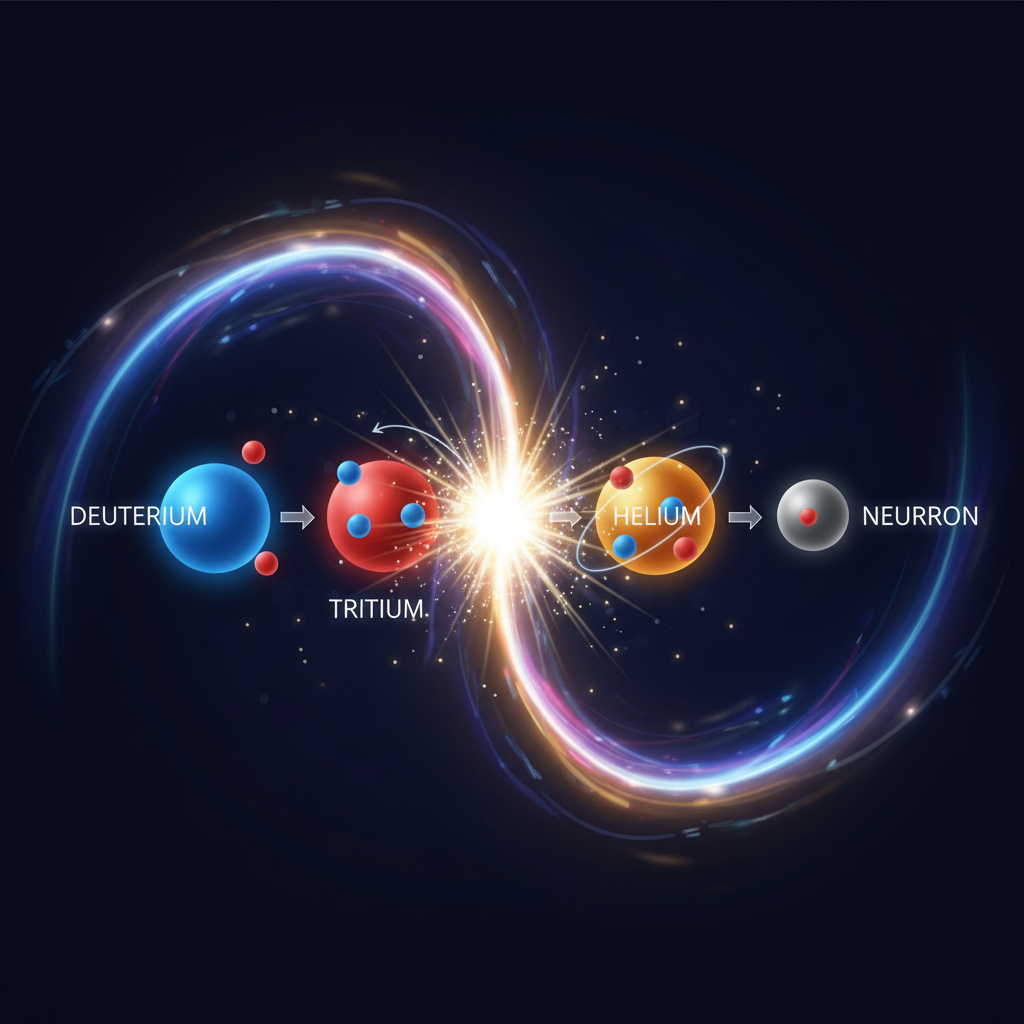
  • 1. We take two isotopes of Hydrogen: Deuterium (from seawater) and Tritium.
  • 2. Under extreme heat and pressure, they smash together.
  • 3. This creates a Helium atom, a free neutron, and ENERGY.
Made byBobr AI

Creating a Star on Earth

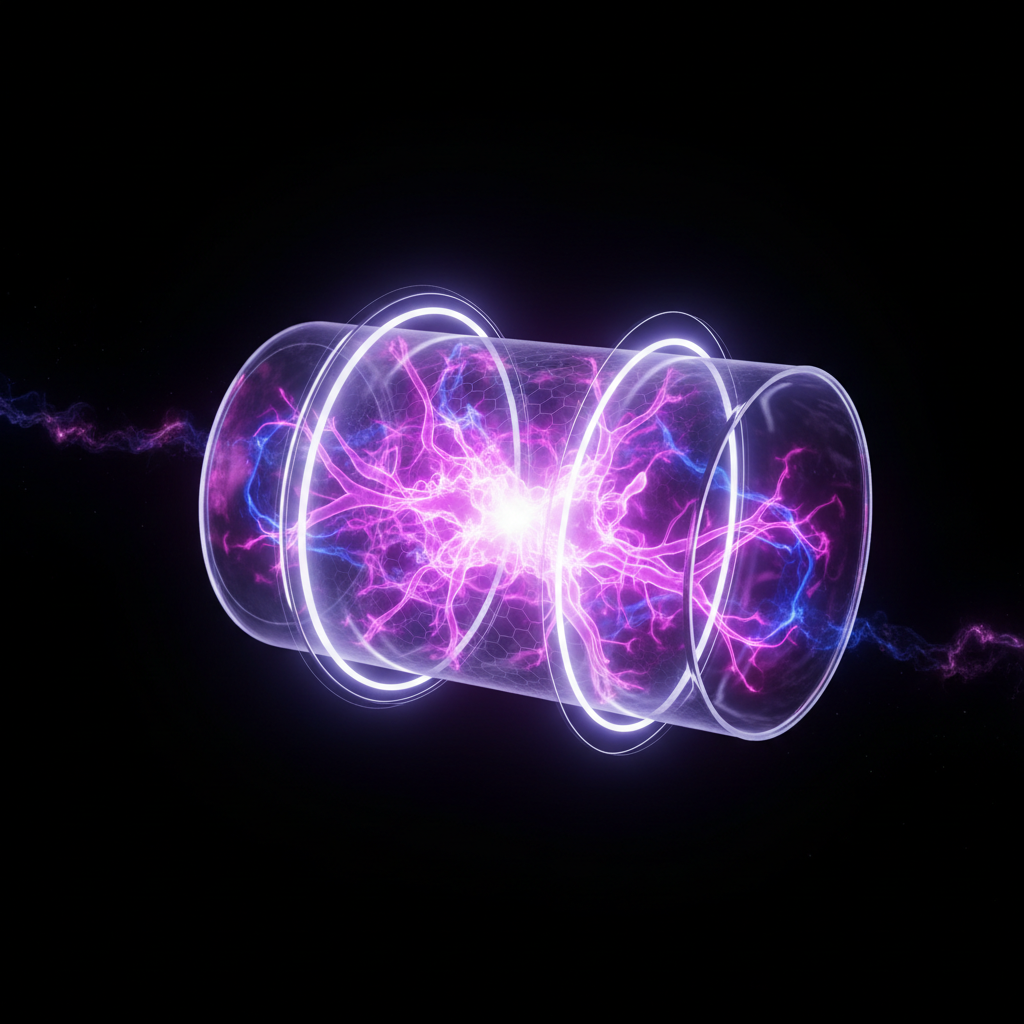
To achieve fusion, we must create PLASMA.

Extreme Heat

150 Million Degrees Celsius (10x hotter than the sun core)

Plasma State

Matter exists as ionized gas (electrons separated from nuclei)

Made byBobr AI

Magnetic Confinement

How do we hold something that hot? We use Magnets.

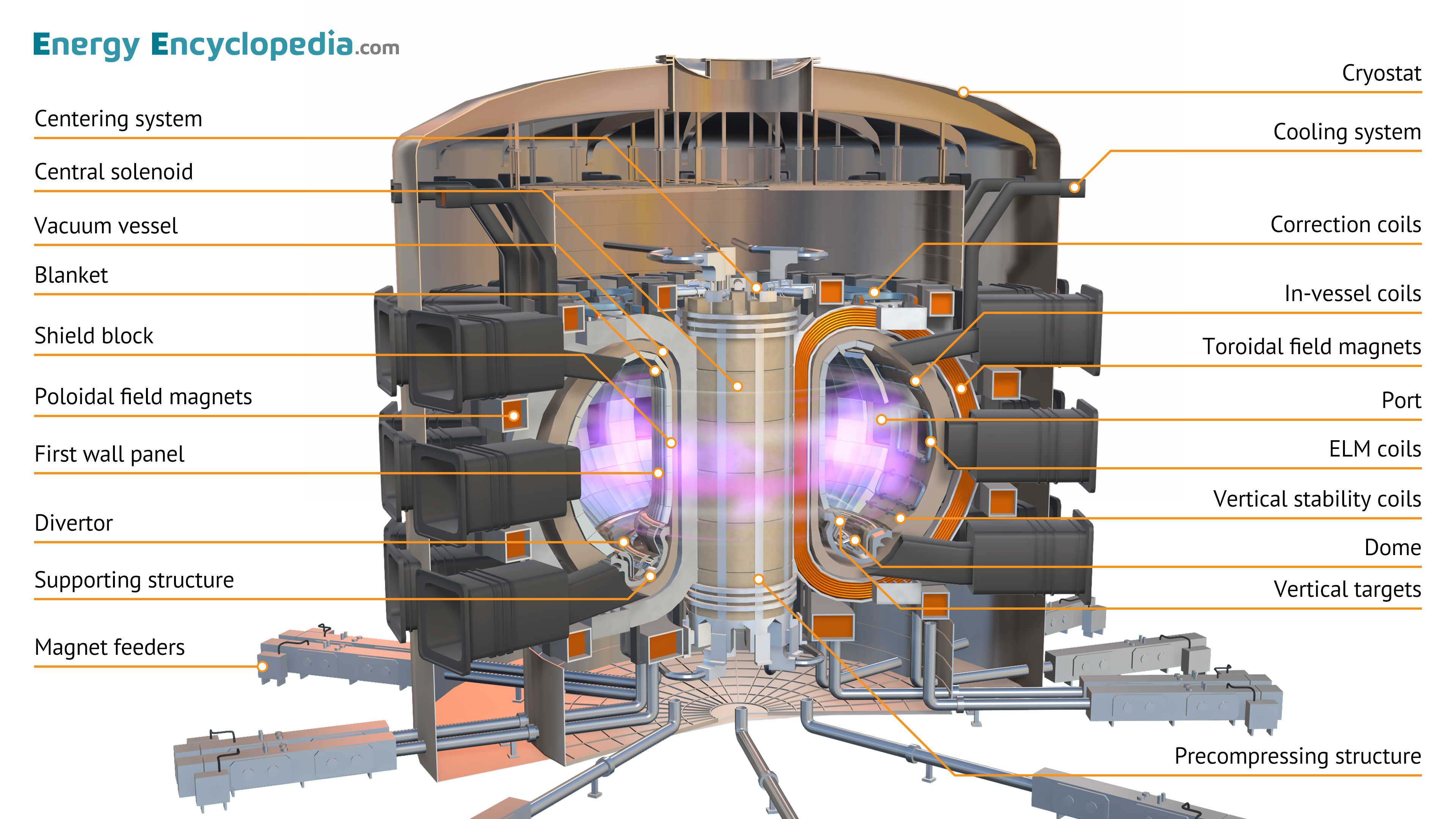
• The TOKAMAK is a donut-shaped vacuum chamber.

• Powerful magnetic fields keep the plasma away from the walls.

Made byBobr AI

Fission vs. Fusion

Nuclear Fission

Splitting heavy atoms (Uranium). Used in current nuclear power plants. Creates radioactive waste.

Nuclear Fusion

Combining light atoms (Hydrogen). Requires massive heat. No long-lived radioactive waste.

Made byBobr AI

Lifecycle Emissions: Fusion is Clean

Chart

Fusion offers carbon-free energy similar to wind and nuclear fission, but with higher density than solar.

Made byBobr AI

Why do we need it?

Abundant Fuel

Deuterium is extracted from seawater. Lithium (for Tritium) is in the Earth's crust.

Intrinsic Safety

No risk of meltdown. If containment fails, the plasma cools and usage stops instantly.

Energy Density

1 kg of fusion fuel = 10,000,000 kg of coal.

Made byBobr AI

Application: Base Load Electricity

The primary goal is to plug fusion reactors into the grid. Heat from the plasma is harvested by the walls, used to boil water into steam, and spin a turbine—just like a standard power plant, but with a carbon-free 'star' as the heat source.

Made byBobr AI

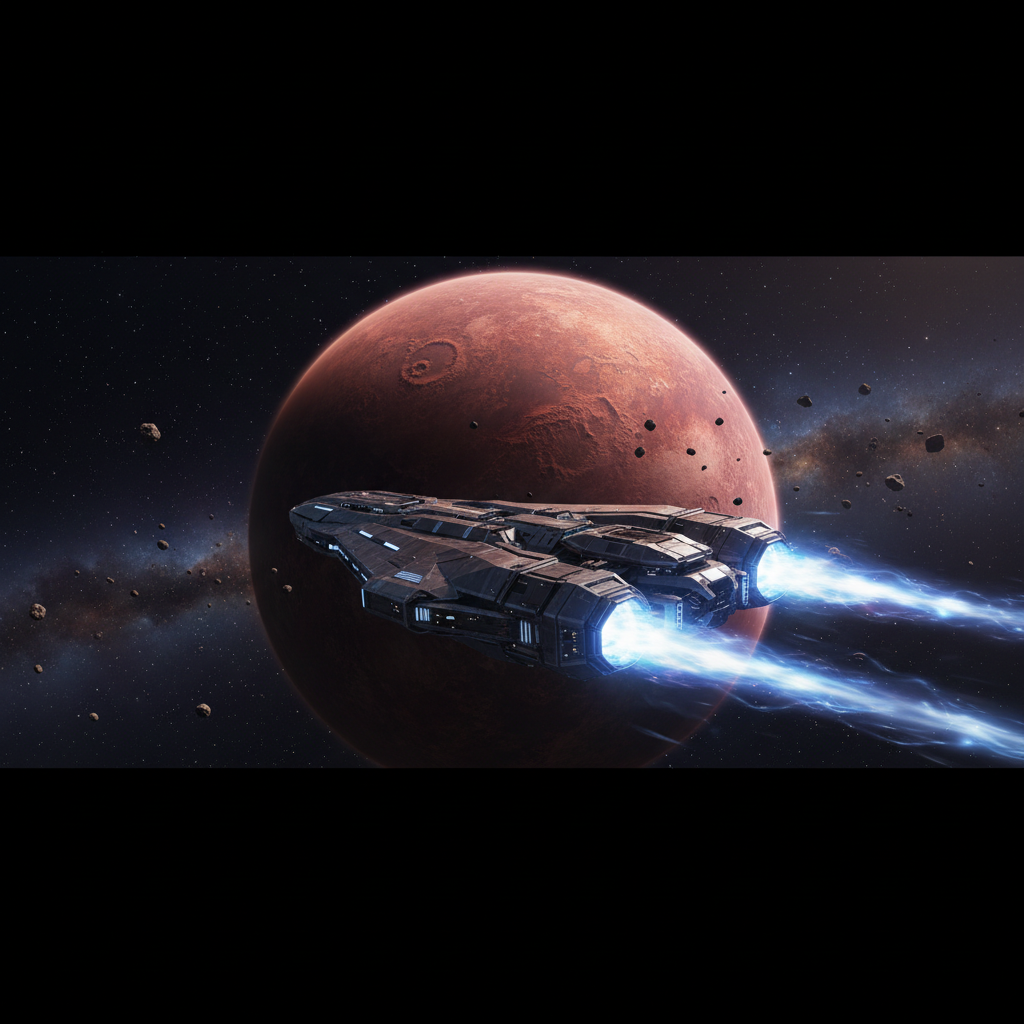
Beyond Earth: Space Propulsion

Direct Fusion Drive

Using fusion exhaust for thrust instead of spinning a turbine.

Mars in 3 Months?

Continuous acceleration creates artificial gravity and dramatically shortens travel times to other planets.

Made byBobr AI

The Future is Bright

Fusion offers a limitless, clean energy source. While significant engineering challenges remain, recent breakthroughs (like net energy gain) bring us closer to the stars than ever before.

Thank You
Made byBobr AI
Bobr AI

DESIGNER-MADE
PRESENTATION,
GENERATED FROM
YOUR PROMPT

Create your own professional slide deck with real images, data charts, and unique design in under a minute.

Generate For Free

Nuclear Fusion: Clean Energy and the Future of Power

Explore the science of nuclear fusion, how Tokamaks create star-like energy on Earth, and its potential for clean electricity and space travel.

Nuclear Fusion

Powering the Future with Star Science

What is Nuclear Fusion?

Fusion is the process that powers the Sun and other stars. It happens when two light atomic nuclei combine to form a heavier nucleus, releasing a massive amount of energy.

The Reaction: Deuterium + Tritium

1. We take two isotopes of Hydrogen: Deuterium (from seawater) and Tritium.

2. Under extreme heat and pressure, they smash together.

3. This creates a Helium atom, a free neutron, and ENERGY.

Creating a Star on Earth

To achieve fusion, we must create PLASMA.

150 Million Degrees Celsius (10x hotter than the sun core)

Matter exists as ionized gas (electrons separated from nuclei)

Magnetic Confinement

How do we hold something that hot? We use Magnets.

The TOKAMAK is a donut-shaped vacuum chamber.

Powerful magnetic fields keep the plasma away from the walls.

Fission vs. Fusion

Nuclear Fission

Splitting heavy atoms (Uranium). Used in current nuclear power plants. Creates radioactive waste.

Nuclear Fusion

Combining light atoms (Hydrogen). Requires massive heat. No long-lived radioactive waste.

Lifecycle Emissions: Fusion is Clean

Fusion offers carbon-free energy similar to wind and nuclear fission, but with higher density than solar.

Why do we need it?

Abundant Fuel

Deuterium is extracted from seawater. Lithium (for Tritium) is in the Earth's crust.

Intrinsic Safety

No risk of meltdown. If containment fails, the plasma cools and usage stops instantly.

Energy Density

1 kg of fusion fuel = 10,000,000 kg of coal.

Application: Base Load Electricity

The primary goal is to plug fusion reactors into the grid. Heat from the plasma is harvested by the walls, used to boil water into steam, and spin a turbine—just like a standard power plant, but with a carbon-free 'star' as the heat source.

Beyond Earth: Space Propulsion

Direct Fusion Drive

Using fusion exhaust for thrust instead of spinning a turbine.

Mars in 3 Months?

Continuous acceleration creates artificial gravity and dramatically shortens travel times to other planets.

The Future is Bright

Fusion offers a limitless, clean energy source. While significant engineering challenges remain, recent breakthroughs (like net energy gain) bring us closer to the stars than ever before.

  • nuclear-fusion
  • clean-energy
  • physics
  • sustainability
  • tokamak
  • future-technology
  • space-travel