

Made byBobr AI

Nuclear Fusion Explained: The Future of Clean Energy

Learn how nuclear fusion works, its benefits over fission, engineering challenges like ITER and NIF, and its potential for the power grid and space travel.

#nuclear-fusion#clean-energy#physics#iter#sustainable-power#renewable-energy#space-propulsion#science
Watch
Pitch

Nuclear Fusion

Powering the Future of Humanity

Made byBobr AI

Star Power on Earth

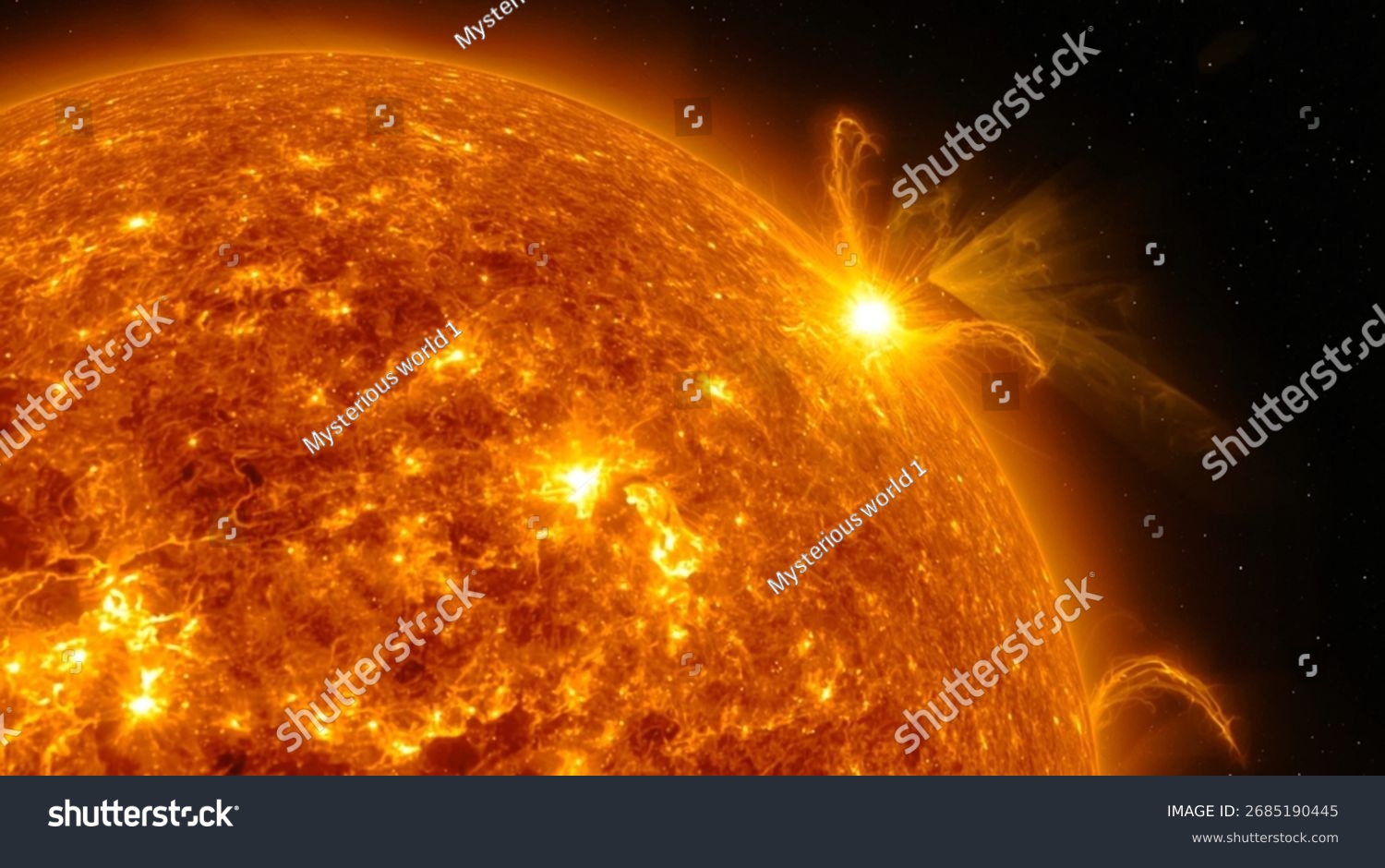
Nuclear fusion is the process that powers the Sun and other stars. It occurs when two light atomic nuclei combine to form a single heavier one, releasing massive amounts of energy in the process.

Made byBobr AI

The Physics of Fusion

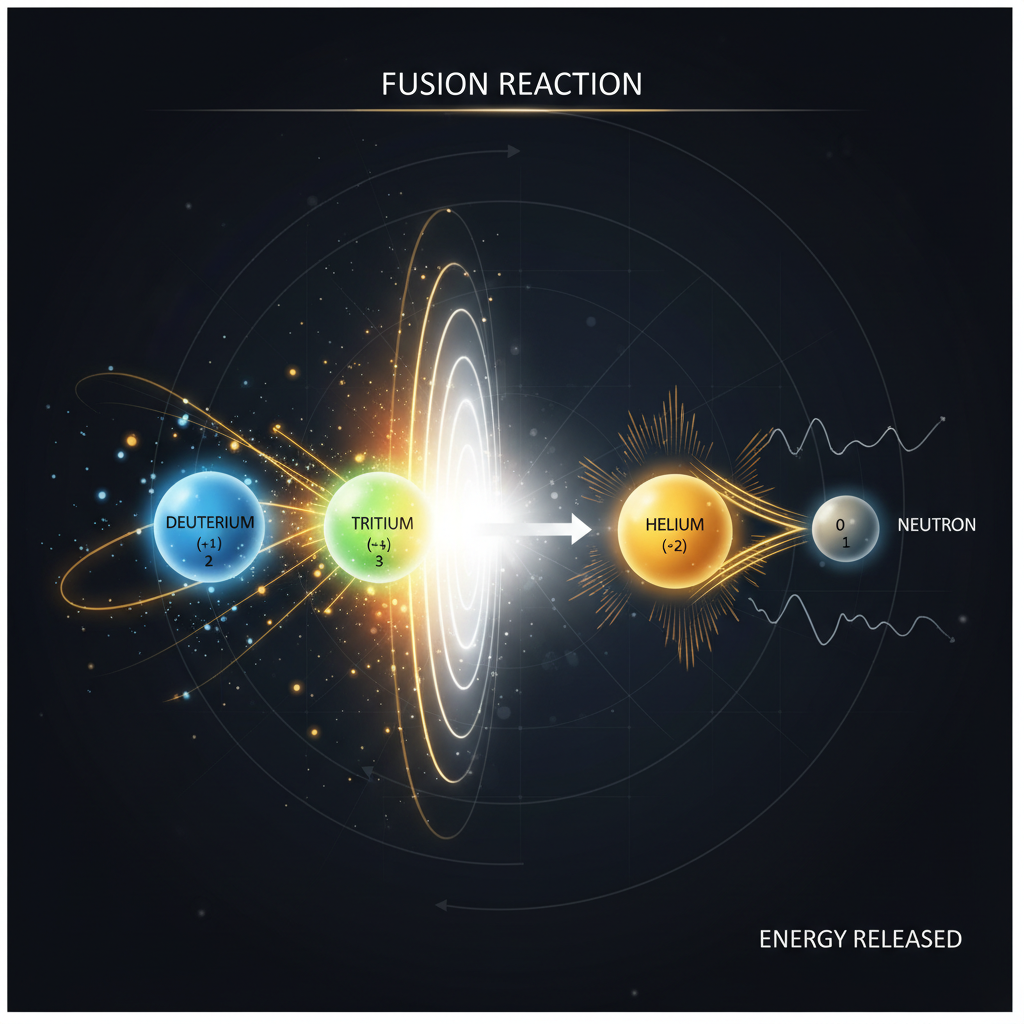
1. Isotopes of Hydrogen (Deuterium and Tritium) are heated to extreme temperatures.
2. At 150 million °C, electrons separate from nuclei, creating plasma.
3. Nuclei merge, forming Helium and releasing a high-energy neutron.
Made byBobr AI

Energy Density Comparison

Energy yield per kilogram of fuel (Megajoules/kg)

Chart
Made byBobr AI

Fusion vs. Fission

Nuclear Fission

Splits heavy atoms (Uranium). Used in current power plants. Produces long-lived radioactive waste. Risk of meltdown.

Nuclear Fusion

Combines light atoms (Hydrogen). Powers the stars. Minimal waste. Zero risk of runaway chain reaction.

Made byBobr AI

Key Advantages

Abundant Fuel

Deuterium can be extracted from seawater. Tritium can be bred from Lithium.

Inherent Safety

Needs precise conditions to sustain. Any disturbance stops the reaction instantly.

Environmentally Friendly

Zero carbon emissions. No high-activity long-lived nuclear waste.

Made byBobr AI
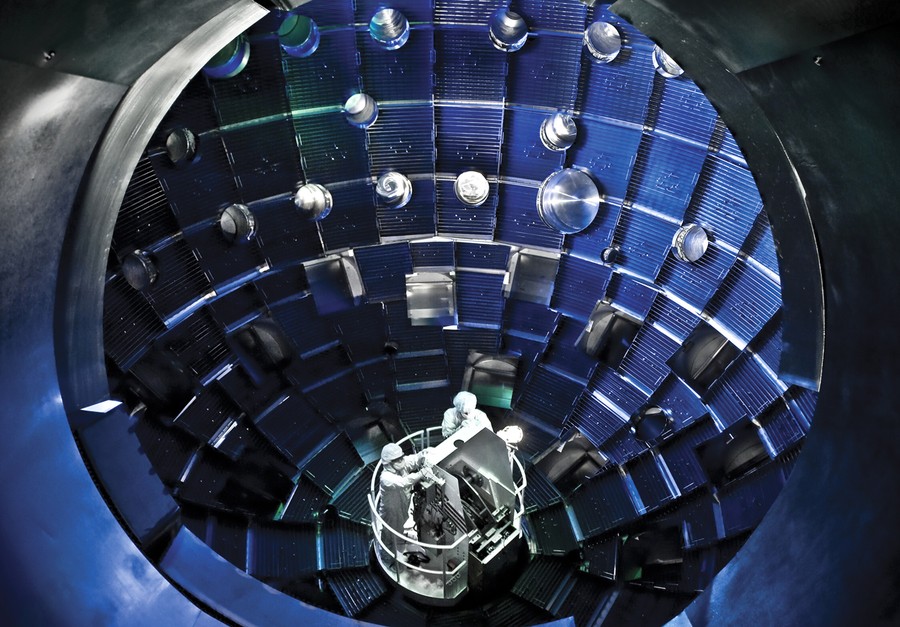
The ITER Project

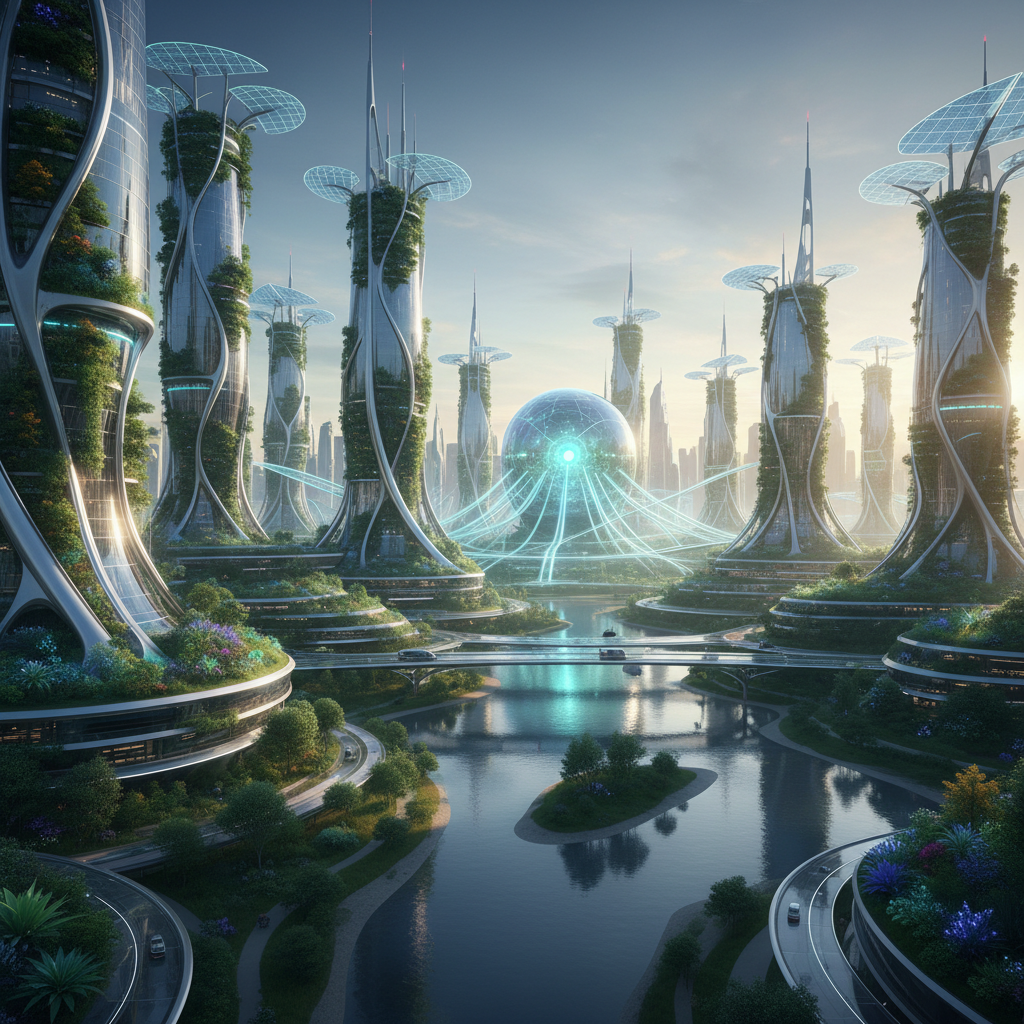
The Electric Grid

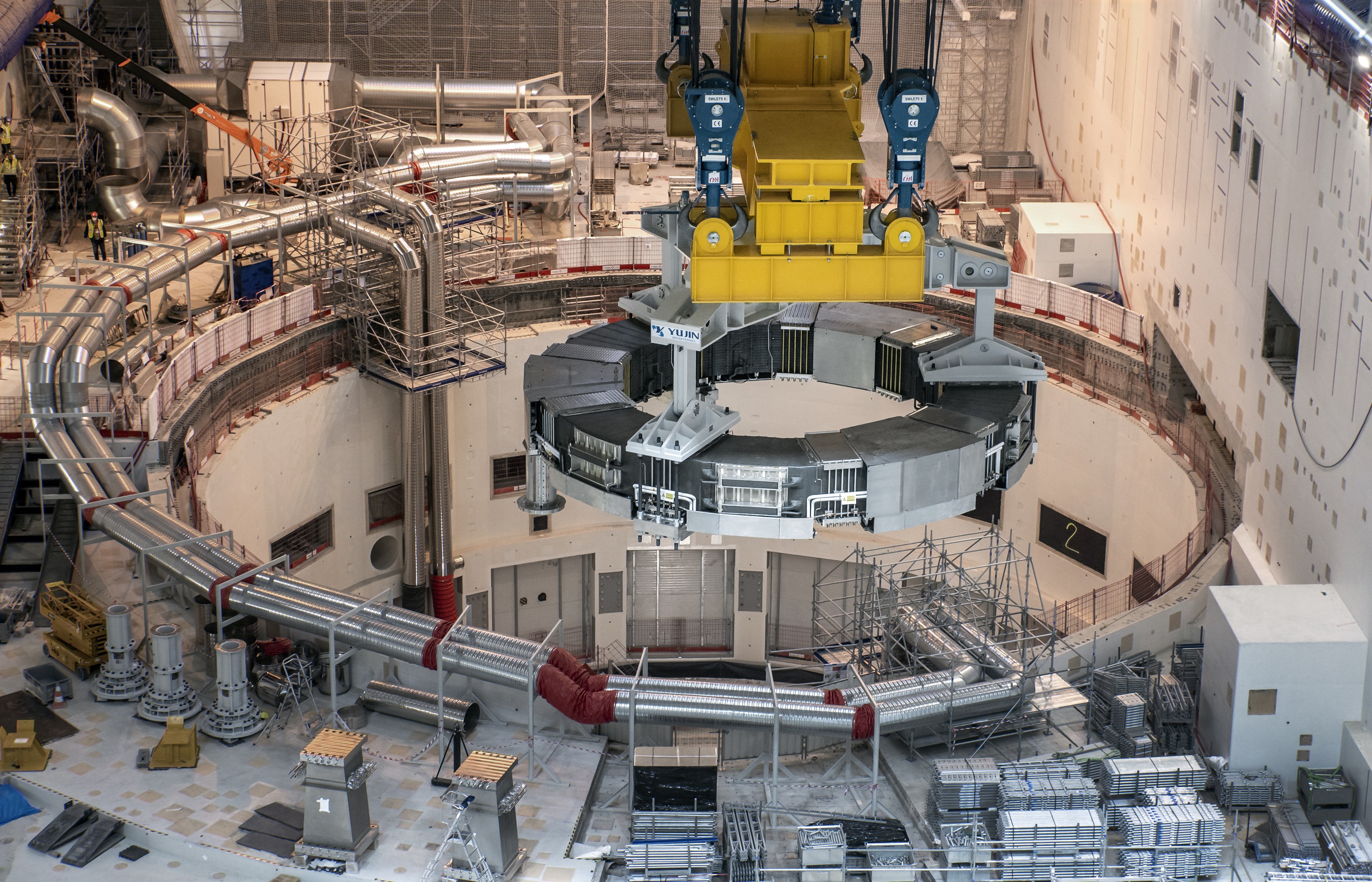
Fusion offers 'baseload' power—a consistent, reliable energy source unlike wind or solar which are intermittent. Major projects like ITER (International Thermonuclear Experimental Reactor) in France are paving the way for commercial reactors.

Made byBobr AI

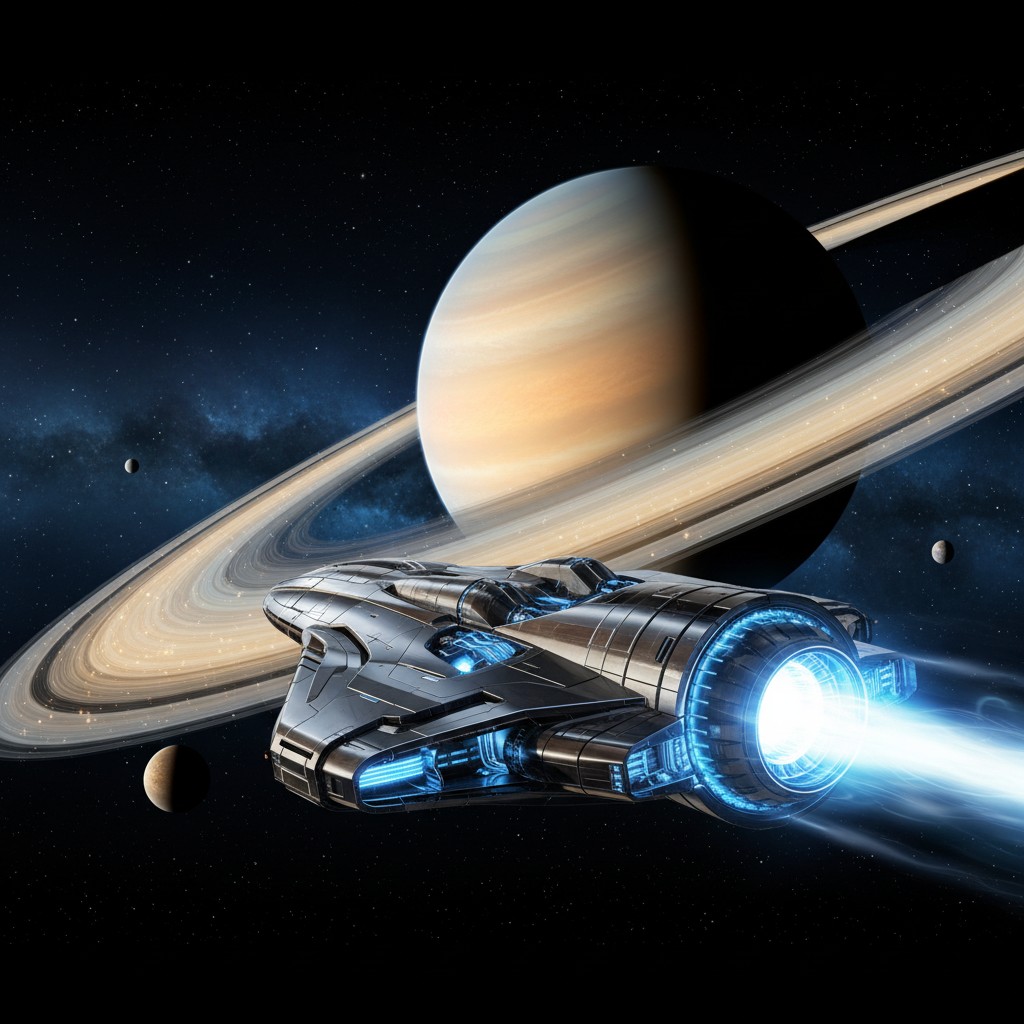
Space Propulsion

  • Direct Fusion Drive (DFD) engines could reduce travel time to Mars from months to weeks.
  • Extremely high specific impulse efficiency compared to chemical rockets.
Made byBobr AI

Engineering Challenges

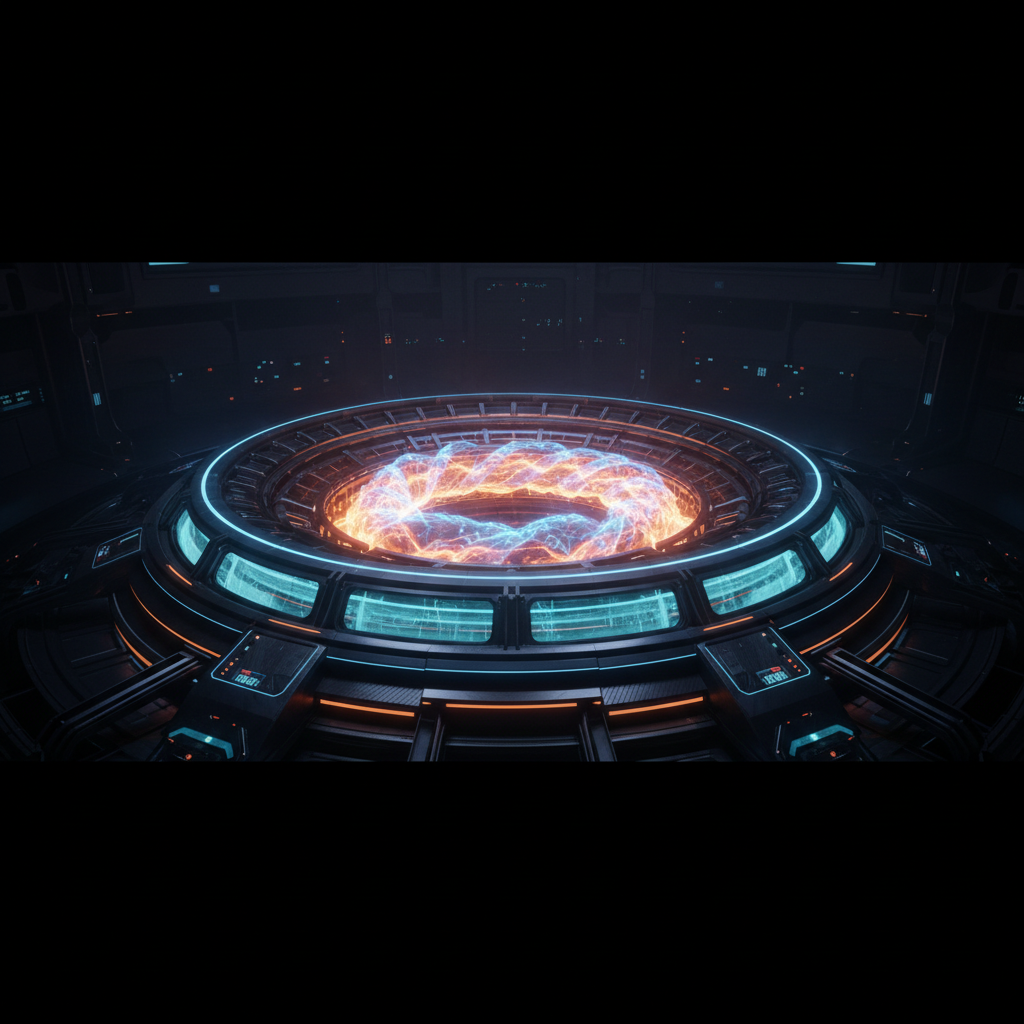
Creating a 'magnetic bottle' to hold plasma at 150 million degrees without touching the walls is difficult.

Net Energy Gain: Historically, we spent more energy to start the reaction than we got out alone. Recent breakthroughs at NIF (National Ignition Facility) finally achieved ignition.

Made byBobr AI

Timeline to Commercialization

Chart
Made byBobr AI

The Holy Grail of Energy

Fusion promises a cleaner, safer, and unlimited energy future for everyone.

Made byBobr AI
Bobr AI

DESIGNER-MADE
PRESENTATION,
GENERATED FROM
YOUR PROMPT

Create your own professional slide deck with real images, data charts, and unique design in under a minute.

Generate For Free

Nuclear Fusion Explained: The Future of Clean Energy

Learn how nuclear fusion works, its benefits over fission, engineering challenges like ITER and NIF, and its potential for the power grid and space travel.

Nuclear Fusion

Powering the Future of Humanity

Star Power on Earth

Nuclear fusion is the process that powers the Sun and other stars. It occurs when two light atomic nuclei combine to form a single heavier one, releasing massive amounts of energy in the process.

The Physics of Fusion

1. Isotopes of Hydrogen (Deuterium and Tritium) are heated to extreme temperatures.

2. At 150 million °C, electrons separate from nuclei, creating plasma.

3. Nuclei merge, forming Helium and releasing a high-energy neutron.

Energy Density Comparison

Energy yield per kilogram of fuel (Megajoules/kg)

Fusion vs. Fission

Nuclear Fission

Splits heavy atoms (Uranium). Used in current power plants. Produces long-lived radioactive waste. Risk of meltdown.

Nuclear Fusion

Combines light atoms (Hydrogen). Powers the stars. Minimal waste. Zero risk of runaway chain reaction.

Key Advantages

Abundant Fuel

Deuterium can be extracted from seawater. Tritium can be bred from Lithium.

Inherent Safety

Needs precise conditions to sustain. Any disturbance stops the reaction instantly.

Environmentally Friendly

Zero carbon emissions. No high-activity long-lived nuclear waste.

The Electric Grid

Fusion offers 'baseload' power—a consistent, reliable energy source unlike wind or solar which are intermittent. Major projects like ITER (International Thermonuclear Experimental Reactor) in France are paving the way for commercial reactors.

Space Propulsion

Direct Fusion Drive (DFD) engines could reduce travel time to Mars from months to weeks.

Extremely high specific impulse efficiency compared to chemical rockets.

Engineering Challenges

Creating a 'magnetic bottle' to hold plasma at 150 million degrees without touching the walls is difficult.

Net Energy Gain: Historically, we spent more energy to start the reaction than we got out alone. Recent breakthroughs at NIF (National Ignition Facility) finally achieved ignition.

Timeline to Commercialization

The Holy Grail of Energy

Fusion promises a cleaner, safer, and unlimited energy future for everyone.

  • nuclear-fusion
  • clean-energy
  • physics
  • iter
  • sustainable-power
  • renewable-energy
  • space-propulsion
  • science