




Communication Strategies for Urban School Administrators
Learn effective communication strategies for urban schools using Microsoft 365, focusing on transparency, centralized channels, and routine leadership hubs.
Effective Communication for Urban School Administrators
A Mini-Course on Strategies, Tools, and Leadership Analysis
Context: Urban Educational Environments
Urban educational environments require distinct communication styles that respect diversity and rapid operational pacing within the organization (Smith, 2024). Administrators must navigate established bureaucratic rules while fostering an open and inclusive environment for all staff members. Understanding the nuances of urban school culture helps in preventing misunderstandings that often arise from cultural disconnects (Jones et al., 2023). Effective communication in this context is not just about transmitting information but about building trust and community resilience. This course explores how to bridge the gap between policy and practice using modern digital tools.
The Toolkit: Microsoft 365 & Teams
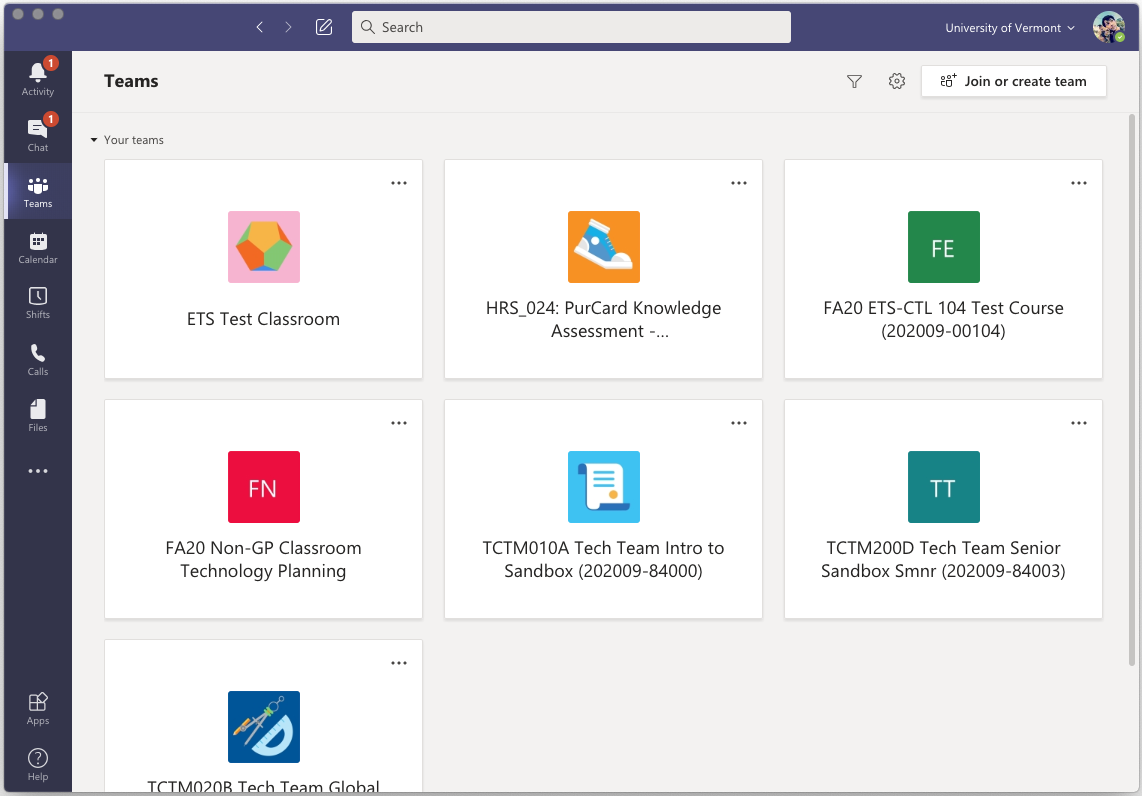
Microsoft 365 and Teams serve as the current digital backbone for internal school communication infrastructure and collaboration (Microsoft, 2025). Teams allow for real-time messaging which reduces email clutter and enables faster decision-making processes for administrators. The integration of SharePoint within the 365 ecosystem ensures that institutional knowledge is preserved and easily accessible to all faculties. Utilizing these tools effectively requires established norms regarding channel usage and notification settings for everyone. Proper training on these platforms eliminates technical barriers that often hinder effective staff collaboration in schools.
Strategy 1: Centralized Channels
Creating centralized communication channels prevents information silos that frequently plague large urban high schools (Brown, 2023). Administrators should allow specific Teams channels for official announcements to ensure critical updates are not missed in general chat. This strategy separates urgent operational directives from social or pedagogical discussions among the teaching staff. Consistently using the 'Posts' tab for wide announcements creates a reliable archive that email threads cannot match. This approach significantly reduces administrative redundancy and confusion regarding school-wide policies and schedules.
Strategy 2: Transparency & Decisions
Transparency in decision-making processes fosters a culture of trust and reduces resistance to change among educators (Garcia & Lee, 2024). Leaders should use shared OneNote notebooks or Planner boards to track progress on initiatives visible to stakeholders. When staff understand the 'why' behind administrative decisions, they are more likely to support implementation efforts enthusiastically. Regular virtual town halls via Teams meetings allow for immediate feedback and clarification on complex issues. This openness demystifies leadership actions and invites collective ownership of the school's trajectory and goals.
Strategy 3: Routine & Consistency
Establishing predictable communication routines creates a sense of stability within the often chaotic urban school environment (Wilson, 2022). Weekly newsletters sent via Sway or Outlook should follow a strict schedule so staff know when to expect information. Consistency in format and delivery method allows teachers to prioritize their time and attention effectively. Avoiding ad-hoc messages after hours respects the work-life balance that is critical for preventing teacher burnout. Reliable communication patterns demonstrate administrative competence and respect for the staff's personal time boundaries.
Tips for Individual Practice
Practice Active Listening: Fully comprehend nuances of directions and verify by summarizing key points.
Manage Availability: Use 'Status' indicators in Teams to manage response time expectations.
Assume Positive Intent: Interpret text-based messages without bias to prevent escalation.
Individual staff members must practice active listening to fully comprehend the nuances of administrative directions and peer feedback (Davis, 2023). It is crucial to verify understanding by summarizing key points before ending professional conversations or meetings. Utilizing the 'status' feature in Teams signals availability thus helping to manage expectations regarding response times during the day. Individuals should always assume positive intent when reading text-based messages that lack non-verbal cues. Proactive communication regarding deadlines and needs prevents small operational issues from escalating into major problems.
Tips for Administrative Leaders
Leaders must model the communication behaviors they wish to see by being concise, respectful, and responsive (Thomas, 2024). It is essential to tailor messages to different audiences within the school to ensure relevance and engagement. Leaders should utilize video messages regarding sensitive topics to convey tone and empathy that text often misses. Regular 'check-ins' using Forms or polls can gauge staff sentiment and identify potential communication breakdowns early. Acknowledging staff contributions publicly in Teams channels reinforces specific positive behaviors and boosts overall morale.
Aligning Culture & Tools
Aligning communication strategies with the school’s specific urban culture ensures that messages resonate and motivate the faculty (Roberts, 2025). Administrators must recognize strict hierarchy rules while simultaneously encouraging innovation and feedback from all levels. The language used in official communications should be inclusive and reflect the diversity of the staff and student body. Tools like Teams should be configured to allow for affinity groups where staff can find cultural support. Respecting the historic context of the institution helps in framing changes as evolution rather than erasure.
References
Brown, T. (2023). Reducing information silos in large educational organizations. Journal of Educational Administration, 45(2), 112-128.<br><br>Davis, L. (2023). Active listening techniques for school professionals. Educational Leadership Review, 19(4), 55-67.<br><br>Garcia, M., & Lee, K. (2024). Transparency as a tool for teacher retention in urban districts. Urban Education Journal, 33(1), 201-215.<br><br>Jones, R., Patel, S., & Wu, X. (2023). Cultural disconnects in school administration. Diversity in Education, 12(3), 88-102.<br><br>Microsoft. (2025). The future of collaboration: Microsoft 365 in education settings. Microsoft Education Whitepaper.<br><br>Smith, J. (2024). Operational pacing in urban high schools: A communication study. American Journal of School Management, 28(1), 15-29.
- school-administration
- urban-education
- microsoft-teams
- leadership-strategies
- educational-communication
- k12-management