
Christmas in Poland: Traditions and the Magic of Wigilia
Explore Polish Christmas traditions, from Advent and 'Wigilia' dinner to the 12 meatless dishes and the sacred sharing of the 'opłatek' wafer.
Wesołych Świąt: Christmas in Poland
A Deep Dive into Traditions, Preparations, and the Magic of 'Wigilia'
Adwent: The Season of Waiting
In Poland, the Christmas season strictly begins with the start of Advent, four weeks before Christmas. It is a time of spiritual preparation, reflection, and quiet anticipation.
Roraty: Special candlelit masses held at sunrise during Advent. Children walk to church carrying lanterns, symbolizing the light of Christ coming into the darkness.
Preparations: Home & Tradition
Detailed Cleaning: The weeks before Christmas involve 'świąteczne porządki' (holiday cleaning). It is culturally mandatory to have windows clean and the house spotless.
The Tree (Choinka): Traditionally decorated on Christmas Eve morning, though modern trends see trees appearing earlier in December. Ornaments often include family heirlooms and glass baubles (bombki).
Wigilia: The Most Important Night
Christmas Eve supper (Wigilia) is more significant in Poland than Christmas Day itself. It is a solemn, meatless family feast that begins only when the first star appears in the sky.
'Pierwsza Gwiazdka' (The First Star) recalls the Star of Bethlehem. Children eagerly watch the windows for its appearance, signaling that the meal can start.
Opłatek: The Bread of Love
Before eating, family members stand and share the 'opłatek' (Christmas wafer). Each person breaks off a piece of the other's wafer, exchanging wishes for health, prosperity, and forgiveness for past grievances.
This is the most sacred and emotional moment of the Polish Christmas. It often brings family members to tears as they reconcile and bond.
Symbols on the Table
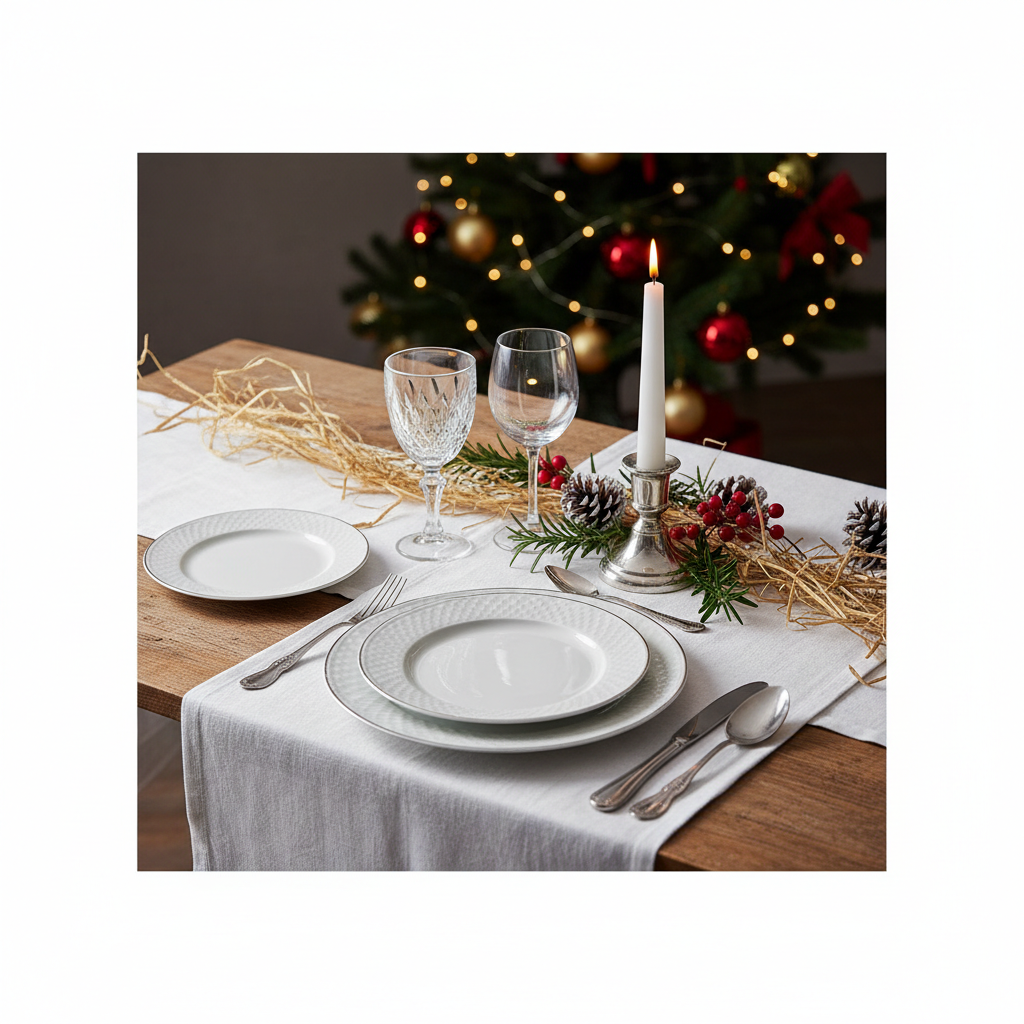
Hay (Sianko): A handful of hay is placed under the white tablecloth to symbolize Jesus being born in a manger.
The Empty Seat: An extra plate and seat are always set at the table. This is for an unexpected wanderer or in memory of family members who have passed away.
12 Dishes: The meal typically consists of 12 distinct dishes, symbolizing the 12 Apostles and the 12 months of the year.
Wigilia Cuisine: Meatless Feast
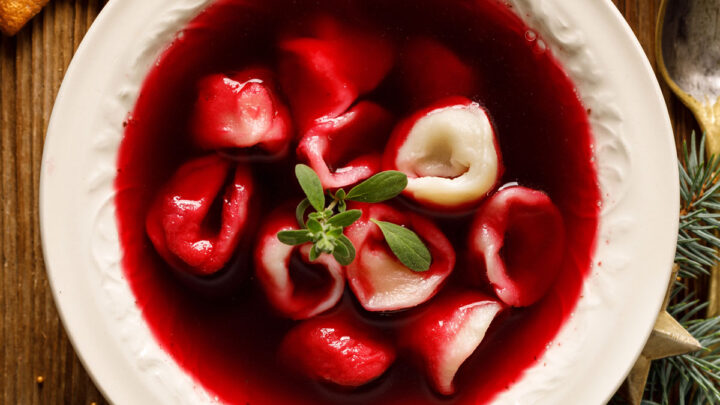
• Barszcz Czerwony: Red beetroot soup with tiny mushroom dumplings called 'uszka' (little ears). • Carp (Karp): The centerpiece fish, often fried or served in jelly. • Pierogi: Filled with sauerkraut and dried mushrooms. • Herring (Śledź): Prepared in oil or cream.
Sweet Traditions
Makowiec: A poppy seed roll cake. Poppy seeds symbolize prosperity and fertility. Eating them is believed to bring wealth in the coming year.
Kutia: An ancient Eastern Polish dessert made from wheat berries, poppy seeds, honey, dried fruit, and nuts. It links the living with the ancestors.
Kolędy & Gifts: After the Meal
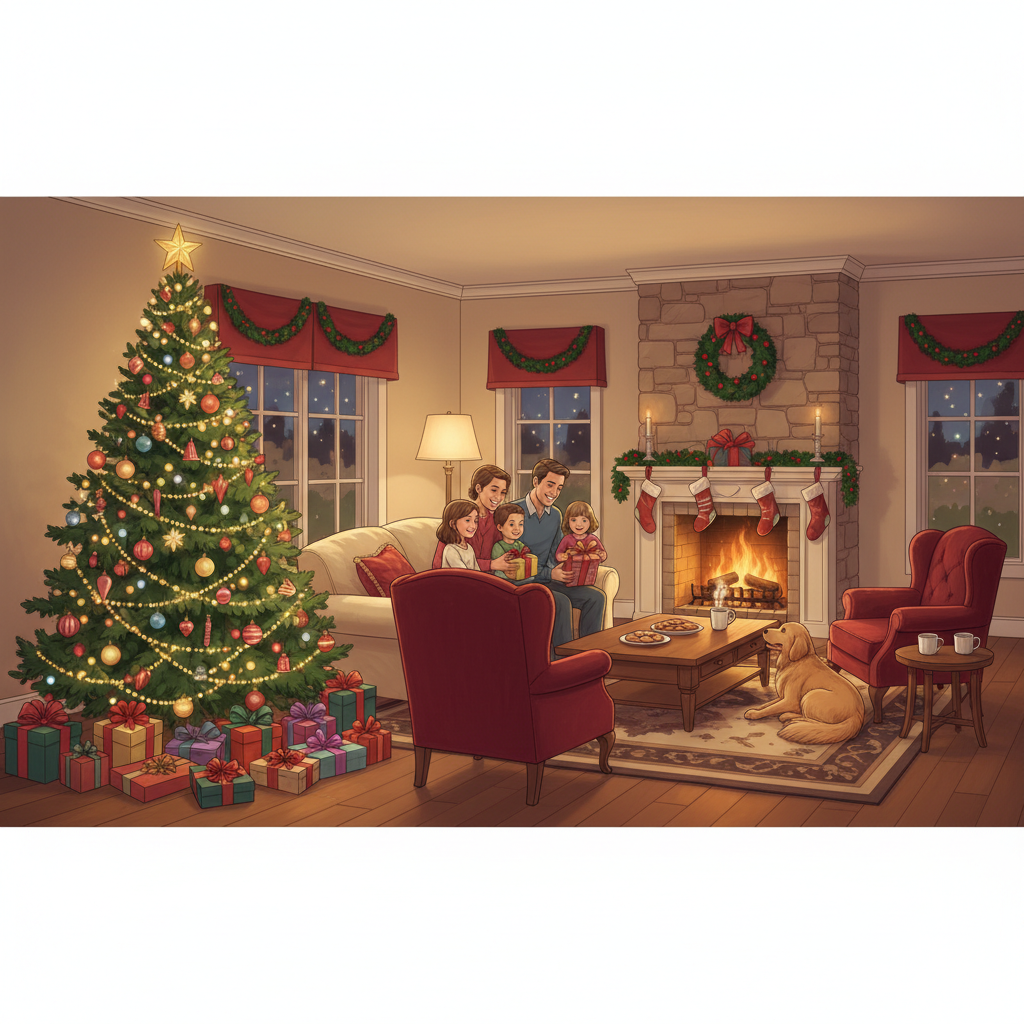
After dinner, families gather around the tree to sing 'Kolędy' (Polish carols). Many are slow and melancholic, like the famous 'Lulajże Jezuniu' (Sleep, Little Jesus).
Gifts are opened on Christmas Eve, not the next morning. Who brings them? It varies by region: St. Nicholas (Mikołaj), The Starman (Gwiazdor), The Little Angel, or Baby Jesus.
Beyond Eve: Szopki & Epiphany
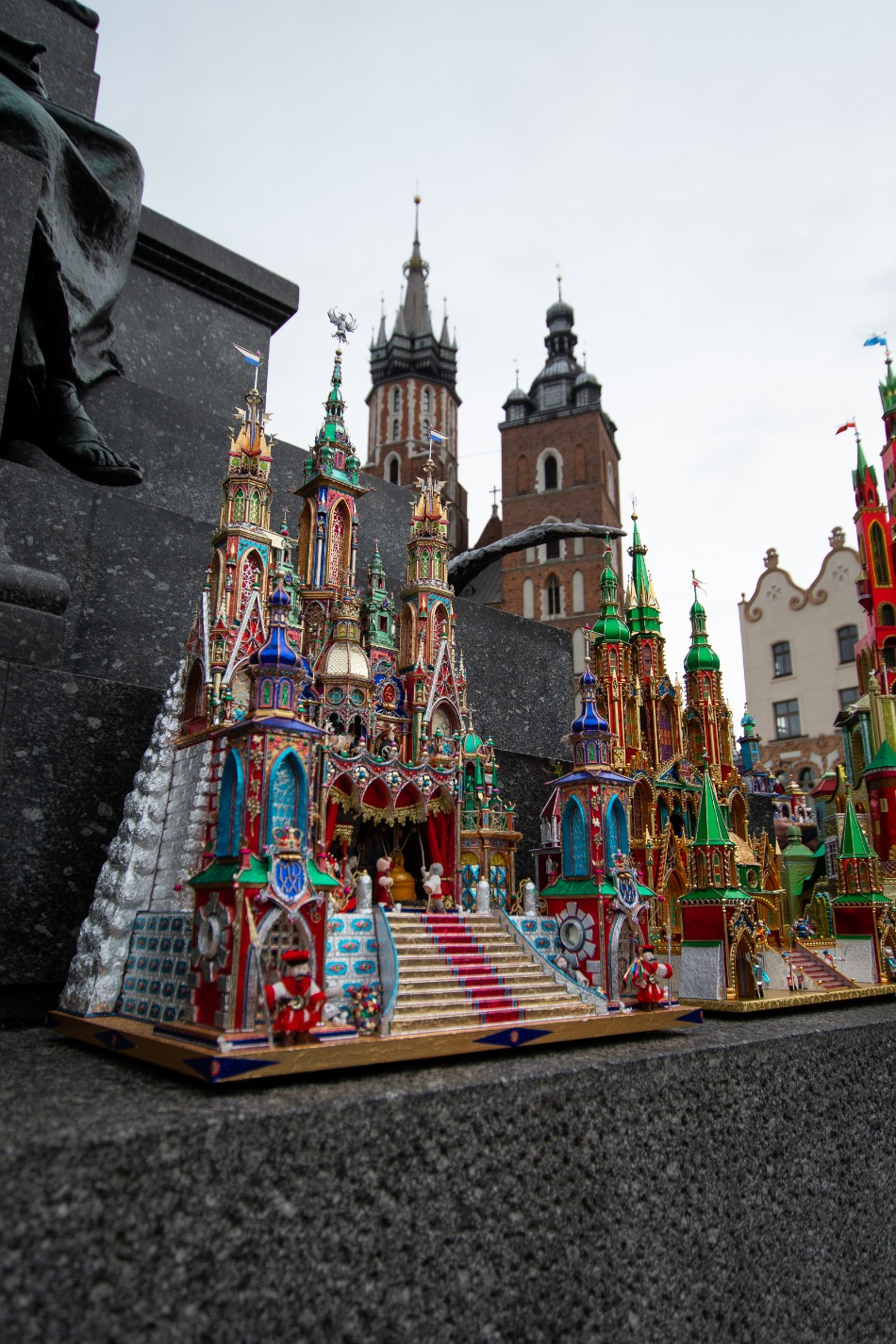
Kraków Szopka: Unique to Poland, these are ornate nativity scenes resembling the architecture of Kraków's historical buildings. They are UNESCO cultural heritage.
Jan 6th (Trzech Króli): The end of the season. Families write 'K+M+B' (initials of the kings) and the year in chalk on their doors to bless the home.
- christmas-in-poland
- wigilia
- polish-traditions
- oplatek
- holidays
- culture
- poland