




Made byBobr AI

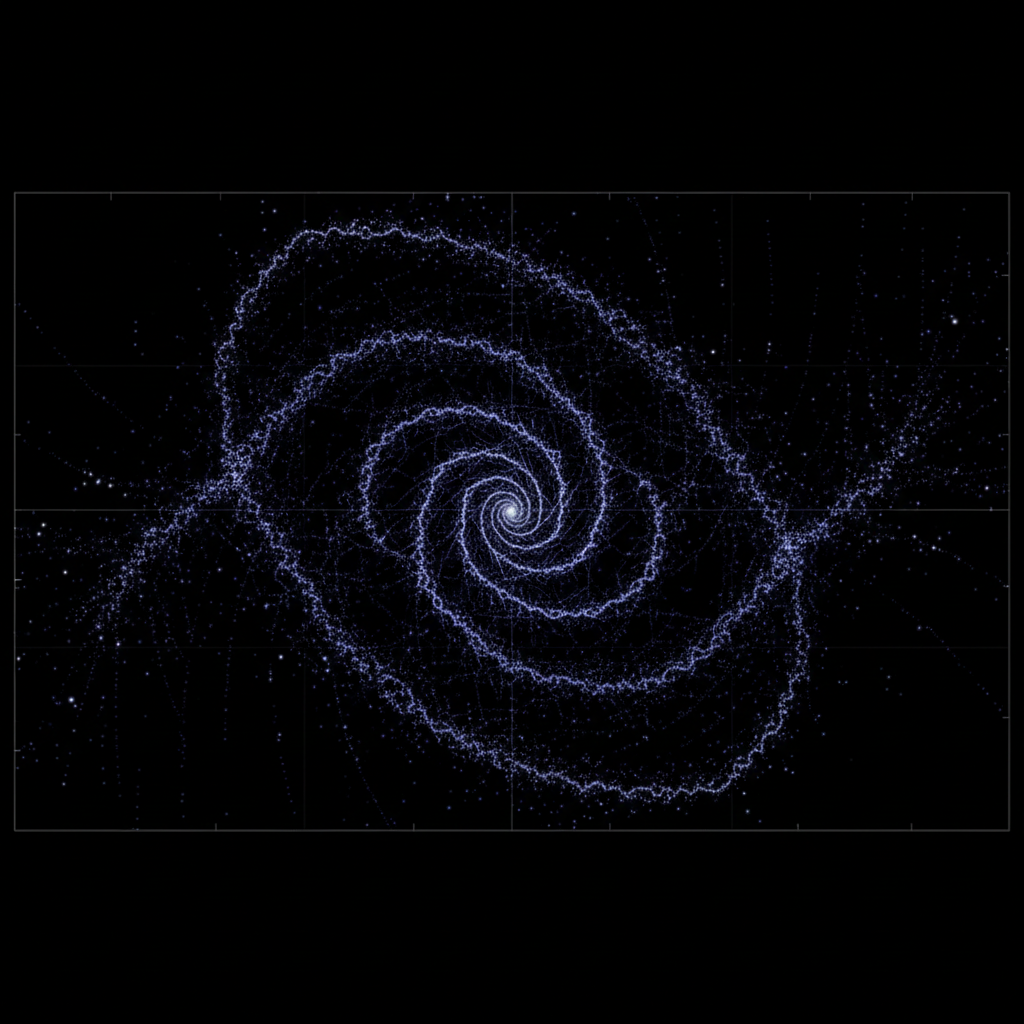
Understanding Chaos Theory: Patterns and the Butterfly Effect

Explore chaos theory, the logistic map, and the Lorenz system. Learn how deterministic math creates unpredictability and the famous butterfly effect.

#chaos-theory#mathematics#butterfly-effect#lorenz-system#logistic-map#nonlinear-dynamics#science-education
Watch
Pitch

Chaos Theory

Noah Ghobrial & Jeremy Wu

MHF4U Presentation of Learning | Friday Jan 16 2026

Made byBobr AI
Why can a simple rule make behavior impossible to predict?
How does deterministic math produce apparent randomness?
Made byBobr AI

Today we will cover

What chaos is (Definition)
How chaos appears (Models)
How to tell a system is chaotic (Diagnostics)
🌎Why it matters (Applications)
Activity: Logistic map demo
Made byBobr AI

Core Ideas

Deterministic rules: outcomes with no randomness

Sensitivity to initial conditions: tiny differences grow exponentially

Nonlinearity: outputs do not scale proportionally with inputs

Strange attractors: hidden structure in long term behavior
Made byBobr AI

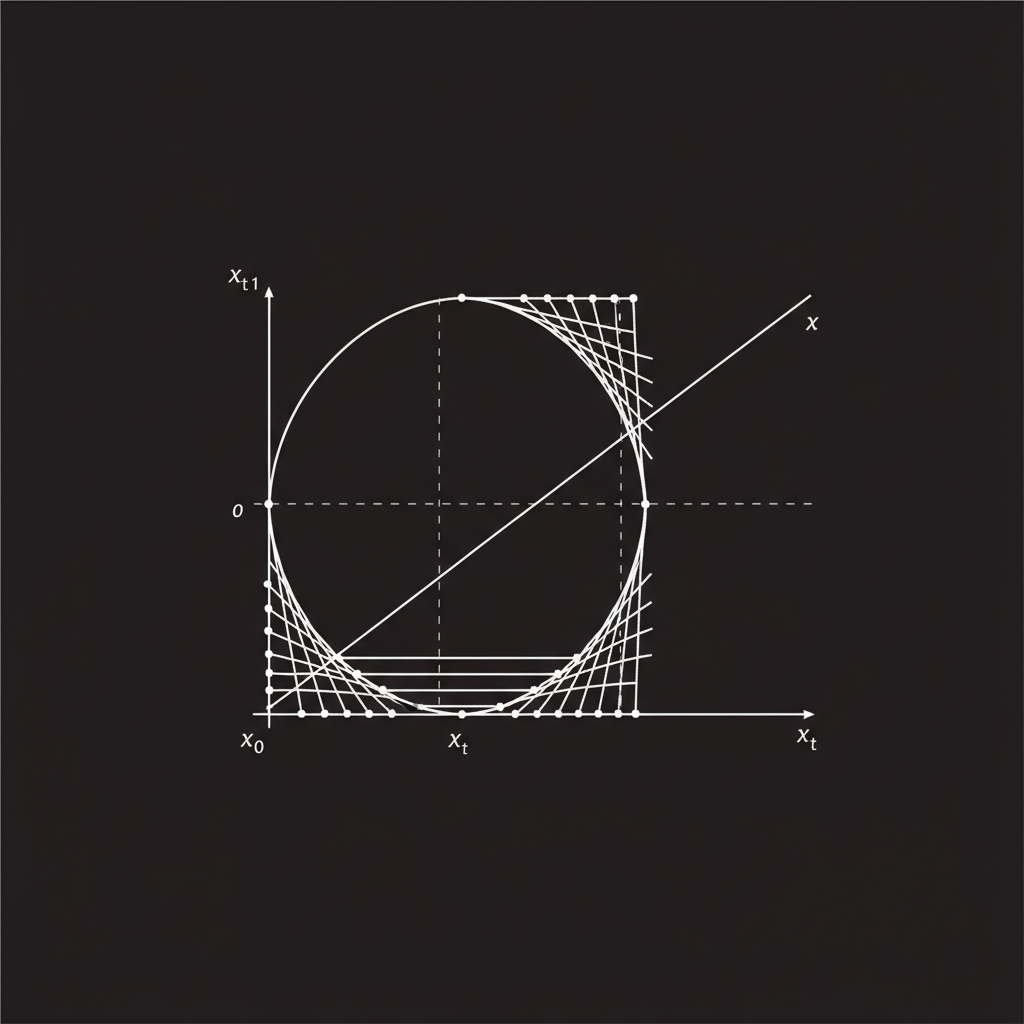
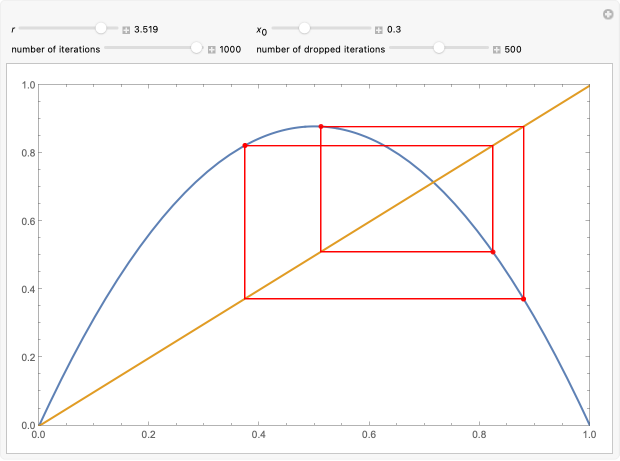
The Logistic Map Equation

xn+1 = r xn(1 − xn)

Interpretation: xₙ is population fraction; r is growth parameter

Progression as r increases: Stable ➝ Periodic ➝ Chaotic

Example (r=3):

Let x₀ = 0.2
x₁ = 3(0.2)(1-0.2) = 0.48
x₂ = 3(0.48)(1-0.48) = 0.7488...

Made byBobr AI

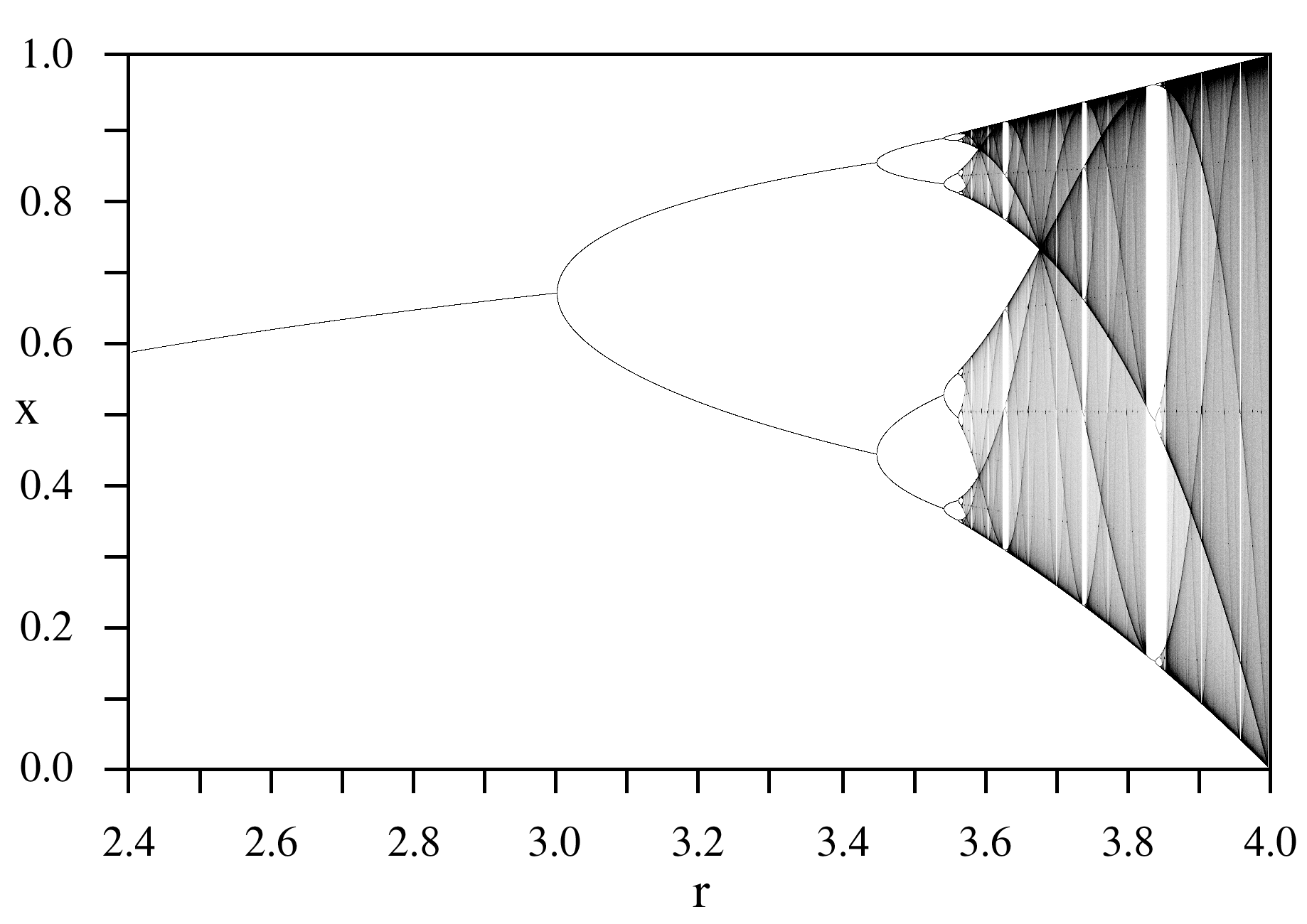
Bifurcation Diagram

As r increases, the long term values of x split into cycles and then chaos.

xn Population
Stable Doubling Chaos
r Growth Parameter
Made byBobr AI

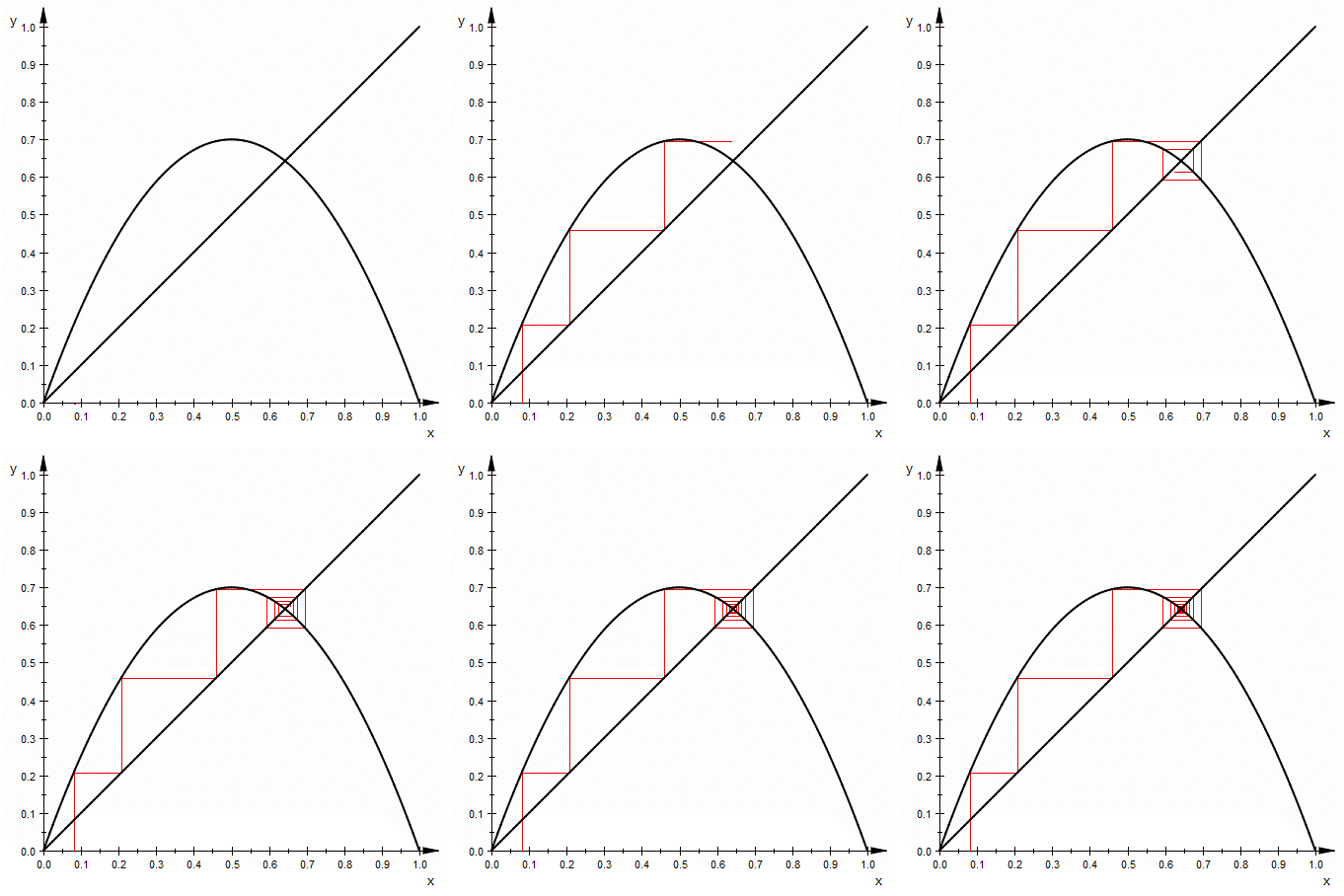
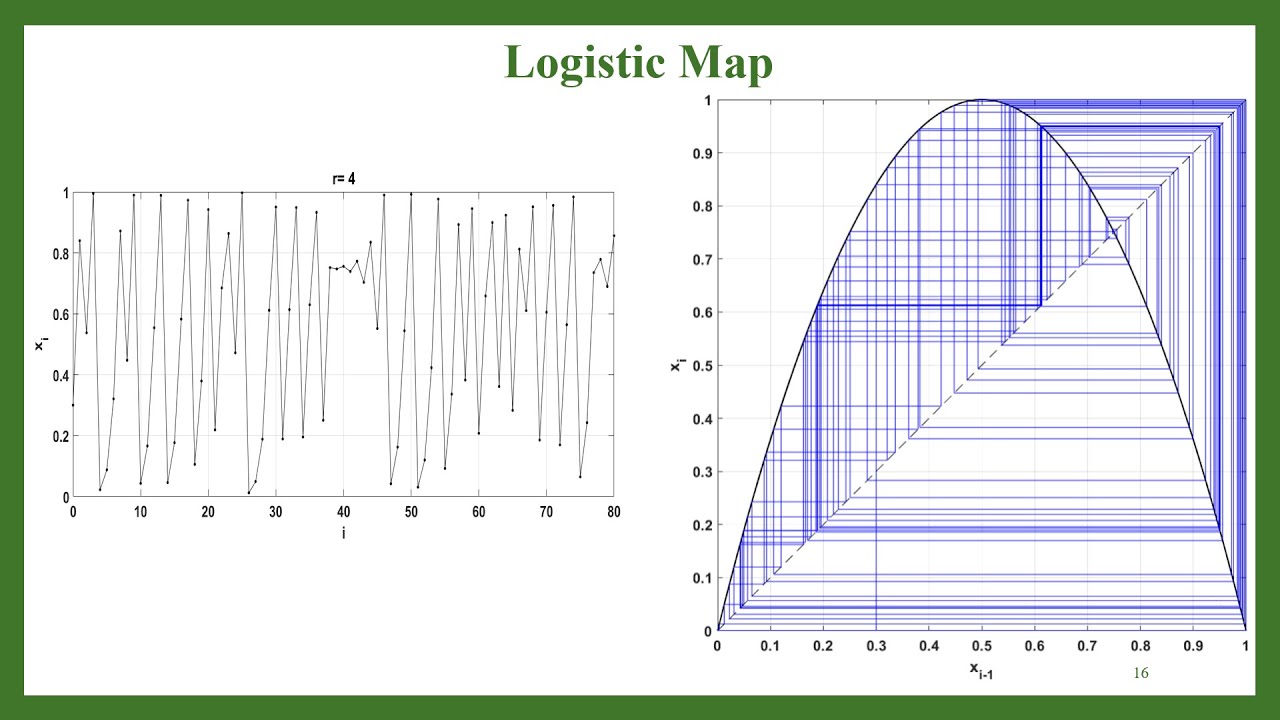
Activity — Logistic Map (GeoGebra)

Goal: See order turn to chaos.

1. Pick r between 2.5 and 4.0
2. We will switch to GeoGebra and iterate 50 times from x₀=0.2
3. Observe behavior: converges, cycles, or chaos.
r=2.8 (Stable)
r=3.5 (Periodic)
r=3.9 (Chaotic)
Made byBobr AI

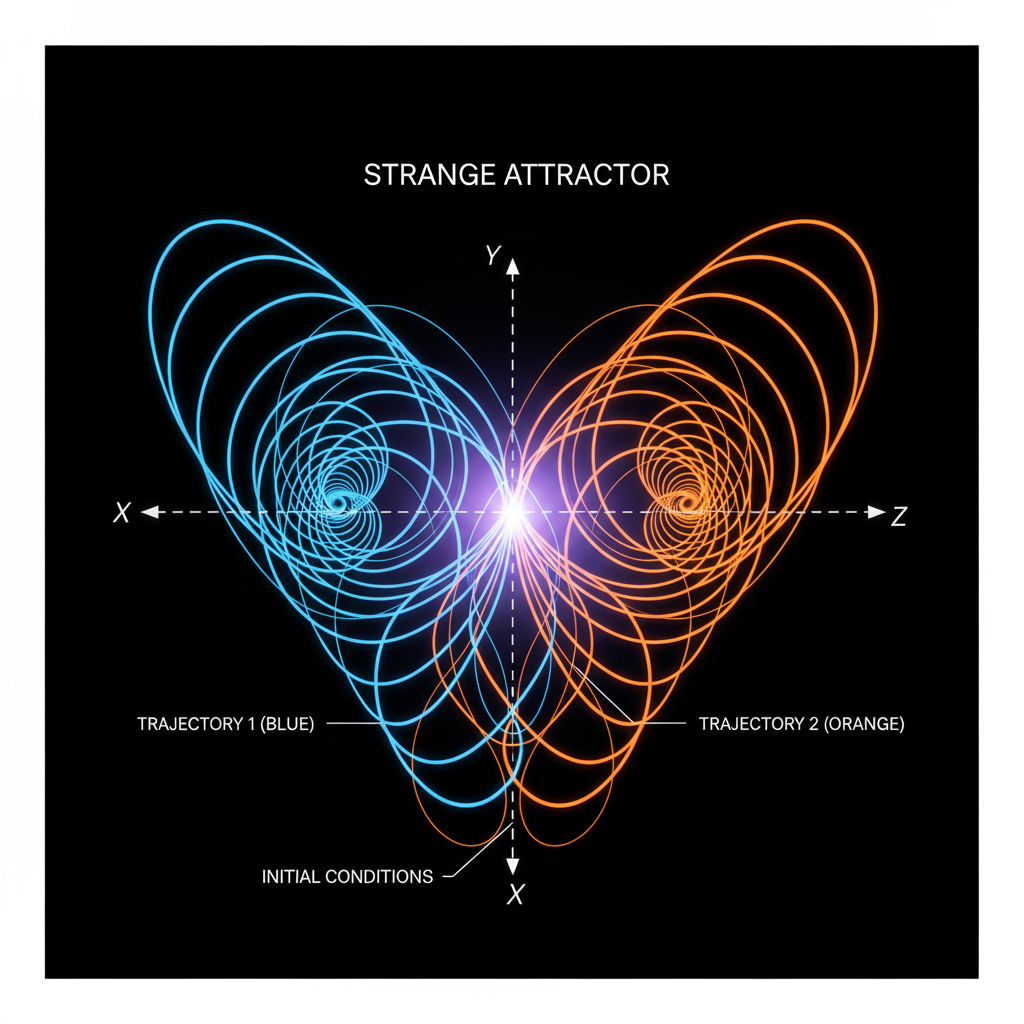
Continuous Example: Lorenz System

= σ(yx)
= x(ρ − z) − y
ż = xy − βz

Parameters: σ=10, ρ=28, β=8/3

Key Point: Simple ODEs used for weather show the butterfly effect.

Made byBobr AI

How to Detect Chaos

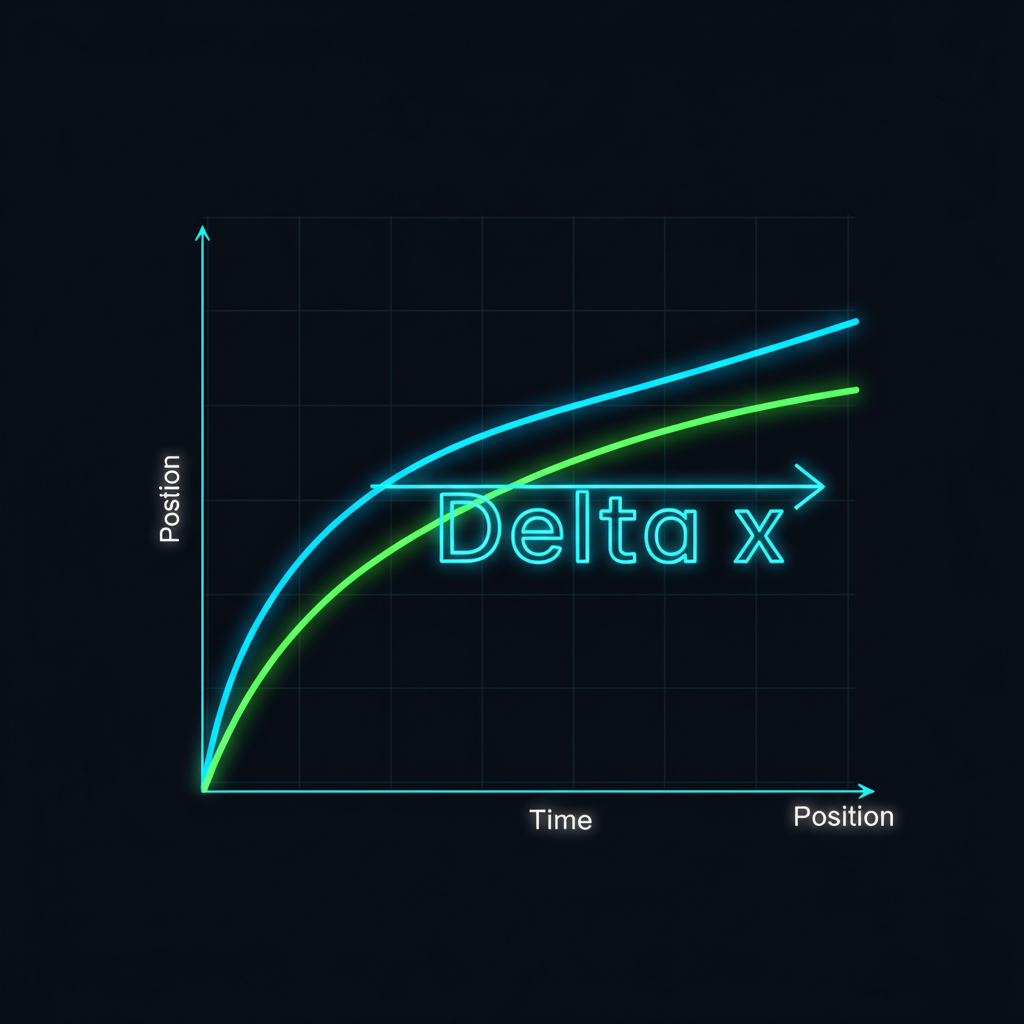
Δx(t) ≈ Δx₀ eλt

Lyapunov Exponent (λ): Positive value means exponential divergence (sensitivity).

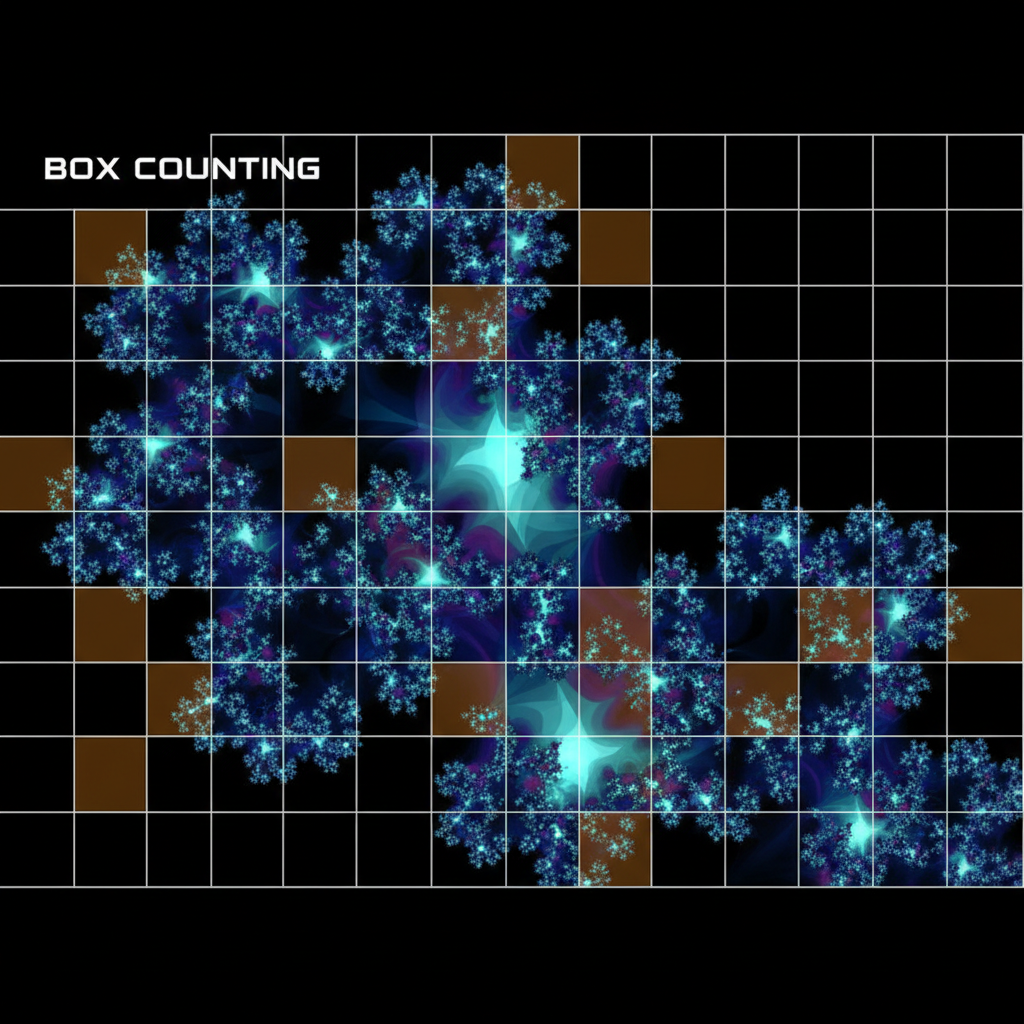
Fractal Dimension: Non-integer dimension implies strange attractor structure.

Poincaré Section: Slicing the 3D flow reveals a structured 2D map.

Made byBobr AI

Routes to Chaos & Limits

Routes to Chaos

• Period Doubling (Feigenbaum) • Quasiperiodicity (Torus breakdown) • Intermittency (Bursts of chaos)

Practical Limits

• Noise & Measurement Error • Finite computer precision • Prediction horizon is always limited
Made byBobr AI

Applications

• Weather Forecasting (Ensemble methods)
• Ecology (Population dynamics)
• Engineering Control (Stabilizing systems)
• Secure Communications (Chaos masking)
Made byBobr AI

Conclusion

• Chaos = Deterministic rules + Practical unpredictability.
• Small causes can have huge effects (Butterfly Effect).
• Structure (Attractors) exists within the chaos.

References

Made byBobr AI
Bobr AI

DESIGNER-MADE
PRESENTATION,
GENERATED FROM
YOUR PROMPT

Create your own professional slide deck with real images, data charts, and unique design in under a minute.

Generate For Free

Understanding Chaos Theory: Patterns and the Butterfly Effect

Explore chaos theory, the logistic map, and the Lorenz system. Learn how deterministic math creates unpredictability and the famous butterfly effect.

Chaos Theory

Noah Ghobrial & Jeremy Wu

MHF4U Presentation of Learning | Friday Jan 16 2026

Why can a simple rule make behavior impossible to predict?

How does deterministic math produce apparent randomness?

Today we will cover

What chaos is (Definition)

How chaos appears (Models)

How to tell a system is chaotic (Diagnostics)

Why it matters (Applications)

Activity: Logistic map demo

Core Ideas

Deterministic rules: outcomes with no randomness<br><br>Sensitivity to initial conditions: tiny differences grow exponentially<br><br>Nonlinearity: outputs do not scale proportionally with inputs<br><br>Strange attractors: hidden structure in long term behavior

The Logistic Map Equation

<i>x</i><sub><i>n</i>+1</sub> = <i>r x<sub>n</sub></i>(1 − <i>x<sub>n</sub></i>)

Interpretation: xₙ is population fraction; r is growth parameter

Progression as r increases: Stable ➝ Periodic ➝ Chaotic

Let x₀ = 0.2<br>x₁ = 3(0.2)(1-0.2) = 0.48<br>x₂ = 3(0.48)(1-0.48) = 0.7488...

Bifurcation Diagram

As r increases, the long term values of x split into cycles and then chaos.

Activity — Logistic Map (GeoGebra)

1. Pick r between 2.5 and 4.0<br>2. We will switch to GeoGebra and iterate 50 times from x₀=0.2<br>3. Observe behavior: converges, cycles, or chaos.

NOW SWITCH TO GEOGEBRA

Continuous Example: Lorenz System

<span style='font-style:italic'>ẋ</span> = σ(<span style='font-style:italic'>y</span> − <span style='font-style:italic'>x</span>)<br><span style='font-style:italic'>ẏ</span> = <span style='font-style:italic'>x</span>(ρ − <span style='font-style:italic'>z</span>) − <span style='font-style:italic'>y</span><br><span style='font-style:italic'>ż</span> = <span style='font-style:italic'>xy</span> − β<span style='font-style:italic'>z</span>

Parameters: σ=10, ρ=28, β=8/3

Key Point: Simple ODEs used for weather show the butterfly effect.

How to Detect Chaos

Lyapunov Exponent (λ): Positive value means exponential divergence (sensitivity).

Fractal Dimension: Non-integer dimension implies strange attractor structure.

Poincaré Section: Slicing the 3D flow reveals a structured 2D map.

Routes to Chaos & Limits

• Period Doubling (Feigenbaum) • Quasiperiodicity (Torus breakdown) • Intermittency (Bursts of chaos)

• Noise & Measurement Error • Finite computer precision • Prediction horizon is always limited

Applications

• Weather Forecasting (Ensemble methods)<br>• Ecology (Population dynamics)<br>• Engineering Control (Stabilizing systems)<br>• Secure Communications (Chaos masking)

TAKEAWAY: Chaos reveals structure in apparent randomness and sets fundamental limits on prediction.

Conclusion

• Chaos = Deterministic rules + Practical unpredictability.<br>• Small causes can have huge effects (Butterfly Effect).<br>• Structure (Attractors) exists within the chaos.

References

  • chaos-theory
  • mathematics
  • butterfly-effect
  • lorenz-system
  • logistic-map
  • nonlinear-dynamics
  • science-education